
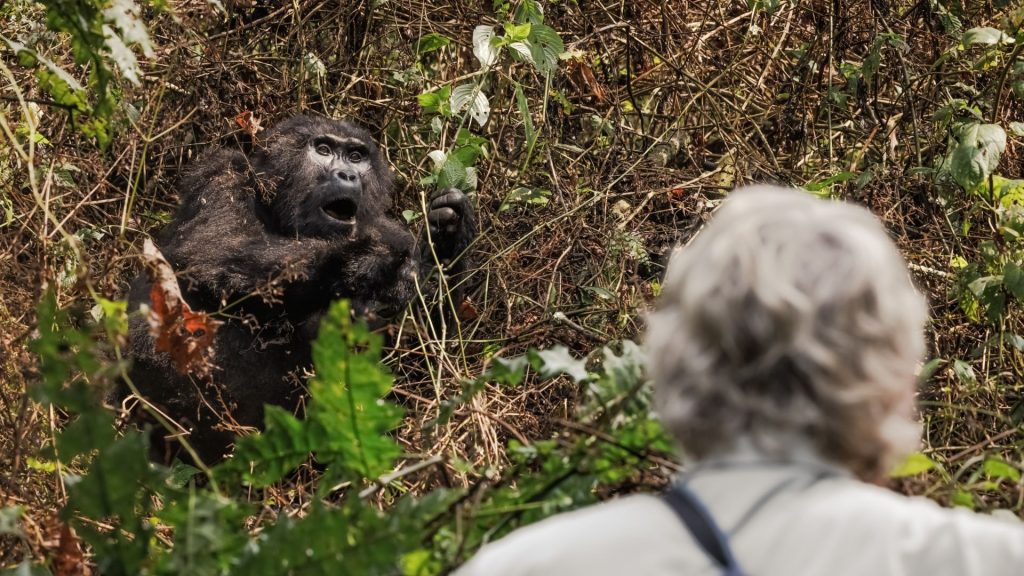
Bwindi Gorilla Trekking Porter: Everything You Need to Know in 2026
Bwindi gorilla trekking porter: Ask any experienced gorilla trekking guide at Bwindi Impenetrable National Park what single piece of advice they give every visitor before the trek begins, and the answer is almost always the same: hire a porter.
Not because the terrain will defeat you without one. Not because the regulations require it. But because a Bwindi gorilla trekking porter is, for the modest fee they charge, one of the finest investments any safari traveller can make — and because the benefits they deliver go far beyond carrying a daypack.
This guide covers everything you need to know about hiring a Bwindi gorilla trekking porter: what porters do, how much they cost, how to hire one, who they are, and why every guide in the industry recommends them without hesitation.
What Is a Bwindi Gorilla Trekking Porter?
A Bwindi gorilla trekking porter is a community member from the villages surrounding Bwindi Impenetrable National Park who accompanies gorilla trekking groups through the forest, carrying bags and providing physical assistance on difficult terrain.
Porters are not park rangers, not wildlife guides, and not trackers — those roles are filled by Uganda Wildlife Authority (UWA) staff whose services are already included in your USD $800 gorilla trekking permit.
Porters are an additional, optional service offered by the local communities as a livelihood programme, available for hire at the briefing station on the morning of your trek.
Bwindi’s porter programme is community-managed and represents one of the most direct mechanisms through which gorilla tourism revenue reaches the families who live closest to the park.
Porters are community members who depend directly on this tourism income, making the decision to hire one a conservation contribution as much as a practical comfort choice.
What Does a Bwindi Porter Actually Do?
The role of a gorilla trekking porter in Bwindi covers several practical functions that make a genuine difference to the physical quality and emotional comfort of your trek. Porters carry your daypack and water, steady your footing on descents, and often enhance the experience with their knowledge of the forest’s plants and sounds.
- Carry your daypack — including water, snacks, cameras, and rain gear — throughout the entire trek, freeing your hands for walking poles, balance, and photography.
- Provide a steady arm and physical support on the steepest, most slippery sections of the trail — particularly important on Bwindi’s steep volcanic descents, which can be treacherous when wet.
- Assist you through dense undergrowth by holding vegetation aside, clearing your path, and guiding your footing when the trail becomes unclear.
- Carry your rain jacket when not needed and deploy it quickly when the weather changes — a common occurrence in Bwindi’s equatorial microclimate.
- Share local knowledge of the forest — many porters have years of experience in Bwindi and can identify plants, birds, and ecological features that enrich the trekking experience beyond the gorilla encounter itself.
- For visitors with reduced mobility or health conditions, carry them in a specially designed sedan chair — a service available at Bwindi specifically for guests who need physical assistance to complete the trek.
Bwindi Porter Fee 2026: How Much Does It Cost?
The Bwindi gorilla trekking porter fee is approximately USD $15 to $20 per porter for the full trekking day. Porter fees are USD $20 per trek according to most current operator pricing, with some sources citing the range as $15 to $20 depending on the sector and the specific arrangement.
The porter fee is paid directly to the porter at the conclusion of the trek, not to the park or to your tour operator — it goes straight into the hands of the community member who carried your bag.
In addition to the porter fee, it is standard and strongly encouraged practice to tip your porter at the end of the trek. A tip of USD $5 to $10 is a great way to thank them for their hard work.
Given the physical demands of carrying a loaded pack through steep, root-tangled, often muddy Bwindi terrain for several hours, this tip is genuinely and immediately appreciated.
At current gold prices and safari budgets, the Bwindi porter fee of $15 to $20 is among the best-spent money on any safari. You are paying $20 for physical support, hands-free trekking, bag carriage, and a direct livelihood contribution to a community family — a combination of practical value and ethical impact that no other single line in your safari budget can match.
How to Hire a Porter for Bwindi Gorilla Trekking
Hiring a porter for your Bwindi gorilla trek is simple and does not require advance booking. Porters are available for hire at the park briefing station in each of Bwindi’s four trekking sectors — Buhoma, Ruhija, Rushaga, and Nkuringo — on the morning of your trek.
When you arrive at the briefing station at around 7:30 AM, you will see porters gathered and available for hire before the pre-trek ranger briefing begins.
Simply approach the porter coordinator or your ranger guide and indicate that you want to hire a porter. You will be matched with an available porter, agree on the fee, and confirm the arrangements before entering the forest.
One porter is typically assigned per guest, though two guests sharing a porter is an option in some sectors for lighter load arrangements.
Some tour operators — including responsible, community-conscious operators — pre-arrange porter hire as part of their Bwindi gorilla safari package. If this is important to you, ask your operator whether porter hire is included or available through them. Either way, the porter will be from the local community and the fee will reach them directly.
Who Are Bwindi’s Gorilla Trekking Porters?
Bwindi’s gorilla trekking porters are members of the farming and village communities that have lived on the park’s boundary for generations — many of them descendants of the families who farmed this land before the park’s establishment in 1991.
The community porter programme was designed specifically to provide these communities with economic participation in the gorilla tourism that the park generates, giving families a livelihood alternative to farming in the forest margins or harvesting timber illegally.
Many porters have been working the trails of Bwindi for years and bring a quiet expertise to the trekking experience that enriches it far beyond their bag-carrying function.
They know where the rocky scrambles are, which sections of trail get slippery after overnight rain, which plants have medicinal properties, and which bird calls signal interesting sightings in the canopy above.
A porter who has been on a thousand Bwindi treks is a forest companion whose knowledge adds genuine depth to the experience.
The livelihoods of the community families who have been the park’s most important conservation allies for decades depend on the tourism revenue that hiring a porter directly contributes.
Do You Really Need a Porter? The Honest Answer
Porter hire is optional at Bwindi. Physically fit, experienced hikers with light daypacks successfully complete gorilla treks without porter assistance every day. If you are in excellent cardiovascular condition, comfortable with steep and irregular terrain, and carrying only a small pack, the trek is manageable without a porter.
But the question is not really whether you can complete the trek without a porter. The question is whether you should. About 60 percent of Bwindi National Park sits above 6,600 feet elevation, with steep slopes in many areas. The trek takes two to six hours depending on the gorilla family.
The terrain includes uneven root-tangled paths, muddy descents, and dense undergrowth that demands both hands at times.
Carrying a daypack through that terrain for several hours, then returning the same way with the additional fatigue of the encounter behind you, is a different physical proposition from a flat nature walk.
The majority of experienced safari guides, operators, and returning visitors recommend hiring a porter regardless of fitness level — not because the trek is beyond average ability, but because arriving at the gorilla family with both hands free, your energy preserved, and the daypack off your back puts you in the best possible physical and psychological state for the encounter that matters most.
A tired trekker photographs badly, responds more slowly, and misses details that a rested, unburdened observer catches.
At USD $20 for the full day, the Bwindi gorilla trekking porter is not a luxury. It is the most sensible small expenditure in the entire gorilla safari budget — and it is one that goes directly to the people whose cooperation with conservation has made the gorilla trekking experience possible in the first place.
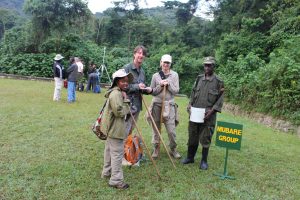
The Sedan Chair: Bwindi’s Accessibility Option for All Visitors
For visitors with mobility limitations, health conditions, or physical disabilities that make the full gorilla trek difficult or impossible, Bwindi offers a remarkable accessibility solution: the sedan chair. Tourists with special needs can use a sedan chair carried by porters.
This wooden carrying chair, borne by a team of trained porters, allows guests who cannot walk the full terrain to be transported through the forest and participate in the gorilla encounter.
The sedan chair service requires prior arrangement through your tour operator and carries an additional fee, but it ensures that no visitor is excluded from one of Africa’s greatest wildlife experiences on the basis of physical limitations alone.
In Summary: Hire the Porter.
The Bwindi gorilla trekking porter is optional, costs $15 to $20, and is recommended by virtually every guide and operator who has ever walked a client into Bwindi’s forest.
They carry your bag. They steady your footing. They share their knowledge of the forest. They support their family from the fee you pay.
And when you arrive at the gorilla family — hands free, shoulders unburdened, energy intact — you will understand exactly why the unanimous advice is what it is.

