
Stunning Sipi Falls: Location, Photos, Activities & More
Sipi Falls: Discover the stunning Sipi Falls in Uganda with this complete 2026 travel guide. Learn about its location, breathtaking views, top activities, hiking trails, photos, accommodation, and visitor tips.
Set on the foothills of Mount Elgon in Eastern Uganda, Sipi Falls is a breathtaking trio of waterfalls cascading down a lush, volcanic landscape — a genuine highlight for nature lovers, hikers, and adventurers exploring beyond Uganda’s national parks.
Known for its scenery, cool climate, and vibrant Sebei culture, Sipi Falls is one of the most rewarding stops on any Uganda travel itinerary. Here’s everything worth knowing before you go: history, activities, accommodation, and the best time to visit.

What Is Sipi Falls?
Sipi Falls is a series of three waterfalls in Kapchorwa District, Eastern Uganda, close to the Kenyan border. The falls take their name from the nearby Sipi River, which flows down from Mount Elgon, one of Uganda’s oldest volcanic mountains. The main waterfall drops roughly 100 meters in a dramatic plunge, with two smaller falls rounding out the area’s picture-postcard appeal.
Sipi Falls isn’t just a natural landmark — it’s a cultural one too. The surrounding hillsides are covered in coffee plantations growing Uganda’s celebrated Arabica coffee, and the area is home to the Sebei people, who offer visitors a genuine window into their traditions and way of life.
History and Formation of Sipi Falls
Sipi Falls formed millions of years ago through volcanic activity on Mount Elgon, with the region’s basaltic rock and ongoing erosion shaping the cascades you see today. The site holds deep cultural significance for the Sebei people, who have lived in this landscape for generations.
What Makes Sipi Falls Special?
- Scenic beauty — waterfalls, cliffs, and green hillside come together in a genuinely unique setting
- Arabica coffee — a real farm-to-cup experience in one of Uganda’s top coffee-growing regions
- Adventure activities — from abseiling to multi-hour hikes, there’s something here for thrill-seekers
- Cultural richness — the Sebei people add real depth beyond just the scenery
Location of Sipi Falls
Sipi Falls sits about 277 kilometers (172 miles) northeast of Kampala, easily reached by road, and serves as the gateway to Mount Elgon National Park — a favorite for hikers and birdwatchers alike.

Activities at Sipi Falls
1. Hiking to the Waterfalls
The centerpiece of any Sipi Falls trip is the hike connecting all three waterfalls. Guided treks typically begin at the base of the main fall and climb through lush vegetation, opening up panoramic views over the surrounding countryside as you go. Each waterfall has its own character:
- The Main Waterfall — the tallest and most iconic, dropping 100 meters
- The Middle Waterfall — quieter surroundings, with natural swimming pools
- The Upper Waterfall — sweeping views across the Karamoja plains
For a fuller breakdown of trail options and timing, see our dedicated guide to Sipi Falls activities.
2. Coffee Tours
This region is one of Uganda’s premier Arabica coffee-growing areas, and coffee tours here take you through local farms, the full processing chain, and a taste of freshly brewed coffee at the end. These tours also support the local community directly, making them a genuinely worthwhile cultural add-on.
3. Abseiling
For the more adventurous, abseiling down the main waterfall is one of the most thrilling things to do in this part of Uganda — descending alongside the cascading water with spectacular views the whole way down, under the supervision of professional guides.
4. Nature Walks
The area around Sipi Falls is rich in biodiversity, and guided nature walks are a great way to spot unique flora and fauna, including rare birds like the Tacazze sunbird and Hartlaub’s turaco — a solid stop for anyone building a broader birdwatching in Uganda itinerary.
5. Cultural Encounters
Spend time with the Sebei people learning about their customs and traditions — join a traditional dance, browse local markets, or even try your hand at traditional cooking methods.
6. Photography
Sipi Falls is a genuine photographer’s paradise, with dramatic landscapes, vivid greenery, and cascading water offering no shortage of striking shots.
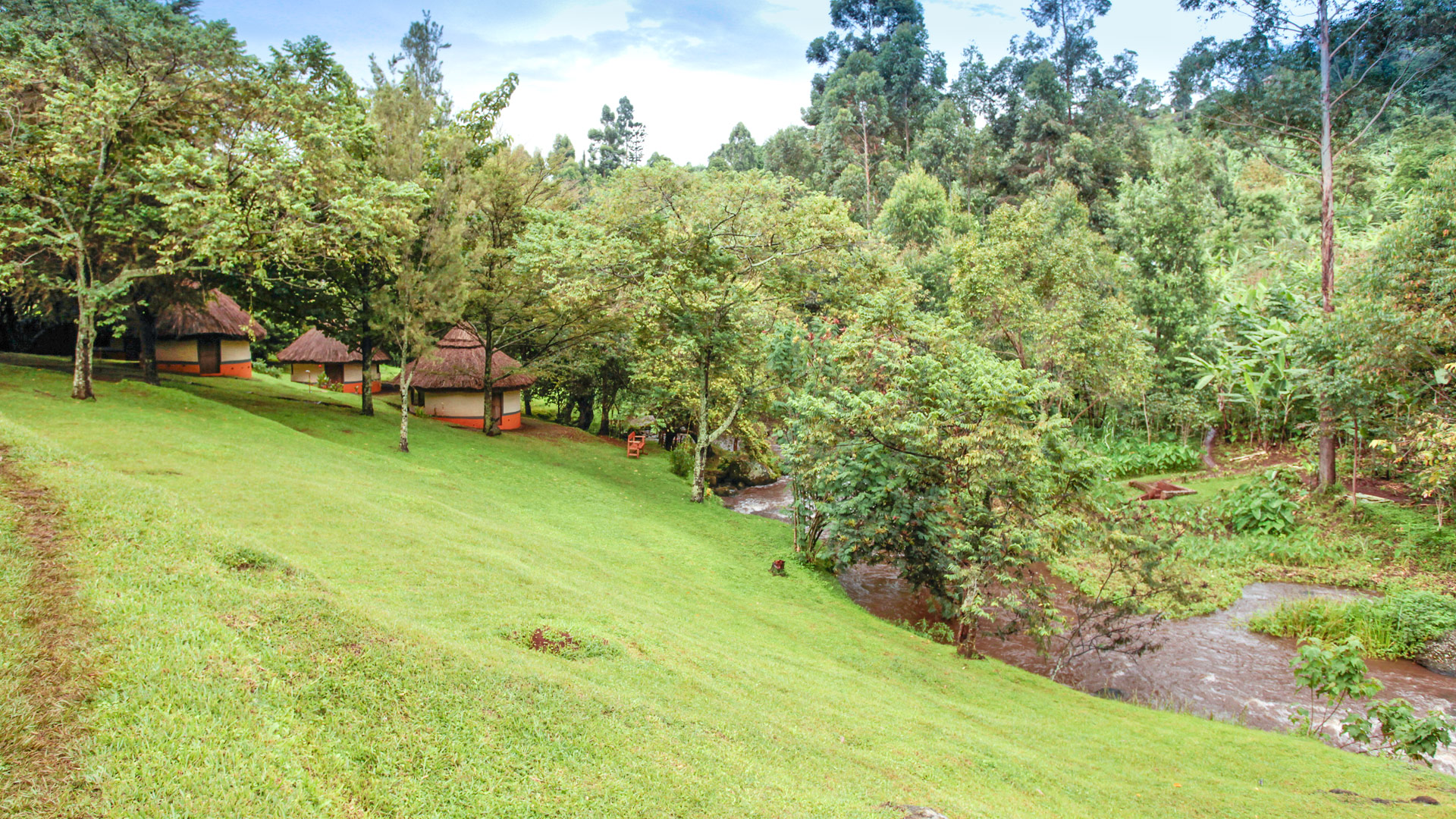
Accommodation at Sipi Falls
Sipi Falls covers a good range of accommodation styles and budgets, making it easy to fold into either a budget-friendly or more upscale Uganda safari itinerary. For a broader look at where to stay across the country, see our guide to Uganda safari lodges.
- Sipi River Lodge — a luxury eco-lodge with stunning falls views, comfortable cottages, and excellent dining
- Lacam Lodge — rustic charm, close to the main waterfall
- Crow’s Nest Camp — a budget-friendly campsite with basic facilities
- Noah’s Ark Hotel — mid-range, with spacious rooms and great views
- Twisted Fork Lodge — modern amenities for travelers who want more comfort
Sipi Falls Entrance Fee
There’s typically no general park entrance fee, since the falls sit on community land rather than inside a formally gazetted park — but fees do apply to guided hikes and specific activities:
- Guided Sipi Falls hike: foreign tourists $15–$25 per person; East African residents UGX 30,000–50,000; Ugandan citizens UGX 10,000–20,000
- Abseiling: roughly $50 per person
These fees generally support local community initiatives and conservation. It’s worth carrying cash, since digital payments aren’t always accepted here, and confirming current rates with your guide or lodge before you go.
Chebonet Falls: A Hidden Gem Near Sipi
Chebonet Falls is a lesser-known site close to Sipi, still within Kapchorwa District, offering a quieter, less-crowded alternative with its own striking waterfall views.
- Scenic beauty: surrounded by lush greenery, with the falls tumbling into a calm, photogenic pool
- Trekking: reaching Chebonet involves a guided trek through the hills and valleys of the Sebei region, with views over terraced farmland and mountains along the way
- Cultural experience: the trail passes through local villages, giving you another chance to connect with the Sebei community
- Waterfall viewing: a peaceful spot ideal for slowing down and taking in the scenery
Best time to visit: the dry seasons — December to March and June to September — offer the easiest trekking conditions, with drier trails and more predictable weather. If you’re already planning a Sipi trip, adding Chebonet Falls to the itinerary is well worth the extra half-day.
The waterfalls do run noticeably more dramatic during the rainy seasons (March–May and September–November), when higher water flow makes for a more powerful spectacle, even if the trails get muddier.

Why Visit Sipi Falls?
- Spectacular scenery — lush vegetation, rolling hills, and cascading waterfalls make for a genuinely postcard-perfect setting.
- Hiking opportunities — guided treks take you through rugged terrain to all three waterfalls.
- Coffee tours — learn how Arabica coffee is farmed and processed, then taste it freshly brewed.
- Cultural experiences — meet the Sebei people and get a real sense of their traditions.
- Adventure activities — abseiling, rock climbing, and nature walks for the more adrenaline-driven traveler.
- Tranquility — a genuinely serene escape from the pace of Kampala or the busier national parks.
Can You Swim in Sipi Falls?
The main waterfall itself isn’t safe for swimming, given its height and strong currents, but the smaller falls and natural pools nearby offer a genuine chance for a refreshing dip — always with a local guide’s input on where it’s safe.
Why Is There No Fish in Sipi Falls?
The Sipi River’s fast currents and steep terrain create conditions that most fish species simply can’t handle, and the river’s volcanic origins likely shape its ecosystem in ways that limit aquatic life more broadly.
How to Get to Sipi Falls
From Kampala, the drive to Sipi Falls takes around 5 to 6 hours, passing through Jinja — Uganda’s adventure sports capital, worth a stop in its own right — as well as Mbale and Kapchorwa. Buses and shared taxis run this route, but private transport is the more comfortable, convenient option for most travelers.
Packing List for Sipi Falls
- Hiking boots
- Raincoat or poncho
- Insect repellent
- Camera
- Water bottle
- Snacks
- Sunscreen and a hat
Extend Your Trip Beyond Sipi Falls
Sipi Falls pairs naturally with a longer Uganda safari, especially for travelers exploring the country’s eastern and northern circuit — Kidepo Valley National Park and Murchison Falls National Park are both realistic add-ons depending on your route and time. If you’re departing from Kampala and want a single trip that combines Sipi with a full wildlife circuit, our 5 Days Uganda Safari is a strong starting point, and travelers with more time often round out the trip with gorilla trekking in Bwindi. Contact Uganda Wildlife Tours today, and we’ll help you build Sipi Falls into a complete Uganda adventure.
Sipi Falls FAQs
1. Where is Sipi Falls located in Uganda?
Sipi Falls is located near Kapchorwa in eastern Uganda, on the northeastern slopes of Mount Elgon. It is a popular destination for hiking, photography, nature walks, and cultural experiences.
2. How many waterfalls make up Sipi Falls?
Sipi Falls consists of three main waterfalls, each at a different elevation along the slopes of Mount Elgon. The waterfalls offer scenic views of cliffs, green hills, and surrounding valleys.
3. How high is Sipi Falls?
The tallest of the three Sipi Falls cascades drops approximately 100 metres. The other two waterfalls are shorter, creating distinct viewpoints and hiking experiences.
4. What is the best time to visit Sipi Falls?
The drier months, generally June to August and December to February, are often ideal for hiking and sightseeing. The rainy seasons bring lush vegetation and stronger water flow, but trails may become slippery.
5. How much does it cost to visit Sipi Falls?
The cost depends on the activities you choose, including guided hikes, accommodation, transport, and community experiences. Visitors should confirm current entrance and guide fees with local tourism operators before travelling.
6. Can you hike to all three Sipi Falls?
Yes, visitors can take guided hikes connecting all three waterfalls. The routes involve uneven terrain, steep slopes, and sometimes muddy trails, so comfortable hiking shoes and a local guide are recommended.
7. Can you swim at Sipi Falls?
Swimming may be possible in certain areas when local conditions permit, but it is not safe everywhere. Strong currents, slippery rocks, and deep pools can pose risks. Always consult a local guide before entering the water.
8. How long does it take to explore Sipi Falls?
A guided hike covering the three waterfalls typically takes around three to four hours, depending on your pace, route, weather, and time spent at each viewpoint. Visitors who want to explore the surrounding area may spend a full day or longer.
9. Is Sipi Falls suitable for beginners?
Yes, visitors with a reasonable level of fitness can enjoy Sipi Falls, but some trails are steep and physically demanding. Travellers should choose a route suited to their fitness level and request a slower-paced hike if necessary.
10. What activities can you do at Sipi Falls besides hiking?
Besides hiking, visitors can enjoy abseiling, photography, birdwatching, local coffee tours, cultural visits, and scenic nature walks. Availability of adventure activities depends on local operators and weather conditions.
11. Can you go abseiling at Sipi Falls?
Yes, abseiling is offered by adventure operators in the Sipi Falls area, allowing participants to descend rocky cliffs using ropes and safety equipment. Book with an experienced operator that provides appropriate equipment, trained guides, and safety briefings.
12. Is Sipi Falls worth visiting on a Uganda safari?
Yes, Sipi Falls is an excellent addition to a Uganda safari for travellers interested in scenery, hiking, and cultural experiences beyond traditional wildlife viewing. It can be combined with a visit to Mount Elgon National Park or an eastern Uganda road trip.
13. Where can you stay when visiting Sipi Falls?
Accommodation around Sipi Falls ranges from budget guesthouses and campsites to midrange lodges and scenic retreats overlooking the waterfalls and Mount Elgon foothills. Booking ahead is advisable during busy travel periods.
14. Can you visit Sipi Falls without a guide?
Although visitors can reach the Sipi area independently, hiring a local guide is recommended for waterfall hikes. Guides help with navigation, explain local culture, and identify safer routes across steep or slippery terrain.
15. What should you pack for a Sipi Falls hike?
Pack sturdy hiking shoes, drinking water, a rain jacket, sunscreen, insect repellent, a camera, and a small backpack. A walking stick may also be helpful on steep or muddy sections of the trail.
16. How far is Sipi Falls from Kampala?
Sipi Falls is approximately 275–300 kilometres by road from Kampala, depending on the route. The drive usually takes around five to seven hours, depending on traffic, road conditions, and stops along the way.
17. Can you visit Sipi Falls during the rainy season?
Yes, Sipi Falls can be visited during the rainy season, when the surrounding landscape is especially green and the waterfalls may carry more water. However, heavy rain can make trails slippery, so check weather conditions and follow local safety advice.
18. What makes Sipi Falls different from Murchison Falls?
Sipi Falls consists of three scenic waterfalls on the slopes of Mount Elgon and is best known for hiking and outdoor adventures. Murchison Falls is located on the Victoria Nile in Murchison Falls National Park, where the river forces its way through a narrow gorge. The two destinations offer very different experiences.
Conclusion
Sipi Falls is a genuine gem in Uganda’s tourism landscape, blending adventure, nature, and culture in a way few other sites in the country manage. Whether you’re after thrilling activities, quiet scenery, or an authentic cultural encounter, this eastern Uganda landmark delivers.