
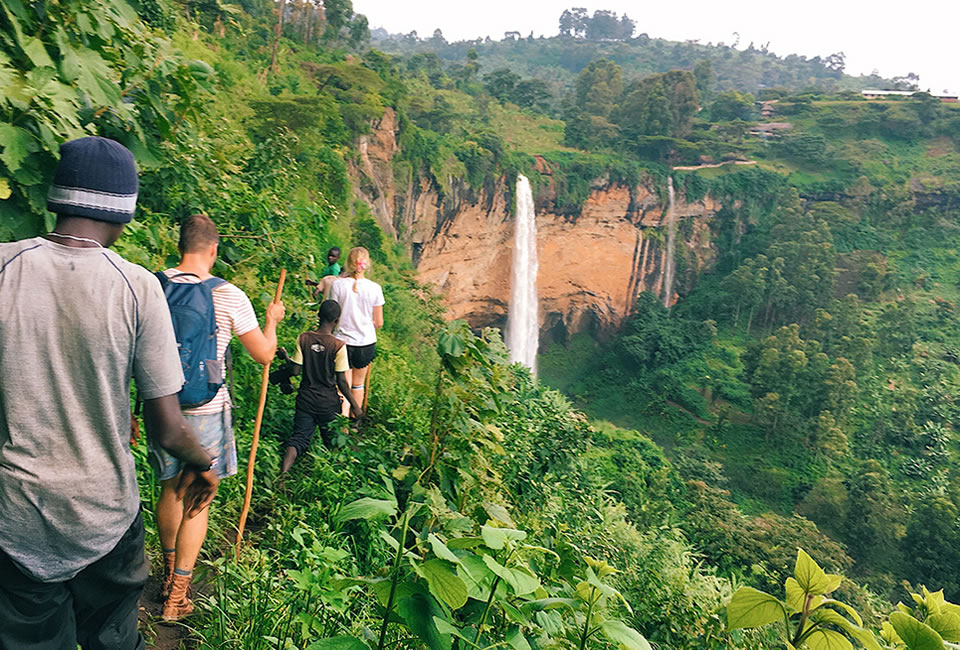
Is Uganda Safe for Tourists in 2026? — The Honest, Complete Answer
Everything travellers need to know about safety in Uganda before booking a gorilla safari, wildlife tour, or cultural trip
Yes — Uganda is safe for tourists in 2026. That is the direct answer, and it deserves to be stated clearly before anything else, because the misconceptions that surround Uganda safety often stop travellers from booking the most extraordinary wildlife experience in East Africa.
Uganda is not the country of its 1970s history books. It is not the Congo. It is not a conflict zone. In 2026, Uganda is a stable, welcoming, and functionally well-organised country that receives hundreds of thousands of international tourists annually — including families with children, solo female travellers, elderly visitors, and first-time Africa travellers — the vast majority of whom return home having experienced not a single safety incident.
At the same time, safe travel in Uganda is not the same as risk-free travel. Uganda has specific areas of elevated concern, specific petty crime patterns in urban areas, specific health risks that require preparation, and specific regions near the DRC and South Sudan borders where travel is not recommended.
Understanding the distinction between Uganda’s genuinely safe tourist zones and its genuinely risky border areas is the most important safety knowledge any Uganda traveller can have.
This guide gives you an honest, comprehensive, and up-to-date answer to “is Uganda safe for tourists?” — covering Kampala street safety, national park security, gorilla trekking safety, transport risks, health and wildlife hazards, LGBTQ+ safety considerations, and practical safety tips for every type of Uganda traveller.
You will find the information here that your travel insurance company will not give you and that most Uganda tourism websites are too commercially motivated to share honestly.
Uganda’s Overall Safety Rating for Tourists in 2026
Most Western government travel advisories — including the UK’s FCDO, the US State Department, and Australia’s Smartraveller — categorise Uganda at a Level 1–2 advisory (exercise normal precautions to exercise increased caution) for the main tourist regions. This is comparable to the advisory level applied to many popular European and Southeast Asian travel destinations.
Specific areas near Uganda’s western and northern borders with the Democratic Republic of Congo and South Sudan carry Level 3 or 4 advisories (reconsider travel / do not travel) from several governments. These border regions are not on any standard Uganda tourist itinerary and are not areas that Uganda Wildlife Tours or any reputable operator takes clients.
For the regions that matter to Uganda’s tourist circuit — Kampala, Entebbe, Jinja, Bwindi Impenetrable National Park, Kibale National Park, Queen Elizabeth National Park, Murchison Falls National Park, and Lake Bunyonyi — the safety picture for 2026 is genuinely positive.
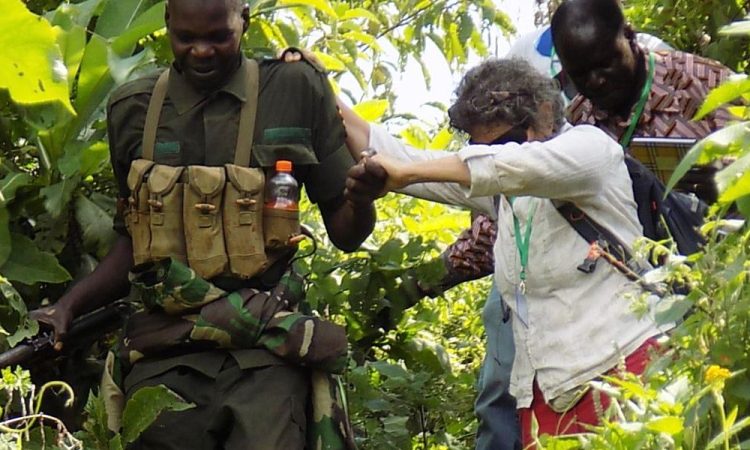
Terrorist attacks in these areas are rare historical events rather than ongoing risks. Violent crime targeting tourists is uncommon. Safari activities in Uganda’s national parks take place under Uganda Wildlife Authority (UWA) supervision with professional armed ranger escorts on gorilla treks.
Is Kampala Safe for Tourists? What to Know About Uganda’s Capital
Kampala is Uganda’s capital and the entry point for most international tourists arriving through Entebbe International Airport. It is a bustling, energetic East African city of over 3 million people — not a crime-free paradise, but far safer for tourists than its regional reputation sometimes suggests.
Petty Crime in Kampala
The primary safety risk for tourists in Kampala is petty theft and opportunistic street crime — pickpocketing in crowded areas, bag snatching near markets and bus parks, and phone theft in traffic congestion. These are the same risks present in virtually every large East African city and are entirely manageable with basic situational awareness.
The areas of highest petty crime concentration in Kampala are Owino Market, the taxi parks (Old and New), Kikuubo trading area, and Garden City area at night. Tourists walking in these areas with expensive cameras, phones visible, or bags that are easily accessible are more vulnerable than those moving purposefully with valuables stored safely.
The Kampala City experience — including cultural visits, restaurant dining, gallery exploration, and the Kasubi Tombs — is genuinely enjoyable and safe for tourists who use common sense: use registered taxis or Bolt/SafeBoda ride-hailing apps rather than unmarked vehicles, keep phones in pockets or bags rather than displayed, avoid walking alone after dark in unfamiliar areas, and leave expensive jewellery at the hotel.
Is Kampala Safe at Night?
Kampala has a vibrant nightlife in specific areas — Kololo, Nakasero, and the areas around Acacia Avenue and Centenary Park have established restaurant and bar scenes that are safe for tourists in groups. Walking alone in Kampala at night is inadvisable regardless of your gender; using a Bolt or SafeBoda app ride is always the correct choice after dark.
Is Gorilla Trekking in Uganda Safe?
Gorilla trekking in Uganda is extremely safe for the vast majority of participants, and the question is worth addressing directly because it is one of the most common safety concerns expressed by prospective Uganda safari visitors.
Gorilla safaris in Uganda take place in Bwindi Impenetrable National Park and Mgahinga Gorilla National Park under the full supervision of Uganda Wildlife Authority rangers. Every gorilla trekking group is accompanied by at least one armed UWA ranger in addition to the lead guide and trackers.
The rangers are present not because gorilla encounters are dangerous but as a precautionary measure during forest walks in the DRC border region.
Mountain gorillas in Uganda’s habituated families are accustomed to human presence. The gorilla families open to tourism have been through a years-long habituation process and are comfortable with supervised groups. Gorillas are not aggressive toward visitors under normal conditions — a group spending one hour with a gorilla family in Bwindi will typically experience the gorillas at rest, feeding, playing, and going about their natural activities entirely unbothered by human observers.
The 7-metre minimum approach distance exists primarily to protect the gorillas from human disease transmission, not to protect humans from gorilla aggression. Guides and rangers are experienced in managing the rare instances where a silverback chest-beats or bluff charges — the correct response (staying still, crouching, avoiding eye contact) is briefed thoroughly before every trek begins.
For the 3 Days Gorilla Trekking Safari and the 3 Days Gorilla Habituation experience (where visitors spend four hours with a gorilla family still undergoing the habituation process), the UWA ranger and guide presence is constant throughout and the experience is managed by professionals with extensive field experience.
The 2019 Bwindi Kidnapping — What Tourists Need to Know
The 2019 kidnapping of two American tourists in Bwindi National Park is occasionally raised as a safety concern by prospective Uganda visitors.
This was a genuine and serious incident involving armed groups crossing from the DRC. In the years since, UWA has significantly strengthened security protocols throughout Bwindi, including increased armed ranger presence, improved communication systems, and enhanced perimeter monitoring.
The incident remains historically isolated — gorilla trekking in Bwindi has continued without comparable incident since, and hundreds of thousands of tourists have trekked safely in the years following.
This context matters: one serious incident in decades of gorilla trekking, with significantly enhanced security measures implemented immediately following — this is not a pattern of recurring danger but a single event that prompted appropriate institutional response.
Are Uganda’s National Parks Safe for Wildlife Safaris?
Uganda’s major national parks — Queen Elizabeth National Park, Murchison Falls National Park, Kibale National Park, Lake Mburo National Park, and Kidepo Valley National Park — are all safe for tourist game drives, boat cruises, and guided activities in 2026.
Queen Elizabeth National Park is one of Uganda’s most visited parks and has a well-established safari infrastructure with lodges, UWA ranger stations, and regular game drive circuits. The 6 Days Uganda Gorilla and Wildlife Safari that combines Bwindi gorilla trekking with Queen Elizabeth game drives and Kazinga Channel boat cruises is one of Uganda Wildlife Tours’ most popular packages precisely because both areas operate safely and reliably.
Murchison Falls National Park is Uganda’s largest park and extremely safe for game drives and Nile boat cruises. The park sits in Uganda’s northwest — away from any border risk zones — and the 5 Days Gorillas and Murchison Falls Safari represents a well-trodden, well-supported safari circuit with no current security concerns.
Kibale National Park — home to Uganda’s famous chimpanzee population and the starting point for the 5 Days Kibale and Bwindi Gorilla Safari — is safe and well-managed. Kibale’s proximity to western Uganda’s towns means good road access and reliable communication throughout.
Kidepo Valley National Park in Uganda’s remote northeast is the most remote of Uganda’s major parks and has historically been the most logistically demanding to access.
The region near the South Sudan border requires awareness, and Uganda Wildlife Tours recommends fly-in access for Kidepo rather than the extended road journey. Within the park itself, game drives and guided activities are safe and professionally managed.
Is Jinja Safe for Tourists? Uganda’s Adventure Capital
Jinja — Uganda’s second city, located at the source of the Nile approximately 80 kilometres from Kampala — is one of the safest tourist destinations in Uganda and one of East Africa’s premier adventure tourism hubs.
The city’s white-water rafting, kayaking, bungee jumping, quad biking, and source-of-the-Nile boat tours attract thousands of international tourists annually with an extremely strong safety record.
The adventure tourism operators working on the Nile at Jinja are experienced, well-equipped, and operate with international safety standards. White-water rafting fatalities are rare and are invariably associated with non-compliance with operator safety instructions rather than operator failure.
Petty theft awareness is the primary concern in Jinja town itself, as with Kampala — use common sense with valuables and prefer reputable accommodation providers in the Jinja main strip and tourist quarter. The countryside around Jinja and the Nile river corridor is relaxed, welcoming, and genuinely charming.

Is Uganda Safe for Solo Female Travellers?
This is one of the most-searched safety questions from prospective Uganda visitors, and the honest answer is: yes, with appropriate awareness.
Uganda is more conservative than many Western countries in its social attitudes, and solo female travellers in rural areas may attract attention or unsolicited interaction that does not occur in urban tourist environments. This attention is rarely threatening — it is more typically curious or conversational — but it can be uncomfortable in unfamiliar settings.
The practical advice for solo female travellers in Uganda is consistent across traveller communities: use established tour operators and guided safari packages rather than independent unguided travel in rural areas; use Bolt or SafeBoda ride-hailing apps rather than unmarked taxis; dress modestly outside of tourist lodge environments; and avoid walking alone after dark in Kampala.
Within the context of a guided Uganda safari — whether a 7 Days Uganda Primate Safari or a 4 Days Gorilla and Chimpanzee Tour — solo female travellers are completely safe. Safari lodges are secure environments, guides are professional and protective, and Uganda Wildlife Authority rangers are present throughout all forest trekking activities.
LGBTQ+ Safety in Uganda
This section is included because it affects a significant number of prospective Uganda visitors and honest travel guides do not omit it.
Uganda passed the Anti-Homosexuality Act in 2023, which introduced severe legal penalties for same-sex relationships and public advocacy. The law has been internationally condemned and creates a genuinely hostile legal environment for LGBTQ+ individuals. Same-sex relationships are criminalised, and LGBTQ+ travellers face real legal risk if they make their identity public.
In practice, most international LGBTQ+ travellers who visit Uganda on wildlife safaris and keep their private lives private have reported no direct incidents. However, the legal environment means that LGBTQ+ travellers cannot make their identity public in Uganda without legal risk, public displays of affection between same-sex couples should be avoided, and travel insurance should be reviewed for coverage in jurisdictions with anti-LGBTQ+ laws.
This is a situation where each traveller must make an informed personal decision about whether to visit. Uganda Wildlife Tours presents this information as factual context without editorial judgment.
Health Safety in Uganda — What Tourists Need to Know
Beyond security, Uganda presents specific health considerations that every tourist needs to address before travel:
Malaria is present throughout Uganda including all national park areas. Antimalarial medication (Malarone, Doxycycline, or Mefloquine) is essential and should be discussed with your travel health clinic at least 6 weeks before departure.
Yellow fever vaccination is mandatory for entry from endemic countries and strongly recommended for all visitors regardless of origin.
Drinking water — do not drink tap water anywhere in Uganda. Bottled water is widely available. Lodges on Uganda Wildlife Tours’ safari itineraries all provide safe drinking water as standard.
Altitude sickness is relevant for the 7 Days Rwenzori Mountaineering Safari — the Rwenzori Mountains reach 5,109 metres (Mount Stanley) and proper acclimatisation, fitness preparation, and awareness of altitude sickness symptoms are important for this specific activity.
Wildlife encounters — the greatest wildlife safety risk for tourists in Uganda is not the big game but encounters with hippos near water. Hippos are responsible for more human fatalities in sub-Saharan Africa than any other large mammal, and boat cruises on the Kazinga Channel, the Victoria Nile at Murchison, and Lake Bunyonyi should always be conducted with an experienced guide. Never approach hippos on foot near water.
Road Safety in Uganda — An Underappreciated Risk
Road traffic accidents are statistically the greatest safety risk for tourists in Uganda — as they are in most of sub-Saharan Africa. Uganda’s road network outside the main highways varies significantly in quality, road conditions after rain can be challenging, and driving standards differ from those in Western countries.
The mitigation is straightforward: use a reputable safari operator with professional drivers and well-maintained vehicles. All vehicles used by Uganda Wildlife Tours are regularly maintained, driven by professional licensed safari drivers with extensive national park route experience, and covered by appropriate passenger insurance.
Avoid boda-boda motorcycle taxis in Uganda for non-essential journeys — they are the vehicle type most frequently involved in serious accidents on Ugandan roads and represent a disproportionate injury risk for tourists unfamiliar with local traffic.

Practical Uganda Safety Tips — A Quick Reference for 2026 Tourists
In Kampala and cities:
- Use Bolt or SafeBoda ride-hailing rather than unmarked taxis
- Keep phones, cameras, and valuables in bags rather than displayed
- Avoid walking alone after dark in unfamiliar areas
- Use ATMs inside banks or shopping malls rather than street machines
- Carry a photocopy of your passport rather than the original document
In national parks:
- Follow UWA ranger and guide instructions at all times
- Never approach wildlife independently — always stay with your guide
- Do not leave your vehicle during game drives without ranger permission
- Maintain the 7-metre distance from gorillas and follow pre-trek briefing instructions
- Carry a fully charged phone and know your lodge’s emergency contact
For health:
- Take prescribed antimalarial medication daily without skipping doses
- Use DEET insect repellent and wear long sleeves after dusk
- Drink only bottled or lodge-provided filtered water
- Carry a basic first-aid kit including oral rehydration salts and antihistamines
- Have comprehensive travel insurance including medical evacuation cover
General:
- Book your safari through an established, licensed operator like Uganda Wildlife Tours
- Register your trip with your government’s travel advisory service before departure
- Keep your tour operator’s contact details saved offline on your phone
- Share your itinerary with a contact at home before travelling
Should You Visit Uganda?
Uganda is one of the most rewarding travel destinations in Africa — genuinely, not as marketing copy. The combination of mountain gorillas in Bwindi, chimpanzees in Kibale, tree-climbing lions in Ishasha, Murchison Falls on the Victoria Nile, and the extraordinary biodiversity of Bwindi Impenetrable National Park makes it one of the most wildlife-rich countries per square kilometre on the continent.
Is Uganda safe for tourists? Yes — for travellers who prepare properly, book through reputable operators, follow professional guide instructions in the parks, and apply the same situational awareness they would use in any unfamiliar urban environment. The risks are specific and manageable, not pervasive or random.
Uganda Wildlife Tours has been operating Uganda safaris for tourists from the UK, USA, Europe, and beyond — consistently, safely, and with the professional infrastructure that transforms Uganda from a trip people consider into a trip people take, and eventually return for.
Related Pages — Plan Your Safe Uganda Safari with Uganda Wildlife Tours
- Home — Uganda Wildlife Tours
- Gorilla Safaris — Best Uganda Gorilla Trekking Tours 2026
- 1 Day Gorilla Trekking Uganda
- 2 Days Uganda Safari
- 2 Days Silverback Gorilla Safari
- 3 Days Gorilla Habituation — Bwindi
- 3 Days Gorilla Trekking Safari
- 4 Day Gorillas and Lake Bunyonyi Safari
- 4 Days Gorilla and Chimpanzee Tour
- 4 Days Uganda Wildlife Safari
- 5 Days Gorillas and Murchison Falls Safari
- 5 Days Kibale and Bwindi Gorilla Safari
- 6 Days Uganda Gorilla and Wildlife Safari
- 6 Day Uganda Gorilla and Golden Monkey Trekking Adventure
- 6 Days Uganda Budget Safari
- 6 Days Uganda Primate Safari
- 7 Days Uganda Cultural and Gorilla Safari
- 7 Days Uganda Primate Safari
- 7 Days Uganda Safari
- 7 Days Uganda Wildlife Safari
- 7 Days Rwenzori Mountaineering Safari
- 8 Days Uganda Safari
- 9 Days Uganda Wildlife Safari
- 10 Days Uganda Safari
- Long Uganda Safaris — Full Range
- Bwindi Impenetrable National Park — Complete Guide
- Accommodations in Bwindi Impenetrable National Park
- Adventure Tourism in Jinja — Nile Activities Guide
- Kampala City — Uganda’s Capital Guide
- Waterfalls in Uganda
- Batwa Pygmies — Cultural Uganda Experience
- Contact Uganda Wildlife Tours

