
What do Giraffes Eat – A Fascinating Insight
What do Giraffes Eat: Giraffes are herbivores with a highly specialized diet shaped by their extraordinary anatomy. Here’s everything you need to know:
What Giraffes Eat
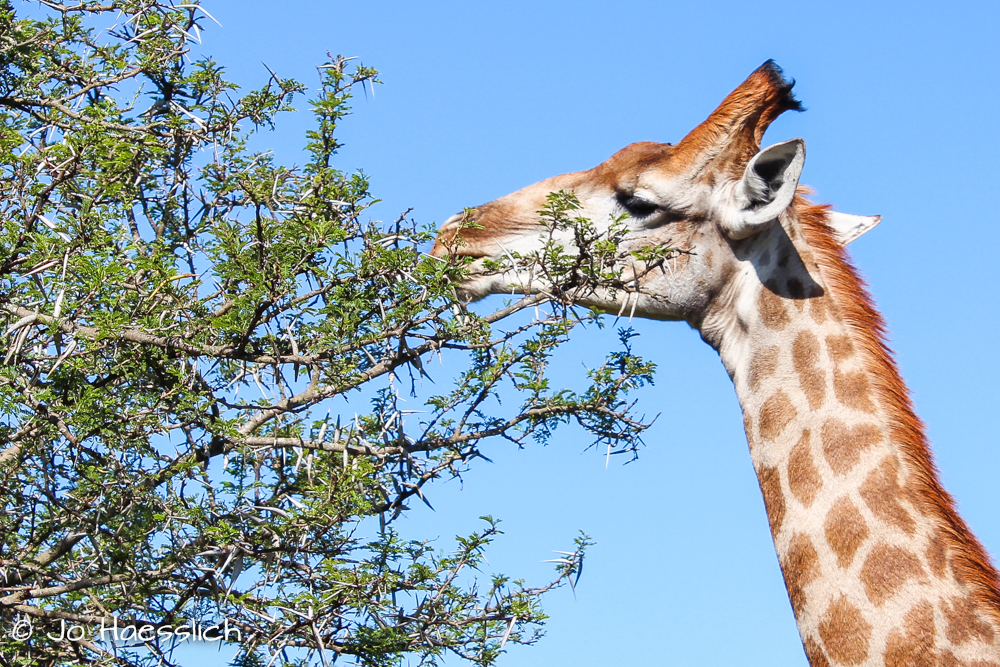
Giraffes feed almost exclusively on leaves, flowers, fruits, and seed pods from trees and shrubs. Their absolute favourite food is the acacia tree — particularly species like Acacia tortilis and Vachellia varieties — which makes up the bulk of their diet across most of sub-Saharan Africa. They also eat:
- Leaves and shoots of mimosa, combretum, and terminalia trees
- Wild apricot and fig leaves and fruits when available
- Flowers and seed pods (high in protein and fat)
- Occasionally grass, though this is rare and awkward given their body proportions
- Bark during dry seasons when leaves are scarce
- Soil and bones occasionally — a behaviour called osteophagia — to supplement mineral intake (calcium and phosphorus)
How They Feed: The Anatomy of a Giraffe Meal
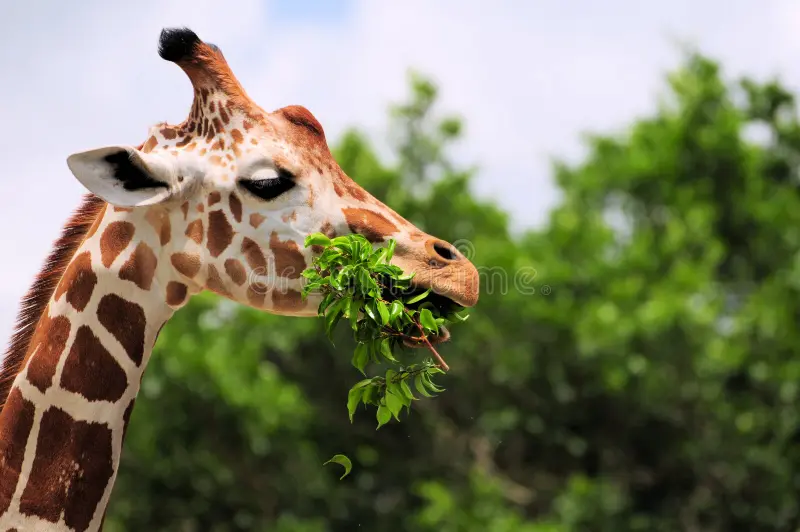
The giraffe’s feeding equipment is as remarkable as its height. Their prehensile tongue — blue-black in colour and up to 45–50 cm (18 inches) long — wraps around branches and strips leaves with impressive precision.
The dark pigmentation is thought to protect it from sunburn during the long hours spent feeding in direct sunlight.
Their lips are tough and leathery, allowing them to handle thorny acacia branches without injury. The upper lip is particularly mobile and dexterous, working almost like a finger to select specific leaves.
Their teeth and jaw structure are adapted for a browser diet — the front incisors crop vegetation while the molars grind it down efficiently.
How Much They Eat
An adult giraffe consumes between 30 and 34 kg (65–75 lbs) of food per day, spending up to 16 to 20 hours feeding. Because leaves are relatively low in caloric density, giraffes essentially need to eat almost constantly when not resting. They are ruminants — like cows — meaning they have a multi-chambered stomach and regurgitate their food to chew the cud, maximising nutrient extraction from tough plant material.
Water and Drinking
Giraffes get most of their moisture from the leaves they eat, which means they can go several days without drinking standing water — a useful adaptation in arid savannah environments.
When they do drink, the process is dangerous and awkward: they must splay or bend their front legs dramatically to reach a water source, leaving them vulnerable to predators.
This vulnerability means giraffes are extremely cautious around waterholes and prefer to get hydration through their food wherever possible.
Seasonal and Regional Diet Variation
Diet shifts with the seasons. During the wet season, when trees are in full leaf, giraffes have abundant choice and tend to be more selective — picking the most nutritious new growth.
During the dry season, they become less selective, feeding on bark, dried seed pods, and whatever foliage remains, sometimes walking large distances to find food.
In East Africa, giraffes in Uganda (like the Rothschild’s giraffe of Murchison Falls) and across Kenya and Tanzania follow these same seasonal patterns closely tied to rainfall cycles.
Why They Prefer Acacia
Acacia trees are the cornerstone of the giraffe diet for several reasons. They are abundant across the African savannah, they retain leaves longer into the dry season than many other trees, and their leaves are nutritionally dense.
The relationship between giraffes and acacias is also a fascinating evolutionary arms race — acacias produce tannins in response to browsing, making the leaves increasingly bitter, which encourages giraffes to move on to the next tree rather than stripping one completely.
Giraffes appear to have learned this and typically move downwind to their next feeding tree, avoiding the chemically-warned neighbours.
Diet in Captivity
In zoos and wildlife centres, giraffes are fed a diet designed to approximate their wild intake: browse (fresh branches and leaves), hay, specially formulated giraffe pellets, and supplemental fruits and vegetables.
Keepers take care to avoid foods high in sugar, which can cause digestive problems in an animal evolved for a lean, fibrous diet.
If you are hoping to see giraffes feeding in the wild — including Uganda’s rare Rothschild’s giraffe, one of the most endangered giraffe subspecies in the world — Murchison Falls National Park in Uganda is one of the finest places on Earth to watch them browse at eye level from an open safari vehicle. Uganda Wildlife Tours runs Murchison Falls safaris year-round. Contact us to plan your trip.


https://shorturl.fm/TBOQl