
Chimpanzee Civil War in Uganda: The Ngogo Conflict Explained
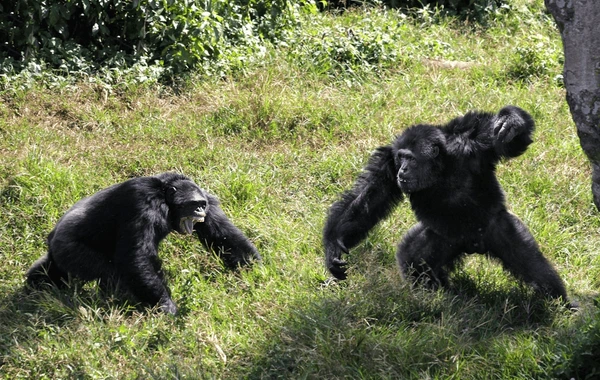
Chimpanzee Civil War in Uganda: Deep in Kibale National Park, scientists witnessed one of the most intense animal conflicts ever recorded—a prolonged “civil war” among Chimpanzee communities.
What began as a peaceful, thriving society of nearly 200 chimpanzees in Uganda’s lush rainforest erupted into years of lethal violence. Former friends turned enemies.
Coordinated raids replaced grooming sessions. Infants and adult males were killed in brutal attacks. This is the Ngogo chimpanzee war—the chimpanzee civil war Uganda that has stunned primatologists worldwide.
Where It Happened: The Famous Ngogo Chimpanzee Project
The conflict unfolded in Kibale National Park, western Uganda, at the heart of the Ngogo study site. The Ngogo Chimpanzee Project, launched in 1995 by researchers John Mitani and David Watts, is one of the longest-running wild chimpanzee studies on Earth.
Ngogo is renowned for hosting the world’s largest known chimpanzee community—once over 200 strong—in a pristine, food-rich rainforest that has allowed scientists to observe natural behaviors without human interference like feeding stations.
For three decades, the project has delivered groundbreaking insights into chimpanzee social life, hunting, tool use, and now, sadly, large-scale internal conflict.
The Ngogo chimpanzees live in a hilly, forested landscape that supports abundant fruit, yet even this paradise couldn’t prevent the split.
What Was the Chimpanzee Civil War?
The Ngogo chimpanzee conflict was not a simple fight—it was a full fission of one community into rival groups that then waged organized territorial attacks on each other.
Chimpanzees normally live in fluid communities but maintain peace through grooming, alliances, and shared territory.
At Ngogo, the once-unified group fractured permanently. Two factions—known as the Western Ngogo chimpanzees and the Central Ngogo chimpanzees—emerged, stopped sharing space, and began lethal raids.
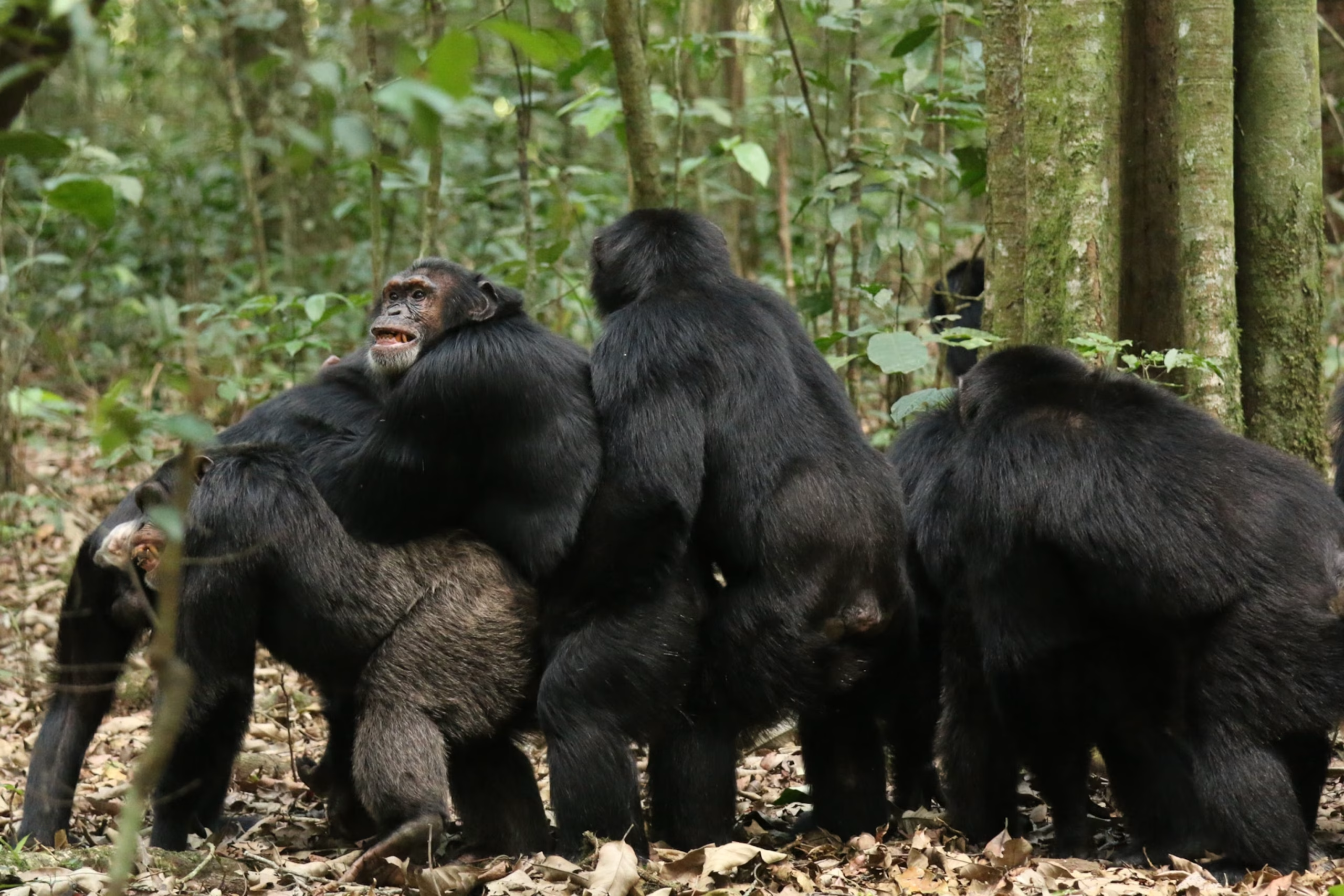
Unlike typical inter-community clashes between strangers, these were former allies attacking each other. The violence included coordinated patrols, ambushes, and killings—behavior eerily similar to human civil war. By 2026, researchers had documented at least 28 deaths, including 17 infants.
Causes of the Conflict
Several factors triggered the Ngogo chimpanzee war:
- Territory expansion and resource pressure: Even in a productive forest, large group size led to subtle competition for prime feeding areas. Fruit availability fluctuates, straining social bonds in an oversized community.
- Competition for food: The Ngogo group’s rapid growth (thanks to abundant resources) may have increased feeding competition, a known driver of fission in primates.
- Mating dominance: Reproductive competition intensified. Before the split, key adult males died (possibly from disease), weakening social bridges between subgroups. A new alpha male rise in 2015 further disrupted alliances and heightened male-male rivalry.
Researchers believe the combination of oversized group dynamics, shifting hierarchies, and lost “bridge” individuals pushed the community past a tipping point.
Timeline of the War
The Ngogo chimpanzee conflict followed a clear, dramatic progression:
- Pre-2015: Unified harmony — One large community with Western, Central, and Eastern clusters that mingled, groomed, and patrolled together for decades.
- June 24, 2015: First cracks appear — Researchers witness sudden, intense aggression between Western and Central clusters. Social networks begin to polarize.
- 2015–2018: Gradual fission — Groups stop associating fully. Reproductive isolation sets in. Minor skirmishes increase.
- 2018 onward: Full civil war — Factions treat each other as enemies. Western group launches repeated lethal attacks on Central individuals. By 2024–2026, over 24 killings recorded, mostly Central victims (7 adult males + 17 infants).
- 2026 and ongoing: Western faction gains dominance and territory. Conflict continues, making this one of the longest and deadliest documented chimpanzee wars.
This timeline—spanning over a decade—makes the Ngogo chimpanzee conflict unique in primatology.
Behavioral Insights: Chimpanzee Intelligence on Display
The violence revealed remarkable chimpanzee intelligence and cooperation:
- Group cooperation: Western chimpanzees formed tight coalitions for raids, using strategic patrols and ambushes—behaviors once thought reserved for external enemies.
- Strategic attacks: Attackers targeted vulnerable individuals (often isolated males or mothers with infants), minimizing risk to themselves.
- Intelligence of chimps: Former grooming partners recognized old allies and chose sides. The shift from peaceful coexistence to lethal enmity shows sophisticated social cognition and memory.
These observations highlight how chimpanzees can maintain complex alliances—and how quickly those can turn deadly when group identity shifts.
Scientific Significance: Lessons from the Ngogo Chimpanzee Conflict
The Ngogo chimpanzee war is a scientific milestone. It is the first clearly documented case of a large, stable wild chimpanzee community splitting permanently and descending into sustained lethal conflict—without human provisioning. Researchers estimate such fissions occur roughly once every 500 years.
The findings, published in Science in 2026, challenge assumptions about what drives group violence. They show that relational breakdown alone—without language, ethnicity, or ideology—can spark war.
What This Teaches About Humans
The parallels to human conflict are striking. Like us, chimpanzees form deep bonds that can fracture under stress, leading to “us vs. them” thinking and organized violence.
The Ngogo case suggests that social polarization and resource pressures can override long-standing cooperation—insights relevant to understanding human civil wars, tribal conflicts, and even modern societal divisions. It reminds us that aggression and cooperation are two sides of the same evolutionary coin.
Can Tourists Visit This Area?
Yes! Kibale National Park remains one of Africa’s premier primate destinations and is completely safe for visitors. The Ngogo chimpanzees live deep in the park, but habituated groups near the park headquarters are tracked daily. Chimpanzee trekking offers an unforgettable experience in the same breathtaking rainforest where the conflict unfolded.
Cost of Chimp Trekking (Updated 2026 Rates)
- Chimpanzee tracking permit: USD $250 per person for foreign non-residents (includes guide and nature walk).
- Foreign residents: USD $200; East African citizens: UGX 180,000.
The experience is world-class: small groups of 6–8 trekkers follow expert guides through misty forests, often finding chimpanzees within minutes thanks to a 98%+ success rate. You’ll witness natural behaviors—feeding, grooming, and playful interactions—in their wild habitat.
FAQs – Chimpanzee Civil War in Uganda
What is the chimpanzee civil war?
It’s the ongoing Ngogo chimpanzee conflict in Uganda, where one community split into rival factions that began killing former group members.
Where did it happen?
In Kibale National Park at the Ngogo study site, home of the Ngogo Chimpanzee Project.
Why do chimpanzees fight?
Competition for territory, food, and mates, combined with large group size and shifting social hierarchies, triggered the split and violence.
Can tourists see chimpanzees in Uganda?
Absolutely. Kibale offers excellent chimpanzee trekking year-round with high success rates.
Chimpanzee behavior insights from Ngogo?
The conflict revealed advanced cooperation, strategic raiding, and how quickly alliances can dissolve—key to understanding primate (and human) social dynamics.
Experience Chimpanzees in Uganda with us today
Explore the fascinating world of chimpanzees with guided tracking safaris in Kibale Forest, one of Africa’s top primate destinations.
Whether you want to witness wild chimpanzee behavior up close or combine your trek with Uganda safaris to see gorillas, lions, and savanna wildlife, our expert team at Uganda Wildlife Tours Safari Ltd. makes it seamless.
Book your chimpanzee trekking adventure today and create memories that last a lifetime. Contact us for personalized itineraries, expert guides, and responsible wildlife tourism that supports conservation.
Visit our Uganda safaris page for more inspiration. Limited permits sell out fast—secure yours now!
Related Tour Packages;

