
Endangered Animals List 2026: Critically Endangered Species & Conservation Status
Endangered Animals List: Here is a focused list of some of the world’s most endangered animals as of 2026, drawn from IUCN Red List data and recent field surveys.
Over 48,600 species are currently threatened with extinction, with thousands classified as Critically Endangered (CR) — facing an extremely high risk of extinction in the wild.
This article highlights key examples across mammals, birds, reptiles, and marine life, including current population estimates, primary threats, and ongoing conservation efforts.
Below is an Endangered Animals List;
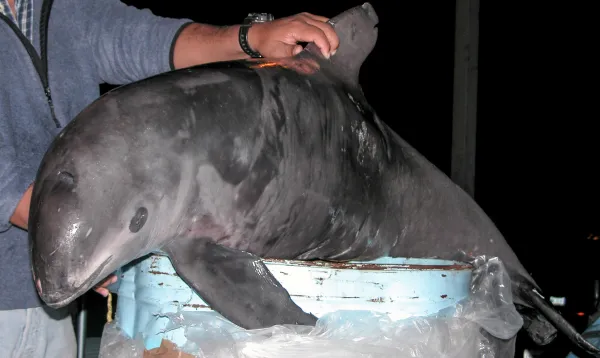
1. Vaquita (Phocoena sinus)
The vaquita, the world’s smallest and rarest marine mammal, tops the list of critically endangered animals. Found only in a tiny area of Mexico’s Gulf of California, the 2025 acoustic and visual surveys confirmed between 7 and 10 individuals remaining, with evidence of at least one or two new calves.
This represents a slight stabilization compared to previous years, but the population has declined over 99% since the 1990s.
Main threat: Entanglement in illegal gillnets used for totoaba fishing.
Conservation: International patrols, acoustic monitoring, and efforts to eliminate gillnet use continue, though enforcement challenges persist. Without zero bycatch, extinction remains a real risk in the near term.
2. Northern White Rhinoceros (Ceratotherium simum cottoni)
Only two females remain in the world, both under 24-hour armed protection in Kenya. This subspecies is functionally extinct in the wild, with no breeding males left.
Advanced reproductive technologies, including in vitro fertilization using stored sperm from deceased males, offer the only hope for future recovery.
Main threat: Poaching for rhino horn.
Conservation: Strict security and international collaboration on assisted reproduction.
3. Javan Rhinoceros (Rhinoceros sondaicus)
Approximately 50–75 individuals survive, all confined to Ujung Kulon National Park in Indonesia. This is one of the rarest large mammals on Earth.
Main threat: Habitat loss, volcanic activity risks, and potential disease or inbreeding.
Conservation: Park protection and monitoring; recent surveys suggest modest stability or slight growth in some reports.
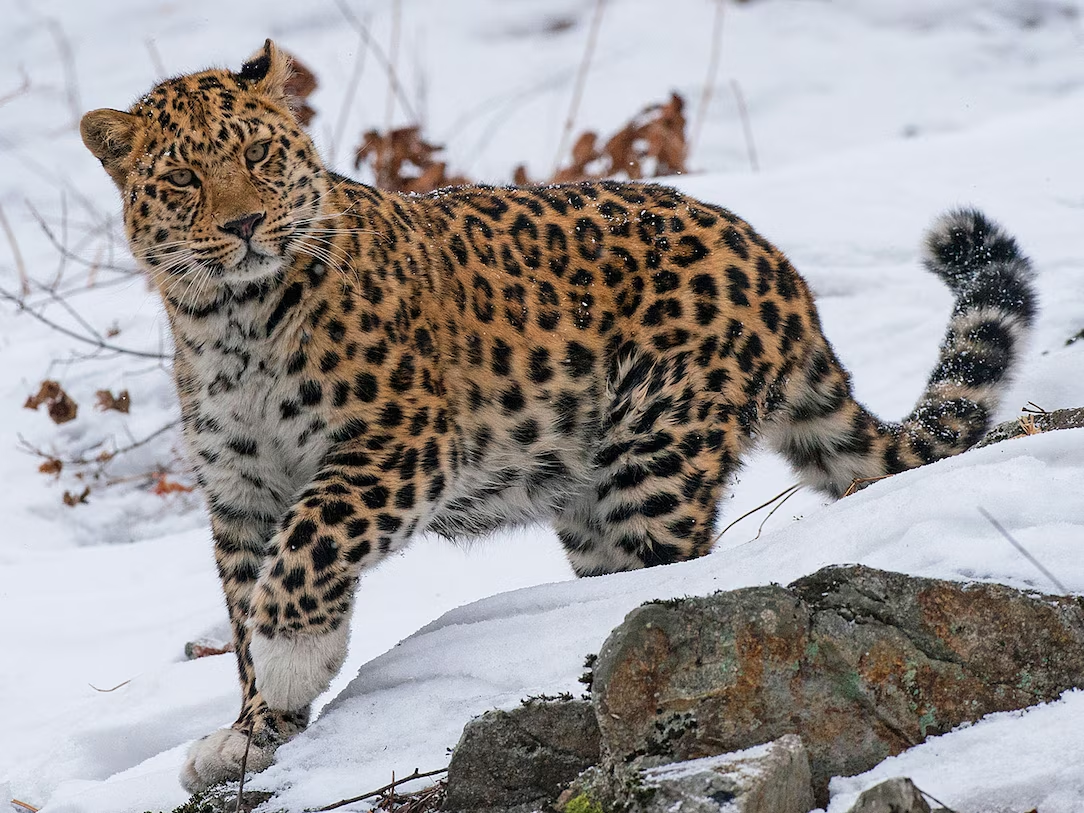
4. Amur Leopard (Panthera pardus orientalis)
Fewer than 130 individuals remain in the wild, primarily in the Russian Far East and bordering China. This big cat has the smallest wild population among leopard subspecies.
Main threat: Habitat fragmentation, poaching, and prey depletion.
Conservation: Cross-border protected areas and anti-poaching efforts have helped stabilize numbers in recent years.
5. Saola (Pseudoryx nghetinhensis)
Known as the “Asian unicorn,” this elusive bovine has an estimated 50–300 individuals left in the Annamite Mountains of Vietnam and Laos. It has rarely been photographed in the wild in over a decade.
Main threat: Snaring for bushmeat and the wildlife trade.
Conservation: Camera-trap monitoring and snare-removal programs by local NGOs.
6. Hainan Gibbon (Nomascus hainanus)
Around 40 individuals make this the rarest primate species. All live in a single small forest fragment on China’s Hainan Island.
Main threat: Historical habitat destruction and current inbreeding risks due to tiny population size.
Conservation: Strict habitat protection and monitoring; genetic diversity remains a major concern.
7. Kakapo (Strigops habroptilus)
This flightless, nocturnal parrot from New Zealand numbers about 242–252 individuals, managed intensively on predator-free islands. 2026 is expected to be a strong breeding season due to rimu tree fruiting cycles.
Main threat: Introduced predators (historically) and low reproductive rates.
Conservation: One of the most successful hands-on programs, including supplementary feeding, nest monitoring, and artificial insemination.
8. Black Rhino (Diceros bicornis)
Approximately 6,788 individuals remain in the wild across 12 African countries. The species is Critically Endangered but has shown slow recovery, increasing by about 5.2% in the most recent period after dropping to roughly 2,300 in the mid-1990s.
Main threat: Poaching for horn.
Conservation: Anti-poaching patrols, dehorning, breeding programs, and community conservancies in Namibia, South Africa, and Kenya have driven the gains. Subspecies include south-western (2,597), south-central (2,720), and eastern (~1,471).
9. Sumatran Rhinoceros (Dicerorhinus sumatrensis)
Fewer than 50 individuals (estimates range 34–47) survive in fragmented populations on Sumatra and possibly Borneo.
Main threat: Habitat loss and poaching.
Conservation: Captive breeding and forest protection efforts.
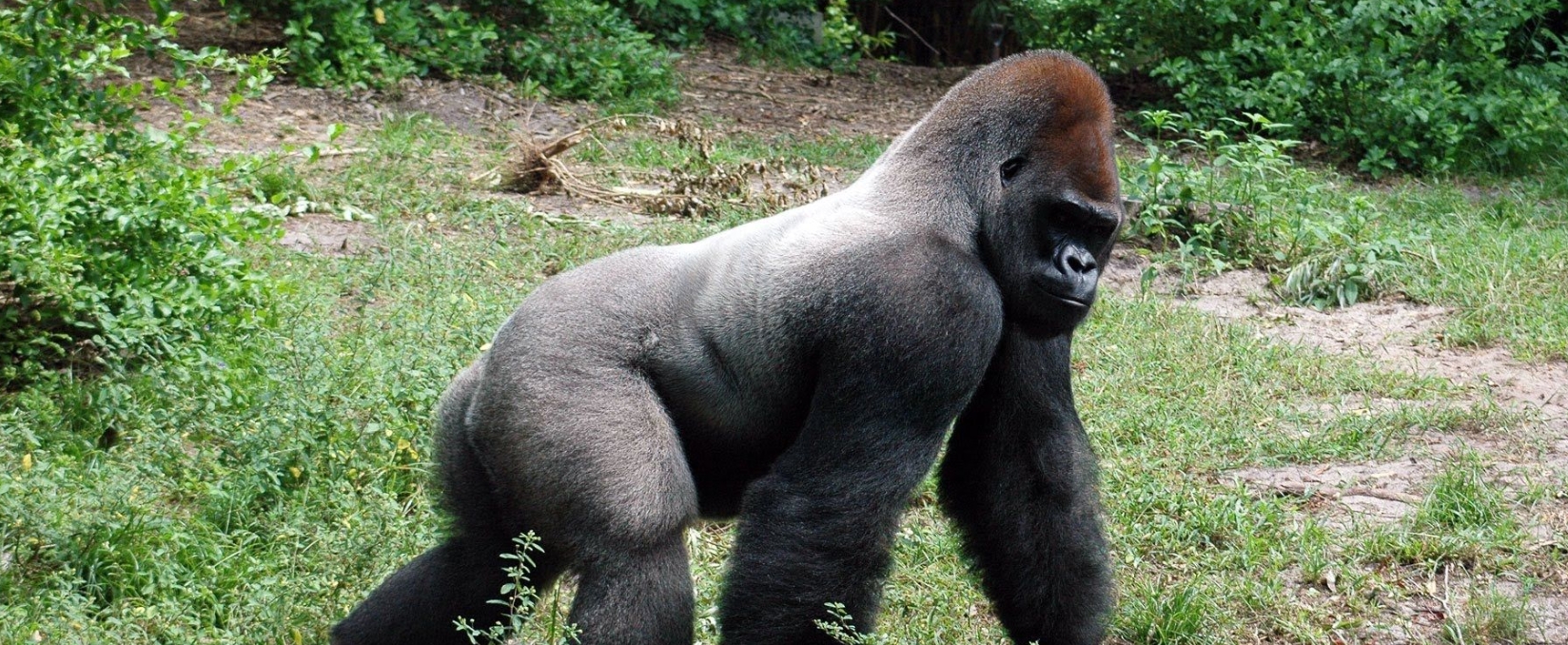
10. Cross River Gorilla (Gorilla gorilla diehli)
Around 200–300 individuals in fragmented forests along the Nigeria-Cameroon border.
Main threat: Bushmeat hunting and habitat destruction.
Conservation: Transboundary protected areas and community education.
Other Notable Critically Endangered Animals
- Tapanuli Orangutan (Pongo tapanuliensis): Fewer than 800 individuals in a small area of Sumatra; highly vulnerable to habitat loss from infrastructure projects.
- Yangtze Giant Softshell Turtle: Possibly only 2–4 individuals left; extreme rarity makes breeding nearly impossible.
- African Penguin: Recently uplisted to Critically Endangered due to food scarcity and climate impacts.
- Emperor Penguin: Newly listed as Endangered in recent IUCN updates, driven by sea-ice loss from climate change.
- Sunda Pangolin and other pangolin species: Heavily trafficked for scales and meat; populations continue to decline despite international trade bans.
Common Threats Across Endangered Species
Most animals on this list face a combination of:
- Habitat loss and fragmentation from agriculture, logging, infrastructure, and human expansion.
- Poaching and illegal wildlife trade — especially for horns, ivory, scales, and body parts used in traditional medicine or as status symbols.
- Bycatch and overfishing in marine species.
- Climate change — altering habitats, food sources, and breeding conditions (notably for penguins and polar species).
- Invasive species and disease in isolated populations.
Slow reproduction rates in large mammals and specialized species amplify these pressures, making recovery difficult once numbers drop below critical thresholds.
Conservation Successes and Hope
Despite the grim outlook for many, targeted actions deliver results:
- Black rhino numbers have more than doubled since the 1990s lows through intensive protection.
- Kakapo populations are managed to maximize breeding success.
- Some gorilla and tiger populations have stabilized or grown with community involvement and anti-poaching.
Broader strategies include expanding protected areas, strengthening law enforcement, reducing demand for wildlife products, community-based conservation that provides local benefits, and using technology like camera traps, drones, and genetic monitoring.
Why These Lists Matter
The IUCN Red List tracks over 172,600 species, with more than 48,600 threatened. Mammals (27% threatened), amphibians (41%), and sharks/rays (38%) show particularly high risk levels.
Each species plays a unique role in its ecosystem — as seed dispersers, predators maintaining balance, or indicators of environmental health.
Losing them triggers cascading effects on biodiversity and human livelihoods, including reduced tourism revenue and ecosystem services.
What Can Be Done
Support reputable organizations (WWF, IUCN, Fauna & Flora, Sea Shepherd, and local rhino/pangolin projects). Choose sustainable products, avoid wildlife souvenirs, and advocate for stronger enforcement of trade bans.
Responsible eco-tourism in protected areas directly funds conservation. Individual actions, when scaled, help shift demand and policy.
The endangered animals list above focuses on species closest to the brink in 2026. Many hover with populations in the low dozens or hundreds, where any single event — disease, poaching incident, or habitat disruption — could tip them toward extinction.
Yet recoveries like the black rhino and mountain gorilla prove that dedicated, science-based efforts can reverse declines when threats are addressed aggressively and consistently.
Continued investment in protection, habitat restoration, and international cooperation remains essential if these iconic species are to survive beyond the current decade.


https://shorturl.fm/18vGR