
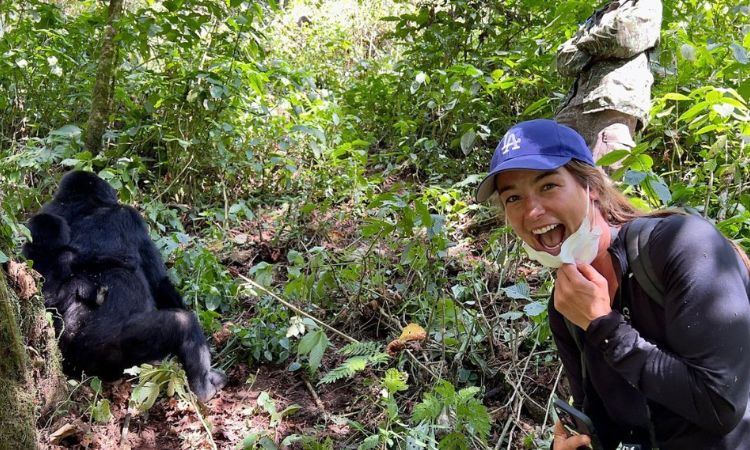
How to Book Gorilla Trekking in Uganda – Ultimate Guide 2026
Booking a gorilla trekking permit in Uganda is straightforward but requires advance planning due to high demand. Follow these steps for successful Uganda gorilla trekking permit booking:
Step 1: Choose Your Gorilla Trekking Destination
Uganda offers two main parks for gorilla trekking: Bwindi Impenetrable National Park and Mgahinga Gorilla National Park. Bwindi, a UNESCO World Heritage Site spanning 331 square kilometers, is the most popular, hosting over 400 mountain gorillas across four sectors: Buhoma (northern, easiest access with moderate treks), Rushaga (southern, known for habituation experiences), Ruhija (eastern, higher altitude with scenic views), and Nkuringo (southwestern, challenging terrain but rewarding vistas).
Mgahinga, smaller at 33.7 square kilometers and part of the Virunga Volcanoes, is home to one habituated family and offers a more intimate, less crowded experience with opportunities for golden monkey tracking.
Consider your fitness level, travel itinerary, and preferences when choosing. For instance, Buhoma is ideal for beginners, while Rushaga suits those interested in longer interactions via gorilla habituation (four hours with gorillas for $1,500). Research Bwindi gorilla trekking permits or Mgahinga gorilla trekking Uganda options to match your safari goals.
Step 2: Check Gorilla Permit Availability
Permits are issued by the Uganda Wildlife Authority (UWA), the official body managing wildlife conservation. With only 160-200 permits available daily across both parks (due to limits per family), checking availability is vital.
Visit the UWA website (ugandawildlife.org) or contact them directly, but international visitors must book through licensed tour operators as direct purchases are restricted to Ugandan residents.
Book 3-6 months in advance, especially for peak seasons, as permits sell out quickly. Provide your preferred dates, park, and sector. Tour operators can access real-time availability via UWA’s database and handle reservations efficiently.
Step 3: Book Through a Tour Operator
For most visitors, booking via a reputable tour operator is the easiest and most reliable method. Operators like those affiliated with the Association of Uganda Tour Operators (AUTO) handle everything: securing permits, arranging accommodations, providing transport from Entebbe or Kampala, and assigning professional safari guides. Benefits include expert advice on sectors, customized itineraries, and insurance coverage.
Choose an operator specializing in Uganda gorilla safari booking guide services. They’ll require your passport details (for age verification—minimum 15 years) and a deposit. This step promotes sustainable tourism and supports local economies.
Step 4: Pay for the Gorilla Permit
The current gorilla trekking Uganda cost for a standard permit is $800 per person for foreign non-residents, $700 for foreign residents, $500 for African citizens, and 300,000 UGX (about $80) for East African citizens.
This fee includes park entry, ranger guides, and one hour with the gorillas. Habituation permits cost $1,500 for extended time.
Payment is typically via bank transfer or credit card through your operator. Full payment secures the permit; partial refunds may apply for cancellations (check UWA policies). Note that prices are subject to review, so confirm the latest gorilla trekking Uganda cost.
Step 5: Receive Your Booking Confirmation
Upon payment, UWA issues a digital permit with your name, trekking date, park sector, and permit number. Your operator will email this confirmation, along with itinerary details.
Print it and bring it on the day, along with your passport for verification at the park gate. This marks the final step in how to book gorilla trekking in Uganda—now prepare for the adventure!

What Is Gorilla Trekking in Uganda?
Gorilla trekking is an immersive wildlife experience that allows visitors to track and observe mountain gorillas (Gorilla beringei beringei) in their natural rainforest habitat.
Unlike zoo visits or wildlife documentaries, this activity brings you face-to-face with wild gorillas, offering a profound connection to nature.
The trek typically begins with a briefing at the park headquarters, followed by a guided hike through dense vegetation, steep slopes, and muddy trails.
Experienced rangers and trackers lead the way, using their knowledge of gorilla movements to locate a habituated family—groups of gorillas accustomed to human presence through a careful conservation process.
Once the gorillas are found, trekkers spend one magical hour observing them at a safe distance of about 7 meters (23 feet). You’ll witness behaviors like foraging, grooming, playing, and nurturing young ones, all while surrounded by the symphony of the forest. Groups are kept small, usually limited to eight people per gorilla family per day, to minimize disturbance.
This ensures a sustainable and ethical experience. Mountain gorillas, sharing about 98% of their DNA with humans, are critically endangered, making gorilla trekking not just an adventure but a contribution to conservation efforts.
In Uganda, this activity is available in Bwindi Impenetrable National Park and Mgahinga Gorilla National Park, where the terrain adds to the challenge and reward.
The physical demands vary; treks can last from 30 minutes to several hours, depending on the gorillas’ location. It’s suitable for moderately fit individuals aged 15 and above, but those with health concerns should consult a doctor.
Gorilla trekking Uganda cost includes the permit, which funds park maintenance and anti-poaching initiatives, highlighting its role in preserving these incredible primates.
Gorilla Trekking Cost Breakdown
Beyond the permit, a full Uganda gorilla safari involves additional expenses. A typical 3-5 day trip costs $1,500-$5,000 per person, depending on luxury level. Breakdown:
- Gorilla Permit: $800 (core cost).
- Transport: $200-$500 (flights from Entebbe to Kisoro airstrip or road transfers; 8-10 hours drive to Bwindi).
- Accommodation: $100-$1,000/night (budget lodges to luxury like Sanctuary Gorilla Forest Camp).
- Park Fees: Included in permit, but additional chimp tracking adds $50-$200.
- Guide Services: $20-$50/day (tips extra).
- Meals and Misc.: $100-$300.
Opt for all-inclusive packages to manage gorilla trekking Uganda cost effectively. Budget travelers can join group tours, while luxury seekers enjoy private safaris.
Best Time to Book Gorilla Trekking in Uganda
The best time for gorilla trekking in Uganda is during the dry seasons: June to September and December to February. These months offer clearer trails, less mud, and easier hiking, with temperatures around 20-25°C (68-77°F). Wildlife viewing is optimal as animals congregate near water sources.
Permits sell out fast in peak seasons, so book 6 months ahead. Low seasons (March-May, October-November) bring rain but fewer crowds, discounted rates, and lush scenery—ideal for photographers. Regardless, gorilla trekking operates year-round, but dry weather enhances comfort.
The Gorilla Trekking Experience in Uganda
Your day starts with an early morning briefing at 7-8 AM, where rangers explain rules and assign groups. Equipped with walking sticks and porters (optional, $10-20), you’ll hike 2-6 hours through thick forest, crossing streams and climbing hills. Trackers locate the gorillas using signs like footprints or nests.
Upon encounter, observe silently for one hour: watch silverbacks lead, mothers nurse infants, and juveniles play. Photography is allowed (no flash), but maintain distance. The trek ends with a certificate and debrief. It’s physically demanding but emotionally rewarding, often described as life-changing.
Gorilla Families in Uganda
Bwindi hosts over 20 habituated gorilla families, each with 5-40 members led by a silverback. Famous ones include:
- Mubare Family (Buhoma): 8 members, oldest habituated group.
- Habinyanja Family (Buhoma): 12 members, known for playful dynamics.
- Rushegura Family (Buhoma): 17 members, often near lodges for shorter treks.
- Nshongi Family (Rushaga): 26 members, large and interactive.
- Kahungye Family (Rushaga): Split from others, adventurous.
Mgahinga has the Nyakagezi family (9 members). Families move daily, adding unpredictability.
Differences Between Uganda, Rwanda, and Congo Gorilla Trekking
Uganda stands out for affordability ($800 permit vs. Rwanda’s $1,500) and more families (over 20 vs. Rwanda’s 12). Treks are similar in difficulty, but Uganda offers habituation and combo safaris with savannah parks. Rwanda is more luxurious with easier access; Congo is cheaper ($400) but less stable due to security. Uganda balances cost, variety, and safety.
Gorilla Trekking Rules and Regulations
To protect gorillas: Maintain 7m distance, no touching, limit groups to 8, no eating/smoking near them, wear masks if ill, bury waste, and follow ranger instructions. Violations can lead to permit revocation. These rules ensure minimal human impact.
Gorilla Conservation Efforts in Uganda
UWA, with partners like IGCP, habituates families, combats poaching, and funds community projects. Tourism revenue (over $20 million annually) supports patrols and education. Success: Gorilla population rose from 650 in 2000 to over 1,000 today.
How to Reach Bwindi from Entebbe
Fly from Entebbe International Airport to Kisoro (1 hour, $250-$400 roundtrip) then drive 1-2 hours to the park. Alternatively, drive 450km via Masaka-Mbarara-Kabale (8-10 hours, scenic but bumpy). Operators provide 4×4 vehicles.
Travel Requirements for Gorilla Trekking
- Uganda Visa: e-Visa ($50, apply online; valid 90 days).
- Yellow Fever Vaccination: Mandatory, bring certificate.
- Passport Validity: 6 months beyond stay.
- COVID/Health: Check updates; insurance recommended.
Packing List for Gorilla Trekking
Essentials: Sturdy hiking boots, long-sleeved shirts/pants (protect from insects/thorns), rain jacket/poncho, gardening gloves (for vines), backpack, water bottle, high-DEET insect repellent, sunscreen, hat, binoculars, camera with zoom lens (extra batteries), energy snacks, first-aid kit (blister plasters), gaiters (for mud), and neutral-colored clothing.
FAQs About Gorilla Trekking in Uganda
How far in advance should I book a gorilla permit?
3-6 months, especially for peak seasons, as permits are limited.
Can I book a gorilla permit online?
Indirectly via tour operators; direct online not available for internationals.
Is gorilla trekking safe in Uganda?
Yes, with armed rangers; low risk if rules followed.
What is the age limit for gorilla trekking?
15 years minimum; no upper limit if fit.
How difficult is the trek?
Moderate to strenuous; 2-6 hours hiking, prepare physically.
This guide equips you for an extraordinary journey. Book your gorilla trekking in Uganda today and witness the magic of these incredible beings.


Your audience, your profits—become an affiliate today!
https://shorturl.fm/TFtkm
https://shorturl.fm/vvtdw
https://shorturl.fm/tmwmb
https://shorturl.fm/zjypv
I have been looking for a platform like this for a while. The interface is super smooth and the loading speed is impressive. Highly recommended for anyone wanting a hassle-free experience! bdpkjk
If you love slots then you have to check this place out. The variety of games is insane and I love how easy it is to navigate through the different categories. mm399slot
No more struggling with login issues. This portal is fast and secure and gets me straight into the action without any annoying glitches. 0xbetlogin