
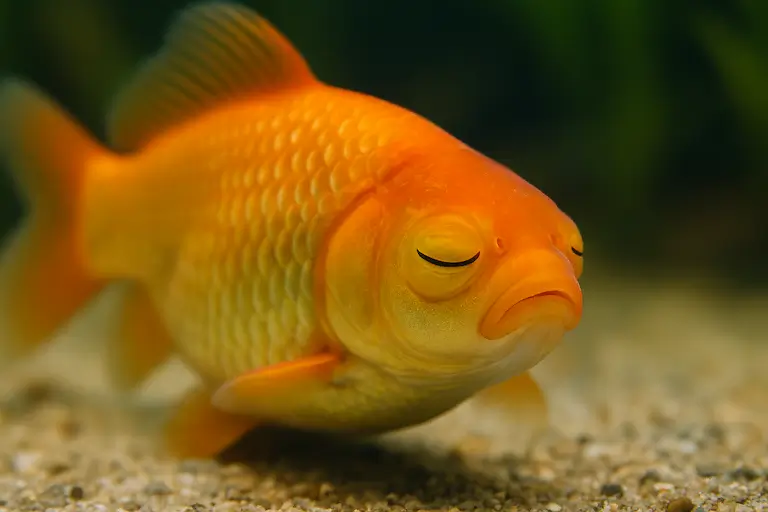
Do Fish Sleep? A Fascinating Insight
Yes, most fish do sleep—or more precisely, they enter a restful state that serves similar restorative purposes to sleep in humans. However, fish sleeping differs significantly from how mammals or birds rest.
Fish reduce activity and metabolism, become less responsive, and often maintain some awareness of their surroundings, all while underwater.
This unique fish sleeping behavior fascinates scientists and aquarium hobbyists alike. Unlike humans, who close their eyes and enter unconscious states with distinct brain wave patterns, fish lack eyelids and a neocortex.
Their rest involves behavioral quiescence, slower heart rates, and reduced brain activity, yet they often stay partially alert to predators. Understanding how fish sleep reveals much about underwater adaptation, evolution, and the universal need for rest across the animal kingdom.
Do Fish Really Sleep?
Do fish sleep exactly like humans? No. Fish enter a restful state characterized by reduced movement, slower metabolism, and lower responsiveness to surroundings. This “suspended animation” allows energy conservation and recovery, much like human sleep, even if it doesn’t match our definition perfectly.
Scientists prefer terms like “rest” because fish cannot be tested with the same EEG criteria as mammals due to their brain structure. However, behavioral and physiological evidence strongly supports that fish rest in ways that fulfill sleep’s functions: physical restoration, brain maintenance, and memory processing.
In this state, fish may float in place, wedge into crevices, or hover near the bottom. Their breathing and heart rates slow, and they react more slowly to stimuli.
Yet many remain vigilant— a critical survival trait in predator-rich waters. This balance between rest and alertness makes fish sleeping a remarkable evolutionary adaptation.
How Do Fish Sleep Underwater?
How fish sleep varies by species, habitat, and lifestyle, but common patterns emerge. Many diurnal fish rest at night when light levels drop, following circadian rhythms influenced by light.
Typical behaviors include:
- Floating in place — Hovering motionless or with minimal fin movement to stay stable.
- Hiding in coral, rocks, or substrate — Seeking shelter for protection.
- Resting near the bottom — Settling on or just above the seafloor or tank bottom.
- Reduced swimming activity — Conserving energy while gills continue pumping water for oxygen.
Some fish remain partially alert. A sudden movement or light can rouse them quickly, showing they don’t enter full unconsciousness.
How can you tell if a fish is sleeping? Look for prolonged stillness in a preferred spot, slower gill movements, faded colors (in some species for camouflage), and delayed response to food or disturbances. They might hover with heads slightly downward or lie on their side.
Do Fish Sleep With Their Eyes Open?
Yes—most fish cannot close their eyes when sleeping because they lack movable eyelids. Their eyes remain open, protected by the surrounding water. This leads to the common question: Do fish close their eyes when sleeping? The answer is almost always no.
A transparent protective layer covers their eyes, eliminating the need for blinking or closing. This doesn’t prevent rest; sleep in fish is defined by physiological and behavioral changes, not eye closure.
Some exceptions, like certain sharks, may have more developed eye protection, but the general rule holds for most bony fish.
This open-eyed rest still provides recovery benefits, proving that true sleep doesn’t require darkness behind closed lids.
Different Types of Fish Sleeping Habits
Fish display diverse sleeping fish behavior adapted to their environments.
Fish That Sleep While Floating: Many, including goldfish, hover quietly in the water column or near the bottom. Goldfish often rest at night, becoming still with heads tilted down, colors slightly faded for camouflage. They need 8–12 hours of rest, preferring dark, quiet conditions.
Fish That Hide While Sleeping: Species like clownfish seek shelter in anemones or crevices. Clownfish often rest near or in their host anemone, sometimes lying on their side on the sand, appearing almost motionless. This provides protection from predators.
Fish That Keep Swimming: Some, especially pelagic species, rest while maintaining slow movement or using currents.
Nocturnal Fish: These reverse the pattern, resting during the day in caves or under ledges and becoming active at night.
Parrotfish create mucus cocoons— a “sleeping bag” of slime secreted from glands near the gills. This bubble masks their scent from predators like moray eels and may deter parasites. The cocoon can act as an alarm if disturbed.
Do Sharks Sleep?
Do sharks sleep? This is a popular SEO query with a nuanced answer. Not all sharks behave the same due to their breathing methods.
Many sharks are obligate ram ventilators: they must swim continuously to force water over their gills. Species like great whites likely rest by facing into currents while stationary or using unihemispheric sleep (resting one brain hemisphere at a time), similar to dolphins.
Buccal pumping sharks, like nurse sharks, whitetip reef sharks, and lemon sharks, can pump water over gills while stationary. These species rest on the ocean floor with eyes open, showing reduced activity and meeting some sleep criteria. Recent research confirms behavioral and physiological sleep in certain buccal pumping sharks.
Sharks’ rest highlights adaptations: constant motion for some, stationary rest for others, all while maintaining oxygen flow.
Aquarium Fish Sleep: What Owners Should Know
Aquarium fish sleep follows similar patterns but is influenced by tank conditions. Provide a consistent light-dark cycle (typically 8–12 hours of light) to support natural circadian rhythms. Dim lights at night mimic natural conditions.
How to tell if aquarium fish are sleeping:
- Reduced movement and staying in one place.
- Hovering or resting in preferred spots (e.g., near decorations or bottom).
- Slower responses.
- Unusual but consistent floating positions.
Excessive sleep or lethargy during active hours may signal poor water quality, illness, or stress. Ensure good oxygenation, stable temperatures, and proper nutrition. Avoid leaving bright lights on 24/7, as this disrupts fish rest underwater.
Why Fish Need Sleep
Sleep (or rest) is vital for fish:
- Energy conservation — In a constantly moving aquatic environment.
- Brain function and memory — Processing experiences.
- Growth and repair — Tissue maintenance and immune support.
- Survival — Reducing predation risk during vulnerable periods.
- Stress reduction — Lowering cortisol-like hormones.
Without adequate rest, fish show impaired coordination, weakened immunity, and reduced lifespan.
What Scientists Know About Fish Sleep
Zebrafish have become key models for sleep research. Stanford studies using brain imaging revealed slow-wave sleep and paradoxical (REM-like) sleep in zebrafish, with patterns analogous to mammals. These signatures suggest sleep evolved over 450 million years ago, before vertebrates moved to land.
Zebrafish display distinct sub-states of sleep, regulated by neurotransmitters like melatonin. Research shows fish experience brain activity changes supporting memory consolidation and restoration, bridging evolutionary gaps in sleep science.
Ongoing studies explore how environmental factors, genetics, and pollutants affect fish rest, offering insights into broader animal physiology.
How Fish Sleep Evolved
Fish sleep reflects ancient adaptations. In predator-filled waters, rest must balance recovery with vigilance. Hiding, camouflage, mucus cocoons, and partial alertness evolved as survival strategies.
Circadian rhythms tied to light cycles helped synchronize activity with safer times. These traits persist in modern species, from deep-sea fish to aquarium favorites.
Interesting Facts About Fish Sleep
- Some fish sleep upside down or on their sides.
- Parrotfish produce mucus cocoons nightly for protection.
- Cave fish in perpetual darkness still show rest periods.
- Certain species change color while resting for better camouflage.
- Dolphins (mammals) sleep unihemispherically, unlike most fish.
- Some fish don’t sleep much during migration or breeding.
Fish Sleep Comparison
|
Fish Type |
Sleeping Behavior |
Key Notes |
|
Goldfish |
Float quietly, hover near bottom |
Colors may fade; prefers dark |
|
Sharks |
Some keep swimming; others rest on floor |
Depends on ventilation method |
|
Clownfish |
Hide in anemones or crevices |
Often on side; protected spot |
|
Parrotfish |
Create mucus cocoon |
Scent mask and parasite barrier |
FAQs About Fish Sleep
Do fish sleep at night?
Most diurnal fish do, becoming less active when lights dim. Nocturnal species rest during the day.
Can fish sleep while swimming?
Some do, with minimal movement or using currents. Sharks may rest one brain side while swimming.
Do fish dream?
They show REM-like brain activity, but without a neocortex, true dreaming (as in mammals) is unlikely. It may involve basic memory replay.
How long do fish sleep?
Varies; many rest 8–12 hours aligned with dark periods, with possible naps.
Do aquarium lights affect fish sleep?
Yes. Constant light disrupts rhythms. Use timers for 8–12 hours of light daily.
Can fish sleep with the light on?
They can rest but may not achieve full restorative sleep. Dim or blue night lights are better.
Do sharks ever stop swimming?
Buccal pumping species can rest stationary. Ram ventilators likely rest via currents or unihemispheric sleep.
How can you tell if my fish is sleeping?
Stillness in one spot, reduced gill rate, slower reactions—consistent with their normal schedule.
Related Topics for Further Reading
- How Long Do Fish Live?
- Freshwater vs. Saltwater Fish Differences
- Aquarium Fish Care Guide
- Why Fish Jump Out of Water
- Deep Sea Fish Adaptations
- Shark Facts
Fish sleep reveals the diversity of life. From open-eyed rest to mucus bubbles, these behaviors ensure survival in aquatic worlds. Whether in oceans, rivers, or home aquariums, providing conditions for natural rest supports healthy sleeping fish behavior. Next time you see a fish hovering still, remember: it’s not lazy—it’s recharging in its own underwater way.


https://shorturl.fm/jQk9N
https://shorturl.fm/nGz7i
https://shorturl.fm/tmwmb
Üsküdar Termal Kamera ile Su Kaçağı Tespiti Üsküdar’ta hızlı servis sağladılar. https://ivebo.co.uk/read-blog/62393
Enjoy every single day
https://shorturl.fm/IETjA
Good a blog toper
I AM BACK AGAIN
The content is really great