
A 2025 Comprehensive Guide to the Remarkable Kasubi Tombs
Kasubi Tombs: to an in-depth exploration of the Kasubi Tombs, one of Uganda’s most iconic cultural landmarks and a UNESCO World Heritage Site. Nestled on Kasubi Hill in Kampala, this sacred site is a testament to the rich history, traditions, and architectural ingenuity of the Buganda Kingdom.
As Uganda Wildlife Tours, we’re excited to guide you through everything you need to know about the Kasubi Tombs.
Introduction to Kasubi Tombs: A Cultural and Spiritual Hub
The Kasubi Tombs, located just 5 kilometers from Kampala’s bustling city center, are the royal burial grounds for four Kabakas (kings) of the Buganda Kingdom, making them a cornerstone of Uganda’s cultural and spiritual heritage.
Designated a UNESCO World Heritage Site in 2001, the tombs are celebrated for their unique architecture, constructed entirely from organic materials like wood, thatch, reeds, and wattle-and-daub. This site is not just a cemetery but a living testament to the Baganda people’s traditions, beliefs, and identity.
Covering nearly 30 hectares of lush hillside, the Kasubi Tombs are a blend of history, spirituality, and architectural brilliance.
Whether you’re a history enthusiast, a cultural explorer, or a traveler seeking unique experiences, the Kasubi Tombs offer a profound glimpse into the soul of the Buganda Kingdom, one of East Africa’s most influential medieval kingdoms.
Historical Significance of Kasubi Tombs
Origins of the Buganda Kingdom
The Buganda Kingdom, founded in the late 14th century by Kintu, the first Kabaka, is one of Uganda’s most powerful traditional kingdoms. According to oral traditions, Kintu united multiple clans, defeating the indigenous ruler Bemba Musota to establish the kingdom along the shores of Lake Victoria.
The Baganda, a Bantu-speaking ethnic group, developed a sophisticated political and cultural system that thrives to this day. The Kasubi Tombs, established in 1882, are one of 31 royal tombs across the kingdom, but they hold special significance as the burial ground for four of Buganda’s most revered Kabakas.
The Four Kabakas Buried at Kasubi
The Kasubi Tombs are the final resting place for:
- Kabaka Mutesa I (1835–1884): The 35th Kabaka, who ruled from 1856, was a powerful and progressive leader. He built the palace at Kasubi in 1882, which was converted into a burial ground upon his death in 1884. Mutesa I was notable for embracing foreign influences, including Islam, and breaking tradition by requesting his jawbone not be separated for burial, a significant departure from Ganda customs.
- Kabaka Mwanga II (1867–1903): Succeeding his father, Mutesa I, Mwanga II was the last Kabaka to rule an independent Buganda. His reign was tumultuous, marked by resistance to foreign religions and colonial powers. Exiled to the Seychelles by the British, he died in 1903, and his remains were later returned to Kasubi.
- Kabaka Daudi Chwa II (1896–1939): Mwanga’s son, who ascended the throne at age one, ruled under Christian regents until adulthood. His low-key reign solidified the tombs’ cultural importance when he was buried there in 1939.
- Kabaka Edward Mutesa II (1924–1969): Daudi Chwa’s son, Mutesa II played a key role in Uganda’s independence, serving as the country’s first president. Exiled to London after conflicts with Prime Minister Milton Obote, he died in 1969, and his remains were returned to Kasubi in 1971.
These Kabakas represent pivotal moments in Buganda’s history, from pre-colonial power to colonial resistance and post-independence struggles. Their tombs symbolize the kingdom’s resilience and continuity.
The Fire of 2010 and Restoration Efforts
In March 2010, a devastating fire destroyed much of the main tomb structure, Muzibu Azaala Mpanga, and surrounding huts, leading to its inclusion on UNESCO’s List of World Heritage Sites in Danger.
The cause remains unknown, with speculations ranging from arson to lightning. The Buganda Kingdom, supported by the Ugandan government and international partners like UNESCO and Japan, embarked on a meticulous restoration, completed in 2023.
The site was removed from the danger list, reflecting the successful preservation of its cultural and architectural integrity.
Architectural Marvel of Kasubi Tombs
Muzibu Azaala Mpanga: The Main Tomb
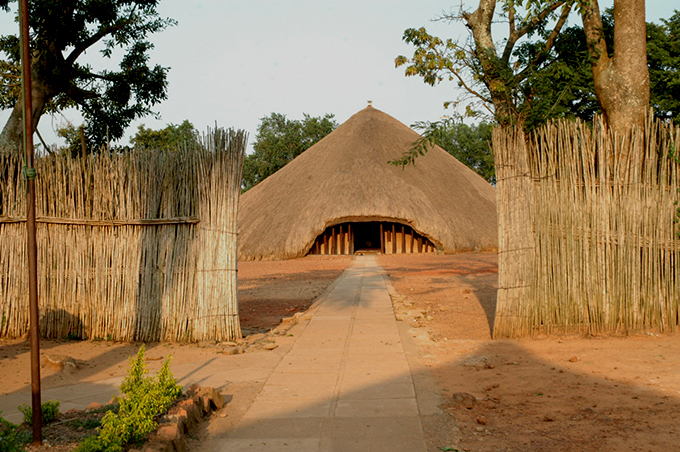
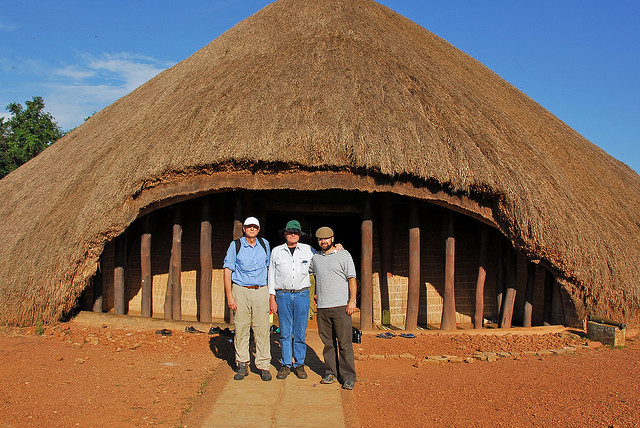
The centerpiece of the Kasubi Tombs is the Muzibu Azaala Mpanga, a massive circular building measuring 31 meters in diameter and 7.5 meters tall. This architectural masterpiece, originally a palace built by Mutesa I in 1882, is constructed using organic materials:
- Wooden poles for structural support.
- Thatch and spear grass for the iconic domed roof.
- Reeds and wattle-and-daub for walls.
- Bark cloth (made from the ficus natalensis tree) for interior partitions and decorations.
The roof, supported by 52 rings of palm fronds, symbolizes the 52 clans of the Baganda, reflecting the kingdom’s unity. The thatching technique, managed by the Ngeye clan, involves conical bundles of grass laid without tying, allowing easy replacement of decayed sections. This sustainable method underscores the Baganda’s harmonious relationship with nature.
Key Architectural Features
- Bujjabukula (Gatehouse): The entrance to the site, built with wooden columns and woven reeds, houses guards who monitor access behind a see-through reed screen, a tradition rooted in Ganda security practices.
- Ndoga-Obukaba (Drum House): A circular structure in a small courtyard, it safeguards the royal drums, including the Mujaguzo collection, used for communication and ceremonies.
- Olugya (Main Courtyard): Surrounded by a reed fence, this hilltop courtyard leads to the main tomb and houses for the Kabakas’ widows, who perform ritual duties.
- Kibira (Sacred Forest): A restricted area within the Muzibu Azaala Mpanga, believed to house the spirits of the Kabakas. Only widows, the Katikkiro (prime minister), and select royals can enter.
The use of organic materials and traditional craftsmanship makes the Kasubi Tombs a unique example of African architecture, described by UNESCO as “one of the most remarkable buildings using purely vegetal materials in sub-Saharan Africa.”
Cultural and Spiritual Importance
A Living Spiritual Center
The Kasubi Tombs are the most active religious site in the Buganda Kingdom, hosting regular rituals performed by the Kabaka, his representatives, and the widows of the deceased kings.
The Kibira is central to these practices, believed to be the dwelling place of the Kabakas’ spirits. The site’s intangible values—beliefs, spirituality, and identity—are as significant as its physical structures, making it a vital cultural hub for the Baganda and a symbol of East African heritage.
Traditional Practices and Symbols
- Bark Cloth: Made from the ficus natalensis tree, this fabric is used for curtains and decorations, holding ritual significance in burials and ceremonies.
- Royal Drums: The Mujaguzo drums, housed in the Ndoga-Obukaba, are sacred instruments used for communication, entertainment, and royal ceremonies.
- Sacred Symbols: The tombs feature spears, shields, and totems representing Buganda’s heritage and spiritual beliefs.
These elements highlight the Baganda’s deep connection to their ancestors and environment, making the Kasubi Tombs a living museum of Ganda culture.
Visiting the Kasubi Tombs: Practical Information
Location and Accessibility
Situated on Kasubi Hill along Masiro Road, the tombs are approximately 15 minutes from Kampala’s city center. To reach the site:
- From Kampala, pass Makerere University to Nakulabye.
- At the Nakulabye roundabout, turn right onto Hoima Road.
- After 1 kilometer, turn left to ascend Kasubi Hill to the entrance, marked by a thatched hut.
Entrance Fees and Hours
As of 2024, entrance fees are:
- Non-Ugandans: UGX 35,000 (approximately USD 9).
- Ugandans: UGX 15,000.
- Children: UGX 5,000.
The tombs are open daily from 8:00 AM to 5:00 PM, with guided tours lasting 1–2 hours for groups of up to 10 people.
What to Expect During Your Visit
A visit to the Kasubi Tombs is a guided experience, led by knowledgeable local guides who share stories of the Buganda Kingdom’s history, architecture, and rituals. Visitors enter through the Bujjabukula gatehouse, explore the Ndoga-Obukaba drum house, and proceed to the Olugya courtyard, where the majestic Muzibu Azaala Mpanga awaits.
The serene atmosphere, combined with the intricate thatched structures and sacred artifacts, creates a profound cultural immersion. Note that certain areas, like the Kibira, are restricted to preserve their spiritual sanctity.
Conservation Challenges
The tombs’ organic construction makes them vulnerable to fire and climate-related humidity, as seen in the 2010 fire. Ongoing maintenance, particularly of the thatched roofs, requires skilled artisans and financial resources. The Buganda Kingdom, with support from UNESCO and the Ugandan government, continues to prioritize preservation to ensure the site’s longevity.
Why Visit the Kasubi Tombs with Uganda Wildlife Tours?
At Uganda Wildlife Tours, we believe that a journey to the Kasubi Tombs is more than a sightseeing trip—it’s an opportunity to connect with Uganda’s soul. Here’s why you should choose our Uganda Cultural Tours to experience this UNESCO World Heritage Site:
1. Expertly Curated Cultural Experiences
Our tours are designed to immerse you in the heart of Buganda’s culture. Our local guides, deeply knowledgeable about Ganda traditions, will bring the history of the Kabakas to life, sharing stories of their reigns, spiritual practices, and the architectural genius of the tombs. You’ll gain insights into the Baganda’s worldview, from their sacred symbols to their reverence for nature.
2. Seamless Integration with Uganda’s Highlights
Combine your Kasubi Tombs visit with our world-renowned wildlife safaris. After exploring the cultural riches of Kampala, embark on a gorilla trekking adventure in Bwindi Impenetrable Forest, a boat cruise in Murchison Falls National Park, or a chimpanzee tracking experience in Kibale National Park. Our itineraries blend cultural and natural wonders for a holistic Ugandan adventure.
3. Personalized and Small-Group Tours
We prioritize intimate, personalized experiences. Our small-group tours (maximum 10 people) ensure you have ample time to engage with your guide, ask questions, and absorb the spiritual ambiance of the tombs. Whether you’re a solo traveler, couple, or family, we tailor our tours to your interests.
4. Support for Local Communities
By choosing Uganda Wildlife Tours, you contribute to the preservation of the Kasubi Tombs and the livelihoods of local artisans, guides, and communities. Your visit supports the Buganda Kingdom’s efforts to maintain this cultural treasure for future generations.
5. Unforgettable Memories
From the awe-inspiring sight of the Muzibu Azaala Mpanga’s thatched dome to the stories of Buganda’s kings, a visit to the Kasubi Tombs is a journey through time.
Our tours include opportunities to interact with cultural artifacts, witness traditional practices, and even purchase local crafts, such as bark cloth art, as mementos of your experience.
6. Hassle-Free Planning
We handle all logistics, from transportation to entrance fees, ensuring a stress-free visit. Our team provides insider tips, such as the best times to visit (early morning for fewer crowds) and what to wear (modest clothing to respect the site’s sanctity). Combine your Kasubi Tombs tour with a Kampala city tour to explore other landmarks like the Gaddafi National Mosque or Uganda Museum.
Conclusion: Embark on a Cultural Journey with Uganda Wildlife Tours
The Kasubi Tombs are more than a historical site—they are the beating heart of the Buganda Kingdom, a place where history, spirituality, and architecture converge to tell the story of a proud people.
As a UNESCO World Heritage Site, the tombs offer a rare opportunity to witness African cultural heritage in its purest form, from the intricate thatched roofs to the sacred rituals that continue to thrive.
Recognized by the BBC as one of Africa’s most iconic buildings, the Kasubi Tombs are a must-visit for anyone seeking to understand Uganda’s rich cultural tapestry.
With Uganda Wildlife Tours, your visit to the Kasubi Tombs will be an unforgettable journey into the soul of the Buganda Kingdom. Our expertly crafted cultural tours combine the tombs’ historical significance with the natural wonders of Uganda, offering a seamless blend of culture and adventure.
Whether you’re marveling at the Muzibu Azaala Mpanga, learning about the Kabakas’ legacies, or exploring the sacred Kibira’s mysteries, our tours ensure a deeply enriching experience.
Don’t miss the chance to connect with Uganda’s heritage. Book your Uganda Cultural Tour with Uganda Wildlife Tours today and let us guide you through the Kasubi Tombs and beyond.