
Bigodi Wetland Sanctuary: Top Guide to the Best Swamp Walk in Uganda
Bigodi Wetland Sanctuary: Discover Bigodi Wetland Sanctuary near Kibale National Park – the ultimate Bigodi Swamp Walk for birding, monkeys, and community tourism in Uganda. Spot the Great Blue Turaco, primates, and over 200 bird species on this affordable eco-adventure!
Introduction to Bigodi Wetland Sanctuary
Nestled on the edge of Kibale National Park in Western Uganda, Bigodi Wetland Sanctuary is one of the country’s finest examples of successful community-based conservation and eco-tourism.
Managed entirely by local residents through the Kibale Association for Rural and Environmental Development (KAFRED), Bigodi offers visitors an intimate, rewarding alternative (or perfect complement) to chimpanzee tracking in Kibale.
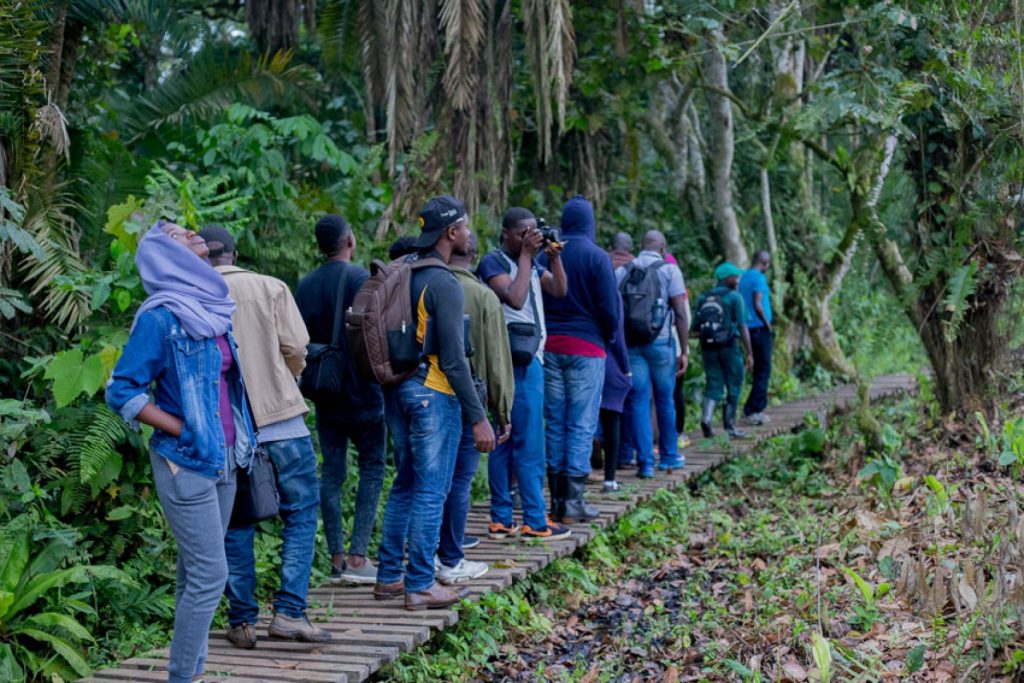
The star attraction is the famous Bigodi Swamp Walk – a 2–4 hour guided boardwalk and trail through papyrus swamps, rainforest edges, and village farmland. Here, you’ll encounter eight species of primates (including occasional chimpanzees), over 200 bird species (with the dazzling Great Blue Turaco as the poster bird), butterflies, rare plants, and the elusive sitatunga antelope.
Unlike national parks managed by the Uganda Wildlife Authority, every dollar spent at Bigodi directly funds community schools, clinics, women’s craft groups, and conservation initiatives – making it one of the most ethical wildlife experiences in East Africa.
Where Is Bigodi Wetland Sanctuary Located & How to Get There
Bigodi Wetland Sanctuary is located just 6 km from Kibale National Park’s Kanyanchu Visitor Centre and approximately 35 km southeast of Fort Portal town in Kamwenge District, Western Uganda.
Key Distances:
- Kampala → Bigodi: 300–320 km (5–6 hours drive)
- Entebbe International Airport → Bigodi: 330 km (6–7 hours)
- Fort Portal → Bigodi: 35 km (45 minutes)
- Mweya (Queen Elizabeth NP) → Bigodi: 110 km (2.5 hours)
Best Routes:
- Kampala – Mubende – Fort Portal – Kanyanchu – Bigodi (fastest tarmac route)
- Kampala – Mityana – Kyenjojo – Fort Portal (alternative northern route)
Transport Options:
- Self-drive: Highly recommended – the roads are now fully tarmacked until the final 6 km of smooth murram.
- Public transport: Take a bus to Fort Portal, then boda-boda or special-hire taxi to Bigodi Trading Centre.
- Tour operators: Most Uganda safari companies include Bigodi as an afternoon activity after morning chimpanzee tracking.
GPS Coordinates: 0°23′55″N 30°24′14″E

History & Community Management: The KAFRED Success Story
Established in 1992, the Kibale Association for Rural and Environmental Development (KAFRED) transformed a heavily poached wetland into a globally recognised community tourism project.
Before KAFRED, local farmers killed primates that raided crops. Today, the same farmers are guides, cooks, and craft makers who earn more from tourism than farming.
Revenue has built two primary schools, a secondary school, a clinic, and micro-finance programs – while wildlife populations have soared.
Bigodi is frequently cited by USAID, UNDP, and conservation journals as one of Africa’s most successful community conservation initiatives.
The Bigodi Swamp Walk Experience – What to Expect
The Bigodi Swamp Walk is the sanctuary’s flagship activity and consistently ranks among the top 5 birding and primate walks in Uganda.
Duration: 2–4 hours (depending on group interest and guide)
Start times: 7:30 am or 2:00 pm (best light for photography in the afternoon)
Trail type: Combination of elevated wooden boardwalks through papyrus swamp + forest trails
Guides: Mandatory and excellent – all are local, English-speaking, and trained naturalists
The walk is relaxed, safe, educational, and suitable for children 6+ and seniors. You’ll cross wooden bridges over blackwater channels, spot monkeys leaping overhead, and pause at viewing platforms where your guide imitates owl calls to bring birds closer.
Photography tip: Bring a 300–400mm lens for birds and a wide-angle for landscapes. The afternoon golden light on papyrus is magical.
Wildlife in Bigodi Wetland Sanctuary
Birds of Bigodi (Over 200 Species Recorded)
Bigodi is a birder’s paradise, especially for forest and swamp specials rarely seen elsewhere.
Star species:
- Great Blue Turaco (almost guaranteed)
- Papyrus Gonolek
- Papyrus Canary
- White-spotted Flufftail
- African Pitca
- Shining-blue Kingfisher
- Black-and-white-casqued Hornbill
- African Green-breasted Pitta (rare, seasonal)
- White-winged Warbler
- Brown-chested Alethe
Primates (8 Species Regularly Seen)
- Red-tailed monkey
- Vervet monkey
- Black-and-white colobus
- L’Hoest’s monkey
- Uganda mangabey (grey-cheeked mangabey)
- Olive baboon
- Blue monkey
- Occasional chimpanzees (crossing from Kibale)
Other Wildlife
- Sitatunga antelope (secretive swamp dweller)
- Monitor lizards
- Side-striped jackal (rare)
- 100+ butterfly species
- Giant forest hog (very rare sightings)

Best Time to Visit Bigodi Wetland Sanctuary
Dry seasons (recommended):
- June – September
- December – February
→ Trails are drier, fewer mosquitoes, easier walking
Wet seasons (great for birding & photography):
- March – May
- October – November
→ Lush green scenery, active bird breeding plumage, fewer tourists
Temperature year-round: 20–28°C. Light rain is possible any month.
Bigodi Swamp Walk Entrance Fees & Booking (2025 Updated)
Foreign non-residents: USD 30–35 per person
Foreign residents/EAC citizens: USD 20–25
East African Community citizens: UGX 30,000
Local Ugandans/students: UGX 15,000–20,000
Night walks (when available): Extra USD 15–20
Payment is usually in cash (Ugandan shillings or USD) at the KAFRED office. Many lodges can pre-book and include the fee in your package.
Bigodi Wetland Sanctuary Accessibility & Difficulty Level
Difficulty: Easy to moderate
Distance: 4–6 km loop
Elevation gain: Minimal
Suitable for: Families with kids 6+, seniors with reasonable fitness
Not suitable for: Wheelchairs (boardwalk has steps) or very young toddlers
What to wear/bring:
- Sturdy closed shoes or rubber boots (provided free by some lodges)
- Long trousers & long-sleeved shirt (tucked in)
- Rain jacket/poncho
- Insect repellent
- Hat & sunscreen
- Binoculars & camera
- Reusable water bottle
Nearby Attractions – Perfect Itinerary Add-ons
- Kibale National Park chimpanzee tracking/habituation
- Crater lake hikes (Lake Nkuruba, Lake Nyabikere)
- Amabeere Ga Nyina Mwiru caves
- Fort Portal tea estate tours
- Top of the World trail
- Semuliki National Park (3-hour drive)
- Rwenzori Mountains foothills
Where to Stay Near Bigodi Wetland Sanctuary
Luxury:
- Kyaninga Lodge (35 min)
- Papaya Lake Lodge
- Crater Safari Lodge
Mid-range / Best Value:
- Chimpanzee Forest Lodge (5 min walk to sanctuary)
- Turaco Treetops Lodge
- Kibale Forest Camp (tents & cottages)
Budget:
- Lake Nkuruba Community Campsite
- CVK Resort Kibale
Why Visit Bigodi Wetland Sanctuary? (The Benefits)
- One of the most ethical wildlife experiences in Africa
- Higher primate diversity than many national parks
- Almost guaranteed Great Blue Turaco sighting
- Affordable (half the price of chimpanzee tracking)
- Direct community impact
- Easy half-day activity – perfect afternoon after morning chimp tracking
- Outstanding photography opportunities
Sample 1-Day Bigodi & Kibale Itinerary
07:00 – Morning chimpanzee tracking in Kibale
12:30 – Lunch at your lodge
14:00 – Transfer to Bigodi Wetland Sanctuary (10–15 min)
14:15 – Bigodi Swamp Walk (2.5–3 hours)
17:30 – Visit Bigodi Women’s Craft Centre & enjoy local coffee
18:30 – Return to lodge for sunset & dinner
Optional: Add a guided night walk (frogs, galagos, pottos).
FAQ – Bigodi Wetland Sanctuary
Q: What is Bigodi Wetland Sanctuary famous for?
A: It’s famous for the Great Blue Turaco, eight primate species, over 200 birds, and being one of Africa’s most successful community-run conservation projects.
Q: How long is the Bigodi Swamp Walk?
A: The standard guided walk lasts 2–4 hours depending on your pace and wildlife sightings.
Q: Can you see chimpanzees in Bigodi?
A: Occasionally yes – chimpanzees from Kibale sometimes cross into the sanctuary, but sightings are rare and not guaranteed.
Q: Is Bigodi Swamp Walk safe?
A: Yes, completely safe. There are no dangerous animals on the trail, and you’re always accompanied by experienced local guides.
Q: Do I need a guide for Bigodi Wetland Sanctuary?
A: Yes, walks are guided only – both for safety and to support the community.
Q: When is the best time to visit Bigodi?
A: June–September and December–February (dry seasons) are best for easy walking, while March–May offers lush scenery and active birdlife.
Final Thoughts
Bigodi Wetland Sanctuary isn’t just another nature walk – it’s living proof that tourism can transform communities and protect wildlife simultaneously. Whether you’re a birder chasing the Great Blue Turaco, a photographer seeking dramatic swamp scenes, or a conscious traveler wanting your money to make a real difference, Bigodi delivers an unforgettable, feel-good experience.
Contact us today to add the Bigodi Swamp Walk to your Uganda itinerary – you’ll leave with stunning photos, new friends, and the satisfaction of having supported one of Africa’s greatest conservation success stories.