
Where Do Gorillas Live? Countries and Natural Habitats
Where Do Gorillas Live: Gorillas live in the tropical and subtropical forests of equatorial Africa, where they find the food, shelter and natural environment they need to survive. Depending on the species, wild gorillas inhabit the lowland rainforests of Central and West Africa, the mountainous forests of East-Central Africa, and a small number of specialised forest habitats near the borders of Uganda, Rwanda and the Democratic Republic of Congo (DRC).
There are two gorilla species in the world: the eastern gorilla and the western gorilla. Each species has two recognised subspecies, giving four gorilla subspecies in total. These are the mountain gorilla, eastern lowland gorilla, western lowland gorilla and Cross River gorilla.
Uganda is one of the most important destinations for people interested in seeing gorillas in their natural habitat. The country protects mountain gorillas in Bwindi Impenetrable National Park and Mgahinga Gorilla National Park, making it a leading destination for gorilla trekking.
In this guide, we explain where gorillas live, which African countries have wild gorilla populations, the different habitats they occupy, and how you can visit mountain gorillas responsibly in Uganda.
Where Do Gorillas Live in Africa?
Wild gorillas live exclusively in Africa. Their distribution extends across parts of Central, West and East-Central Africa, although each species and subspecies occupies a particular geographical range.
Gorilla habitats include dense tropical rainforests, lowland forests, swamp forests, montane forests and bamboo forests. The type of habitat depends on the gorilla subspecies, local climate, altitude and availability of food.
The countries associated with wild gorilla populations include:
- Uganda: Home to mountain gorillas in Bwindi Impenetrable National Park and Mgahinga Gorilla National Park.
- Rwanda: Home to mountain gorillas in Volcanoes National Park.
- Democratic Republic of Congo: Home to mountain gorillas in Virunga National Park, eastern lowland gorillas in eastern DRC, and western lowland gorillas in parts of the country’s western forests.
- Republic of Congo: Supports western lowland gorilla populations in its tropical forests.
- Gabon: An important habitat for western lowland gorillas.
- Cameroon: Home to western lowland gorillas and the rare Cross River gorilla.
- Central African Republic: Supports western lowland gorilla populations.
- Equatorial Guinea: Contains forest habitat occupied by western lowland gorillas.
- Nigeria: Shares the limited Cross River gorilla range with Cameroon.
- Angola: The western lowland gorilla’s wider range includes Cabinda, an Angolan exclave separated from the rest of the country.
Not every forest in these countries contains gorillas. Their populations are distributed unevenly, and some subspecies occupy particularly restricted areas.
If your goal is to see mountain gorillas in the wild, Uganda and Rwanda are the best-known tourism destinations, while the Democratic Republic of Congo also has mountain gorilla habitat. For a practical comparison of trekking destinations, read our guide to the best places to see gorillas in Africa.
What Are the Different Types of Gorillas and Where Do They Live?
Understanding the four gorilla subspecies helps explain why gorillas are found in different parts of Africa.
1. Mountain Gorillas
Mountain gorillas (Gorilla beringei beringei) are a subspecies of the eastern gorilla. They live in two separate populations in the mountains and forests of East-Central Africa.
One population inhabits the Virunga Massif, a chain of volcanic mountains spanning Uganda, Rwanda and the Democratic Republic of Congo. The other lives in the Bwindi-Sarambwe forest ecosystem, centred on Bwindi Impenetrable National Park in Uganda and extending into Sarambwe Nature Reserve in the DRC.
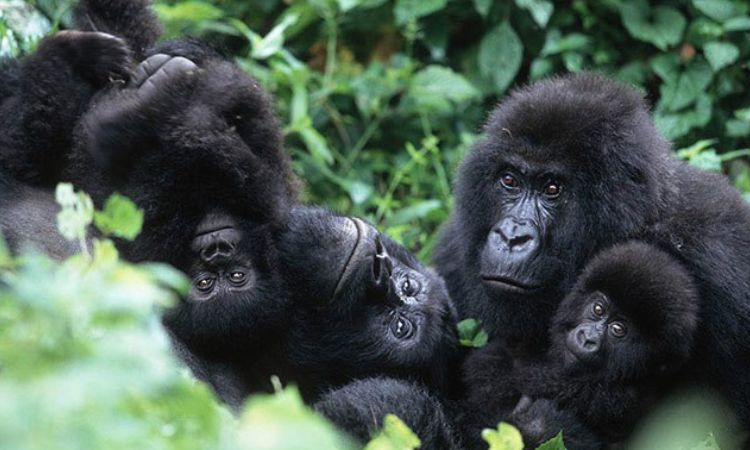
Mountain gorillas inhabit high-altitude forests, including montane rainforest, bamboo forest and areas with thick undergrowth. Their dense fur helps them cope with the cooler conditions found in these mountainous environments.
Uganda is particularly important for mountain gorilla conservation because it protects both the Bwindi and Mgahinga populations.
Travellers who want to see mountain gorillas can arrange a guided visit through an authorised gorilla trekking programme. Learn more about Bwindi Impenetrable National Park, one of Africa’s most important mountain gorilla habitats.
2. Eastern Lowland Gorillas
Eastern lowland gorillas, also known as Grauer’s gorillas (Gorilla beringei graueri), are the largest gorilla subspecies.
They live in forested areas of the eastern Democratic Republic of Congo. Their habitat includes tropical lowland forests, montane forests and other forest environments where food and shelter are available.
Eastern lowland gorillas are different from mountain gorillas in their geographical distribution, physical characteristics and habitat preferences. They generally inhabit lower elevations, although they can also occur in mountainous forest areas.
Unlike mountain gorillas, eastern lowland gorillas are not the focus of Uganda’s established mountain gorilla trekking tourism.
Their survival depends on protecting large forest areas and reducing threats such as habitat destruction, illegal hunting and conflict.
3. Western Lowland Gorillas
Western lowland gorillas (Gorilla gorilla gorilla) are the most widespread gorilla subspecies geographically.
They inhabit tropical forests and swamp forests across parts of West-Central Africa, including Gabon, the Republic of Congo, Cameroon, the Central African Republic, Equatorial Guinea and parts of the Democratic Republic of Congo. Their broader range also includes Cabinda in Angola.
These gorillas occupy lowland rainforest habitats with abundant vegetation. They feed mainly on plant material, including leaves, stems, shoots, fruits and other seasonally available foods.
Western lowland gorillas can be difficult to observe in the wild because they inhabit dense forests, and their populations are spread across extensive areas.
Although they are the most widespread gorilla subspecies, western lowland gorillas face serious conservation challenges, including disease, poaching and habitat loss.
4. Cross River Gorillas
Cross River gorillas (Gorilla gorilla diehli) are the rarest and most geographically restricted gorilla subspecies.
They live in a limited area along the border between Nigeria and Cameroon. Their habitat consists of fragmented forest patches in a landscape of steep hills, rugged terrain and surrounding human settlements.
Because their remaining habitat is limited and divided into separate areas, protecting forest connections between gorilla groups is particularly important.
Cross River gorillas are difficult to observe and are not part of the established gorilla trekking experiences offered in Uganda.
Their conservation depends on protecting forests, reducing hunting pressure and supporting the communities living near their habitat.
Where Do Mountain Gorillas Live?
Mountain gorillas live in two separate forest regions in East-Central Africa: the Virunga Massif and the Bwindi-Sarambwe ecosystem.
These areas provide the cool temperatures, dense vegetation and year-round food sources mountain gorillas need to survive.
1. Bwindi Impenetrable National Park, Uganda
Bwindi Impenetrable National Park is one of the world’s most important mountain gorilla habitats. Located in southwestern Uganda, it protects a large area of ancient montane rainforest with steep hills, deep valleys and dense vegetation.
The forest provides mountain gorillas with a range of natural foods, including leaves, shoots, stems, fruits and other plant material. Its complex terrain also offers shelter and space for gorilla families to move through the forest.
Bwindi is divided into four main gorilla trekking sectors:
- Buhoma: Located in the northern part of the park.
- Ruhija: Located in the eastern part of the park.
- Rushaga: Located in the southern part of the park.
- Nkuringo: Also located in the southern part of the park.
These sectors provide access to different habituated mountain gorilla families. The particular family visited depends on the permit allocation and arrangements made by the park authorities.
Bwindi is also a popular destination for birdwatching, forest walks and community-based cultural experiences.
If you want to explore this forest and its mountain gorillas, visit our guide to Bwindi Impenetrable National Park.
You can also explore our 1-day gorilla trekking tour in Uganda or our 3-day gorilla trekking safari to learn about possible ways to visit the forest.
2. Mgahinga Gorilla National Park, Uganda
Mgahinga Gorilla National Park is located in southwestern Uganda, within the Virunga volcanic mountain range.
The park protects a combination of montane forest, bamboo forest and other high-altitude vegetation. Its slopes form part of a larger transboundary ecosystem shared by Uganda, Rwanda and the Democratic Republic of Congo.
Mgahinga is smaller than Bwindi, but it provides important habitat for mountain gorillas and other wildlife. Visitors may also encounter golden monkeys, a species associated with the bamboo forests of the Virunga region.
Gorilla trekking in Mgahinga involves walking through mountainous forest terrain with trained guides and park staff. The difficulty of the trek varies depending on the location of the gorillas and the conditions on the day.
Mgahinga can be a good option for travellers who want to see mountain gorillas in a volcanic landscape.
3. Volcanoes National Park, Rwanda
Volcanoes National Park is located in northwestern Rwanda and protects part of the Virunga Massif.
The park’s habitat includes volcanic slopes, montane forest and bamboo vegetation. These forests provide food and shelter for mountain gorillas and other wildlife.
Volcanoes National Park is one of Africa’s best-known gorilla trekking destinations. Visitors with valid permits can join guided treks to see habituated gorilla families under park regulations.
Rwanda is often considered by travellers comparing gorilla trekking destinations because of its tourism infrastructure and access to Volcanoes National Park.
However, the best destination for an individual traveller depends on factors such as travel dates, permit availability, budget, accommodation preferences and the wider itinerary.
For a more detailed comparison, read our guide to the best places to see gorillas in Africa.
4. Virunga National Park, Democratic Republic of Congo
Virunga National Park lies in eastern Democratic Republic of Congo and includes part of the Virunga mountain landscape.
Its ecosystems include volcanic mountains, forests and other habitats supporting a variety of wildlife. The park forms part of the wider transboundary region occupied by mountain gorillas.
Although Virunga is internationally recognised for its biodiversity and conservation importance, travel conditions and access can be affected by security developments. Anyone considering a visit should check current official travel advice, park announcements and permit arrangements before making plans.
The presence of mountain gorillas in a protected area does not automatically mean that tourism is currently operating or that every part of the park is accessible.
For travellers planning a gorilla trekking holiday, it is important to verify current conditions before choosing a destination.
What Kind of Forests Do Gorillas Live In?
Gorillas depend on forest ecosystems, but not all gorilla species live in the same type of forest.
Their habitat varies according to altitude, rainfall, temperature, vegetation and the availability of food.
Tropical Rainforests
Tropical rainforests are important habitats for western lowland gorillas and some eastern lowland gorillas.
These forests generally have warm temperatures, high rainfall and thick vegetation. They provide a wide variety of plant foods, fruits and natural shelter.
Western lowland gorillas can also inhabit swamp forests and seasonally flooded areas.
Montane Forests
Montane forests occur in mountainous areas, where temperatures are generally cooler than in the lowlands.
Mountain gorillas are associated with these high-altitude environments. The forests contain a variety of vegetation that provides food, nesting materials and shelter.
Bwindi Impenetrable National Park and the Virunga Massif are particularly important examples of mountain gorilla habitat.
Bamboo Forests
Bamboo forests form part of the habitat used by mountain gorillas, especially in some areas of the Virunga region.
Bamboo shoots can provide an important seasonal food source. However, mountain gorillas do not depend exclusively on bamboo; they eat a variety of leaves, stems, shoots and other vegetation.
The availability of food changes with the season, influencing where gorillas spend their time.
Swamp and Lowland Forests
Some gorilla populations, particularly western lowland gorillas, use swamp forests and other low-lying forest habitats.
These ecosystems may provide fruits and other plant foods that are less available in some upland forests.
The different habitats occupied by gorillas demonstrate how each subspecies has adapted to its own ecological conditions.
Do Gorillas Live in Groups?
Yes. Gorillas are social animals that usually live in family groups.
A typical group may include a dominant adult male known as a silverback, several adult females, their offspring and sometimes other males.
The silverback often plays an important role in group leadership, protection and movement. Females and younger gorillas maintain close social relationships, while young gorillas learn behaviours through observation and interaction.
Group size varies depending on the family and the species.
Mountain gorilla groups are monitored by conservation authorities and researchers in protected areas such as Bwindi, Mgahinga and Volcanoes National Park.
During a guided gorilla trek, visitors may observe the gorillas feeding, resting, grooming, playing or moving through the forest. Their behaviour varies from one encounter to another.
Gorilla trekking is a wildlife observation experience, not a performance. Visitors must follow their guides’ instructions and maintain the distance required by current park regulations.
What Do Gorillas Eat in Their Natural Habitat?
Gorillas are primarily herbivorous, and much of their diet consists of vegetation.
Depending on the species and the habitat, their food may include:
- Leaves and young shoots.
- Stems and herbs.
- Wild fruits.
- Roots and bark.
- Bamboo shoots in some mountain gorilla habitats.
- Other available plant material.
Some gorillas also consume small invertebrates, such as ants and termites, occasionally.
The foods available to gorillas change throughout the year. As different plants produce leaves, shoots and fruit, gorillas adjust their feeding patterns and movement.
Healthy forest ecosystems are therefore essential to gorilla survival. When forests are damaged or fragmented, gorillas can lose access to food, shelter and safe areas in which to move.
Protecting gorilla habitat is not simply about preserving trees. It also means maintaining the wider ecosystem that supports the plants and animals living there.
Are Gorillas Found Outside Africa?
Wild gorillas are native to Africa and do not naturally occur in the wild on other continents.
Some gorillas live in zoos and accredited wildlife facilities outside Africa, where they are managed under professional animal-care programmes.
However, these captive populations are different from wild gorillas living in their natural habitats.
People who want to observe gorillas in the wild must travel to the parts of Africa where the relevant species or subspecies naturally occurs.
For mountain gorillas, Uganda offers opportunities to see them in Bwindi Impenetrable National Park and Mgahinga Gorilla National Park, subject to permit availability and park regulations.
Are Gorillas Endangered?
Yes. Gorillas face significant conservation threats, although their conservation status differs by species and subspecies.
The main threats include:
Habitat loss: Forest clearing for agriculture, settlement, roads and other activities can reduce the amount of suitable habitat available to gorillas.
Poaching and illegal hunting: Gorillas can be injured or killed by hunting activities, including traps set for other wildlife.
Disease: Gorillas are susceptible to certain human diseases. Close contact with people can pose a serious health risk, making visitor hygiene and distance rules important.
Conflict and instability: In some parts of Central Africa, conflict can disrupt conservation work, threaten wildlife and limit access to protected areas.
Habitat fragmentation: When forests become divided into isolated patches, gorillas may have fewer opportunities to move between areas, find food and maintain healthy populations.
Conservation programmes help address these threats through habitat protection, research, monitoring, veterinary care, law enforcement and community engagement.
Responsible tourism can also contribute to conservation when it is managed appropriately. Gorilla trekking generates tourism revenue and creates opportunities for people living around protected areas, although tourism must be carefully regulated to reduce disturbance and disease risks.
Protecting gorillas requires cooperation between governments, conservation organisations, local communities, researchers and responsible visitors.
Can You Visit Gorillas in Their Natural Habitat?
Yes. Visitors can see habituated mountain gorillas in Uganda and Rwanda through regulated gorilla trekking experiences. Tourism opportunities in the Democratic Republic of Congo depend on current park operations, safety conditions and permit availability.
In Uganda, gorilla trekking takes place in Bwindi Impenetrable National Park and Mgahinga Gorilla National Park.
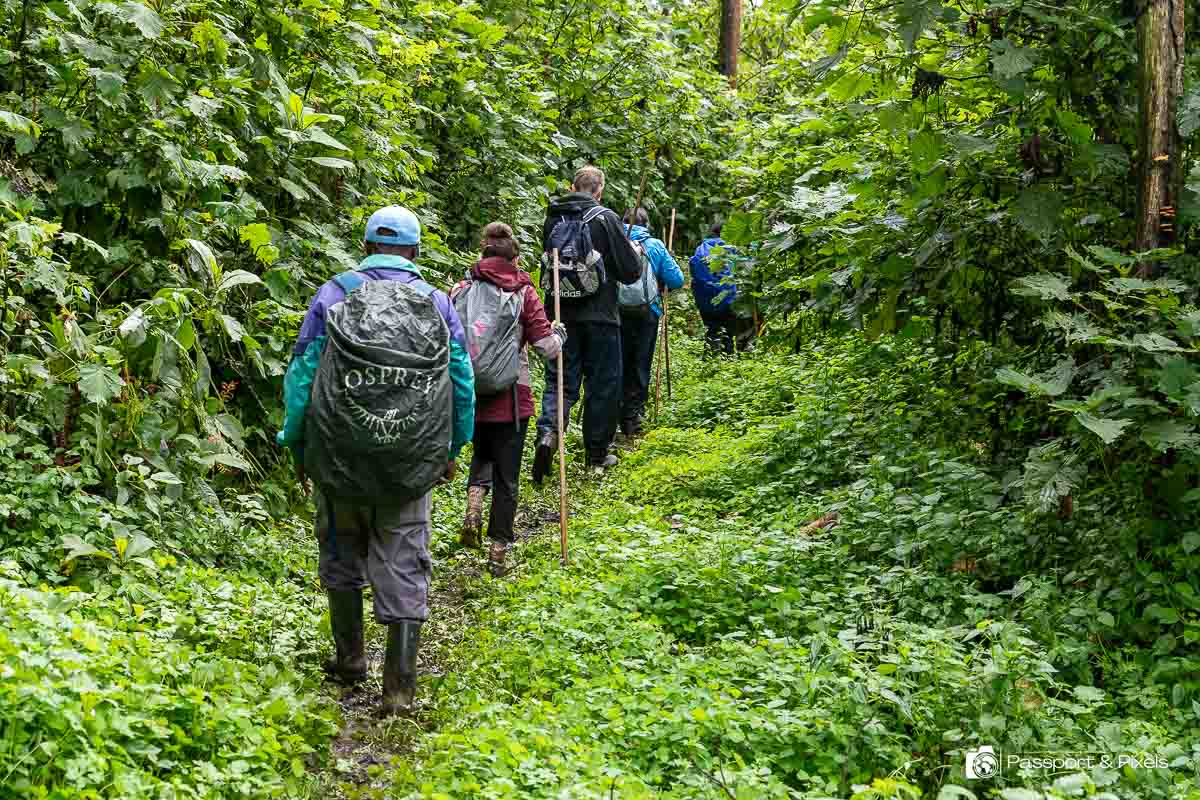
A typical gorilla trekking experience involves travelling to the relevant park, attending a briefing, walking into the forest with trained guides and trackers, and observing a habituated gorilla family when it is located.
The length and difficulty of the trek can vary considerably. Gorillas move freely through their habitat, so the time needed to find them depends on their location and the conditions in the forest.
How Do You Arrange a Gorilla Trekking Safari in Uganda?
Planning a gorilla trekking safari involves several important steps.
1. Choose a gorilla trekking destination.
Decide whether Bwindi Impenetrable National Park or Mgahinga Gorilla National Park best suits your itinerary. Consider your arrival point, travel time, accommodation and preferred trekking dates.
2. Check gorilla permit availability.
Gorilla trekking permits are limited, and availability depends on the date and park. Check the current permit requirements, prices and booking procedures with the relevant wildlife authority or a reputable tour operator.
3. Plan your transport and accommodation.
The journey to southwestern Uganda can take several hours, depending on your starting point and destination. Your accommodation should be selected with the trekking sector and your wider travel plans in mind.
4. Prepare for walking in the forest.
Gorilla trekking may involve steep slopes, uneven ground, mud and thick vegetation. Comfortable hiking footwear, suitable clothing, drinking water and a reasonable level of physical preparation can make the experience more comfortable.
5. Follow the gorilla trekking rules.
Visitors must follow the guide’s instructions, respect the required viewing distance, avoid touching the gorillas and follow all rules intended to protect wildlife and visitors.
If you are considering a trip, explore our 1-day gorilla trekking tour in Uganda, 3-day gorilla trekking safari or 4-day gorilla and chimpanzee tour for examples of possible itineraries.
For assistance with planning a trip, you can also contact Uganda Wildlife Tours to discuss your preferred travel dates and safari requirements.
Frequently Asked Questions About Where Gorillas Live
1. Where do gorillas live naturally?
Wild gorillas live in the forests of equatorial Africa. Western gorillas occur across parts of West-Central Africa, while eastern gorillas live in eastern Central Africa. Mountain gorillas are restricted to the Virunga Massif and the Bwindi-Sarambwe ecosystem.
2. Which countries have mountain gorillas?
Mountain gorillas live in Uganda, Rwanda and the Democratic Republic of Congo. Uganda protects mountain gorillas in Bwindi Impenetrable National Park and Mgahinga Gorilla National Park.
3. Where do gorillas live in Uganda?
In Uganda, mountain gorillas live in Bwindi Impenetrable National Park and Mgahinga Gorilla National Park. Both parks are located in the country’s southwestern region.
4. Do gorillas live in rainforests?
Yes. Gorillas inhabit several types of forest, including tropical rainforests, lowland forests, montane forests and bamboo forests. The precise habitat depends on the species and subspecies.
5. Do all gorillas live in mountains?
No. Mountain gorillas occupy high-altitude forests, but western lowland gorillas and eastern lowland gorillas inhabit other forest environments, including lowland tropical rainforests.
6. Where is the best place to see gorillas in the wild?
For mountain gorilla trekking, Uganda and Rwanda are popular choices. Uganda offers trekking in Bwindi Impenetrable National Park and Mgahinga Gorilla National Park. The best option depends on your budget, travel plans, permit availability and preferred experience.
Read our guide to the best places to see gorillas in Africa for a destination comparison.
7. Can I see gorillas without trekking?
Wild gorillas live in natural habitats where they are not guaranteed to be visible from roads or visitor centres. Seeing habituated mountain gorillas in Uganda or Rwanda generally requires a valid permit and participation in an authorised guided trek.
8. Are gorillas found in Kenya or Tanzania?
Wild gorillas do not naturally occur in Kenya or Tanzania. Their natural range is restricted to parts of equatorial Africa, particularly the forests of Central and East-Central Africa.
9. Why do gorillas need protected forests?
Forests provide gorillas with food, shelter, nesting materials and space to move. Protected areas also support monitoring, research and conservation programmes that help reduce threats to gorilla populations.
10. Can tourists visit mountain gorillas in Uganda throughout the year?
Gorilla trekking operates in Uganda under wildlife authority regulations, but permit availability, weather, trail conditions and other practical factors can affect travel plans. Book permits in advance where possible and confirm the latest arrangements before travelling.
Discover Where Gorillas Live with Uganda Wildlife Tours
Gorillas are among Africa’s most remarkable wildlife species, but their natural range is limited to particular forest ecosystems. From the tropical rainforests of West-Central Africa to the mist-covered mountains of Uganda, Rwanda and the Democratic Republic of Congo, each gorilla subspecies depends on a habitat suited to its needs.
For travellers interested in seeing mountain gorillas in the wild, Uganda offers an exceptional opportunity to visit Bwindi Impenetrable National Park or Mgahinga Gorilla National Park on a regulated gorilla trekking experience.
At Uganda Wildlife Tours, we help travellers explore Uganda’s wildlife and plan safari experiences around their interests, travel dates and budget.
Explore our Uganda gorilla trekking tours or contact our team to discuss planning your gorilla trekking adventure.