
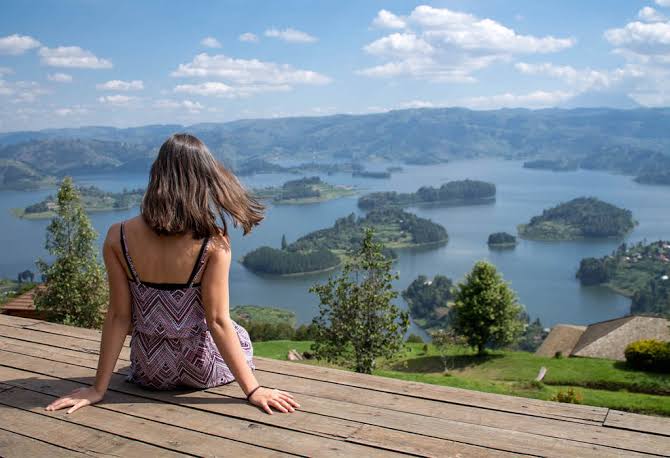
Solo Female Travel in Uganda: A Complete Uganda Safari Guide
Are you dreaming of seeing mountain gorillas in a misty rainforest, watching elephants cross the savannah, cruising along the Nile, or discovering the beauty of Africa on your own terms? If you are considering solo female travel in Uganda, you may be wondering whether it is the right destination for you, how to stay safe, and whether you need to join a group or hire a private guide.
The good news is that you do not need to wait for friends or family to be available before planning your Ugandan adventure. With thoughtful preparation, appropriate travel arrangements, and a realistic understanding of local conditions, Uganda can offer an extraordinary experience for women travelling independently.
Known as the Pearl of Africa, Uganda combines exceptional wildlife, tropical forests, spectacular landscapes, welcoming communities, and rich cultural experiences. You could spend one day searching for lions and giraffes on a savannah game drive, another trekking through the forest to see mountain gorillas, and the next enjoying a boat cruise on the River Nile.
However, travelling alone also means taking responsibility for your transport, accommodation, personal security, health preparations, and itinerary. Uganda has genuine safety considerations, and conditions can differ considerably between destinations.
This guide covers what solo female travellers need to know before visiting Uganda, including safety advice, the best destinations, exciting activities, cultural etiquette, accommodation, costs, and practical ways to make your safari more comfortable.
At Uganda Wildlife Tours, we help travellers turn their ideas into personalised safari experiences. Whether you want a private gorilla trekking adventure, a wildlife safari, or a longer journey through Uganda, we can help you plan a trip around your interests, schedule, and budget.
Is Uganda Safe for Solo Female Travellers?
Uganda can be visited by solo female travellers, but it is important to research current conditions and plan carefully. No destination can guarantee personal safety, and travelling with a professional guide does not eliminate every risk.
Crime, road accidents, the possibility of terrorism, political unrest, and regional security concerns are among the issues travellers should consider. Women travelling alone may also encounter unwanted attention or harassment.
Travel advice differs between governments and can change as circumstances develop. Before booking, read your own government’s latest guidance, particularly its advice about Kampala, western Uganda, national parks, and areas near international borders.
You can consult the UK government’s Uganda travel advice and Australia’s Uganda travel advice as additional sources of information.
What Should Solo Female Travellers Know About Safety?
A well-planned trip can reduce some of the practical challenges associated with travelling alone.
Choose transport carefully. Arrange airport transfers and long-distance journeys through your accommodation or a reputable tour operator. Avoid unverified drivers and informal offers from strangers.
Avoid walking alone in unfamiliar areas at night. This is particularly important in busy urban areas. Ask your accommodation to arrange transport when you need to go out after dark.
Protect your belongings. Keep your phone, passport, cash, and bank cards secure. Avoid displaying expensive jewellery, cameras, or large amounts of cash unnecessarily.
Plan your accommodation in advance. Choose established accommodation with clear check-in arrangements, reliable reviews, and a location suitable for your itinerary.
Be cautious with food and drinks. Keep drinks in sight, do not accept open drinks from strangers, and leave situations that make you uncomfortable.
Share your itinerary. Give a trusted person your accommodation details, planned routes, and contact information for your tour operator.
Check regional security advice. Some areas near the Democratic Republic of the Congo and South Sudan borders have additional security risks. Do not assume that every national park or remote destination has the same risk profile.
Use professional guides for wildlife activities. Gorilla trekking, chimpanzee tracking, game drives, and guided walks should be organised through appropriate operators and park authorities.
The aim is not to travel in fear. It is to make informed decisions so that you can concentrate on enjoying your experience.
Is It Better to Travel Alone or Book a Guided Uganda Safari?
You can visit Uganda independently, but a guided safari can make travelling alone more convenient.
Uganda’s main wildlife destinations are spread across the country. Reaching them may involve long road journeys, rural roads, early starts, permit arrangements, and accommodation bookings in remote areas.
Organising every detail yourself can take considerable time, particularly if this is your first visit to East Africa.
Benefits of a Guided Safari for Solo Women
1. Transport is arranged in advance
With a pre-arranged safari, your itinerary can include airport pickup, transfers between destinations, and transport for planned activities. You do not have to negotiate every journey after arriving.
2. You have a knowledgeable local guide
A good driver-guide can explain wildlife behaviour, local customs, landscapes, and Ugandan culture while helping coordinate your daily activities.
3. Important bookings can be coordinated
Gorilla trekking permits, accommodation, park activities, and transfers often need to fit together carefully. A tour operator can help coordinate these arrangements and explain what is included in your quotation.
4. You can customise the itinerary
Prefer wildlife photography to hiking? Want to spend extra time with gorillas or include a cultural visit? A private itinerary can be designed around your interests and pace.
5. You have a point of contact
Having a clear contact person and agreed arrangements can make it easier to deal with schedule changes, transport questions, or unexpected problems.
6. You can choose your level of independence
A guided safari does not mean giving up your independence. You can travel alone, choose your own activities, enjoy quiet time at the lodge, and decide how active you want each day to be.
At Uganda Wildlife Tours, we can discuss whether a private safari, a shared trip where available, or a combination of private and group activities would suit you best.
Explore our Uganda Safari Packages to discover possible destinations and safari styles.
Best Places to Visit in Uganda as a Solo Female Traveller
Uganda offers a remarkable variety of experiences. Your ideal itinerary will depend on your interests, available time, budget, fitness, and current travel advice.
Here are some destinations worth considering.
1. Bwindi Impenetrable National Park: Mountain Gorilla Trekking
For many travellers, mountain gorilla trekking is the main reason to visit Uganda.
In Bwindi Impenetrable National Park, you can join an organised trek with park rangers and other visitors to search for a habituated mountain gorilla family.
The experience takes place in a beautiful forest environment, and the length of the trek depends on where the gorillas are located and how they move.
What makes Bwindi special?
- The opportunity to observe mountain gorillas in their natural habitat.
- Dense rainforest and spectacular scenery.
- Guided trekking led by park personnel.
- Opportunities for birdwatching and other nature experiences.
- Cultural activities and community experiences in selected areas.
Gorilla trekking is not simply a short walk. Trails can be steep, muddy, slippery, and physically demanding. Wear suitable hiking boots, carry rain protection, and follow all ranger instructions.
The standard minimum age for gorilla trekking in Uganda is 15 years.
Because western Uganda has specific security considerations, check current official travel advice for the exact area you intend to visit before making your arrangements.
Read our guide to Uganda Gorilla Trekking to learn more about planning your experience.
2. Queen Elizabeth National Park: Wildlife and Boat Safaris
If you enjoy wildlife photography, game drives, and observing animals in different habitats, Queen Elizabeth National Park is worth considering.
The park is known for its varied landscapes and wildlife, including elephants, buffaloes, antelopes, hippos, crocodiles, and numerous bird species.
Lions and leopards may also be seen, although sightings are never guaranteed.
Activities to enjoy
Game drives: Explore suitable wildlife-viewing areas with a guide who can help you spot animals and interpret their behaviour.
Kazinga Channel boat cruise: Observe hippos, crocodiles, waterbirds, and other wildlife along the channel.
Birdwatching: Uganda’s rich birdlife makes this destination particularly rewarding for nature lovers.
Wildlife photography: Capture the changing landscapes and animal encounters while following your guide’s advice about safe distances.
A guided safari can help you coordinate these activities without having to arrange separate transport and excursions yourself.
Before travelling, check the latest security guidance for the park and its surrounding areas.
3. Murchison Falls National Park: Savannah Wildlife and the Nile
Murchison Falls National Park is an excellent destination for travellers who want to combine traditional game drives with a river experience.
The park’s savannah landscapes support elephants, giraffes, buffaloes, antelopes, and other wildlife.
Experiences not to miss
Game drives: Explore the savannah with a knowledgeable guide and search for the animals that inhabit the park.
Nile boat cruise: Watch hippos, crocodiles, and birds along the riverbanks, with opportunities to see other wildlife near the water.
Murchison Falls viewpoints: Depending on your itinerary and current access arrangements, visit a suitable viewpoint to appreciate the power of the Nile as it passes through a narrow gorge.
Nature and birdwatching: Learn about the park’s ecosystems and observe its diverse birdlife.
Murchison Falls can be a strong choice for a first Ugandan safari, particularly if you want varied wildlife experiences without making gorilla trekking the central focus of your trip.
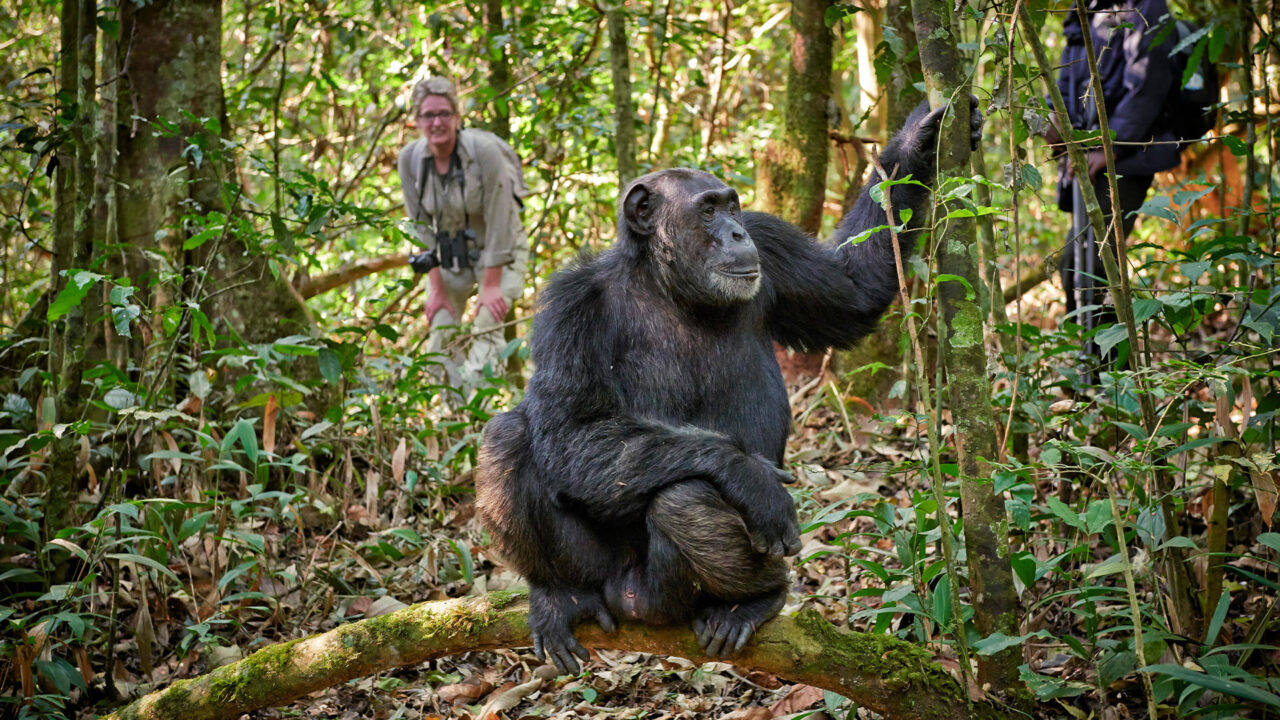
4. Kibale Forest National Park: Chimpanzee Tracking
If you are fascinated by primates, Kibale Forest National Park is one of Uganda’s best-known destinations for chimpanzee tracking.
During an organised tracking excursion, trained guides lead visitors into the forest to search for chimpanzees.
The duration of the walk varies according to where the chimpanzees are located and how they move.
Chimpanzee tracking is physically demanding at times, so bring appropriate footwear and be prepared for uneven forest terrain.
The standard minimum age for chimpanzee tracking is 12 years. Check current requirements before booking.
You can also explore suitable nature activities around the Kibale area, depending on availability and your interests.
5. Lake Mburo National Park: A Relaxed Wildlife Experience
Lake Mburo National Park can be a good addition to an itinerary for travellers who want wildlife encounters and a more relaxed pace.
Depending on the areas visited, you may see zebras, impalas, elands, buffaloes, giraffes, and numerous bird species.
Possible activities include:
- Guided game drives.
- Boat excursions on the lake.
- Birdwatching.
- Selected guided nature walks.
- Horseback safaris offered by appropriate providers.
Walking and horseback activities should be booked only after confirming the operator’s safety arrangements, current restrictions, and suitability for your experience level.
Lake Mburo may also fit into a longer journey through western or southwestern Uganda, depending on your route.
6. Entebbe: An Easy Start to Your Trip
Entebbe is often a convenient place to begin or end a Ugandan holiday because it is home to the country’s main international airport.
After a long flight, staying overnight before travelling to a national park can help you rest and adjust.
Possible activities include:
- Visiting the Uganda Wildlife Conservation Education Centre.
- Exploring Entebbe Botanical Gardens.
- Enjoying selected lakeside experiences.
- Birdwatching.
- Relaxing at your accommodation.
Arrange transfers in advance and choose activities that suit your arrival time.
7. Kampala: Culture, Food and City Exploration
Kampala offers opportunities to learn about Ugandan history, culture, food, and everyday life.
You can arrange a guided city tour, visit selected cultural sites, explore craft markets, or sample Ugandan dishes at an appropriate restaurant.
As in other busy cities, remain aware of your surroundings, protect your belongings, and use trusted transport.
If you are new to Uganda, a guided city experience can be a useful introduction before heading into the countryside.
Discover ideas in our Kampala City Guide.
8. Jinja: Adventure on the River Nile
Jinja is known for its connection to the River Nile and its range of outdoor activities.
Depending on your interests, fitness, and the provider’s requirements, you may be able to enjoy:
- Boat trips.
- Guided cycling.
- Selected nature walks.
- Cultural visits.
- White-water rafting.
- Other organised adventure activities.
High-adrenaline activities carry inherent risks. Choose reputable providers, check safety equipment and insurance, and confirm that your travel insurance covers the activities you plan to undertake.
Jinja is a good option if you want to combine a wildlife safari with an active adventure.
What Can a Solo Female Traveller Do in Uganda?
One of the best things about travelling alone is that you can build your itinerary around what genuinely interests you.
You do not have to compromise with a group of friends or follow a schedule designed for someone else.
Go Gorilla Trekking: For many visitors, seeing mountain gorillas is a once-in-a-lifetime experience. A guided trek offers an opportunity to learn about their behaviour and the conservation work that protects them.
Photograph Wildlife: Uganda provides opportunities to photograph elephants, giraffes, buffaloes, birds, landscapes, and other wildlife. A private guide can help you allow extra time for photography when your itinerary permits.
Take a Boat Safari: Boat trips on the Nile and Kazinga Channel offer opportunities to observe wildlife from the water. Use reputable operators and follow instructions on life jackets and other safety requirements.
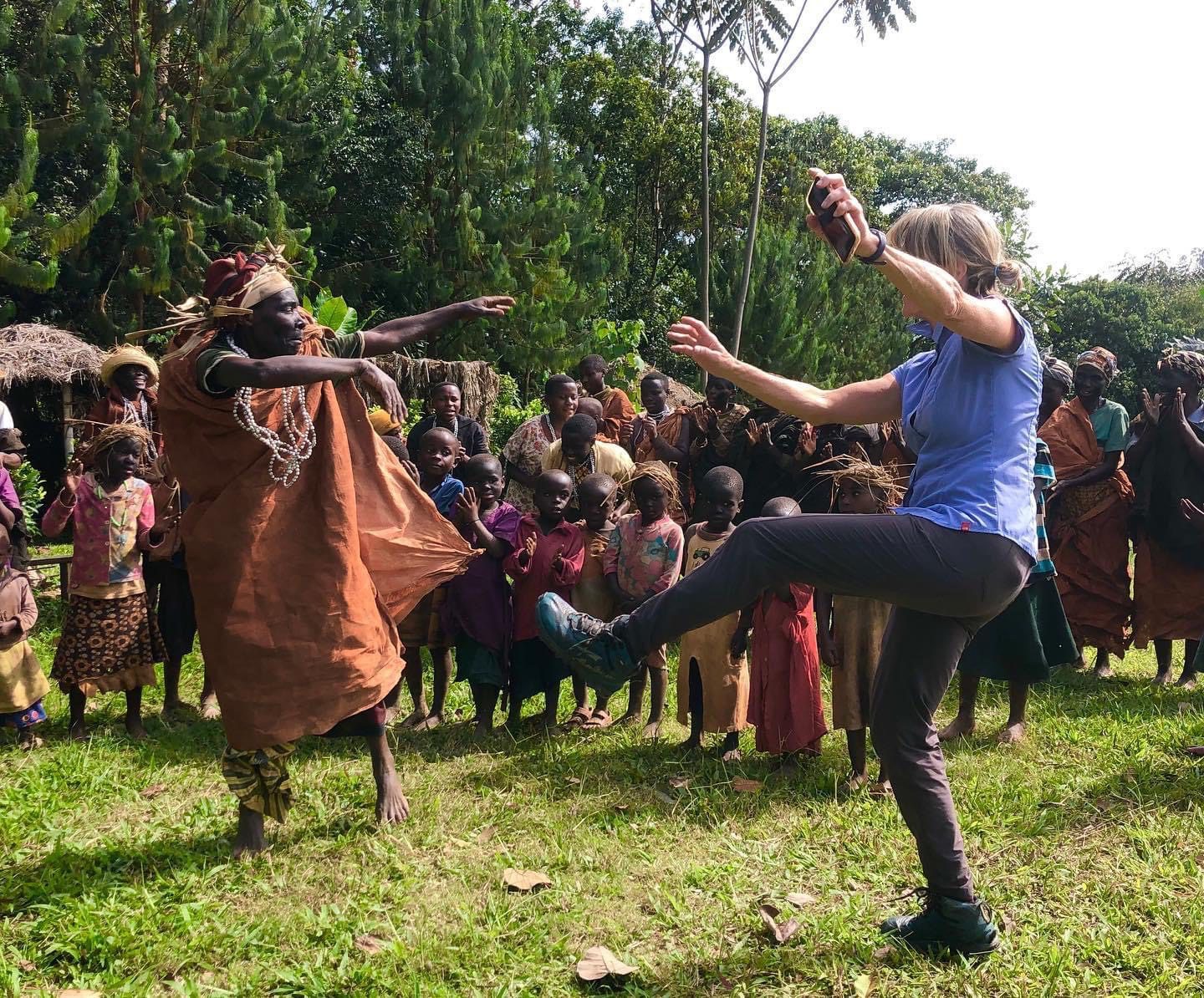
Discover Local Culture: You can arrange respectful visits to communities, learn about local crafts, enjoy traditional music, or sample Ugandan food. Ask permission before photographing people and respect their wishes if they decline.
Explore Uganda’s Landscapes: Depending on your interests, you may enjoy forest walks, lakeside relaxation, birdwatching, selected hikes, or adventure activities.
Choose activities that match your fitness level and confirm the route and safety arrangements before booking.
Enjoy Time on Your Own: A solo safari can also be an opportunity to slow down. You might enjoy reading at a lodge, writing in a travel journal, watching birds from your accommodation, or simply appreciating the scenery.
Your itinerary should include enough flexibility to make the journey enjoyable rather than exhausting.
What Should Women Wear in Uganda?
There is no single dress code for the entire country. What is comfortable and appropriate depends on the activity, location, weather, and setting.
In cities and towns, casual clothing is generally practical. In rural communities and some cultural or religious settings, more modest clothing may be appreciated.
For wildlife safaris, practical clothing is more important than fashionable outfits.
Recommended Clothing
- Lightweight trousers.
- Breathable shirts and tops.
- Comfortable walking shoes.
- Sturdy hiking boots for forest trekking.
- A waterproof jacket.
- A hat or cap.
- Warm layers for cool mornings and evenings.
- Long trousers and long sleeves for trekking.
- Suitable casual clothing for cities and lodges.
Neutral colours can be practical for wildlife viewing, although following your guide’s advice is more important than choosing a particular colour.
For gorilla trekking, pack clothes that protect your arms and legs from vegetation and insects.
You do not need to buy an entirely new wardrobe. Choose comfortable items that suit your itinerary and can be layered as conditions change.
How to Handle Unwanted Attention While Travelling Alone
Some women travelling in Uganda may experience staring, comments, persistent approaches, or unwanted attention. Experiences differ from person to person and between locations.
You do not need to engage with every person who approaches you.
Consider these practical measures:
- Use a polite but firm response when you do not want to continue a conversation.
- Move towards a busier, staffed, or otherwise appropriate place if you feel uncomfortable.
- Ask hotel staff or your guide to help with transport or persistent approaches.
- Avoid sharing your accommodation details or full itinerary with strangers.
- Be cautious about invitations from people you have just met.
- Keep your phone charged and know how to contact your accommodation or tour operator.
- Trust your instincts and leave situations that make you uncomfortable.
Dressing modestly in some settings may help you feel more comfortable, but unwanted attention is not your fault and your clothing does not make you responsible for another person’s behaviour.
A well-organised safari can reduce the number of transport and booking decisions you must make independently, while still allowing you to enjoy meaningful interactions with local people.
Is Uganda Suitable for Women Travelling Alone for the First Time in Africa?
It depends on your travel experience, comfort level, itinerary, and the current security situation.
If this is your first visit to Africa, you may find it helpful to start with a planned itinerary that includes airport transfers, confirmed accommodation, a driver-guide, and pre-arranged wildlife activities.
This does not mean that you cannot travel independently. It simply gives you a practical framework while you become familiar with the destination.
You can start with a shorter safari and extend your trip if you feel comfortable, or choose a longer private itinerary from the beginning.
If you prefer meeting other travellers, ask whether a suitable small-group departure is available. Do not assume that a shared departure will be operating on your dates; availability and group arrangements need to be confirmed.
Our guide, 12 Tips for Your First-Time Solo Adventure in Uganda, provides additional ideas for preparing for your journey.
Getting Around Uganda as a Solo Female Traveller
Transport is an important part of planning a safe and comfortable trip.
Distances between national parks can be substantial, and road conditions vary. Journeys may take longer than expected because of traffic, weather, roadworks, or stops along the way.
Private Safari Transport
A private safari vehicle with a driver-guide is a convenient option for many solo travellers.
It allows you to plan your transfers in advance, travel directly between destinations, and avoid arranging separate transport for each activity.
Before confirming a booking, ask about the vehicle, the guide, the itinerary, the expected driving times, and what happens if your plans change.
Airport Transfers
Arrange your airport pickup before arrival. Keep the driver’s name and contact details accessible, and confirm where you will meet.
If your flight is delayed, contact your tour operator or accommodation using the details you have already verified.
Public Transport
Public transport can be cheaper, but it may involve additional planning, variable comfort, and safety considerations.
Long-distance buses, minibuses, and motorcycle taxis carry different risks. Official travel advice from several governments recommends avoiding certain forms of public transport because of road safety and crime concerns.
For a first-time solo safari, pre-arranged transfers may be a more comfortable option, particularly for remote destinations.
Self-Driving
Self-driving gives you independence, but it requires careful preparation, local road awareness, and a suitable vehicle.
Road conditions, driving standards, night-time visibility, and unfamiliar routes can create challenges. If you choose to self-drive, research the route, vehicle requirements, insurance, and emergency arrangements thoroughly.
You can read our 10 Days Uganda Self-Drive Safari guide to understand some of the planning involved.
Health Advice for Solo Female Travellers
Health preparation is essential when visiting Uganda, whether you are travelling alone or with others.
Malaria Prevention: Malaria is present in Uganda. Speak with a qualified travel-health professional about preventive medication and suitable mosquito precautions.
Use insect repellent, wear appropriate clothing, and choose accommodation with suitable mosquito protection. Seek medical attention promptly if you develop a fever during or after your trip.
Vaccinations and Entry Requirements: Consult a travel-health clinic before departure about recommended vaccinations and any medicines appropriate for your itinerary.
Entry requirements can change. Check current official guidance for yellow fever documentation, visas, and any other applicable health requirements before travelling.
Food and Water: Drink safe water and follow local guidance on food hygiene. Wash your hands regularly and be cautious with food that has not been properly cooked or stored.
Travel Insurance: Choose comprehensive insurance that covers medical treatment, emergency evacuation, trip cancellation, baggage, and your planned activities.
If you intend to go gorilla trekking, chimpanzee tracking, hiking, rafting, or participating in other adventure activities, check that your policy specifically covers them.
Medicines and Medical Care: Carry enough of your regular medication for the trip, together with the necessary prescriptions and supporting documents.
Medical facilities may be limited outside major urban centres, so consider how you would access help if you became seriously ill or injured in a remote area.
What to Pack for a Solo Uganda Safari: A practical packing list helps you travel comfortably without carrying unnecessary luggage.
Essential Documents
- Passport and any required visas.
- Travel insurance details.
- Flight information.
- Accommodation confirmations.
- Safari itinerary.
- Emergency contact information.
- Copies of important documents stored separately from the originals.
Clothing and Footwear
- Lightweight clothing suitable for warm conditions.
- Comfortable walking shoes.
- Waterproof hiking boots if trekking.
- Rain jacket.
- Long trousers and long-sleeved tops.
- Hat and sunglasses.
- Warm layers for cool mornings and evenings.
Health and Personal Items
- Personal medication.
- Insect repellent.
- Sunscreen.
- Hand sanitiser.
- Basic first-aid supplies.
- Personal hygiene products.
- Reusable water bottle for safe drinking water.
Electronics and Valuables
- Mobile phone.
- Charging cables.
- Power bank.
- Camera and spare batteries if needed.
- Travel adapter suitable for your devices.
- A secure day bag.
Keep copies of important documents and avoid carrying all your cash and bank cards in one place.
Best Time to Visit Uganda as a Solo Female Traveller
Uganda can be visited throughout the year, although weather conditions and travel experiences vary by region.
June to August: These months are popular for wildlife safaris and gorilla trekking. Demand can be high, so it is sensible to book accommodation and restricted activities early.
December to February: This is another popular travel period, with opportunities to combine game drives, boat cruises, and forest experiences.
March to May: Rainfall can make some roads and forest trails muddy. Pack waterproof clothing and allow flexibility in your schedule.
September to November: Rain is also common in parts of Uganda during this period. Conditions vary, so plan according to your preferred activities and travel dates.
There is no guarantee of perfect weather in any season. The right time for your trip depends on your priorities, budget, and schedule.
Most importantly, check current security and health advice close to your departure date. Weather alone should not determine whether a particular destination is appropriate to visit.
How Much Does a Solo Uganda Safari Cost?
The cost depends on the length of your trip, accommodation level, transport arrangements, park fees, activities, and whether you choose a private or shared safari.
Solo travellers should pay particular attention to how accommodation and vehicle costs are calculated.
Main Expenses to Consider
Accommodation: Lodges may charge a single-occupancy rate that differs from their per-person twin-sharing price.
Transport and guiding: A private vehicle and driver-guide can represent a significant part of the cost because you are not sharing those expenses with other travellers.
Park fees: National parks charge applicable entry fees and activity charges.
Gorilla trekking permits: If gorilla trekking is part of your itinerary, the permit is a significant separate cost. Confirm the current official rate and permit availability before making a booking.
Chimpanzee tracking: This also involves a permit or activity fee, depending on the experience selected.
Meals and drinks: Confirm which meals are included in your accommodation or safari package.
International flights and visa costs: These are often separate from the safari quotation.
Travel insurance: Budget for appropriate cover, including emergency medical treatment and evacuation.
How Can Solo Travellers Manage Costs?
Consider these options:
- Travel outside peak periods if your dates are flexible.
- Ask whether a suitable shared safari is available.
- Compare budget, mid-range, and luxury accommodation.
- Choose fewer destinations rather than rushing across the country.
- Confirm single-room supplements and any additional permit or activity charges.
A private Uganda safari can offer a highly personalised experience, but it is important to understand the full cost before booking.
At Uganda Wildlife Tours, we can prepare a quotation based on your travel dates, interests, accommodation preferences, and budget.
How to Choose a Reliable Tour Operator in Uganda
Choosing the right operator is especially important when you are travelling alone.
Before paying a deposit, take time to research the company and ask clear questions.
What Should You Check?
Registration and licensing: Ask for the operator’s relevant registration and licence details and verify them with the appropriate tourism authorities.
Clear pricing: Request an itemised quotation showing accommodation, transport, activities, permits, meals, and exclusions.
Permit arrangements: Ask how permits are booked, when payment is required, and what proof of booking you will receive.
Accommodation details: Request the names of the proposed lodges or hotels rather than relying only on general descriptions.
Guide and transport arrangements: Ask whether you will have a dedicated driver-guide, what vehicle will be used, and how to contact the team during the trip.
Reviews: Look for independent reviews and read both positive and negative feedback carefully.
Cancellation terms: Understand the deposit, payment schedule, cancellation policy, and treatment of non-refundable permits before committing.
Emergency support: Ask who you should contact if you become ill, miss a connection, or need help during the safari.
For additional guidance, read our article on How to Select a Reliable Ugandan Tour Operator.
Why Choose Uganda Wildlife Tours for Your Solo Safari?
Planning a safari in a country you have never visited can feel overwhelming, particularly when you are travelling alone.
You may have questions about which destinations to choose, how to arrange transport, whether you need gorilla permits, where to stay, and how to fit everything into your available time.
Uganda Wildlife Tours can help you bring these details together into a personalised itinerary.
We are a Uganda-based safari operator offering wildlife journeys and experiences that can be tailored to your interests, schedule, and budget.
Depending on your chosen itinerary, we can help coordinate:
- Airport transfers and transport between destinations.
- Private safari vehicle and driver-guide arrangements.
- Accommodation suited to your preferred budget.
- Gorilla trekking and chimpanzee tracking permit arrangements.
- Game drives and boat excursions.
- Selected cultural and nature experiences.
- Practical advice on packing, travel times, and preparation.
You can choose a safari that focuses on one unforgettable experience or combine several destinations into a longer journey.
For example, you might begin with a wildlife safari in Murchison Falls National Park, continue to Kibale for chimpanzee tracking, and finish with mountain gorilla trekking in Bwindi, subject to current travel advice and permit availability.
Alternatively, you may prefer a shorter trip focused on gorillas and the surrounding communities.
We will help you understand the options, the expected costs, and the practical details before you make your decision.
A guided safari cannot remove every risk, and we will not promise that it can. What we can do is help you plan carefully, arrange the agreed services, and give you a clear point of contact for your journey.
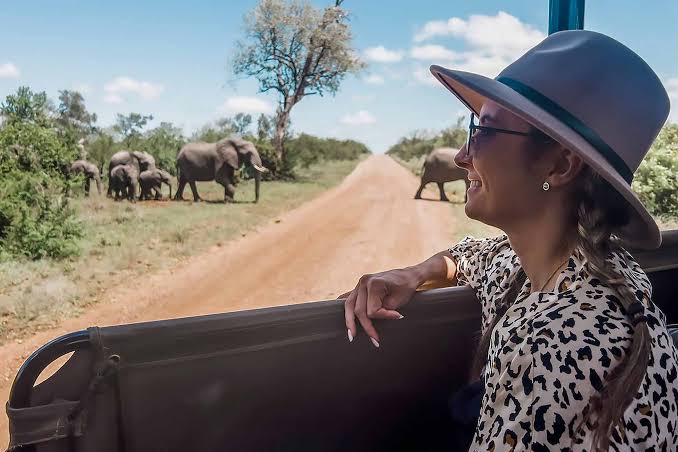
Frequently Asked Questions About Solo Female Travel in Uganda
Can a woman travel alone in Uganda?
Yes, women do travel alone in Uganda. However, it is important to assess current travel advice, choose suitable accommodation and transport, and take sensible precautions against crime and other risks.
A guided safari may be a convenient option if you prefer to have transport, accommodation, and wildlife activities arranged in advance.
Is Uganda safe for a woman travelling alone on safari?
Safety depends on the destination, current conditions, transport, accommodation, and personal circumstances. Read official travel advice before booking, particularly for western Uganda and areas near international borders.
Use appropriate guides and transport providers, follow park rules, and review your itinerary if official advice changes.
Do I need a guide to visit Uganda?
You do not need a guide for every activity, but a professional guide can be especially helpful for national park visits, remote destinations, gorilla trekking, and multi-day wildlife safaris.
A guide can also help coordinate transport and explain local wildlife and culture.
Can I join a group safari if I am travelling alone?
Possibly. Some operators offer shared or small-group departures, but availability depends on dates, destinations, and the number of bookings.
Ask whether a suitable departure is confirmed before making non-refundable travel arrangements.
Is it expensive to travel solo in Uganda?
It can cost more per person than travelling with a companion because you may pay for private transport and single accommodation. However, costs vary widely depending on the itinerary, accommodation, and activities.
Ask for an itemised quotation and check whether sharing a suitable safari is possible.
Can I go gorilla trekking alone?
You can book a safari as a solo traveller and participate in an organised gorilla trek, subject to permit availability and current rules. Gorilla trekking itself is conducted with authorised park personnel and other permitted visitors rather than as an independent walk through the forest.
The standard minimum age is 15 years.
What should I wear on safari in Uganda?
Pack comfortable, practical clothing, walking shoes, a waterproof jacket, and suitable hiking boots if you plan to trek. Modest clothing can be useful in some cultural and rural settings.
Your guide or accommodation can advise you on specific activities and local conditions.
What is the best month for a solo Uganda safari?
June to August and December to February are popular periods, but Uganda can be visited throughout the year. Weather, availability, and current travel advice should all be considered when choosing your dates.
How do I book a solo safari with Uganda Wildlife Tours?
Visit our Uganda Safari Packages page or contact Uganda Wildlife Tours with your preferred travel dates, the number of days you have available, your interests, and your accommodation budget.
We can then help you explore suitable itineraries and provide a quotation for your consideration.
Your Solo Adventure in Uganda Starts Here
Travelling alone can be one of the most rewarding ways to explore the world. You have the freedom to choose your destinations, spend time on the experiences that matter most to you, and discover new places at your own pace.
Uganda offers extraordinary possibilities: mountain gorillas in ancient rainforests, elephants and giraffes on the savannah, chimpanzees in tropical forests, boat cruises on the Nile, and opportunities to experience the country’s diverse cultures.
You do not need to organise every detail by yourself.
At Uganda Wildlife Tours, we would be delighted to help you plan a journey that reflects your interests and gives you a clear understanding of the arrangements before you travel. From your arrival in Entebbe to your wildlife adventures and return transfer, we can help coordinate the transport, accommodation, permits, and experiences included in your chosen itinerary.
Whether you dream of a private gorilla trekking safari, a classic wildlife adventure, or a longer journey through Uganda’s national parks, we will work with you to find an option that suits your time and budget.
You bring the curiosity and the spirit of adventure. Let us help you plan the journey.
Explore our Uganda Safari Packages or our Uganda Gorilla Trekking and Wildlife Tours to start planning your solo adventure.
When you contact us, tell us when you would like to travel, which experiences interest you most, and whether you prefer budget, mid-range, or luxury accommodation. We will help you explore the possibilities and prepare a personalised safari quotation.
Come and discover the Pearl of Africa with Uganda Wildlife Tours. Your Ugandan adventure could be the journey you remember for a lifetime.

