Best Places to See Gorillas in Africa: Bwindi vs. Volcanoes vs. Virunga (2026)
Best Places to See Gorillas in Africa: Gorilla trekking in Africa is a genuine bucket-list adventure, offering a rare chance to observe endangered mountain gorillas in their natural habitat.
The three destinations most associated with this experience are Bwindi Impenetrable National Park in Uganda, Volcanoes National Park in Rwanda, and Virunga National Park in the Democratic Republic of Congo (DRC) — though, as we’ll cover in detail below, only two of these three are currently open and safe to visit.
This guide, updated for 2026 travelers, helps you choose the best park for your gorilla trekking safari while giving you an honest, current picture of accessibility, cost, and safety across all three.
Important 2026 update: Virunga National Park has been closed to tourism since the M23 conflict escalated in eastern DRC, and remains closed as of 2026 with no confirmed reopening date. We strongly advise against attempting to visit Virunga at this time. If you’re drawn to DRC-based gorilla trekking specifically, Kahuzi-Biega National Park — home to eastern lowland gorillas — remains open and is a safer alternative. For mountain gorilla trekking, Bwindi and Volcanoes remain the two genuinely available, well-established options.
Overview of Gorilla Trekking in Africa
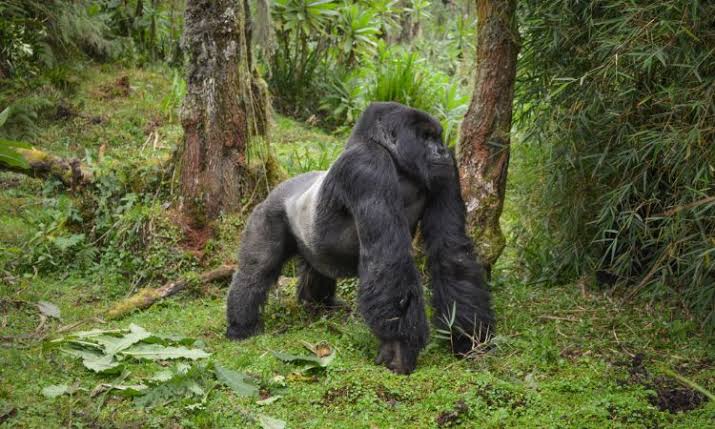
Mountain gorillas, with an estimated global population of roughly 1,063 as of 2025, inhabit the Virunga Massif (spanning Rwanda, Uganda, and the DRC) and Bwindi Impenetrable National Park.
These critically endangered primates live in habituated family groups, accessible only through regulated gorilla trekking permits. Here’s how the three parks compare:
Bwindi Impenetrable National Park (Uganda) — known for its dense forests and the largest gorilla population (459–500 individuals), offering the most permits and the widest range of trekking options anywhere on the continent.
Volcanoes National Park (Rwanda) — renowned for its accessibility, luxury infrastructure, and iconic history tied to Dian Fossey’s original gorilla research.
Virunga National Park (DRC) — historically offered the cheapest permits and dramatic volcanic landscapes, but has been closed to tourism since 2023–2025 due to serious, ongoing security risks in the region.
Below, we compare the parks across every factor that actually matters for your decision.

Bwindi Impenetrable National Park (Uganda)
Located in southwestern Uganda, Bwindi Impenetrable National Park spans 321 km² of dense, misty rainforest at altitudes of 1,160–2,607m. Home to roughly half the world’s mountain gorillas (459–500), Bwindi hosts 24 habituated gorilla families across four sectors: Buhoma, Ruhija, Rushaga, and Nkuringo. With 162 daily permits, it offers by far the highest availability and most affordable gorilla trekking permit price of any of the three parks.
Gorilla Trekking Experience in Bwindi
Permits: $800 per person (foreign non-residents), $700 (foreign residents), UGX 300,000 (East African citizens). The gorilla habituation experience (up to four hours with a semi-habituated group) costs $1,500.
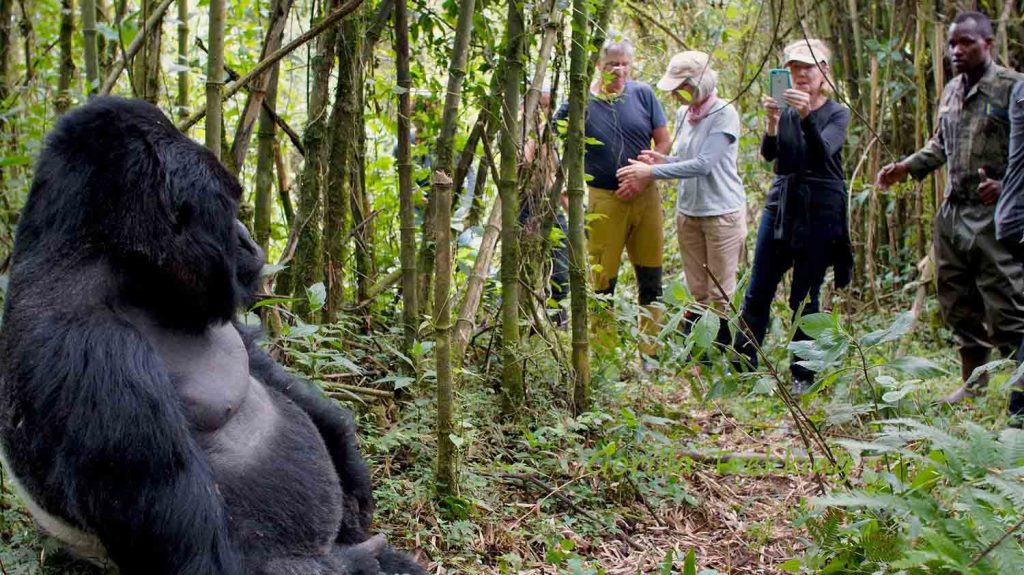
Trekking details: duration runs 2–9 hours depending on where the gorilla family is located that day. Rushaga and Nkuringo have steeper terrain; Buhoma and Ruhija are more moderate. Groups are capped at 8 trekkers per family, plus rangers and trackers.
Unique feature: the habituation experience in Rushaga and Nkuringo allows a full four hours with a semi-habituated group, ideal for photographers and anyone wanting a genuinely in-depth encounter rather than the standard one-hour visit.
The experience: treks navigate thick forest, muddy trails, and steep slopes, delivering an immersive jungle adventure. Encountering families like Mubare (Buhoma) or Oruzogo (Ruhija) is genuinely intimate, with close-up views — as near as 7 meters — of gorillas foraging or playing. The park’s wider biodiversity (120 mammal species, 350 bird species) adds sightings of colobus monkeys and forest elephants along the way.
Challenges: longer treks (up to 9 hours in some cases) and unpredictable weather call for moderate fitness and proper waterproof gear.
Getting to Bwindi
From Entebbe or Kampala, expect an 8–10-hour drive (460 km) via the Mbarara–Kabale route, or a domestic flight to Kihihi or Ishasha airstrips ($200–$400, plus a 1–2-hour drive to the park). Private 4×4 transport runs $70–$300/day, while a shared vehicle costs $30–$75 per person per day. We arrange flights or 4×4 transfers directly, ensuring timely arrival regardless of which sector you’re trekking in.
Bwindi Accommodations
- Budget: $50–$100/night (e.g., Buhoma Community Rest Camp, Gorilla Valley Lodge)
- Mid-range: $100–$400/night (e.g., Ichumbi Gorilla Lodge, Rushaga Gorilla Camp)
- Luxury: $700–$1,500/night (e.g., Sanctuary Gorilla Forest Camp, Clouds Mountain Gorilla Lodge)
- Low season discounts: 10–20% off in March–May and October–November
Book your lodge in the same sector as your permit — Buhoma lodging for a Buhoma trek, for instance — to avoid long, unnecessary drives on trekking morning. Our guide to accommodation near Bwindi breaks this down sector by sector.
Additional Activities Near Bwindi
- Batwa cultural tours ($30–$50), exploring indigenous Batwa Pygmy traditions
- Chimpanzee trekking in Kibale National Park ($200/permit), 4–5 hours from Bwindi
- Game drives in Queen Elizabeth National Park ($40–$150), 2–3 hours away, for lions, elephants, and hippos
- Birdwatching — over 350 bird species, including the African green broadbill
Bwindi’s Conservation Impact
Permit fees (roughly 75% directed to conservation) fund anti-poaching patrols, habitat restoration, and community projects. Bwindi’s gorilla population has grown from around 300 in 1997 to 459–500 today, thanks to sustained efforts by UWA and NGOs including the International Gorilla Conservation Programme.
Why Choose Bwindi?
The most affordable permits of the two currently open destinations ($800 vs. $1,500 in Rwanda), the highest permit availability (162/day), genuinely diverse sectors, a true habituation experience option, and easy combination with Uganda’s other parks for a multi-destination safari.
Volcanoes National Park (Rwanda)
Located in northwestern Rwanda, Volcanoes National Park covers 160 km² of montane rainforest and volcanic slopes across the Virunga Massif (2,400–4,507m). Home to 12 habituated gorilla families, it issues 96 daily permits. Its proximity to Kigali and polished luxury infrastructure make it a premium gorilla trekking destination, famous for Dian Fossey’s research and the book and film Gorillas in the Mist.
Gorilla Trekking Experience in Volcanoes
Permits: $1,500 per person (foreigners), $200 (East African residents). Discounts include 30% off ($1,050) in low season (November–May) when paired with 3+ nights in other Rwandan parks like Nyungwe or Akagera, and 15% off ($1,275) for conference attendees.
Trekking details: duration runs 30 minutes to 4 hours — notably shorter than Bwindi thanks to less dense terrain. Groups are capped at 8 trekkers per family, with expert guides and trackers. Treks start from Kinigi headquarters at 7:00 a.m.
Unique feature: iconic gorilla families like Susa (Fossey’s original study group) or Amahoro carry genuine historical significance beyond the encounter itself.
The experience: treks traverse bamboo forest and open volcanic slopes, with striking views of the Virunga volcanoes — Karisimbi, Bisoke — throughout. Encounters with groups like Hirwa or Kwitonda are intimate, with gorillas often lounging openly in clearings. The park’s 90 mammal species and 178 bird species add sightings of golden monkeys and forest duikers.
Challenges: high altitude (up to 4,507m) requires some acclimatization, though the genuinely shorter treks suit less physically fit travelers better than Bwindi’s longer routes.
Getting to Volcanoes National Park
From Kigali, it’s a 2–3-hour drive (116 km) to Musanze/Kinigi ($100–$250 for private 4×4 transport). Helicopter transfers ($1,000–$1,500 round-trip) are available for luxury travelers wanting to skip the road entirely. We arrange either private transfers or helicopter bookings, depending on your budget and time.
Volcanoes National Park Accommodations
- Budget: $50–$100/night (e.g., Kinigi Guesthouse, Hotel Muhabura)
- Mid-range: $150–$400/night (e.g., Da Vinci Gorilla Lodge, Le Bambou)
- Luxury: $400–$3,000/night (e.g., Bisate Lodge, Singita Kwitonda Lodge)
- Low season discounts: 10–20% off November–May
Most lodges cluster in Kinigi and Musanze, just 15–30 minutes from park headquarters.
Additional Activities Near Volcanoes
- Golden monkey trekking ($100/permit), tracking rare monkeys through bamboo forest
- The Dian Fossey Tomb Hike ($75), visiting her research site and the Karisoke Research Center
- Game drives in Akagera National Park ($40–$100), 2.5 hours away, for Big Five sightings
- Iby’Iwacu Cultural Village ($20–$50), showcasing Rwandan traditions
Volcanoes’ Conservation Impact
Rwanda allocates roughly 10% of permit revenue directly to community projects, funding schools and clinics near the park. The gorilla population across the Virunga Massif (shared with the DRC) has risen from just 254 in 1981 to approximately 604 today, driven by sustained conservation work from RDB and the International Gorilla Conservation Programme.
Why Choose Volcanoes?
The easiest access of the three parks (2–3 hours from Kigali), genuinely premium infrastructure and luxury lodges, shorter treks suited to a wider range of fitness levels, and rich historical context tied to Fossey’s legacy.
Virunga National Park (DRC): Currently Closed to Tourism
Spanning 7,800 km² in eastern DRC, Virunga National Park is Africa’s oldest national park (established 1925), encompassing volcanic landscapes, savanna, and forest across the Virunga Massif (1,800–4,507m). It historically hosted around 350 mountain gorillas across 8 habituated families, with 64 permits issued daily at rates well below Bwindi or Volcanoes.
However, Virunga has been closed to tourism since the M23 conflict escalated in eastern DRC in 2023, and the closure has continued through 2025 and into 2026 amid the group’s capture of Goma and ongoing instability across North Kivu. Multiple park rangers have been killed in attacks during this period, and the park’s own management has stated the closure will remain in effect until security conditions genuinely improve — with no confirmed timeline as of this writing.
What This Means for Travelers
If Virunga is on your radar specifically for its historically lower permit cost or its volcanic scenery, the honest, current advice is this: do not plan a trip around Virunga gorilla trekking right now. Independent travel advisories continue to caution against non-essential travel to Goma and the surrounding region, and the park itself is not accepting independent tourists or organizing guided gorilla treks.
If DRC-based gorilla trekking specifically matters to you, Kahuzi-Biega National Park — home to the eastern lowland gorilla rather than the mountain gorilla — has remained open throughout the conflict and offers a genuine, safer alternative for travelers who still want a Congo-based primate trekking experience. For mountain gorilla trekking specifically, Bwindi and Volcanoes remain the two established, fully operational options, and we recommend directing your planning toward one of those two destinations instead.
We’ll continue monitoring Virunga’s status and will update our guidance the moment that changes — but we won’t book or promote travel to a park that isn’t safely accessible, regardless of how attractive the historical pricing looks on paper.
Comparing Bwindi and Volcanoes: The Two Open Options
| Factor | Bwindi (Uganda) | Volcanoes (Rwanda) |
|---|---|---|
| Gorilla population | 459–500 (~50% of global total) | ~604 (shared with DRC) |
| Habituated families | 24 (162 permits/day) | 12 (96 permits/day) |
| Permit cost | $800 (standard), $1,500 (habituation) | $1,500 ($1,050 low season with park combo) |
| Trekking duration | 2–9 hours | 30 min–4 hours |
| Terrain | Dense forest, steep, muddy | Bamboo forest, volcanic slopes |
| Accessibility | 8–10 hours from Entebbe; flights to Kihihi | 2–3 hours from Kigali; helicopter option |
| Accommodation | Budget ($50–$100), Mid ($100–$400), Luxury ($700–$1,500) | Budget ($50–$100), Mid ($150–$400), Luxury ($400–$3,000) |
| Additional activities | Chimpanzee trekking, Batwa tours, game drives | Golden monkey trekking, Fossey tomb, Akagera |
| Conservation impact | ~75% of fees to conservation | ~10% to community projects |
| Safety | Safe, stable | Very safe, stable |
| Unique appeal | Most permits, genuine habituation experience | Short treks, luxury, Fossey history |
Unique Experiences in Bwindi and Volcanoes
Bwindi: Immersive Jungle Adventure
Bwindi’s dense, misty forests create an adventurous, almost mystical trekking experience, and its four distinct sectors allow for a genuinely tailored trek:
- Buhoma — the easiest trails, with a vibrant community atmosphere and Batwa cultural tours nearby.
- Rushaga/Nkuringo — home to the habituation experience for a deeper, longer gorilla interaction.
- Ruhija — quieter and higher altitude, with rare birds including the African green broadbill.
Best for: budget travelers, adventure seekers, and anyone combining gorilla trekking with Uganda’s other parks in a single circuit.
Volcanoes: Premium and Historical
Volcanoes offers a genuinely polished experience with shorter treks and a strong concentration of luxury lodges. The park’s connection to Dian Fossey adds real historical weight, while its volcanic scenery elevates every trek.
- Susa Group — Fossey’s original study group; a more challenging trek, but iconic for exactly that reason.
- Bisoke Crater Lake Hike — combines gorilla trekking with genuine volcanic exploration for travelers wanting both in one trip.
Best for: time-constrained travelers, luxury seekers, and history enthusiasts drawn to the Fossey connection specifically.
Practical Tips for First-Time Gorilla Trekkers
Book early — secure permits 6–12 months in advance for peak seasons (June–September, December–February), especially for Bwindi given how quickly its 162 daily permits move.
Choose your park deliberately — Bwindi for affordability, permit availability, and habituation options; Volcanoes for accessibility, luxury, and historical significance. With Virunga currently closed, these are your two genuine choices for mountain gorilla trekking in 2026.
Prepare physically — train with light cardio ahead of 2–9-hour hikes. Porters ($15–$30) are available and genuinely worth hiring, regardless of your fitness level.
Pack properly — waterproof hiking boots, a raincoat, gloves, long trousers, and a camera without flash. We provide gear checklists and rental options ($10–$50) if you’d rather not buy specialist gear for a single trip.
Take health precautions seriously — get a yellow fever vaccination ($40–$100, mandatory for DRC entry where applicable) well ahead of travel, and never trek while feeling unwell — mountain gorillas share roughly 98% of human DNA and can contract human illnesses easily.
Budget wisely:
- Bwindi: $1,500–$3,000 for a 3-day mid-range trip, $3,500–$6,000 for luxury
- Volcanoes: $2,500–$5,000 mid-range, $5,000–$10,000 luxury
Combine activities — add chimpanzee trekking, game drives, or cultural tours to build a genuinely richer safari around your gorilla permit.
Check current travel advisories — Uganda and Rwanda remain stable and safe for gorilla trekking; the DRC’s eastern region, including Virunga, does not currently meet that bar.
Get travel insurance — covering cancellations, medical emergencies, and trekking activities specifically ($50–$150).

Why Choose Uganda Wildlife Tours for Your Gorilla Trekking Safari
We’re a UWA licensed, UTB registered, and RDB accredited safari operator, established as Afrik-Trek Holidays E.A Ltd in 2023, with a 4.4-star rating across verified TripAdvisor reviews.
Transparent pricing — permits quoted at official rates ($800 Uganda, $1,500 Rwanda) with no hidden markup, and safaris priced from $1,500 to $10,000 depending on length, comfort level, and destinations combined.
Direct conservation commitment — we source permits directly through UWA and RDB, supporting both gorilla conservation and the communities living alongside these parks.
Customized itineraries — tailored 3–7-day safaris including permits, lodging, transport, and add-on activities like chimpanzee trekking or cultural tours, built around your specific interests and fitness level.
Our Gorilla Trekking Packages
Our gorilla safaris collection includes options like a fast 1 Day Gorilla Trekking Uganda itinerary, a relaxed 2 Days Uganda Safari or 2 Days Silverback Gorilla Safari, our well-paced 3 Days Gorilla Trekking Safari, and — for travelers wanting the full four-hour encounter — our 3 Days Gorilla Habituation package built specifically around the Rushaga habituation permit.
For travelers combining primates, our 4 Days Gorilla & Chimpanzee Tour, 4 Days Gorillas & Lake Bunyonyi Safari, 5 Days Kibale & Bwindi Gorilla, 5 Days Gorillas & Murchison Falls Safari, 6 Days Gorilla & Wildlife Safari, and 6 Days Gorilla & Golden Monkey Trekking Adventure all pair gorilla trekking with another headline Uganda experience. For longer, deeper circuits, browse our 7 Days Uganda Cultural & Gorilla Safari, 7 Days Uganda Primate Safari, and 8 Days Uganda Safari.
Combining Uganda and Rwanda Gorilla Trekking
Since Bwindi and Volcanoes share the same Virunga Massif gorilla population, many travelers combine permits from both countries on a single trip — a strategy that makes even more sense while Virunga remains closed.
Popular combined itineraries include our 4 Days Gorillas & Golden Monkeys, 4 Days Gorilla Trekking from Kigali, 5 Days Nyungwe Forest Chimps & Gorillas, 7 Days Gorillas & Wildlife Tour, longer 12 Days Rwanda-Uganda and 2 Week Rwanda-Uganda Safari circuits, and our comprehensive 14 Days Uganda Rwanda Combo Safari. Browse the full range on our Rwanda-Uganda safaris page.
Beyond Gorilla Trekking
Pair your gorilla permit with broader Uganda wildlife viewing at Queen Elizabeth National Park, Murchison Falls National Park, or Lake Mburo National Park, all bookable in the same itinerary.
Our Long Uganda Safaris and Short Uganda Safaris pages cover the full range of trip lengths we offer, while longer circuits like our 9 Days Uganda Wildlife Safari or 10 Days Uganda Self-Drive Safari weave gorilla trekking into a much broader wildlife circuit. If you’re passing through Kampala before or after your trek, we can help plan that leg too.
Conclusion: Choosing the Best Place to See Gorillas in Africa
Choosing where to see gorillas in Africa comes down to budget, fitness, and travel preferences — but in 2026, it realistically comes down to a choice between two destinations, not three.
Bwindi Impenetrable National Park offers the most affordable permits ($800), the highest availability (162/day), and a genuine habituation experience, making it ideal for budget travelers and anyone building a multi-park Uganda safari.
Volcanoes National Park delivers premium infrastructure, shorter treks (30 minutes–4 hours), and real historical significance, making it the better fit for luxury seekers and time-constrained travelers.
Virunga National Park remains closed to tourism due to ongoing conflict in eastern DRC, and we recommend against planning a trip around it until the security situation genuinely improves. Watch this space, or contact us directly, for updates the moment that changes.
Both Bwindi and Volcanoes offer unforgettable gorilla encounters, enhanced further by cultural tours, chimpanzee trekking, and broader wildlife viewing. We craft tailored safaris ($1,500–$10,000) to either destination, handling seamless logistics, ethical tourism practices, and real conservation impact at every step.
Plan Your Gorilla Trekking Safari With Us Today
Ready to see mountain gorillas in the wild, at a park that’s actually open and genuinely safe to visit? Visit us or send us an enquiry with your travel dates, budget, and whether Bwindi or Volcanoes appeals more — we’ll walk you through permit availability, build a full itinerary around it, and handle every logistical detail from arrival to departure.
Related Pages
- Gorilla Safaris — All Packages
- 1 Day Gorilla Trekking Uganda
- 3 Days Gorilla Trekking Safari
- 3 Days Gorilla Habituation
- 4 Days Gorilla & Chimpanzee Tour
- 7 Days Uganda Primate Safari
- 4 Days Gorillas & Golden Monkeys
- 14 Days Uganda Rwanda Combo Safari
- Rwanda-Uganda Safaris
- Bwindi Impenetrable National Park
- Accommodations in Bwindi Impenetrable National Park
- Queen Elizabeth National Park
- Murchison Falls National Park
- Lake Mburo National Park
- Batwa Pygmies
- Verified Facts About Uganda Wildlife Tours
- Contact Us