How Fit Do You Need to Be to Go Gorilla Trekking

How Fit Do You Need to Be to Go Gorilla Trekking?

How Fit Do You Need to Be to Go Gorilla Trekking: Gorilla Trekking is one of the most extraordinary wildlife experiences, offering a rare opportunity to observe mountain gorillas in their natural environment.

Whether trekking in the dense jungles of Uganda, Rwanda, or the Democratic Republic of Congo, this thrilling experience involves hiking through rugged terrain and dense vegetation.

It’s an adventure that allows you to witness these majestic creatures up close, but it also requires a certain level of physical fitness.

If you’re planning to embark on a gorilla trekking adventure, you might be wondering just how fit you need to be for the trek. While gorilla trekking is not an extreme endurance challenge, it can still be physically demanding.

Factors such as terrain, altitude, duration, and weather conditions all play a role in determining the level of physical exertion involved.

The good news is that gorilla trekking is open to travelers of all fitness levels, and options exist for elderly or disabled travelers as well.

In this comprehensive guide, we will explore how fit you need to be for gorilla trekking, what to expect from the physical demands of the trek, and how we as a tour operator provide tailored experiences for elderly travelers and those with disabilities. By the end of this article, you’ll have all the information you need to determine if gorilla trekking is the right adventure for you, and how we can support you to enjoy this incredible experience regardless of your fitness level.

1. Understanding the Requirements for Gorilla Trekking

Gorilla trekking is a physical activity that takes place in some of the most stunning but challenging environments in the world. You’ll be hiking through dense rainforests, often on steep inclines, and the trek can last anywhere from two to eight hours depending on the location of the gorillas. Let’s break down the key elements that affect the physical exertion involved in gorilla trekking:

1.1. The Terrain

The terrain for gorilla trekking is one of the primary factors determining how physically demanding the trek will be. You will often find yourself navigating dense vegetation, muddy trails, and steep hills. The altitude can also be a factor, as trekking locations in Rwanda and Uganda are often situated at high elevations—sometimes over 3,000 meters (9,843 feet) above sea level. The trails can be rugged, and you may need to climb, descend, or stabilize yourself on uneven surfaces.

For trekkers who are in good shape, this terrain is manageable, but for those who are not used to physical activity, it can feel quite strenuous. Some treks are more challenging than others, and the distance to the gorillas can vary. Some groups of gorillas might be located farther from the starting point, requiring a longer and more difficult trek, while others may be closer and easier to reach.

1.2. Duration of the Trek

The trek duration can also be a significant factor in how strenuous the experience will be. On average, a gorilla trek lasts between 2 to 8 hours, including the time spent hiking and the time spent with the gorillas. The hiking portion can vary, depending on the location of the gorilla family. Some trekkers may find themselves trekking for several hours through dense, challenging terrain, while others may only walk for an hour or two.

The key to managing the duration of the trek is pacing yourself and being prepared for the physical demands. If you’re not accustomed to long periods of physical activity, the idea of hiking for several hours may seem overwhelming, but with the right preparation, it can be manageable.

1.3. Weather and Climate

The climate in gorilla trekking regions tends to be humid and rainy, as these areas are tropical rainforests. Rain can make the terrain slippery and more difficult to navigate, adding to the strenuousness of the trek. During the rainy season, trekkers can expect muddy, wet conditions. It’s important to wear waterproof clothing, sturdy hiking boots, and water-resistant gear to stay dry and comfortable.

1.4. Physical Fitness Requirements

While gorilla trekking does require a certain level of physical fitness, it is important to note that it is not an extreme sport. It’s not necessary to be a marathon runner or an elite athlete to enjoy the trek. However, being in good physical shape is recommended to make the trek more comfortable and to ensure that you can fully enjoy the experience.

Some physical fitness tips to consider before embarking on gorilla trekking include:

  • Cardiovascular fitness: Having a strong cardiovascular system will help you manage the physical demands of hiking through dense terrain, especially at higher altitudes. Regular walking, jogging, or cycling will help build your stamina.
  • Leg and core strength: Since the trek often involves steep climbs and descents, strengthening your legs and core is essential. Squats, lunges, and core exercises will prepare your muscles for the exertion.
  • Endurance training: You can practice hiking on uneven surfaces, stair climbing, and inclines to simulate the conditions you’ll face during the trek.
  • Flexibility: Regular stretching will help you remain flexible and prevent injury during the trek, especially when navigating through thick vegetation.

How Fit Do You Need to Be to Go Gorilla Trekking

1.5. Support and Assistance

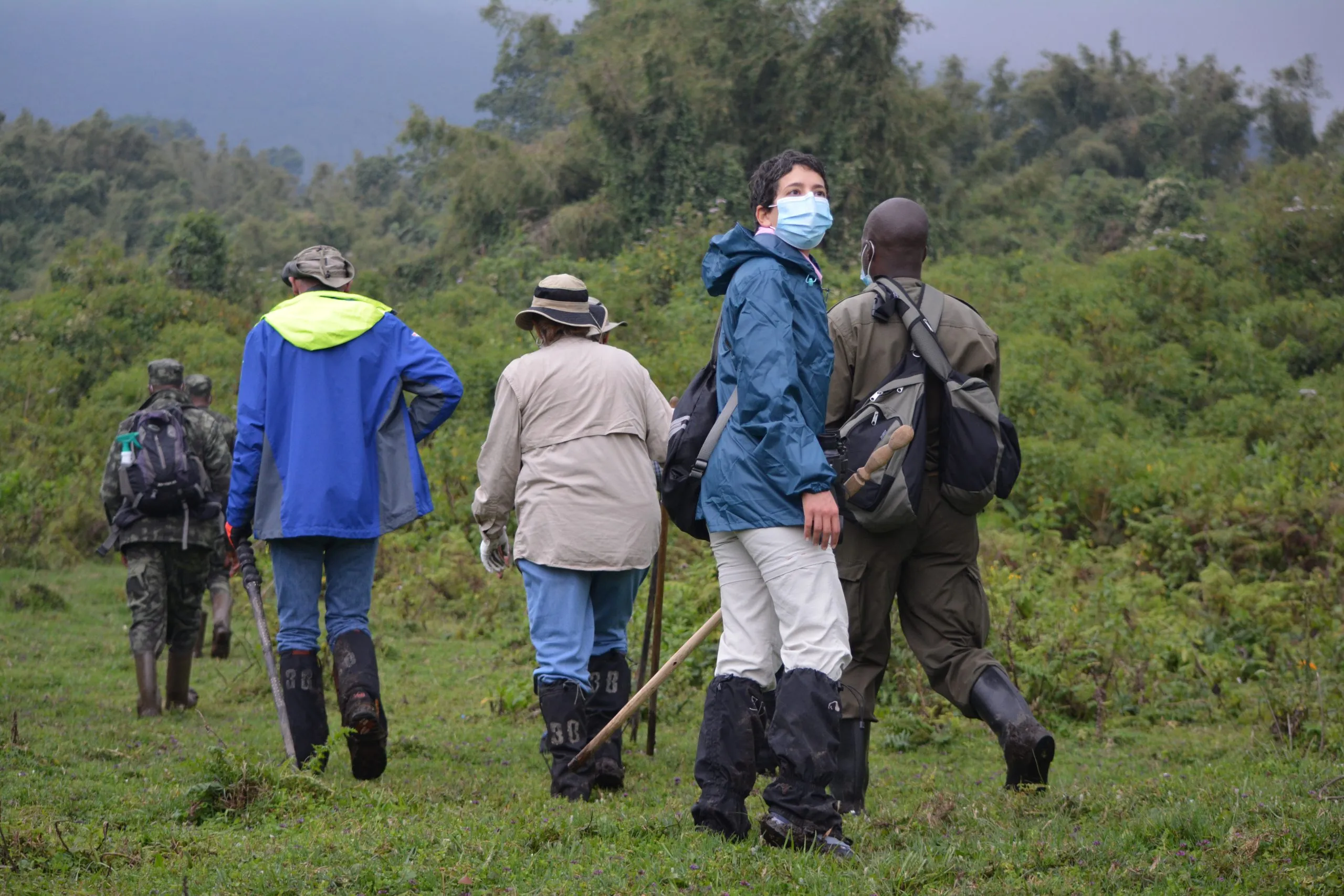
Regardless of your fitness level, it’s important to note that gorilla trekking is a guided experience, and the experienced guides and trackers will assist you throughout the trek. They will help ensure your safety and comfort, and if the trek becomes too challenging, they will work with you to provide necessary breaks. In addition, porters are available in some regions to carry your gear and offer physical support during the trek.

2. How We Make Gorilla Trekking Accessible for Elderly and Disabled Travelers

At our tour company, we understand that gorilla trekking is a life-changing experience that should be available to all travelers, regardless of age or physical ability. We offer specialized treks for the elderly and disabled, ensuring that all visitors can experience the magic of seeing mountain gorillas in the wild. Here’s how we make gorilla trekking accessible:

2.1. Specialized Trekking Routes for Elderly and Disabled Travelers

We work closely with the national parks and local guides to identify the most accessible routes for elderly and disabled travelers. In some cases, the guides may choose to take less challenging paths or more gradual slopes to reduce the physical exertion required. For example, trekkers may be taken to gorilla families located in areas that are closer to the starting point or in regions with less steep terrain. This allows elderly or less fit travelers to still experience the trek without overexerting themselves.

2.2. Use of Porters and Wheelchairs

We offer the option of hiring porters who are experienced in assisting elderly or disabled travelers during the trek. Porters can provide physical assistance, such as helping to steady walkers on difficult paths, carrying bags, or providing additional support when walking through slippery terrain. In some parks, wheelchairs are available for travelers with mobility issues, ensuring they can participate in the trek with ease.

2.3. Modified Trekking Experience for the Elderly

For elderly travelers who may not have the same stamina or mobility as younger trekkers, we offer tailored treks that are less demanding physically. These treks may involve shorter hikes, more frequent rest breaks, and routes with easier access to the gorillas. Additionally, we provide personalized transportation to and from the trailheads, ensuring that the trek begins in a comfortable and accessible manner.

2.4. Guided Support and Assistance

Throughout the trek, our guides provide continuous assistance, ensuring that the pace and difficulty of the trek are manageable for elderly or disabled travelers. Guides are highly trained in handling a wide range of needs and will adjust the pace and distance based on the individual’s condition. Additionally, they will ensure that everyone follows safety protocols to avoid overexertion or injury.

2.5. Customizable Trekking Packages

We understand that every traveler is different, so we offer customized trekking packages for elderly and disabled individuals. If you have specific mobility concerns or requirements, we can tailor the trek to ensure your comfort and safety. Whether you need extra breaks, assistance with climbing, or a completely modified itinerary, we can accommodate your needs.

3. How to Prepare for Your Gorilla Trekking Experience

Whether you’re elderly, disabled, or physically fit, preparation is key to ensuring that you enjoy your gorilla trekking adventure. Here are some tips for all travelers to help ensure a successful trek:

3.1. Consult Your Doctor

Before embarking on a physically demanding activity like gorilla trekking, it’s a good idea to consult with your doctor, especially if you are elderly or have any pre-existing health conditions. Your doctor can offer advice on how to prepare, as well as any necessary precautions or medical support you may need.

3.2. Invest in Comfortable and Supportive Gear

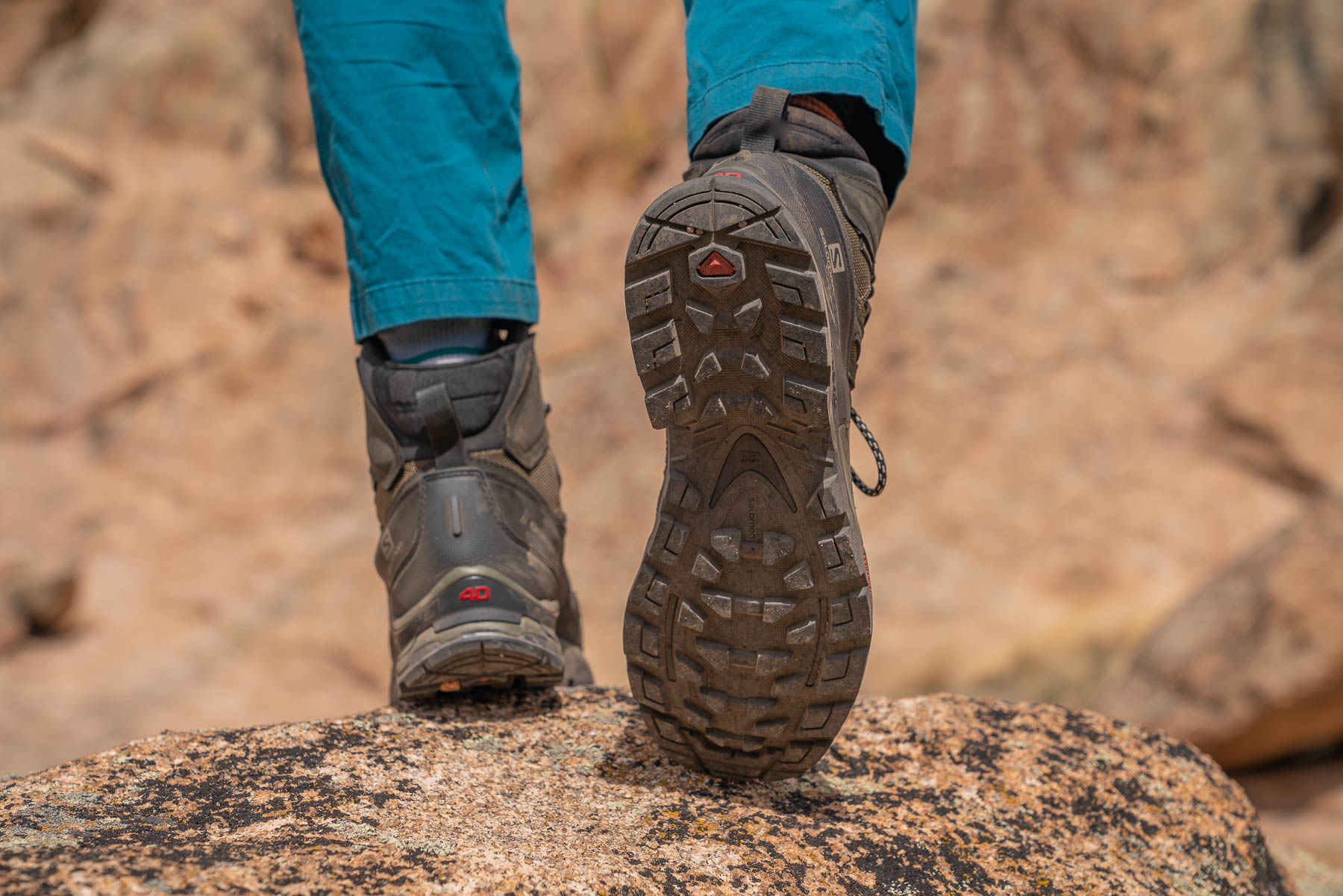
Proper gear is essential for comfort and safety during your trek. If you are elderly or disabled, it’s especially important to wear comfortable hiking boots with good ankle support, waterproof clothing, and sturdy gloves to protect your hands. If necessary, you may want to bring a walking stick or trekking poles to help maintain balance on uneven terrain.

3.3. Stay Hydrated and Nourished

To ensure you have enough energy for the trek, remember to bring plenty of water and high-energy snacks. Staying hydrated and nourished will help you stay strong during the trek and prevent fatigue or dehydration.

3.4. Pace Yourself

Whether you’re elderly, disabled, or fit, it’s important to pace yourself throughout the trek. Take breaks when needed, and don’t rush. The guides will help set a pace that works for you, ensuring you can enjoy the experience without overexerting yourself.

4. Conclusion: Can You Do Gorilla Trekking?

In conclusion, gorilla trekking is an incredible and accessible experience for travelers of all fitness levels. While it can be physically demanding, especially in rugged terrain and at higher elevations, it is not an extreme sport. With the right preparation, support, and accommodations, elderly and disabled travelers can also participate in this once-in-a-lifetime adventure.

At our company, we ensure that gorilla trekking is a safe and enjoyable experience for all travelers, regardless of their age or physical condition. We offer specialized treks for the elderly and disabled, including the use of porters, modified trekking routes, and additional support, ensuring everyone has the opportunity to witness the beauty of mountain gorillas in the wild.

If you’re ready for the adventure, we’re here to guide you every step of the way. Whether you’re young or elderly, fit or needing extra support, gorilla trekking is an experience you’ll never forget!

Can Bush Babies Kill Humans

CLICK TO BOOK A WILDLIFE SAFARI

Can Bush Babies Kill Humans? Intriguing Facts 

Can Bush Babies Kill Humans: Bush babies, also known as galagos, are small, nocturnal primates native to Africa. These creatures are known for their adorable appearance, with big eyes and fluffy tails, often making them a favorite among animal lovers. However, despite their cuteness, many wonder whether bush babies can kill humans or pose a danger to us.

Today, we’ll explore the behavior, physical characteristics, and safety concerns surrounding bush babies, addressing the main question: Can bush babies kill humans?

Understanding Bush Babies

Bush babies are small, agile primates belonging to the family Galagidae. They are typically found in the forests and savannas of sub-Saharan Africa. There are several species of bush babies, with some being more common in certain regions than others.

These nocturnal animals are known for their excellent jumping abilities and distinctive large eyes, which help them navigate through the dark underbrush.

While they might appear to be harmless creatures due to their size and innocent look, bush babies are wild animals with instincts that could make them dangerous under certain conditions.

Bush babies are not domesticated, and like most wild animals, they can react aggressively when threatened or cornered.

Physical Characteristics of Bush Babies

Bush babies are small, typically weighing between 0.5 to 1.5 kg (1.1 to 3.3 pounds), and measuring about 24 cm (9.5 inches) in length.

Their most striking feature is their large, expressive eyes, which help them see clearly in the dark. They also have powerful hind limbs that allow them to leap from tree to tree with impressive agility.

Their fur is soft and typically gray or brown, providing camouflage in the wild. These characteristics make bush babies well adapted to their environment but also contribute to their perceived cuteness.

Despite their small size, however, bush babies have a set of sharp teeth and claws, which they use for hunting, climbing, and self-defense.

Bush Baby Behavior: Are They Dangerous?

Bush babies are primarily insectivores and feed on insects, fruits, and tree sap. They are solitary creatures, preferring to live alone or in small groups.

Their nocturnal behavior means they are mostly active at night, which helps them avoid predators but also makes them more difficult to spot by humans.

However, as with all wild animals, bush babies can become aggressive when they feel threatened. This is especially true if they are cornered or surprised by human presence. Bush babies have sharp claws and teeth that can cause significant harm if the animal feels it is in danger.

Can Bush Babies Kill Humans?

The short answer is no, bush babies are highly unlikely to kill humans. They are small, fragile creatures that would have little ability to inflict fatal harm on a human.

However, it is essential to understand that while they might not be capable of killing humans, they can still be dangerous under certain circumstances.

Aggression in Self-Defense

When threatened, bush babies are more likely to bite or scratch in self-defense. Although they are not typically aggressive, they can become territorial or defensive if they feel cornered or provoked.

Their bites and scratches can lead to infections or transmit diseases, such as rabies or tetanus, which can pose a threat to human health.

Can Bush Babies Kill Humans

Disease Transmission

One of the significant risks associated with bush babies is their potential to carry diseases. Like many wild animals, bush babies can be carriers of zoonotic diseases, which are diseases that can be transmitted from animals to humans. Some of these diseases include rabies, leptospirosis, and tuberculosis.

While the chances of contracting these diseases from a bush baby are low, it is still a risk, especially if the animal is handled improperly or bites a person.

Rabies, in particular, can be fatal if not treated immediately, which makes any interaction with a wild animal like a bush baby potentially dangerous.

Handling Bush Babies

Bush babies are not domesticated, and they are not suited to life in captivity. Even in areas where they are sometimes kept as pets, it is important to note that these animals are not used to interacting with humans and can react aggressively if they feel threatened.

Handling a bush baby without proper care or understanding of their behavior can lead to bites or scratches, which can result in injury or disease transmission.

Signs of Aggression in Bush Babies

Understanding the body language and behavior of a bush baby can help you avoid dangerous situations. Here are some signs that a bush baby may be feeling threatened or aggressive:

  1. Loud vocalizations – Bush babies communicate with loud, high-pitched calls that can signal distress or territorial aggression.
  2. Tail flicking – A bush baby may flick its tail or show other signs of agitation when threatened.
  3. Raised fur – If the animal raises the fur on its back or tail, it may be preparing to defend itself.
  4. Baring teeth – A bush baby that bares its teeth or opens its mouth wide signals that it feels threatened and may bite in self-defense.

You may also wish to see a Bush Baby in its natural habitat, Check out our 3 Days Queen Elizabeth National park Safaris

How to Safely Interact with Bush Babies

If you happen to encounter a bush baby in the wild, the best approach is to avoid disturbing it. Since these animals are naturally shy and prefer to keep their distance from humans, respecting their space is essential for both your safety and the well-being of the animal.

If you live in an area where bush babies are common, here are some general tips to ensure safe interactions:

  • Keep your distance – Always maintain a safe distance from bush babies, especially in the wild.
  • Avoid feeding them – Feeding bush babies can make them associate humans with food, leading to potential aggression or dependency on humans for sustenance.
  • Do not attempt to capture or domesticate them – Wild animals like bush babies are not suitable for domestication and can become dangerous when confined or handled improperly.
  • Seek medical attention after a bite or scratch – If you are bitten or scratched by a bush baby, seek medical attention immediately, especially if you suspect the animal might be rabid.

Are Bush Babies Endangered?

While bush babies are not generally considered endangered, habitat loss and hunting are significant threats to their populations. Deforestation in Africa, along with the expansion of agricultural land and urbanization, has led to a loss of the bush baby’s natural habitat. This makes them more vulnerable to predators and human encroachment.

Efforts are being made to conserve bush baby populations through habitat preservation and environmental education. If you encounter a bush baby in the wild, it’s important to remember that they are an integral part of their ecosystem and should be respected as such.

Conclusion: Are Bush Babies Dangerous to Humans?

In conclusion, bush babies are not inherently dangerous to humans and are highly unlikely to kill or seriously injure anyone.

However, like any wild animal, they should be treated with respect and caution. Bush babies are capable of biting and scratching if they feel threatened, and their bites can transmit diseases that pose a health risk to humans.

While bush babies are fascinating creatures, it’s essential to remember that they are wild animals, not pets, and should be left undisturbed in their natural habitat.

If you find yourself in a situation where you’re interacting with a bush baby, it’s best to observe from a distance and avoid direct contact to ensure your safety and the well-being of the animal.

Hiking Boots for Gorilla Trekking

Best Hiking Boots for Gorilla Trekking: Top Recommendations 

Hiking Boots for Gorilla Trekking: Are you wondering which hiking boots are best for gorilla trekking? Discover the top waterproof, durable, and comfortable boots to tackle muddy trails and rugged terrain for an unforgettable gorilla safari experience!”

Gorilla trekking is one of the most exhilarating wildlife experiences in Africa, offering travelers a rare chance to observe mountain gorillas in their natural habitat.

However, trekking through the dense forests of Bwindi Impenetrable National Park in Uganda, Volcanoes National Park in Rwanda, or Virunga National Park in the Democratic Republic of Congo requires proper preparation, especially when it comes to choosing the right footwear.

The terrain can be muddy, steep, and slippery, making it essential to invest in the best hiking boots for gorilla trekking to ensure a comfortable and successful adventure.

This guide covers everything you need to know about selecting the best boots for gorilla trekking, including key features, top recommendations, and essential tips to keep your feet protected throughout the trek.


Why Do You Need Hiking Boots for Gorilla Trekking?

Gorilla trekking involves hiking through rugged, mountainous, and muddy terrain that can be unpredictable due to changing weather conditions. Unlike ordinary walking shoes or sneakers, the best hiking boots for gorilla trekking provide superior traction, ankle support, waterproof protection, and durability. Investing in the right pair will prevent injuries, enhance comfort, and allow you to focus on the incredible experience of encountering gorillas in the wild.


Key Features to Look for in the Best Hiking Boots for Gorilla Trekking

When selecting the best boots for gorilla trekking, consider the following essential features to ensure they meet the demands of the challenging terrain:

1. Waterproof Protection

Since gorilla trekking takes place in tropical rainforests with unpredictable rainfall, it’s crucial to choose waterproof hiking boots to keep your feet dry and comfortable. Look for boots made from Gore-Tex or similar waterproof materials, which provide breathability while keeping moisture out.

2. Ankle Support and Stability

The trails in gorilla trekking parks are often uneven and steep. High-cut or mid-cut hiking boots with proper ankle support reduce the risk of sprains and provide stability on rocky or muddy surfaces.

3. Durable and Rugged Outsole

The best hiking boots for gorilla trekking should have a Vibram or rubber lug outsole to provide excellent grip and traction on slippery slopes and wet vegetation. A deep-lug sole pattern will help you navigate through mud and loose soil with ease.

4. Comfortable Cushioning and Breathability

Since gorilla trekking can last between 2 to 6 hours or more, wearing comfortable and breathable boots is essential to prevent blisters and fatigue. Look for boots with a cushioned midsole and a moisture-wicking lining to enhance comfort.

5. Lightweight Construction

Heavy boots can slow you down and make trekking more exhausting. Opt for lightweight hiking boots that provide adequate protection without unnecessary bulk.

6. Secure Lacing System

A strong lacing system with metal hooks and eyelets ensures a secure fit, preventing the boots from loosening as you trek through tough terrain.


Top 5 Recommended Hiking Boots for Gorilla Trekking

To help you choose the best hiking boots for gorilla trekking, here are some of the top-rated options based on durability, comfort, and performance:

1. Salomon Quest 4 GTX

  • Waterproof Gore-Tex membrane keeps feet dry
  • Advanced ankle support for stability on uneven terrain
  • High-traction Contragrip outsole provides excellent grip
  • Lightweight and durable construction for long treks

Hiking Boots for Gorilla Trekking

2. Merrell Moab 3 Mid Waterproof

  • Affordable and reliable hiking boots
  • M-Select DRY waterproofing keeps water out
  • Vibram TC5+ outsole offers superior grip
  • Breathable mesh lining for added comfort

3. Lowa Renegade GTX Mid

  • Exceptional ankle support and comfort
  • Gore-Tex lining for waterproof protection
  • Durable Vibram Evo outsole for secure traction
  • Lightweight but sturdy for long-distance trekking

4. KEEN Targhee III Mid Waterproof

  • Budget-friendly option with great support
  • Waterproof and breathable leather upper
  • KEEN All-Terrain rubber outsole for traction
  • Comfortable EVA midsole for cushioning

5. Scarpa Zodiac Plus GTX

  • Excellent for rugged and steep terrain
  • Waterproof Gore-Tex protection
  • Durable and stiff sole for challenging hikes
  • Secure lacing system ensures a snug fit

How to Break in Your Hiking Boots Before Gorilla Trekking

New hiking boots can cause discomfort or blisters if not broken in properly. To ensure maximum comfort, follow these steps:

  • Wear them around the house to get used to the fit.
  • Take short walks or hikes to gradually break in the material.
  • Wear thick hiking socks to prevent friction and blisters.
  • Adjust the laces properly to ensure a snug but comfortable fit.

Essential Accessories to Wear with Your Hiking Boots

Apart from investing in the best boots for gorilla trekking, here are some accessories that enhance comfort and foot protection:

  • Hiking Socks – Choose moisture-wicking wool or synthetic socks to prevent blisters.
  • Gaiters – Protect your feet from mud, dirt, and insects.
  • Insoles – Add extra cushioning and support for long treks.

Caring for Your Hiking Boots After Gorilla Trekking

Proper maintenance of your hiking boots will extend their lifespan and keep them in excellent condition for future adventures:

  • Clean them after each trek by removing dirt and mud.
  • Air dry your boots in a cool, shaded area to prevent damage.
  • Reapply waterproof treatment if the waterproof coating starts to wear off.
  • Store them properly in a dry and well-ventilated space.

Final Thoughts: Choosing the Best Hiking Boots for Gorilla Trekking

Selecting the best hiking boots for gorilla trekking is essential to ensure a comfortable and enjoyable adventure. Look for boots that provide waterproof protection, ankle support, excellent traction, and breathability to handle the challenging rainforest terrain.

Whether you choose the Salomon Quest 4 GTX, Merrell Moab 3 Mid Waterproof, or Lowa Renegade GTX Mid, make sure the boots fit well, are properly broken in, and are paired with the right hiking socks and accessories.

With the right boots, you’ll be fully prepared to embark on an unforgettable gorilla trekking safari in Uganda, Rwanda, or the Democratic Republic of Congo. Happy trekking!


Gaiters for Gorilla Trekking

CLICK TO BOOK A GORILLA SAFARI

The Ultimate Guide to Gaiters for Gorilla Trekking

Gaiters for Gorilla Trekking: Gorilla trekking is one of the most thrilling wildlife adventures, offering a rare opportunity to observe mountain gorillas in their natural habitat.

Whether you are trekking in Bwindi Impenetrable Forest, Mgahinga National Park in Uganda, Volcanoes National Park in Rwanda, or Virunga National Park in the Democratic Republic of Congo, one essential piece of gear that should not be overlooked is gaiters for gorilla trekking.

What Are Gaiters?

Gaiters are protective coverings worn over boots and lower legs to shield against mud, water, and debris. They are made from durable, waterproof materials and serve as a barrier against environmental elements such as thorns, insects, and even leeches.

Why Do You Need Gaiters for Gorilla Trekking?

The gorilla trekking experience takes you through dense forests, steep terrains, and often muddy paths. Gaiters offer the following benefits:

  1. Protection from Mud and Water – Gorilla trekking trails can be extremely muddy, especially during the rainy season. Waterproof gaiters prevent mud and water from seeping into your boots.
  2. Defense Against Insects and Leeches – The tropical rainforests where gorillas live are home to various insects, including safari ants and leeches. Gaiters act as a protective barrier, preventing them from crawling into your clothing.
  3. Thorn and Scrub Protection – The dense vegetation in gorilla trekking destinations consists of sharp branches, thorns, and rough plants. Gaiters shield your legs from scratches and irritation.
  4. Keeping Your Pants Clean and Dry – Without gaiters, your trousers can get soaked, dirty, or torn while navigating through thick undergrowth.
  5. Extra Layer of Warmth – Gorilla trekking happens in high-altitude forests where temperatures can drop. Gaiters provide additional warmth, especially in the morning.

Types of Gaiters for Gorilla Trekking

When selecting gaiters for gorilla trekking, consider the following types:

  1. Ankle Gaiters – These cover only the area around the ankle and the top of the boot. They are lightweight but may not provide full protection against mud and insects.
  2. Mid-Calf Gaiters – These offer better protection, covering up to the calf. They are ideal for moderate trekking conditions.
  3. Knee-Length Gaiters – The best option for gorilla trekking. They provide full coverage from the boot up to the knee, ensuring maximum protection against mud, water, and forest debris.

Gaiters for Gorilla Trekking

How to Choose the Best Gaiters for Gorilla Trekking

To get the most out of your gorilla trekking gaiters, consider the following factors:

  1. Material – Opt for durable, waterproof, and breathable materials such as Gore-Tex or nylon to keep your legs dry while allowing airflow.
  2. Closure System – Gaiters come with different closure mechanisms, including Velcro, zippers, and buckles. Choose a secure closure system that prevents dirt and moisture from entering.
  3. Size and Fit – Ensure the gaiters fit snugly around your legs and boots to prevent slipping.
  4. Weight – Lightweight gaiters are recommended for comfort, as gorilla trekking involves hours of hiking through dense forests.
  5. Ease of Use – Select gaiters that are easy to put on and remove.

How to Wear Gaiters for Gorilla Trekking

Wearing gaiters properly ensures they provide maximum protection. Follow these steps:

  1. Put on Your Trekking Pants and Boots First – Ensure your trekking trousers are tucked in or neatly placed inside the boots.
  2. Wrap the Gaiters Around Your Lower Leg – Secure the gaiters around your calf and fasten them using the closure system (Velcro, zipper, or buckles).
  3. Fasten the Straps Under the Boots – Many gaiters come with an underfoot strap that helps secure them in place.
  4. Ensure a Snug Fit – Make sure there are no loose ends where dirt or insects could enter.

When to Wear Gaiters During Gorilla Trekking

  • During Rainy Seasons – The forests are wet and muddy, making gaiters essential for keeping your boots dry.
  • While Crossing Streams or Wet Areas – Gaiters help prevent water from getting into your boots.
  • In Dense Vegetation – Protects your legs from scratches and insect bites.
  • When Encountering Safari Ants or Leeches – Prevents insects from crawling inside your clothes.

Best Gaiters for Gorilla Trekking – Top Recommendations

Here are some highly recommended gaiters for gorilla trekking:

  1. Outdoor Research Rocky Mountain High Gaiters – Waterproof, breathable, and durable, ideal for rugged terrains.
  2. Black Diamond Apex Gaiters – High-performance gaiters with a sturdy closure system.
  3. Salomon Trail Gaiters High – Lightweight and effective for trekking in muddy conditions.
  4. Unigear Leg Gaiters – Affordable and well-suited for tropical rainforest conditions.

How to Book Gorilla Trekking in Uganda

Alternative Gear to Consider Alongside Gaiters

Gaiters work best when paired with other essential gorilla trekking gear, including:

  • Waterproof Hiking Boots – Ensures dry and comfortable feet.
  • Trekking Pants – Quick-dry and lightweight for comfort.
  • Long-Sleeved Shirt – Protects against insect bites and scratches.
  • Gloves – Essential for gripping vegetation while trekking.
  • Rain Jacket – Keeps you dry during unexpected downpours.
  • Walking Stick – Assists in navigating steep trails.

Final Thoughts on Gaiters for Gorilla Trekking

Gaiters for gorilla trekking are a must-have accessory for anyone planning to track mountain gorillas in Uganda, Rwanda, or the DRC.

They provide protection from mud, water, insects, and forest debris, ensuring a comfortable and enjoyable trekking experience.

By investing in a quality pair of gaiters, you’ll enhance your comfort and focus more on the incredible experience of observing gorillas in their natural habitat.

Are you preparing for a gorilla trekking safari? Don’t forget to add gaiters to your packing list for an unforgettable adventure!


Facts About Baby Gorillas

15 Intriguing Facts About Baby Gorillas; Size, Name, Photos

Gorillas, the largest primates in the world, are fascinating creatures that share about 98% of their DNA with humans. Among the most captivating aspects of these great apes is their infancy.

Baby gorillas, much like human infants, display remarkable intelligence, emotional depth, and an undeniable cuteness that makes them endearing.

Let’s delve into some intriguing facts about baby gorillas, shedding light on their birth, growth, development, and behavior in the wild.

1. What Is a Baby Gorilla Called?

A baby gorilla is called an infant, just like a human baby. This term reflects their extreme dependency on their mothers in the early years of life. Gorilla infants are born small, fragile, and require constant maternal care for survival.

2. Baby Gorillas Have a Long Gestation Period

A female gorilla carries her baby for approximately 8.5 months, which is close to the human gestation period. Unlike other primates that may give birth to multiple offspring at once, gorillas typically give birth to a single baby, though twins are occasionally born. This long gestation period ensures that the newborn is well-developed at birth.

3. Newborn Gorillas Are Tiny and Helpless

At birth, a baby gorilla weighs only about 4 pounds (1.8 kg), which is significantly smaller compared to the adult silverback gorilla, which can weigh up to 400 pounds (181 kg). The infants are extremely fragile and completely dependent on their mothers for survival.

4. Mothers Are the Primary Caregivers

For the first three to four years, a baby gorilla stays close to its mother. Female gorillas are highly nurturing and spend most of their time holding, carrying, and grooming their young. During this period, the baby gorilla rides on its mother’s back, learning essential survival skills and social behaviors.

You may also enjoy catching a glimpse of a baby gorilla in its natural habitat with our Uganda Gorilla Safaris.

5. Baby Gorillas Develop Quickly

Despite their small size at birth, baby gorillas grow rapidly. Within three to six months, they begin crawling and exploring their surroundings. By the age of four to six months, they attempt to walk but still rely on their mothers for movement. By one year, they are more independent, engaging in playful interactions with other young gorillas in their group.

6. They Exhibit Human-Like Emotions

One of the most fascinating facts about baby gorillas is their emotional depth. They express joy, sadness, anger, and affection just like human babies. Studies have shown that gorillas can laugh when tickled, cry when distressed, and seek comfort from their mothers when scared.

7. Baby Gorillas Communicate Through Sounds and Gestures

From a young age, baby gorillas develop communication skills using a variety of sounds, facial expressions, and body movements. Some of the common sounds include grunts, whimpers, and playful chuckles. These vocalizations help them interact with their mothers, siblings, and other group members.

Facts About Baby Gorillas

8. They Learn by Watching Their Elders

Baby gorillas are highly intelligent and learn essential survival skills by observing their mothers and older gorillas. They watch how the adults forage for food, build nests, and interact with each other. This learning process is crucial for their integration into the troop and their eventual independence.

9. Play Is an Important Part of Their Development

Much like human children, baby gorillas engage in playful activities such as wrestling, chasing, and climbing. These activities help them develop coordination, strength, and social bonds within their troop. Playful interactions are also a way for young gorillas to establish their place within the group hierarchy.

10. They Depend on Breastfeeding for the First Few Years

Baby gorillas rely on their mother’s milk for nourishment for the first two to three years of life. Although they start experimenting with solid food around five to six months, they continue nursing for an extended period until they are fully capable of foraging on their own.

11. Baby Gorillas Are Vulnerable to Predators

In the wild, baby gorillas face threats from predators like leopards. However, the silverback gorilla, the dominant male of the group, plays a crucial role in protecting the troop, ensuring that the young ones remain safe. If a predator approaches, the silverback will display aggressive behavior to defend the group.

12. They Stay With Their Mothers for Several Years

Unlike many other primates that gain independence quickly, baby gorillas remain close to their mothers until they reach three to four years of age. Even after weaning, they continue to rely on their mother’s guidance and protection.

13. The Role of the Silverback in Their Upbringing

The silverback gorilla, the dominant male in the group, plays a significant role in the upbringing of baby gorillas. While mothers provide most of the care, silverbacks act as protectors and mentors, ensuring that the young ones grow in a stable and safe environment.

14. Baby Gorillas Live in Close-Knit Families

Gorillas are highly social animals that live in groups called troops. These family units consist of a dominant silverback, several females, and their offspring. Baby gorillas grow up in these tight-knit groups, forming strong bonds with their siblings and other young gorillas.

15. They Start Climbing at an Early Age

Around the age of six months, baby gorillas begin to climb small trees and branches under the supervision of their mothers. By the time they are one year old, they become more adept at climbing and exploring their surroundings.

16. They Are Part of Conservation Efforts

Due to habitat destruction and poaching, gorillas are endangered species, with mountain gorillas being critically at risk.

Many conservation organizations work tirelessly to protect baby gorillas and their families. Tourists visiting places like Bwindi Impenetrable Forest in Uganda and Volcanoes National Park in Rwanda help support conservation efforts through eco-tourism.

Conclusion

Baby gorillas are among the most captivating creatures in the animal kingdom. Their intelligence, emotional depth, and playful nature make them incredibly fascinating to observe.

From their early dependence on their mothers to their gradual independence within the troop, every stage of their development is remarkable.

Protecting these young primates is crucial for the survival of their species, ensuring that future generations can continue to marvel at their beauty and charm.

For more information on gorilla conservation, visit World Wildlife Fund.

Watch a Baby Gorilla Playing with Its Mother

By understanding and appreciating these intriguing facts about baby gorillas, we can contribute to their conservation and ensure that these amazing primates continue to thrive in the wild.

Biggest Silverback Gorilla Ever Recorded

What Is the Biggest Silverback Gorilla Ever Recorded?

Biggest Silverback Gorilla Ever Recorded: Silverback gorillas are the largest primates on Earth, renowned for their incredible strength, intelligence, and dominance within their social groups.

These magnificent creatures can reach astonishing sizes, but what is the biggest silverback gorilla ever recorded? Let’s explore the largest silverback gorilla in history, the characteristics of these giants, and everything you need to know about their size, habitat, and conservation.

What Is a Silverback Gorilla?

A silverback gorilla is a mature male gorilla that has developed a distinctive patch of silver or grayish hair on its back. This trait signifies dominance and maturity, usually appearing when the gorilla reaches around 12 to 15 years of age. Silverbacks are the leaders of gorilla troops, responsible for protecting and guiding their families.

There are two species of gorillas, each with two subspecies:

  • Eastern gorillas (Gorilla beringei)
    • Mountain gorillas (Gorilla beringei beringei)
    • Eastern lowland gorillas (Gorilla beringei graueri)
  • Western gorillas (Gorilla gorilla)
    • Western lowland gorillas (Gorilla gorilla gorilla)
    • Cross River gorillas (Gorilla gorilla diehli)

Among these, eastern lowland gorillas are the largest, often surpassing their mountain and western counterparts in size and weight.

The Largest Silverback Gorilla Ever Recorded

The biggest silverback gorilla ever recorded was a massive eastern lowland gorilla (Gorilla beringei graueri). This extraordinary primate, named Gargantua, was believed to weigh an estimated 589 pounds (267 kg) in captivity. However, in the wild, the largest silverback gorillas generally weigh between 400 and 500 pounds (181–227 kg), with some reaching up to 6 feet (1.83 meters) tall when standing upright.

While Gargantua was exceptional due to his weight and size, wild gorillas typically do not reach such extremes because their diets and physical activity levels differ from those in captivity.

Book a Budget 3 Day Uganda Gorilla Safari - USD 1,585

Trek deep into Bwindi Impenetrable National Park for an unforgettable hour with majestic mountain gorillas in misty rainforest. Stay in comfortable budget lodges like Buhoma Community Rest Camp—simple, clean, scenic, with hearty meals. Tap to see details!

How Big Can a Silverback Gorilla Get?

The size of a silverback gorilla varies depending on its subspecies and environment. Below is a comparison of the typical measurements for different subspecies:

Gorilla SubspeciesAverage Weight (Male)Average Height (Male)
Mountain Gorilla300–430 lbs (136–195 kg)4.5–5.5 ft (1.37–1.67 m)
Eastern Lowland Gorilla400–500 lbs (181–227 kg)5–6 ft (1.52–1.83 m)
Western Lowland Gorilla310–400 lbs (140–181 kg)4.5–5.5 ft (1.37–1.67 m)
Cross River Gorilla250–400 lbs (113–181 kg)4–5 ft (1.22–1.52 m)

Among these, eastern lowland gorillas hold the record for the largest gorilla subspecies, making them the most likely to produce record-breaking individuals.

Why Are Silverback Gorillas So Big?

Silverback gorillas grow to their enormous sizes due to several factors:

  • Muscle Mass: Unlike humans, gorillas have dense muscles, making them extremely strong.
  • Diet: A gorilla’s diet consists mainly of leaves, fruits, stems, and bark, providing the necessary nutrients for muscle and bone development.
  • Genetics: Their genes play a crucial role in determining their ultimate size and strength.
  • Lifestyle: Wild gorillas engage in constant movement, climbing trees and defending their troops, contributing to their physical development.

Biggest Silverback Gorilla Ever Recorded

How Strong Is the Biggest Silverback Gorilla?

The strength of a silverback gorilla is legendary. It is estimated that a silverback is at least 10 times stronger than an average human. Some key facts about their strength include:

  • A silverback gorilla can lift up to 1,800 pounds (815 kg).
  • Their bite force measures around 1,300 PSI, stronger than that of a lion or a great white shark.
  • They have immense grip strength, allowing them to effortlessly break thick branches.

This makes the biggest silverback gorilla ever recorded an astonishingly powerful creature, capable of dominating its environment with ease.

Where Can You See the Biggest Silverback Gorillas?

If you’re interested in seeing some of the largest silverback gorillas, you should visit protected national parks and reserves. Some of the best places include:

  • Volcanoes National Park, Rwanda – Home to mountain gorillas, including some massive silverbacks.
  • Bwindi Impenetrable National Park, Uganda – Famous for its gorilla trekking experiences.
  • Kahuzi-Biega National Park, DRC – The best place to see eastern lowland gorillas, the largest subspecies.
  • Odzala-Kokoua National Park, Republic of Congo – Known for its western lowland gorillas.

Biggest Gorilla Ever vs. Other Large Primates

When comparing gorillas to other large primates, they easily take the top spot in terms of size and strength. Here’s how they compare:

Primate SpeciesAverage Weight (Male)Average Height (Male)
Silverback Gorilla300–500 lbs (136–227 kg)4.5–6 ft (1.37–1.83 m)
Orangutan110–200 lbs (50–90 kg)4–5 ft (1.22–1.52 m)
Chimpanzee90–130 lbs (40–60 kg)3–4.5 ft (0.91–1.37 m)
Human (Average Male)150–200 lbs (68–90 kg)5.5–6 ft (1.67–1.83 m)

Conservation of the Biggest Silverback Gorillas

Despite their impressive size and strength, silverback gorillas face threats that endanger their survival. The primary threats include:

  • Habitat destruction due to deforestation.
  • Poaching, despite international bans.
  • Diseases, such as Ebola, which have devastated wild populations.
  • Climate change, affecting their food sources and habitat conditions.

Conservation organizations such as the World Wildlife Fund (WWF) and Dian Fossey Gorilla Fund are working tirelessly to protect these majestic creatures.

Conclusion: The Legacy of the Biggest Silverback Gorilla

The biggest silverback gorilla ever recorded, whether in captivity or the wild, serves as a symbol of the immense power and grandeur of these primates.

While Gargantua set records for size, many other gorillas continue to impress scientists and conservationists with their extraordinary builds.

If you ever have the opportunity to embark on a gorilla trekking adventure, witnessing a massive silverback gorilla in its natural habitat is an unforgettable experience. These gentle giants remind us of the importance of conservation and our responsibility to protect their future.

Would you like to see a silverback gorilla up close? Plan your next adventure to one of Africa’s stunning gorilla reserves and witness the true power of nature!


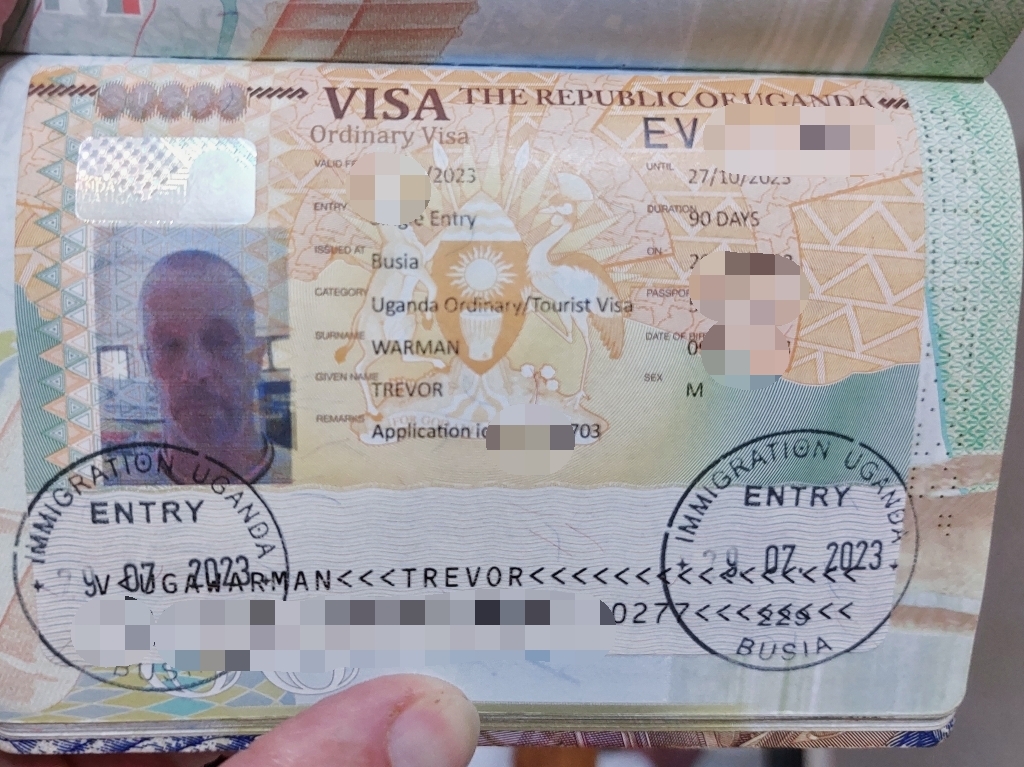
Uganda Visa and Entry Requirements

CLICK TO BOOK A UGANDA SAFARI

Uganda Visa and Entry Requirement: Everything You Need to Know

Uganda Visa and Entry Requirements: Uganda, known as the Pearl of Africa, attracts travelers from around the world with its breathtaking landscapes, diverse wildlife, and vibrant culture.

Whether you are visiting for tourism, business, or study, understanding the Uganda visa and entry requirements is crucial to ensure a smooth journey.

This comprehensive guide provides everything you need to know about obtaining a Uganda visa, including eligibility, application processes, fees, and other important regulations.

Do You Need a Visa to Enter Uganda?

Most travelers require a visa to enter Uganda, except for citizens of visa-exempt countries. Uganda offers different types of visas depending on the purpose of travel.

Visa-Exempt Countries

Nationals of certain African and Commonwealth countries can enter Uganda visa-free for a stay of up to 90 days. These countries include:

  • Kenya
  • Rwanda
  • Tanzania
  • Burundi
  • South Sudan
  • Zambia
  • Zimbabwe
  • Barbados
  • Singapore
  • Seychelles

If your country is not on the visa-exempt list, you must apply for a Uganda visa before arrival.

Types of Uganda Visas

Uganda offers various visa categories based on the nature of the visit. The main visa types include:

1. Uganda Tourist Visa

The Uganda tourist visa is issued to visitors traveling for leisure, sightseeing, or visiting family and friends. It allows a single entry and is valid for 90 days.

  • Processing Time: 2-7 business days
  • Visa Fee: $50
  • Entry Type: Single entry
  • Extension: Possible while in Uganda

2. Uganda Business Visa

The Uganda business visa is for individuals attending business meetings, conferences, or investment opportunities.

  • Processing Time: 2-7 business days
  • Visa Fee: $50
  • Entry Type: Single entry
  • Extension: Can be extended if required

3. Uganda Transit Visa

If you are traveling through Uganda to another destination and need to stay briefly, you can apply for a Uganda transit visa.

  • Duration: Up to 7 days
  • Visa Fee: $50
  • Entry Type: Single entry

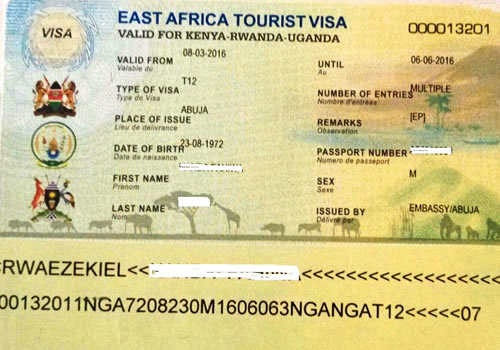
4. East Africa Tourist Visa

The East Africa Tourist Visa allows multiple entries between Uganda, Kenya, and Rwanda, making it perfect for travelers exploring the region.

  • Duration: 90 days
  • Visa Fee: $100
  • Entry Type: Multiple entries
  • Countries Covered: Uganda, Kenya, Rwanda

Uganda Visa and Entry Requirements

5. Uganda Multiple Entry Visa

For frequent travelers to Uganda, a multiple-entry visa is available. It is issued for 6 months, 1 year, or 2 years.

  • Visa Fee: $100 (6 months), $200 (1 year), $300 (2 years)
  • Entry Type: Multiple entries
  • Processing Time: Up to 10 business days

How to Apply for a Uganda Visa Online

Uganda has an eVisa system, allowing travelers to apply online before arrival. Follow these steps to obtain a Uganda eVisa:

Step 1: Visit the Uganda eVisa Portal

Go to the official Uganda Directorate of Citizenship and Immigration website: https://visas.immigration.go.ug/

Step 2: Choose Your Visa Type

Select the appropriate Uganda visa based on your travel purpose.

Step 3: Fill Out the Visa Application Form

Provide personal details, passport information, and travel itinerary.

Step 4: Upload Required Documents

  • Valid Passport (at least 6 months validity)
  • Recent Passport Photo
  • Travel Itinerary
  • Return Ticket
  • Yellow Fever Vaccination Certificate

Step 5: Pay the Visa Fee

Pay the Uganda visa fee online using a credit or debit card.

Step 6: Wait for Approval

Visa processing takes 2-7 business days. Once approved, you will receive an eVisa approval letter, which must be printed and presented upon arrival in Uganda.

Uganda Visa on Arrival

Uganda previously issued visas on arrival, but travelers are now required to apply for an eVisa in advance. However, in exceptional cases, visas may still be granted upon arrival at Entebbe International Airport. It is recommended to apply online to avoid delays.

Uganda Entry Requirements

To enter Uganda, travelers must meet the following entry requirements:

1. Valid Passport

Your passport must be valid for at least 6 months beyond your planned stay in Uganda.

2. Uganda Visa or eVisa Approval Letter

If required, you must present a valid Uganda visa or eVisa approval letter at immigration.

3. Yellow Fever Vaccination Certificate

Uganda requires all travelers to present a Yellow Fever Vaccination Certificate upon arrival. Without it, you may be denied entry or required to take the vaccine at the airport.

4. Return or Onward Ticket

Immigration officers may ask for proof of onward travel or a return ticket.

5. Sufficient Funds

Travelers should have enough funds to cover their stay in Uganda.

Uganda Tourist Visa

Uganda Visa Extensions

If you need to stay longer than your visa allows, you can apply for a visa extension at the Uganda Immigration Office in Kampala. Extensions are granted based on valid reasons and proof of financial means.

Steps to Extend Your Visa:

  1. Visit the Immigration Office in Kampala
  2. Provide a valid passport and visa
  3. Fill out the visa extension application form
  4. Pay the required fee
  5. Wait for approval (usually within a few days)

Penalties for Overstaying a Uganda Visa

Overstaying a Uganda visa can result in fines, detention, or deportation. The fine is approximately $100 per day of overstay. Always ensure your visa is valid or apply for an extension before it expires.

Uganda Visa Rejections and How to Avoid Them

Common reasons for Uganda visa rejections include:

  • Incomplete application forms
  • Invalid passport (less than 6 months validity)
  • Failure to provide required documents
  • Insufficient proof of financial stability

To avoid rejection, ensure all information is correct and submit complete documentation.

Conclusion

Understanding the Uganda visa and entry requirements is essential for a hassle-free trip. Whether you are visiting for tourism, business, or transit, applying for a Uganda eVisa in advance ensures a smooth arrival. Always check for updated visa regulations before travel and comply with all entry requirements, including a Yellow Fever Vaccination Certificate.

By following these guidelines, you can enjoy a seamless experience exploring the beauty of Uganda, the Pearl of Africa!


How Long is the Trek to See Gorillas in Uganda

How Long is the Trek to See Gorillas in Uganda?

How Long is the Trek to See Gorillas in Uganda? Discover the trekking duration, factors affecting hike time, best seasons, and tips to make your gorilla trek easier!”

The duration of a gorilla trek depends on several factors, including the location of the gorilla family, the difficulty of the terrain, the weather conditions, and the fitness level of the trekkers.

Let’s explore everything you need to know about the length of a gorilla trek in Uganda, what to expect, and how to prepare for the experience.

How Long is the Trek to See Gorillas in Uganda?

The time it takes to reach the mountain gorillas in Uganda’s Bwindi Impenetrable National Park or Mgahinga Gorilla National Park varies from 30 minutes to 6 hours or more.

Typically, a trek lasts between 2 to 6 hours round trip, including the time spent observing the gorillas. However, there are cases where trekkers find gorillas within an hour, while others may hike for longer before encountering them.

You may also want a 1 Day Uganda Gorilla Safari or a 2 Days Gorilla Tour

Factors Affecting the Duration of a Gorilla Trek

The length of a gorilla trek is influenced by multiple factors:

  1. Gorilla Family Location
    • Some gorilla families live closer to the trailheads, while others reside deep in the forest.
    • Gorillas move daily in search of food, so their exact location is never guaranteed.
  2. Terrain and Elevation
    • Bwindi Impenetrable National Park is known for its steep hills, thick vegetation, and challenging trails.
    • Mgahinga Gorilla National Park has a more open terrain but can still involve strenuous hikes.
  3. Weather Conditions
    • Rainy seasons (March-May and September-November) can make trails muddy and slippery, increasing trekking time.
    • Dry seasons (June-August and December-February) provide easier trekking conditions.
  4. Fitness Level of Trekkers
    • Physically fit individuals may navigate the terrain faster, while those less fit may take longer.
    • Trekkers are encouraged to train beforehand for endurance.
  5. Porters and Guides
    • Hiring a porter to carry backpacks can reduce exhaustion, making the trek more manageable.
    • Experienced guides and rangers ensure trekkers take the best routes to locate the gorillas faster.

How Long is the Trek to See Gorillas in Uganda

How Gorilla Trekking Works in Uganda

Briefing and Trekking Start Time

Gorilla trekking in Uganda begins early in the morning, with trekkers required to arrive at the park headquarters by 7:00 AM.

This ensures an organized and smooth process before setting off into the dense forests of Bwindi Impenetrable National Park or Mgahinga Gorilla National Park.

Upon arrival, trekkers register and meet with Uganda Wildlife Authority (UWA) rangers, who provide important guidelines on safety, trekking etiquette, and gorilla conservation rules.

The briefing covers essential information such as how to behave around the gorillas, what to do if a gorilla charges, and how to maintain the required 7-meter distance from the gorillas.

Rangers also emphasize the importance of wearing appropriate trekking gear and carrying enough drinking water.

This session helps trekkers understand what to expect during the adventure and ensures that all groups are well-prepared for the challenging but rewarding experience of trekking through Uganda’s mountainous terrain in search of endangered mountain gorillas.

Group Formation and Gorilla Family Assignment

After the briefing, trekkers are assigned to specific gorilla families based on their fitness level and trekking difficulty preference.

Some gorilla families are located closer to the park headquarters, making the trek relatively easy, while others reside deep in the rugged rainforest and require a more strenuous hike.

The Uganda Wildlife Authority rangers carefully evaluate each trekker’s fitness level before allocating them to a suitable tracking group. This ensures that older or less physically fit individuals are placed in groups trekking to gorilla families that are easier to reach

. Each group consists of a maximum of eight trekkers, accompanied by armed rangers and experienced guides. The limited group size helps minimize stress on the gorillas and enhances the overall trekking experience.

For travelers who prefer a more exclusive experience, private gorilla trekking tours can be arranged at an extra cost, offering personalized guidance and flexibility in tracking specific gorilla families.

Hiking to Find the Gorillas

Once the briefing is complete, trekkers embark on their gorilla trekking adventure, led by experienced Uganda Wildlife Authority rangers and armed escorts for safety.

The trek takes visitors through thick forests, steep hills, and muddy paths, offering an immersive experience in Uganda’s untamed wilderness.

The rangers use their knowledge of the forest and expertise in tracking gorilla signs—such as fresh dung, footprints, broken branches, and recently used nests—to determine the gorillas’ location.

Since mountain gorillas continuously move in search of food, the exact duration of the trek is unpredictable, ranging from 30 minutes to over six hours before encountering a gorilla family.

Along the way, trekkers may also spot other wildlife species like forest elephants, golden monkeys, and a variety of bird species. The anticipation builds with every step, making the final moment of discovering the gorillas a truly exhilarating experience.

Observing the Gorillas in Their Natural Habitat

Once the gorilla family is found, trekkers are granted a maximum of one hour to observe and photograph these majestic primates in their natural habitat.

This one-hour limit is strictly enforced to minimize human impact and ensure the gorillas’ well-being. During this time, visitors can watch the gorillas interact, feed, play, and care for their young, offering a rare and unforgettable glimpse into their daily lives.

Rangers provide insightful information about gorilla behavior, social structure, and conservation efforts, enhancing the experience.

Trekkers must remain quiet, move slowly, and avoid sudden movements to prevent disturbing the gorillas. Flash photography is strictly prohibited as it may startle the gorillas.

The intimate connection shared between trekkers and these endangered primates is an emotional and once-in-a-lifetime encounter, making every step of the challenging trek worthwhile.

After the hour elapses, visitors start their journey back to the park headquarters, leaving the gorillas to continue their natural routines undisturbed.

Trek Duration Based on Gorilla Families in Bwindi

Bwindi Impenetrable National Park has four main trekking sectors, each offering different trekking durations:

Sector Common Gorilla Families Estimated Trekking Time
Buhoma Mubare, Habinyanja, Rushegura 2 – 5 hours
Ruhija Bitukura, Oruzogo, Kyaguliro 3 – 6 hours
Rushaga Nshongi, Mishaya, Bweza, Kahungye 2 – 6 hours
Nkuringo Nkuringo, Christmas, Bushaho 3 – 6 hours
  • Buhoma sector is known for some of the shortest treks, with gorillas often found within 2-3 hours.
  • Nkuringo sector usually requires longer hikes due to the steep terrain.

What to Expect During the Trek?

  • Thick Vegetation: Expect to navigate through dense forests, vines, and uneven ground.
  • Variable Weather: Even during the dry season, the rainforest can be humid and misty.
  • Wildlife Sightings: Besides gorillas, you may encounter monkeys, birds, and forest elephants.
  • Exciting Adventure: The challenge of tracking gorillas adds to the thrill of the experience.

How to Prepare for a Gorilla Trek: Physical Fitness and Training

Preparing for gorilla trekking in Uganda requires a good level of physical fitness due to the challenging terrain of Bwindi Impenetrable Forest and Mgahinga National Park.

To build stamina, trekkers should engage in cardio workouts such as jogging, brisk walking, and cycling at least a few weeks before their trip.

Strength training exercises like squats and lunges help improve endurance for navigating steep, uneven trails. Since gorilla trekking involves hiking through hilly and muddy terrain, it is advisable to practice walking on inclines or rough paths to simulate real trekking conditions.

Regular hiking trips with a loaded backpack can also help condition your body for the several-hour trek required to find the gorillas.

Essential Packing List

  • Hiking boots: Sturdy and waterproof for rough trails.
  • Rain jacket: Essential due to unpredictable rainforest weather.
  • Gloves: Protect hands from thorny plants.
  • Long-sleeved clothing: Guards against insect bites and scratches.
  • Snacks and water: Stay hydrated and energized.
  • Camera with no flash: Captures moments without disturbing gorillas.

Hiring a Porter for Gorilla Trekking

Hiring a porter for gorilla trekking in Uganda is highly recommended, as they provide essential support during the trek.

Porters charge between $10 and $20 and help carry backpacks, water, cameras, and other gear, allowing trekkers to focus on navigating the rugged terrain.

They also offer a helping hand on steep, muddy, or slippery paths, making the hike more manageable. Additionally, hiring a porter supports the local community, as many are former poachers who have turned to conservation-friendly livelihoods.

Best Time to Go Gorilla Trekking in Uganda

Season Months Trekking Conditions Permit Availability
Dry Season (Best Time) June – August, December – February Easier trails, less mud High demand, book early
Rainy Season (Challenging) March – May, September – November Slippery trails, difficult hikes More permits available
  • Dry season is the best time for shorter and easier treks.
  • Rainy season offers discounts but comes with tougher trekking conditions.

Is Gorilla Trekking in Uganda Worth the Effort?

Despite the challenges, gorilla trekking in Uganda is one of the most rewarding wildlife experiences in Africa.

The opportunity to come face-to-face with mountain gorillas in their natural habitat is unforgettable. Whether your trek takes 30 minutes or 6 hours, the experience is well worth the effort.

For those concerned about the trek’s duration, choosing a suitable sector, hiring a porter, and preparing physically can make the adventure smoother and more enjoyable.

Regardless of how long it takes to find the gorillas, the one-hour encounter with these gentle giants makes it all worthwhile!

Is Uganda Better Than Rwanda for Gorilla Trekking

Is Uganda Better Than Rwanda for Gorilla Trekking? A Comprehensive Comparison

Is Uganda Better Than Rwanda for Gorilla Trekking: When it comes to gorilla trekking, few experiences compare to the thrill of encountering mountain gorillas in their natural habitat.

The opportunity to witness these incredible creatures up close is a rare privilege and one that has made countries like Uganda and Rwanda top destinations for wildlife enthusiasts.

Both countries offer unforgettable trekking experiences, but many travelers often face the dilemma of choosing between the two.

Let’s delve into the key differences between gorilla trekking in Uganda vs Rwanda, focusing on the cost comparison, the best trekking locations, the affordability of Uganda’s experience, the trekking conditions, and the best time to visit.

By the end, you’ll have a clearer picture of why Uganda might be the better choice for your gorilla trekking adventure.

Comparing the Overall Experience of Gorilla Trekking in Uganda and Rwanda

Gorilla trekking is one of the most sought-after wildlife experiences in the world. In both Uganda and Rwanda, travelers can have the chance to trek through dense rainforests to witness mountain gorillas in their natural habitat.

Despite these similarities, there are key differences that make Uganda stand out in certain areas, especially when considering factors like cost, accessibility, and crowds.

In Rwanda, the Volcanoes National Park is the primary destination for gorilla trekking. The park is relatively small, and due to its high popularity, it can feel crowded, particularly during the peak seasons.

On the other hand, Uganda offers more expansive trekking areas, including the Bwindi Impenetrable Forest and Mgahinga Gorilla Park, providing a wider variety of trekking routes and the chance for a more exclusive experience.

Another notable difference lies in the cost. Rwanda’s gorilla trekking permits are among the most expensive in the world, often deterring budget-conscious travelers. While Uganda also has its costs, it offers more affordable options, making it a better choice for those seeking a budget-friendly adventure without compromising on the experience.

In terms of trekking conditions, Rwanda offers relatively easier terrain, making it more accessible for those who prefer a less physically demanding trek.

In contrast, Uganda’s trails can be more challenging due to its steeper, more rugged terrain. However, for seasoned trekkers, these conditions can be an appealing aspect of Uganda’s off-the-beaten-path trekking routes.

Cost Comparison: Uganda vs. Rwanda Gorilla Trekking Permits

One of the most significant differences between Uganda and Rwanda for gorilla trekking is the cost. The Rwanda gorilla trekking permit cost is one of the highest in the world.

At $1,500 per person, this fee includes the permit to trek in Volcanoes National Park, along with the services of a ranger and guide. The price is consistent year-round, and while it covers the cost of supporting gorilla conservation efforts, it may be a deterrent for budget travelers.

In contrast, Uganda’s gorilla trekking permit price is much more affordable at $800 per person. This makes Uganda an ideal destination for those who want to experience gorilla trekking without breaking the bank.

The permit price in Uganda is still a significant investment, but it is considerably lower than that of Rwanda, allowing travelers to allocate funds to other aspects of their trip, such as accommodation or additional activities.

When considering the cost difference beyond the permits, Uganda tends to be more affordable overall. Accommodations in Bwindi Impenetrable Forest and Mgahinga Gorilla Park range from budget options ($50–$100 per night) to mid-range and luxury lodges.

In comparison, Rwanda’s luxury accommodations near Volcanoes National Park can be significantly pricier, with rates starting from $150 per night for mid-range options and going well over $500 for more luxurious lodges.

Additionally, transportation costs in Uganda can be lower, particularly if you are already in the country, as Uganda gorilla trekking destinations are accessible via land transport. Rwanda, with its Volcanoes National Park, is a shorter drive from Kigali, but travelers must factor in international flight costs, which can add to the overall expense.

Gorilla Trekking in Uganda: Best Parks and Locations

Uganda is home to two prime locations for gorilla trekking: Bwindi Impenetrable Forest and Mgahinga Gorilla Park. Both locations offer unique trekking experiences, each with its own advantages.

Bwindi Impenetrable Forest is one of the most biodiverse regions in Africa, known for its dense, mist-covered rainforests. The park is home to half of the world’s remaining mountain gorillas, and it provides a range of trekking routes across its four sectors:

Rushaga, Nkuringo, Buhoma, and Ruhija. This diversity allows visitors to choose different trekking routes based on their preferences, whether they prefer a shorter or more strenuous trek.

Bwindi is also less crowded compared to Rwanda’s Volcanoes National Park, allowing for a more intimate experience with the gorillas.

On the other hand, Mgahinga Gorilla Park, located in Uganda’s southwestern corner, offers a more remote trekking experience.

While smaller than Bwindi, Mgahinga is known for its stunning views of the Virunga Mountains and is less visited, making it an ideal destination for those looking for a quieter, more exclusive experience.

The trekking terrain in Mgahinga can be more challenging, but the rewards include more personalized encounters with the gorillas.

Overall, Uganda offers a variety of trekking locations, each with unique landscapes, wildlife, and trekking routes, giving travelers a diverse range of experiences.

Why Uganda’s Gorilla Trekking Experience is More Affordable

When it comes to affordable gorilla trekking, Uganda stands out for offering a more budget-friendly option without sacrificing the quality of the experience.

As discussed earlier, Uganda’s gorilla trekking permit costs $800, which is significantly cheaper than Rwanda’s $1,500 permit.

This cost difference allows travelers to allocate their budget to other aspects of their trip, such as accommodation, transport, and additional activities like nature walks or cultural tours.

In addition to the more affordable permits, Uganda offers a wide range of budget accommodations around its trekking locations.

Lodges in Bwindi and Mgahinga vary in price, with options for budget travelers starting at around $50 per night. These accommodations provide basic amenities while still offering close proximity to the trekking starting points.

Uganda’s public transport system is also more accessible and cost-effective than Rwanda’s, especially for travelers coming from neighboring countries or within Uganda itself.

The country’s road infrastructure allows for budget-friendly travel to gorilla trekking sites, making Uganda a more affordable destination overall for those on a tighter budget.

Is Uganda Better Than Rwanda for Gorilla Trekking

Uganda vs. Rwanda: Trekking Conditions and Wildlife Encounters

While both Uganda and Rwanda offer incredible opportunities for gorilla trekking, the trekking conditions and wildlife encounters can differ significantly.

In Rwanda, the trekking terrain in Volcanoes National Park is generally more manageable. The park’s lower altitude and well-maintained trails make the trekking experience more accessible for a wider range of fitness levels. The trekking time is typically shorter, with most visitors encountering gorillas within 1-3 hours.

However, Uganda’s trekking routes, particularly in Bwindi Impenetrable Forest, can be more physically demanding.

The dense forest, steep terrain, and unpredictable weather conditions can make the trek more challenging. For experienced trekkers, this presents a unique challenge, offering a more rewarding and immersive experience in the wild.

Additionally, longer trekking distances in Uganda may allow for more diverse wildlife encounters along the way, as the trekkers pass through a variety of ecosystems.

Overall, gorilla trekking in Uganda vs Rwanda can come down to personal preference—whether you prefer easier terrain or more challenging trekking for the thrill of an adventure. Either way, both destinations offer unmatched opportunities for gorilla encounters.

Why Uganda’s Longer Trekking Routes Are Worth the Effort

One of the standout features of Uganda’s gorilla trekking experience is its longer trekking routes. While this may seem daunting to some, it offers several advantages.

Uganda’s longer routes take visitors deeper into the rainforest, where the chances of encountering a variety of wildlife increase. For those seeking a more authentic adventure, trekking for longer distances offers an intimate and less-crowded experience with the gorillas.

The physical effort required to complete Uganda’s longer treks is rewarded by the unique beauty of the surroundings.

Travelers who are willing to put in the extra effort can experience the awe-inspiring landscape, rich biodiversity, and the thrill of encountering gorillas in a truly wild setting.

This can be especially appealing for seasoned trekkers or those looking to avoid the crowds often found in Rwanda’s Volcanoes National Park.

The Best Time to Visit Uganda for Gorilla Trekking

The best time for gorilla trekking in Uganda depends largely on the weather conditions and the type of experience you’re seeking.

Uganda experiences two primary seasons: the dry season (June–September and December–February) and the rainy season (March–May and October–November).

During the dry season, the trails are more accessible, with less rainfall making the trek easier and more enjoyable. However, this period also coincides with the peak tourist season, meaning higher costs for accommodation and permits.

The rainy season, particularly from March to May, offers a quieter, more budget-friendly experience. While there is more rainfall, the forests are lush and vibrant, and the trails are less crowded. For budget-conscious travelers, the rainy season is an excellent time to visit Uganda, as gorilla trekking permits are often discounted during this time.

In conclusion, Uganda offers a more affordable, less crowded, and adventurous option for gorilla trekking compared to Rwanda.

With diverse trekking locations, budget-friendly accommodation, and the chance for more intimate wildlife encounters, Uganda remains a top choice for those looking for an unforgettable gorilla trekking experience.

What Do Baby Gorillas Eat

What Do Baby Gorillas Eat? From Mother’s Milk to Fruits

What Do Baby Gorillas Eat: Baby gorillas, also known as infant gorillas, rely heavily on their mothers for nourishment and survival during their early stages of life. Like human infants, they have a specific diet that changes as they grow.

Let’s explore the feeding habits of baby gorillas, including what they eat, how their diet evolves, and how they obtain nutrients for healthy development.

The Early Diet of Baby Gorillas

Mother’s Milk: The Primary Source of Nutrition

For the first four to six months, a baby gorilla’s diet consists exclusively of mother’s milk. This milk provides all the essential nutrients, including proteins, fats, and carbohydrates, required for their growth and immune system development. Breastfeeding continues for about three to four years, but the frequency gradually decreases as the baby starts supplementing with solid food.

Transitioning to Solid Food

At around four to six months, baby gorillas begin to imitate adult feeding behaviors and experiment with solid foods. They start by nibbling on soft leaves, fruits, and flowers but still rely on their mother’s milk as the primary source of nutrition.

What Do Baby Gorillas Eat as They Grow?

As baby gorillas become more independent, their diet expands to include a variety of plant-based foods. They learn by observing their mothers and other members of their gorilla troop, mimicking their eating habits.

Plant-Based Diet

Gorillas are primarily herbivores, meaning they eat a plant-based diet. Baby gorillas gradually adapt to eating the same types of food as adult gorillas, which includes:

  1. Leaves – A staple in a gorilla’s diet, leaves provide essential fiber and nutrients.
  2. Fruits – Baby gorillas enjoy eating various fruits, which supply natural sugars and vitamins.
  3. Flowers – These provide additional nutrients and hydration.
  4. Stems and Shoots – These parts of plants are rich in moisture and minerals.
  5. Tree Bark – Some gorillas chew on bark, which provides roughage and minerals.
  6. Roots and Tubers – These are occasionally consumed when available.

Protein Sources

Although gorillas are primarily vegetarian, they occasionally consume insects such as termites, ants, and caterpillars. These insects provide a source of protein and additional nutrients that help with growth and muscle development.

How Baby Gorillas Learn What to Eat

Baby gorillas learn what to eat by watching their mothers and other members of the troop. This behavior, known as social learning, plays a crucial role in their development. Young gorillas spend hours mimicking adult eating behaviors, testing different types of plants, and discovering which foods are suitable.

What Do Baby Gorillas Eat

The Role of Mother Gorillas in Feeding

Mother gorillas play a critical role in teaching their young about food. They demonstrate how to pick leaves, peel fruits, and even crack open tough stems. A mother may share small pieces of food with her baby, encouraging it to taste and explore new flavors.

Gorilla Troop Influence

Within a gorilla troop, the dominant silverback gorilla and older females also influence the dietary habits of baby gorillas. By observing and copying the feeding techniques of experienced members, baby gorillas gradually develop their eating habits and preferences.

Nutritional Needs of Baby Gorillas

Proper nutrition is essential for the healthy growth and development of baby gorillas. Their diet must include a balance of:

  • Carbohydrates (from fruits and leaves) for energy
  • Proteins (from leaves, stems, and occasional insects) for muscle development
  • Fats (from mother’s milk and some seeds) for brain development
  • Vitamins and Minerals (from a variety of plant sources) for a strong immune system

How Much Do Baby Gorillas Eat?

The amount of food a baby gorilla consumes depends on its age. During the first six months, its diet consists almost entirely of mother’s milk, which it consumes multiple times a day. As the baby begins experimenting with solid food, it eats in small quantities, gradually increasing as it matures.

By the time a young gorilla reaches two years of age, solid food makes up a significant portion of its diet. At this stage, it consumes around 5-10 kg of food daily, similar to a juvenile gorilla.

Differences in Diet Between Wild and Captive Baby Gorillas

The diet of baby gorillas in the wild differs slightly from those in captivity due to food availability and human intervention.

Wild Baby Gorillas

Wild baby gorillas rely on naturally available food sources within their environment. They consume a diverse range of plant materials, insects, and mineral-rich soil to supplement their diet.

Captive Baby Gorillas

In zoos and conservation centers, caretakers provide baby gorillas with a carefully monitored diet. This includes:

  • Fresh fruits and vegetables
  • Leafy greens such as kale and lettuce
  • Specially formulated gorilla biscuits for added vitamins
  • Occasional insects for protein

In captivity, baby gorillas receive a balanced diet to ensure they get all necessary nutrients.

Interesting Facts About Baby Gorillas and Their Diet

  • Breastfeeding Duration: Baby gorillas breastfeed for up to three to four years, which is much longer than human babies.
  • Chewing Habits: Baby gorillas initially struggle to chew tough plant material, so they prefer softer foods until their teeth fully develop.
  • Water Intake: Gorillas rarely drink water directly; instead, they get most of their hydration from leaves, fruits, and plant stems.
  • Copycat Behavior: Baby gorillas are natural imitators, meaning they rely on watching adults to determine which foods are safe to eat.

Baby gorillas go through a fascinating dietary journey, starting with mother’s milk and gradually transitioning to a varied herbivorous diet. They rely on their mothers and gorilla troops to learn which foods to eat and how to forage. Understanding the diet of baby gorillas is crucial for conservationists working to protect these incredible animals.

By ensuring they have access to a nutritious diet, both in the wild and in captivity, we can help support the survival and health of baby gorillas for future generations.

Frequently Asked Questions (FAQs)

1. What do newborn baby gorillas eat?

Newborn gorillas consume only mother’s milk for the first four to six months.

2. When do baby gorillas start eating solid food?

At around four to six months, baby gorillas begin nibbling on leaves, fruits, and flowers while still drinking milk.

3. Do baby gorillas eat meat?

Gorillas are primarily herbivores, but they occasionally eat insects like termites and ants for extra protein.

4. How do baby gorillas learn what to eat?

They learn by observing their mothers and other troop members, imitating their eating habits.

5. How long do baby gorillas breastfeed?

Baby gorillas breastfeed for up to three to four years, even after they start eating solid foods.

Understanding what baby gorillas eat helps us appreciate their natural behaviors and the importance of conservation efforts to protect their habitats.

You may also like;