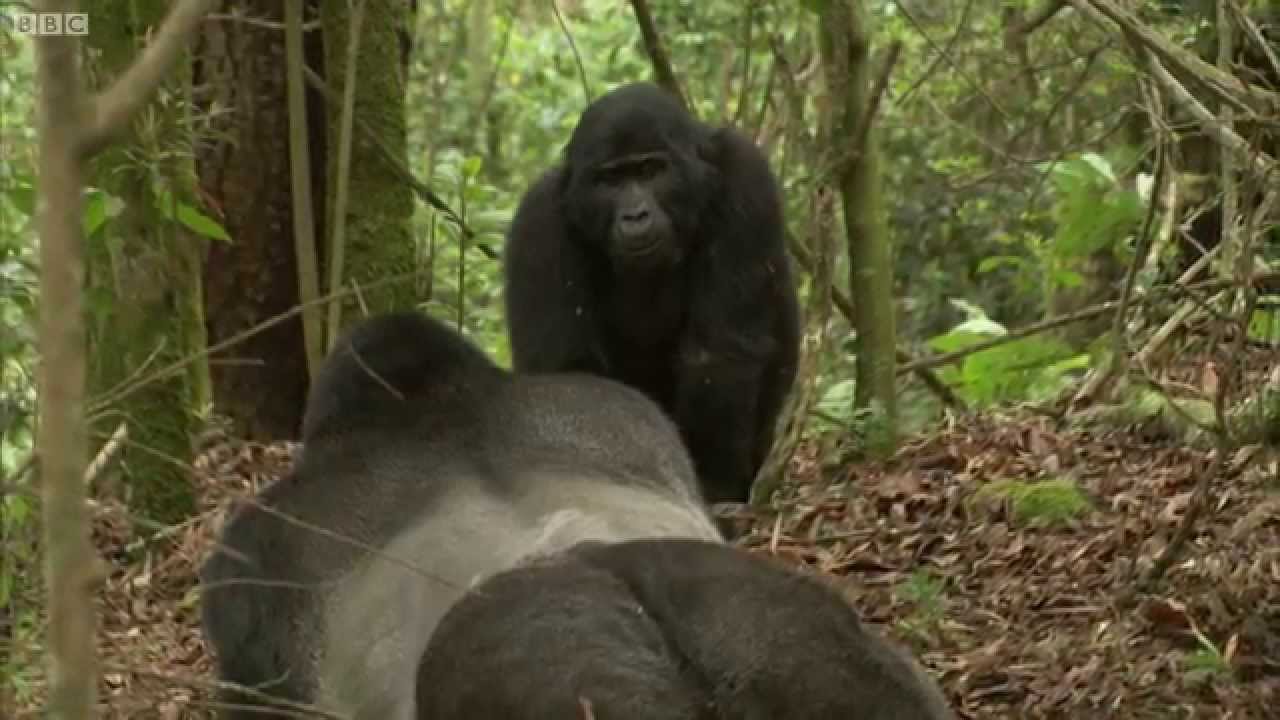
Where Do Gorillas Get Protein

Where Do Gorillas Get Protein: The Incredible Gorilla Diet

Discover where do gorillas get protein in this detailed exploration of their plant-based diet. Learn how leaves, pith, fruit, and insects meet their nutritional needs, supported by selective foraging and efficient digestion.

Gorillas, the largest primates on Earth, are celebrated for their formidable strength and imposing physiques.

A common question among those intrigued by these animals is: where do gorillas, as primarily herbivorous creatures, obtain the protein necessary to sustain their muscular bodies and active lifestyles?

The answer lies in their diverse, plant-based diet, selective foraging habits, and remarkable digestive adaptations.

The Gorilla Diet: Plant-Based Protein Sources

Gorillas are predominantly herbivorous, with diets tailored to their habitats and subspecies: mountain gorillas (Gorilla beringei beringei), eastern lowland gorillas (Gorilla beringei graueri), western lowland gorillas (Gorilla gorilla gorilla), and Cross River gorillas (Gorilla gorilla diehli).

Their food intake consists mainly of leaves, stems, pith, bark, fruit, and, to a lesser extent, insects and fungi. These sources, while not as protein-dense as animal-based foods, provide ample protein when consumed in large quantities.

Key Dietary Components

  • Leaves and Stems: For mountain gorillas, leaves and stems constitute up to 86% of their diet. Plants like wild celery, thistles, nettles, and Galium ruwenzoriense are staples, offering 15-20% crude protein by dry weight. These are abundant in high-altitude forests like Rwanda’s Volcanoes National Park.
  • Pith: Lowland gorillas frequently consume the soft, nutrient-rich pith of plants such as banana trees or reeds. Pith contains 10-15% protein and is easier to digest than fibrous leaves, making it a valuable protein source.
  • Fruit: Western lowland gorillas, found in the Congo Basin, incorporate more fruit into their diets, especially during wet seasons. Fruits like figs, berries, and African plums provide 2-5% protein, supplemented by carbohydrates for energy.
  • Bark: Bark from trees like Eucalyptus or Acacia serves as a fallback food during lean seasons. It offers 5-10% protein and is rich in minerals, though it requires significant chewing and digestion.
  • Insects and Fungi: While not a primary component, western lowland gorillas occasionally eat termites, ants, or fungi, which can contain 20-50% protein by dry weight. However, these account for less than 5% of their overall diet.

Where Do Gorillas Get Protein

Protein Yield from High-Volume Intake

Gorillas consume massive quantities of food to meet their nutritional needs. A silverback gorilla, weighing 180-200 kilograms, may eat 18-30 kilograms of fresh vegetation daily, yielding 200-400 grams of crude protein.

As noted in discussions on Stack Exchange, plants like Urera hypselodendron consumed by mountain gorillas have protein levels comparable to legumes, ensuring sufficient intake through sheer volume.

This high consumption compensates for the lower protein density of plants compared to meat.

Physiological Adaptations for Protein Extraction

Gorillas’ ability to derive adequate protein from plants is bolstered by their specialized digestive systems, which are optimized for breaking down fibrous, low-protein foods.

Hindgut Fermentation

Gorillas are hindgut fermenters, relying on their large colon and cecum to process plant material through microbial fermentation. This process is critical for accessing protein:

  • Microbial Breakdown: Bacteria in the hindgut ferment cellulose and hemicellulose, releasing volatile fatty acids for energy and degrading plant proteins into absorbable amino acids. These microbes also produce their own proteins, which gorillas assimilate as a supplemental protein source.
  • Nutrient Extraction: Fermentation unlocks protein trapped within tough cell walls, making it bioavailable. This is particularly important for fibrous foods like mature leaves or bark, which are less digestible without microbial aid.

Large Digestive Capacity

Gorillas possess a voluminous gut, allowing them to process large amounts of food over an extended period (up to 48 hours). This slow digestion maximizes nutrient absorption, ensuring that even low-protein foods contribute to their dietary needs.

As highlighted by the Gorilla Trekking Tours blog, this adaptation enables mountain gorillas to thrive on foliage-heavy diets in high-altitude environments.

Selective Foraging Strategies

Gorillas are discerning eaters, prioritizing plant parts with higher protein content. For example, they favor young leaves and buds over mature ones, as these are less fibrous and richer in protein.

In Bwindi Impenetrable National Park, mountain gorillas target protein-dense plants like Galium species, optimizing their nutrient intake.

This behavior, combined with their knowledge of seasonal food availability, ensures a steady protein supply.

Book a Budget 3 Day Uganda Gorilla Safari - USD 1,585

Trek deep into Bwindi Impenetrable National Park for an unforgettable hour with majestic mountain gorillas in misty rainforest. Stay in comfortable budget lodges like Buhoma Community Rest Camp—simple, clean, scenic, with hearty meals. Tap to see details!

Protein Requirements and Efficiency

Gorillas have lower protein requirements than might be expected for animals of their size and strength, owing to their physiology and lifestyle.

Modest Protein Needs

Unlike humans, who require 0.8-1.2 grams of protein per kilogram of body weight for active lifestyles, gorillas need only 1-2% of their diet by weight to be protein.

For a 200-kg gorilla, this equates to 200-400 grams daily, easily achievable through their plant-based diet. Their relatively sedentary lifestyle—spent foraging, resting, and socializing—reduces the demand for excessive protein, as noted in Reddit’s r/AskScience discussions.

Efficient Muscle Maintenance

Gorillas maintain their impressive musculature through efficient amino acid utilization rather than high protein intake. Essential amino acids, such as leucine and lysine, are present in their plant foods, albeit in smaller amounts than in meat.

Their bodies recycle amino acids effectively, minimizing waste and supporting muscle repair and growth. This efficiency dispels the myth that gorillas need animal-based protein to achieve their strength.

Energy Prioritization

Gorillas’ diets are energy-driven, with carbohydrates and fats from fermentable fibers and fruits providing the bulk of their calories. This energy surplus spares dietary protein for structural purposes rather than burning it for fuel, further reducing their protein requirements.

Environmental and Ecological Factors

The availability of protein-rich foods is influenced by gorillas’ habitats and seasonal variations:

  • Mountain Gorillas: In montane forests like Virunga, protein-rich foliage is abundant year-round, supporting a foliage-heavy diet. This consistency reduces reliance on supplementary foods like fruit or insects.
  • Lowland Gorillas: In lowland rainforests, western lowland gorillas benefit from seasonal fruit abundance, which complements their protein intake with small amounts of insect protein. During dry seasons, they turn to pith and bark, consuming larger quantities to compensate for lower protein content.
  • Conservation Challenges: Habitat degradation, as reported by the Gorilla Journal, limits access to diverse, protein-rich plants. Deforestation and human encroachment force gorillas to rely on less nutritious fallback foods, underscoring the need for conservation efforts by organizations like the Dian Fossey Gorilla Fund.

Addressing Misconceptions

Some assume gorillas require meat to achieve their muscular builds, but their herbivorous diet is more than sufficient. Incidental insect consumption provides negligible protein compared to plants.

As Quora contributors point out, gorillas’ dietary strategy mirrors that of plant-based human athletes who rely on high-volume, nutrient-dense foods like lentils or tofu to meet protein needs.

In conclusion, Gorillas obtain their protein primarily from a voluminous, plant-based diet of leaves, stems, pith, bark, and fruit, with minor contributions from insects and fungi.

Their selective foraging targets protein-rich vegetation, while hindgut fermentation and a large digestive capacity maximize nutrient extraction.

With modest protein needs and efficient amino acid use, gorillas sustain their strength without animal-based foods. Environmental factors and habitat preservation are critical to ensuring access to these resources.

By understanding where gorillas get their protein, we appreciate their remarkable adaptations and the urgent need to protect their ecosystems.


Baby Gorilla

Intriguing Facts about a Baby Gorilla

Discover fascinating facts about a baby gorilla, from its birth and early development to their dependence on mothers and social learning within the troop. A heartwarming look at these gentle primate infants.

Baby mountain gorillas (Gorilla beringei beringei), the offspring of one of the world’s most iconic and critically endangered primates, are captivating creatures that embody both vulnerability and resilience.

Born into the lush, high-altitude forests of the Virunga Mountains (spanning Rwanda, Uganda, and the Democratic Republic of Congo) and Bwindi Impenetrable National Park in Uganda, these infants are central to the survival of their species.

A baby gorilla early life is a remarkable journey of growth, learning, and integration into the complex social structures of their family groups.

This essay explores the life of a baby mountain gorilla, covering its physical development, social interactions, role in the family, conservation challenges, and the broader ecological and cultural significance of these young primates, with a particular focus on their endearing and unique characteristics, including their connection to the distinctive mountain gorilla nose.

Birth and Early Development of a Baby Gorilla 

The birth of a baby gorilla is a significant event within a gorilla family, or troop, which typically consists of a dominant silverback male, several adult females, their offspring, and sometimes subordinate males.

Female mountain gorillas have a gestation period of about 8.5 months, similar to humans, and usually give birth to a single infant, though twins are rare but possible.

At birth, a baby gorilla weighs approximately 1.8 to 2 kilograms (4 to 4.5 pounds), making it small and fragile compared to the massive adults, who can weigh up to 200 kilograms (440 pounds).

Newborn mountain gorillas are entirely dependent on their mothers. Their tiny bodies are covered in sparse, dark fur, which thickens as they age to protect them from the cool, damp conditions of their high-altitude habitat.

Their faces are expressive, with large, dark eyes and a flat, broad nose that already hints at the unique nasal print that will develop as they grow.

This nose, as discussed previously, is a critical feature for identification, with its ridges and grooves becoming more defined over time.

Even at birth, the nasal area is distinct, though less pronounced than in adults, and it plays a subtle role in their early interactions, such as nuzzling with their mother.

For the first few months, baby gorillas cling to their mother’s chest or back, using their strong grip to hold onto her fur as she moves through the forest. This constant physical contact provides warmth, security, and nourishment, as infants nurse frequently.

By around three months, babies begin to show more curiosity about their surroundings, making tentative movements away from their mother, though they remain close.

Their motor skills develop rapidly, and by six months, they can crawl, climb short distances, and start to explore solid foods, such as leaves and stems, while still relying on their mother’s milk.

Physical and Behavioral Characteristics

Baby mountain gorillas are undeniably charismatic, with playful behaviors and endearing appearances that captivate researchers, conservationists, and tourists alike. Their small size, round faces, and clumsy movements make them a focal point within their family group.

Their fur is softer and lighter than that of adults, giving them a fluffy appearance, and their noses, while flat like those of their parents, are proportionally larger relative to their faces, adding to their charm.

Behaviorally, baby gorillas are curious and energetic, engaging in play that is essential for their physical and social development. They wrestle with siblings, swing on vines, and mimic adult behaviors, such as chest-beating or foraging.

These playful interactions help them build strength, coordination, and social bonds. Play also serves as a learning tool, allowing babies to practice skills they will need as adults, such as navigating the forest or resolving conflicts within the group.

The nose of a baby gorilla, while not yet fully developed in terms of its nasal print, is already functional for their needs. The broad nostrils allow efficient breathing during their active play and exploration, and the flat structure minimizes the risk of injury as they tumble through vegetation.

Their sense of smell, though less critical than vision or touch, helps them recognize their mother and detect nearby food sources.

As they grow, the nasal print becomes more distinct, aiding researchers in tracking their development and health.

 Baby Gorilla

Social Role and Family Dynamics

Mountain gorilla families are tightly knit, and baby gorillas are at the heart of these social structures. The mother gorilla is the primary caregiver, providing constant care and protection for the first few years of life.

She carries the infant, nurses it, and teaches it essential survival skills, such as which plants are edible or how to interact with other group members. The bond between mother and baby is profound, and the infant’s survival depends heavily on her health and experience.

The silverback gorilla, the group’s dominant male, also plays a crucial role in the baby’s life. While he does not directly care for the infant, he protects the entire group from threats, such as rival males or predators like leopards.

Silverbacks are known to show surprising gentleness toward infants, tolerating their playful antics and occasionally allowing them to climb on them. This interaction helps socialize the baby and reinforces the silverback’s role as the group’s protector.

Other group members, including adult females, juveniles, and subordinate males, also interact with the baby, contributing to its social development. Older siblings or cousins may play with the infant, teaching it social norms and helping it integrate into the group.

These interactions are critical for learning the complex hierarchy and behaviors of gorilla society, such as grooming, submission, or displays of dominance.

The baby’s nose, with its emerging nasal print, becomes a subtle but important marker of identity within the group. While gorillas primarily rely on visual and auditory cues for recognition, the unique nasal patterns may contribute to individual familiarity, especially as the baby matures and interacts independently with others.

Conservation Challenges

Baby mountain gorillas face significant challenges due to their species’ critically endangered status. With fewer than 1,100 mountain gorillas remaining in the wild, every infant is vital to the species’ survival.

However, they are vulnerable to numerous threats, including habitat loss, poaching, disease, and human-wildlife conflict. Deforestation and agricultural expansion in the Virunga region reduce the gorillas’ habitat, while illegal hunting poses a direct threat to family groups. Infants are particularly at risk if their mother is killed, as they are unlikely to survive without her care.

Disease is another major concern, as mountain gorillas are susceptible to human pathogens, particularly respiratory infections. The flat, broad nose that aids their breathing can also make them prone to infections transmitted by humans, such as colds or flu.

Conservation programs enforce strict gorilla trekking protocols, including minimum distances and mask-wearing, to protect infants and their families from these risks.

Conservation efforts have been remarkably successful in recent decades, with mountain gorilla populations increasing due to intensive protection and ecotourism.

Organizations like the Dian Fossey Gorilla Fund and the International Gorilla Conservation Programme monitor infants closely, using their nasal prints to track individuals and ensure their well-being. These efforts are critical for addressing threats and supporting the survival of baby gorillas.

Ecological and Cultural Significance

Baby mountain gorillas play a vital role in their ecosystem as part of a keystone species. By foraging on a variety of plants, gorillas help maintain forest biodiversity, dispersing seeds and creating clearings that support other species.

Infants, as they grow and begin to eat solid foods, contribute to this process, learning to select plants that sustain their group and shape the forest.

Culturally, baby gorillas are powerful symbols of conservation and the fragile beauty of the natural world. Their playful antics and striking resemblance to human infants make them ambassadors for their species, drawing global attention to the need to protect their habitat.

Gorilla trekking, a major economic driver in Rwanda and Uganda, relies on the appeal of seeing these young gorillas in their natural environment.

The revenue generated supports conservation initiatives and local communities, creating a positive feedback loop for gorilla protection.

The nose of a baby gorilla, with its potential for a unique nasal print, ties into this cultural narrative. It represents the individuality of each gorilla and the importance of preserving every member of this endangered species. For researchers and tourists alike, the nose is a reminder of the intricate details that make mountain gorillas so special.

Conclusion

Baby mountain gorillas are more than just adorable additions to their family groups; they are the future of a critically endangered species and a testament to the resilience of life in challenging environments. From their fragile beginnings clinging to their mother’s fur to their playful exploration of the forest, these infants embody the hope and challenges of conservation.

Their physical features, including the distinctive nose that will develop into a unique nasal print, are both functional and symbolic, reflecting their adaptation to their habitat and their individuality within their group.

As we work to protect these remarkable primates, baby gorillas remind us of the importance of preserving biodiversity, supporting local communities, and cherishing the small, intricate details—like a tiny nose—that make the natural world so extraordinary.

Hairless Chimpanzees


11 Intriguing Facts About Hairless Chimpanzees

Discover the fascinating world of hairless chimpanzees, exploring the causes of their hair loss, such as alopecia, and how it affects their appearance and behavior. Learn about notable individuals like Jambo and understand the broader implications for primate health and conservation.

Chimpanzees (Pan troglodytes), our closest living relatives, are typically recognized by their dark, furry coats, which cover most of their bodies except for their faces, hands, and feet.

However, hairless chimpanzees—those with partial or complete hair loss—present a striking and somewhat mysterious variation.

These primates, often seen in captivity or occasionally in the wild, capture attention with their human-like appearance and the underlying causes of their condition.

From biological quirks to behavioral impacts, hairless chimpanzees offer a window into the complexities of primate health, genetics, and adaptation.

Here are some intriguing facts about hairless chimpanzees that reveal the science and stories behind their unique appearance.

  1. Hairlessness Is Often Linked to Alopecia

One of the primary causes of hairlessness in chimpanzees is alopecia, a condition characterized by hair loss. Similar to humans, chimpanzees can develop alopecia due to various factors, including genetics, stress, hormonal imbalances, or skin infections.

In captivity, alopecia is more commonly observed, potentially triggered by environmental stressors like confined spaces, social isolation, or dietary deficiencies.

For example, a famous hairless chimpanzee named Jambo, who lived at Twycross Zoo in the UK, developed alopecia, giving him a strikingly bare appearance that made him a media sensation.

Intriguingly, alopecia in chimpanzees doesn’t always affect their health but can alter their social interactions, as their appearance may influence how others perceive them.

  1. They Look Remarkably Human-Like

Hairless chimpanzees often shock observers because their lack of fur accentuates their human-like features. Without hair, their muscular structure, facial expressions, and skin texture become more prominent, revealing a physique that closely resembles our own.

Their exposed skin highlights defined muscles, particularly in the arms and shoulders, showcasing their incredible strength—estimated to be 1.5 to 2 times greater than humans.

This uncanny resemblance has led to viral images of hairless chimpanzees, with some comparing them to bodybuilders or even mythical creatures.

The human-like appearance underscores our shared evolutionary history, as chimpanzees and humans share 98–99% of their DNA.

  1. Hairlessness Can Be Genetic

While alopecia is a common cause, some hairless chimpanzees are born with genetic conditions that lead to reduced or absent fur. One such condition is congenital alopecia, where hair follicles fail to develop properly.

In rare cases, chimpanzees may inherit mutations affecting hair growth, similar to hairless breeds in other animals like the Sphynx cat.

These genetic variations are more likely to persist in captive populations, where natural selection pressures are reduced.

Intriguingly, genetic hairlessness doesn’t necessarily impair a chimpanzee’s survival in captivity, as they are protected from environmental hazards like sunburn or cold, but it would likely be disadvantageous in the wild.

  1. Hairless Chimpanzees Face Unique Health Challenges

Hair serves as a protective barrier for chimpanzees, shielding them from sunburn, scratches, and parasites. Hairless chimpanzees, particularly in the wild, are more vulnerable to these threats.

In captivity, caretakers must take extra precautions, such as applying sunscreen or providing shaded enclosures, to protect their exposed skin.

 Skin infections, like dermatitis, are also more common in hairless chimpanzees due to the lack of fur to trap oils and maintain skin health.

Fascinatingly, some hairless chimpanzees develop thicker, tougher skin over time as an adaptive response, though this can lead to a wrinkled appearance that further enhances their distinctive look.

  1. Stress Can Trigger Hair Loss

Chimpanzees are highly social and intelligent, making them susceptible to psychological stress, which can manifest physically as hair loss.

In captivity, stressors like unnatural group dynamics, lack of enrichment, or separation from companions can lead to behaviors such as over-grooming or trichotillomania (compulsive hair-pulling). These behaviors can result in patchy or complete hairlessness.

For example, a chimpanzee named Cindy at a sanctuary in the US became hairless due to stress-induced grooming after losing a close companion.

Intriguingly, when stress is alleviated through enriched environments or social bonding, some chimpanzees partially regrow their fur, highlighting the link between mental health and physical appearance.

  1. Hairless Chimpanzees May Face Social Stigma

In chimpanzee communities, physical appearance influences social dynamics. Hairless chimpanzees can stand out in their groups, sometimes facing altered treatment from peers.

In the wild, a hairless individual might be perceived as unhealthy, potentially lowering their social status or mating opportunities.

In captivity, reactions vary: some group members may groom a hairless chimpanzee more frequently, possibly out of curiosity or to remove loose skin, while others may avoid them.

Fascinatingly, dominant individuals with hair loss often retain their status due to their strength and personality, proving that social rank isn’t solely about looks.

  1. They’re More Common in Captivity Than in the Wild

Hairless chimpanzees are far more frequently observed in captivity than in the wild. In natural habitats, hairlessness is rare because it’s often a disadvantage—exposing chimpanzees to environmental hazards and reducing camouflage.

Wild chimpanzees with severe hair loss may not survive long due to sunburn, infections, or predation. In contrast, captivity provides a controlled environment where hairless chimpanzees can thrive with proper care.

Sanctuaries and zoos often house hairless individuals, making them more visible to the public. This contrast raises intriguing questions about how human intervention shapes the survival of atypical traits in endangered species.

  1. Hairlessness Highlights Their Strength

Without fur to obscure their bodies, hairless chimpanzees showcase their muscular physiques, emphasizing their extraordinary strength.

Their arms, which are 1.5 times longer than their legs, ripple with muscle, and their broad shoulders and deep chests are built for powerful movements like climbing or fighting.

A hairless chimpanzee’s ability to grip with forces of 200–300 kg (440–660 lbs) or pull weights far exceeding a human’s capacity becomes visually apparent.

This striking display of power has made hairless chimpanzees like Mongo, a well-known individual at a US sanctuary, symbols of primate strength, captivating researchers and visitors alike.

  1. Some Hairless Chimpanzees Become Celebrities

Hairless chimpanzees often attract media attention due to their unusual appearance, turning them into unintended celebrities.

For instance, Jambo at Twycross Zoo became a beloved figure in the 1980s, with his hairless, wrinkled skin drawing crowds and sparking discussions about primate care. Similarly, social media has amplified the fame of hairless chimpanzees, with photos and videos going viral.

These individuals highlight the public’s fascination with the unexpected and serve as ambassadors for raising awareness about chimpanzee welfare, conservation, and the challenges of captivity.

  1. Hairlessness Sparks Scientific Curiosity

Hairless chimpanzees are a subject of scientific intrigue, offering insights into primate biology and health. Researchers study them to understand the genetic and environmental factors behind hair loss, drawing parallels with human conditions like alopecia areata or stress-related disorders.

Their exposed skin also provides a unique opportunity to study dermatological health in primates, informing veterinary care.

Intriguingly, hairless chimpanzees challenge assumptions about “normal” primate appearance, prompting questions about how evolutionary pressures shape traits like fur and how humans influence these traits through captive breeding or habitat alteration.

  1.  Inspire Conservation Efforts

The visibility of hairless chimpanzees, particularly in sanctuaries, underscores the importance of conservation and ethical care. Many hairless chimpanzees are rescued from the pet trade, circuses, or biomedical research, where stress or poor conditions contributed to their hair loss.

Their stories highlight the consequences of exploitation and habitat loss, which threaten wild populations. By showcasing these individuals, sanctuaries raise awareness about the need to protect chimpanzees’ natural habitats in Africa, where deforestation and poaching endanger all subspecies.

Intriguingly, hairless chimpanzees serve as powerful reminders of our responsibility to ensure the survival of these intelligent, resilient primates.

In conclusion, hairless chimpanzees are a captivating anomaly, blending the familiar with the extraordinary. Their hairlessness, whether caused by alopecia, genetics, or stress, reveals the complexities of primate health and behavior while accentuating their human-like features and formidable strength.

From facing social challenges to inspiring scientific research and conservation efforts, these primates intrigue us with their resilience and uniqueness.

As we learn more about hairless chimpanzees, we deepen our understanding of their biology, our shared evolutionary roots, and the urgent need to protect them.

Whether celebrated as zoo stars or studied as biological puzzles, hairless chimpanzees remind us of the wonder and fragility of life in our closest relatives.


Do Chimpanzees Eat Meat

Do Chimpanzees Eat Meat: A Fascinating Insight

Do Chimpanzees Eat Meat: Discover the truth about chimpanzee diets. Learn why chimpanzees eat meat, how they hunt monkeys, and what this behavior reveals about their intelligence, social bonds, and evolution.

Chimpanzees, humanity’s closest living relatives, are renowned for their intelligence, complex social structures, and adaptability.

While often imagined as fruit-loving primates swinging through the forest, chimpanzees are omnivores with a diverse diet that includes not only plants but also meat.

Yes, chimpanzees do eat meat, and this behavior has been extensively documented across their range in African forests.

Evidence of Meat Consumption in Chimpanzees

The realization that chimpanzees eat meat transformed our understanding of these primates. Pioneering primatologist Jane Goodall first documented this behavior in the 1960s at Gombe Stream National Park, Tanzania, observing chimpanzees hunting and consuming red colobus monkeys.

Since then, studies in Gombe, Mahale Mountains (Tanzania), Taï National Park (Ivory Coast), Kibale National Park (Uganda), and other sites have confirmed that meat-eating is a widespread and regular feature of chimpanzee behavior.

Chimpanzees consume a variety of animals, including monkeys, small antelopes (like duikers), bushpigs, rodents, birds, and even other chimpanzees in rare cases of cannibalism.

Insects, particularly termites and ants, are also a significant protein source, though this article focuses primarily on vertebrate meat.

In Gombe, meat can account for up to 5–10% of a chimpanzee’s diet, with peaks during certain seasons. In Taï, chimpanzee communities may kill hundreds of prey animals annually, with monkeys dominating their meat intake.

These observations underscore that meat, while not the primary food source, is a valued component of their diet.

What Types of Meat Do Chimpanzees Eat?

Chimpanzees are opportunistic predators, and their choice of meat depends on availability, habitat, and group dynamics. Below are the main categories of vertebrate meat they consume:

Monkeys

Red colobus monkeys (Piliocolobus spp.) are the most frequent prey, especially in forests like Gombe and Taï where they are abundant. Other species, such as baboons (Papio spp.), blue monkeys (Cercopithecus mitis), and mangabeys (Cercocebus spp.), are also targeted.

Monkeys are prized for their size, providing substantial meat for sharing among group members.

Small Mammals

Chimpanzees occasionally hunt small antelopes like blue duikers (Philantomba monticola), bushpigs (Potamochoerus larvatus), and rodents.

These terrestrial animals are less common prey due to their speed and wariness, but chimpanzees exploit them when opportunities arise, often scavenging carcasses as well.

Birds and Eggs

Birds, including guineafowl and smaller species, are sometimes caught, particularly by juveniles practicing hunting skills. Chimpanzees may also raid bird nests for eggs, a less risky source of protein.

Other Chimpanzees

Cannibalism, though rare, occurs, typically after intergroup conflicts or infanticide. Victors may consume defeated rivals or infants, possibly to eliminate future competition or gain nutrients.

This behavior is controversial and less understood but highlights the complexity of chimpanzee social dynamics.

Why Do Chimpanzees Eat Meat?

Chimpanzees are primarily frugivorous, relying on fruits, leaves, and bark for most of their calories. So why invest energy in hunting meat? Several factors explain this behavior, spanning nutrition, ecology, and social incentives.

Nutritional Value

Meat is a dense source of protein, fat, and micronutrients like iron, zinc, and vitamin B12, which are less abundant in plant foods. These nutrients support growth, reproduction, and overall health.

For males, who hunt more often, meat may enhance physical strength and stamina, boosting their status and mating success. Pregnant or lactating females benefit from meat’s high energy content, though they hunt less frequently.

Even small amounts of meat can supplement a plant-based diet, especially during seasons when fruit is scarce.

Ecological Influences

Meat consumption correlates with environmental conditions. In forests rich with prey, like Gombe or Taï, chimpanzees hunt more frequently.

During the dry season, when fruit availability drops, meat becomes a critical fallback food. Habitat structure also matters—dense canopies facilitate monkey hunts, while open woodlands may favor scavenging or hunting terrestrial animals. Prey abundance and distribution thus shape how often and what chimpanzees hunt.

Social and Cultural Factors

Hunting is a social activity that strengthens group cohesion. Successful hunts involve cooperation, with males often working together to corner prey.

Meat sharing reinforces alliances, hierarchies, and mating opportunities. Dominant males typically control the carcass, distributing portions to allies or females, which can enhance their social standing.

Fascinatingly, hunting practices differ across communities, suggesting cultural traditions. For example, Taï chimpanzees use coordinated strategies, while Gombe groups are more opportunistic, indicating learned behaviors passed through observation and practice.

Do Chimpanzees Eat Meat

How Chimpanzees Obtain and Consume Meat

Chimpanzee meat acquisition showcases their intelligence, physicality, and social coordination. Hunting and scavenging are the primary methods, with hunting being the most studied.

Hunting Strategies

Chimpanzees are skilled predators, often hunting in groups, particularly for monkeys. A typical monkey hunt begins when a chimpanzee detects a troop in the canopy.

Males lead, spreading out to encircle the prey, using silent gestures and minimal vocalizations to avoid detection. Some climb trees to chase, while others block escape routes below.

In Taï, chimpanzees exhibit role specialization, with “drivers” herding prey toward “ambushers,” a tactic requiring remarkable foresight and teamwork.

Hunts can be chaotic, lasting minutes to hours, as monkeys like red colobus are agile and live in defensive troops.

Chimpanzees target vulnerable individualsjuveniles, infants, or isolated adults—exploiting panic to isolate them.

Terrestrial prey, like duikers, are often ambushed or chased opportunistically. Juveniles and females may practice by catching smaller animals, honing skills for adulthood.

Scavenging

While less common, chimpanzees scavenge carcasses, such as those of antelopes or pigs killed by leopards or accidents.

Scavenging requires less energy than hunting but carries risks like competition with other predators.

Consumption and Sharing

Once prey is caught, it’s killed quickly, often by biting or striking. The carcass is eaten raw, with chimpanzees consuming meat, organs, brains, and sometimes bones, which they crack for marrow.

Sharing is a key social acthigh-ranking males take the largest shares, but portions are distributed to others, often strategically to curry favor or reward cooperation.

Females may barter meat for mating opportunities, and even low-ranking individuals may steal scraps, making meat a social currency.

Ecological and Evolutionary Implications

Meat-eating has profound effects on chimpanzees, their prey, and their ecosystems, with echoes in human evolution.

Impact on Prey Populations

Chimpanzee predation can significantly affect prey, particularly monkeys. In Gombe, red colobus populations have declined partly due to chimpanzee hunting, which may account for 10-20% of their mortality in some years.

Prey species adapt with heightened vigilance, alarm calls, and group defense, illustrating predator-prey coevolution.

Chimpanzee Evolution

Hunting likely drove cognitive and social advancements in chimpanzees. Coordinating hunts demands planning, communication, and cooperation—traits that parallel early human societies.

Meat sharing may have fostered reciprocity and group bonding, critical for survival in competitive environments.

Tool use, like sticks to flush prey, further hints at proto-human behaviors, suggesting meat-eating shaped both species’ trajectories.

Ecosystem Roles

As keystone species, chimpanzees influence forests through predation. By regulating monkey populations, they affect seed dispersal and herbivory, indirectly shaping vegetation.

Scavenged remains feed smaller animals, linking chimpanzees to broader food webs. Their hunting thus maintains ecological balance.

Social and Anthropological Significance

Meat-eating challenges romanticized views of chimpanzees as peaceful herbivores, revealing their predatory nature.

This mirrors human omnivory, prompting comparisons to our hunter-gatherer ancestors. Anthropologists study chimpanzee hunting to understand the roots of human cooperation, tool use, and even conflict, as intergroup predation resembles warfare.

Meat sharing parallels human feasts, suggesting deep evolutionary origins for communal eating.

Ethically, chimpanzee meat-eating is natural, but it complicates conservation. Protecting chimpanzees means preserving their predation, which may conflict with saving prey species. This tension requires holistic approaches that prioritize ecosystems over individual species.

Variations in Meat-Eating Behavior

Meat consumption varies across chimpanzee populations and demographics. In Budongo Forest (Uganda), chimpanzees rarely hunt vertebrates, possibly due to abundant plant foods.

In contrast, Taï chimpanzees are prolific hunters, with males killing monkeys weekly during peaks. These differences reflect ecology and culturelearned hunting styles persist within groups.

Males dominate hunting, driven by physicality and social rewards, while females focus on foraging or insect collection, which is safer and more reliable.

However, females who hunt gain status, and some communities show more female participation, highlighting behavioral flexibility.

Challenges in Research

Studying chimpanzee meat-eating is arduous. Hunts are sporadic and often obscured by dense forests. Habituation takes years, and observing kills without interfering raises ethical dilemmas.

Technologies like camera traps help, but field observations remain the gold standard, requiring patience and resilience.

In conclusion, chimpanzees unequivocally eat meat, a behavior that illuminates their omnivorous adaptability and complexity.

From hunting monkeys to scavenging antelopes, meat supplements their diet, fuels social bonds, and shapes ecosystems.

This practice offers a mirror to our own past, revealing shared evolutionary threads. As we strive to conserve these remarkable primates, embracing their full behavioral spectrum—including their predatory side—is crucial.

By understanding why and how chimpanzees eat meat, we gain deeper insight into their world and our own origins, fostering awe for the intricate tapestry of life.

Waterfowl

Intriguing Facts about the Waterfowl, Mallard Duck

Waterfowl, with their grace on water and vibrant diversity, are among nature’s most captivating birds.

The mallard duck (Anas platyrhynchos), one of the most widespread and recognizable waterfowl species, serves as an ideal subject to explore the fascinating world of these aquatic birds.

Waterfowl

Introduction to the Mallard Duck

The mallard is a dabbling duck, a type of waterfowl known for feeding on the water’s surface rather than diving. Belonging to the family Anatidae, which includes ducks, geese, and swans, mallards are found across the Northern Hemisphere and have been introduced to regions like Australia and New Zealand.

Their adaptability, striking appearance, and widespread presence make them a favorite among birdwatchers, hunters, and conservationists alike.

Mallards are medium-sized ducks, measuring 20–26 inches (50–65 cm) in length, with a wingspan of 32–39 inches (81–98 cm) and a weight of 1.5–3.5 pounds (0.7–1.6 kg). Males, or drakes, are easily recognized by their glossy green heads, chestnut-brown chests, and gray bodies, while females, or hens, sport mottled brown plumage for camouflage.

This sexual dimorphism is a hallmark of the species, reflecting evolutionary adaptations for mating and survival.

Taxonomy and Evolution

Mallards belong to the genus Anas, which includes other dabbling ducks like teals and pintails. Their scientific name, Anas platyrhynchos, derives from Latin and Greek, meaning “flat-billed duck.” Fossil evidence suggests that ducks evolved around 50 million years ago, with mallard-like ancestors appearing in the Miocene epoch.

Genetic studies reveal that mallards are closely related to other Anas species, and their hybridization with species like the American black duck (Anas rubripes) highlights their genetic flexibility.

This adaptability has fueled the mallard’s global success. Unlike many specialized species, mallards thrive in varied environments, from Arctic tundras to tropical wetlands, a testament to their evolutionary resilience.

Their ability to interbreed with other ducks has also led to diverse hybrids, influencing waterfowl populations worldwide.

Physical Characteristics

The mallard’s appearance is both functional and striking. Drakes undergo a seasonal molt, transitioning from their vibrant breeding plumage to a duller “eclipse” phase in summer, resembling hens to blend into their surroundings during the vulnerable molting period.

Hens maintain their cryptic brown feathers year-round, ideal for nesting and avoiding predators.

Mallards have broad, flat bills designed for filtering food from water, with lamellae (comb-like structures) along the edges to strain small organisms.

Their webbed feet propel them efficiently through water, though they’re less agile on land. Their wings, while compact, enable strong flight, with mallards reaching speeds of up to 55 mph (88 km/h) during migration.

A lesser-known feature is the mallard’s iridescent speculum—a patch of feathers on the wing, typically blue or purple, bordered by white.

This serves as a visual signal during flight and courtship, adding to their aesthetic appeal.

Habitat and Distribution

Mallards are among the most adaptable waterfowl, inhabiting wetlands, rivers, lakes, ponds, marshes, and even urban parks.

They prefer shallow waters where they can forage by tipping head-down to reach aquatic plants and invertebrates. Their global distribution spans North America, Europe, Asia, and parts of Africa, with introduced populations in Australia, New Zealand, and South America.

In North America, mallards breed across Canada and the northern United States, migrating to southern states, Mexico, or Central America for winter.

In Europe, they’re widespread from Iceland to the Mediterranean. Their tolerance for human-altered landscapes, like agricultural fields and city ponds, has expanded their range, though this adaptability sometimes leads to conflicts with native species.

Diet and Feeding Behavior

Mallards are omnivorous opportunists, feeding on a wide range of foods depending on availability. Their diet includes aquatic plants (like pondweed and duckweed), seeds, grains, insects, crustaceans, mollusks, and small fish.

In agricultural areas, they may forage on crops like wheat, rice, or corn, earning both praise and criticism from farmers.

As dabbling ducks, mallards feed by skimming the water’s surface or tipping forward to graze underwater, rarely diving. They use their bills to filter tiny organisms or nibble vegetation.

In urban settings, they readily accept handouts like bread, though such foods can harm their health, leading experts to recommend natural diets.

Their feeding habits shift seasonally. In spring and summer, mallards focus on protein-rich invertebrates to support breeding and growth. In fall and winter, they rely more on seeds and grains to build fat reserves for migration. This flexibility ensures their survival across diverse ecosystems.

Behavior and Social Structure

Mallards are highly social outside the breeding season, often forming flocks that provide safety from predators and improve foraging efficiency.

These flocks can number in the hundreds during migration or winter, with mallards mingling with other waterfowl species. Within flocks, subtle hierarchies emerge, with dominant individuals gaining better access to food or mates.

Their vocalizations are varied and expressive. Hens produce the familiar loud “quack,” used to communicate with ducklings or signal alarm, while drakes emit softer rasps or whistles during courtship.

Body language, like head-bobbing or tail-wagging, also plays a role in social interactions, particularly during mating displays.

Mallards are strong fliers, undertaking long migrations between breeding and wintering grounds.

Their V-shaped flight formations reduce wind resistance, conserving energy over thousands of miles. On the ground or water, they’re agile swimmers but waddle clumsily, a trade-off for their aquatic specialization.

Reproduction and Life Cycle

Mallard breeding begins in early spring, with drakes performing elaborate courtship displays to attract hens.

These displays include head-shaking, tail-wagging, and synchronized swimming, often accompanied by vocalizations. Hens choose mates based on plumage quality and display vigor, indicators of genetic fitness.

Once paired, hens build nests on the ground, often hidden in tall grass or reeds near water. They lay 8–13 pale green eggs, incubating them for 26–30 days.

Drakes typically leave after egg-laying, leaving hens to raise the brood alone. Ducklings hatch precocial—able to walk, swim, and feed within hours—and follow their mother closely for protection.

Ducklings grow rapidly, fledging at 50–60 days. Mortality is high, with predators like foxes, hawks, and fish claiming many young. Surviving ducklings disperse to join flocks, reaching sexual maturity by their first spring. Mallards typically live 5–10 years in the wild, though some reach 20 years in captivity.

Migration Patterns

Mallards are partial migrants, with populations in milder climates remaining year-round while northern birds travel long distances.

In North America, they follow major flyways—like the Pacific, Central, Mississippi, and Atlantic—moving from breeding grounds in Canada to wintering sites as far south as Central America. European mallards migrate from Scandinavia to southern Europe or North Africa.

Migration is triggered by day length and temperature, with mallards navigating using the sun, stars, and Earth’s magnetic field.

They often travel at night, resting and feeding at stopover sites like wetlands or flooded fields. Climate change is altering these patterns, with some mallards shortening migrations or overwintering farther north.

Ecological Role

Mallards are keystone species in wetland ecosystems, influencing food webs and habitat dynamics. As omnivores, they regulate populations of insects, crustaceans, and aquatic plants, preventing overgrowth or outbreaks.

Their foraging stirs sediments, releasing nutrients that support microbial and plant life, while their droppings fertilize wetlands.

Their nests and ducklings provide food for predators, linking aquatic and terrestrial food chains. Mallards also disperse seeds and invertebrates, aiding plant colonization and biodiversity.

In agricultural landscapes, they control pests but may damage crops, creating a complex balance between ecological benefits and human interests.

Mallards and Humans

Mallards have a long, multifaceted relationship with humans, spanning ecology, culture, and economics. They’re a primary target for waterfowl hunters, with millions harvested annually in North America and Europe.

Regulated hunting, supported by organizations like Ducks Unlimited, funds wetland conservation, benefiting mallards and other species.

In urban areas, mallards are beloved park residents, delighting visitors with their charm. However, feeding them inappropriate foods like bread can cause malnutrition or overcrowding.

Mallards also feature in agriculture, grazing on crop residues but occasionally damaging fields, prompting non-lethal deterrents like fencing or noise devices.

Domestication has further tied mallards to humans. Most domestic ducks, like the Pekin, descend from mallards, bred for eggs, meat, or ornamental purposes.

Genetic mixing between wild and domestic mallards raises concerns about hybridization, potentially diluting wild populations’ genetic integrity.

Conservation Status

Mallards are classified as Least Concern by the IUCN, with a global population estimated at 19–47 million. Their adaptability and tolerance for human landscapes bolster their numbers, but threats persist.

Wetland loss from agriculture, urbanization, and climate change is the greatest challenge, reducing breeding and feeding grounds.

Pollution, including pesticides and plastics, harms mallards by contaminating food sources or entangling birds. Lead shot from hunting, though banned in many regions, remains a legacy issue in some wetlands.

Invasive species, like non-native plants or fish, can disrupt mallard habitats, while hybridization with other ducks may alter genetic diversity.

Conservation efforts focus on habitat restoration, with organizations like the Ramsar Convention protecting critical wetlands.

Hunting regulations, banding programs, and citizen science initiatives track populations, ensuring sustainable management.

Public education encourages responsible feeding and coexistence, preserving mallards for future generations.

Cultural Significance

Mallards hold a prominent place in human culture, symbolizing resilience, adaptability, and natural beauty. In literature, they appear in classics like Robert McCloskey’s Make Way for Ducklings, celebrating their charm.

In art, their vibrant plumage inspires paintings, photographs, and designs, from ancient Chinese scrolls to modern wildlife prints.

Indigenous peoples revered mallards as food and spiritual symbols, incorporating them into stories and rituals.

Today, mallards feature in advertising, sports mascots, and conservation campaigns, embodying humanity’s connection to nature. Their quack is a universal sound, evoking wetlands and wilderness even in urban settings.

Health and Threats

Mallards face natural and human-induced threats. Predators like raccoons, crows, and pike target eggs and ducklings, while adults may fall to hawks or coyotes.

Diseases, such as avian botulism or influenza, can devastate flocks, particularly in dense wintering sites.

Mallards are monitored for avian flu due to their role in spreading strains, though wild populations are generally resilient.

Human activities exacerbate risks. Collisions with power lines, vehicles, or buildings kill many during migration.

Oil spills coat feathers, impairing insulation and buoyancy, while climate change alters wetland availability. Responsible land use and pollution control are critical to mitigating these threats.

Fun Facts About Mallards

  • Global Travelers: Some mallards migrate over 3,000 miles (4,800 km) between breeding and wintering grounds.
  • Hybrid Kings: Mallards interbreed with over 40 duck species, creating diverse hybrids like the mallard-mottled duck cross.
  • Color Changers: Drakes’ eclipse plumage makes them nearly indistinguishable from hens, a rare trait among birds.
  • Ancient Ancestors: Mallard-like ducks appear in fossils from 20 million years ago, showcasing their longevity.
  • Urban Adaptors: Mallards have nested in bizarre spots, like high-rise balconies or boat decks, thriving in cities.

How to Observe Mallards Responsibly

Watching mallards is a rewarding experience, but it requires care to avoid harm. Here are tips for ethical observation:

  1. Visit Wetlands: Seek mallards in natural habitats like marshes or nature reserves, using binoculars to avoid disturbing them.
  2. Avoid Feeding: Skip bread or junk food; offer duck-safe options like oats or corn if feeding is permitted.
  3. Keep Distance: Stay at least 50 feet (15 meters) from nests or ducklings to prevent stress or predator attraction.
  4. Support Conservation: Join bird counts or donate to wetland restoration to aid mallard habitats.
  5. Learn Signs: Recognize distress behaviors, like rapid quacking or fleeing, and retreat if observed.

Coexisting with Mallards

Living near mallards can be delightful with simple precautions. In urban areas, secure trash to deter foraging, and avoid draining ponds that serve as habitats.

If mallards nest in your yard, protect the site from pets and mow carefully to avoid eggs. Farmers can use scare devices or buffer zones to minimize crop damage without harming ducks.

In parks, advocates for signs discouraging harmful feeding and promoting native plants to support mallard diets.

By fostering habitats and reducing conflicts, communities can enjoy mallards’ presence while ensuring their survival.

In conclusion, the mallard duck is a marvel of nature, embodying adaptability, beauty, and ecological importance.

From their shimmering plumage to their global migrations, mallards captivate and inspire, serving as ambassadors for wetlands and wildlife.

Their ability to thrive alongside humans, despite challenges like habitat loss and pollution, underscores their resilience and our responsibility to protect them.

By understanding mallards’ biology, behavior, and needs, we can foster coexistence that benefits both species.

Whether you’re a birder marveling at their flight, a conservationist restoring their habitats, or a passerby charmed by their quacks, the mallard offers a window into the intricate balance of nature.

Let’s celebrate and safeguard this remarkable waterfowl, ensuring its legacy endures for generations.


Pregnant Gorillas

CLICK TO BOOK A GORILLA SAFARI

10 Fascinating Facts About Pregnant Gorillas in the Wild

Pregnant Gorillas: Explore the fascinating world of pregnant gorillas—from their rare single births to their long nurturing phases and conservation challenges. Discover how each pregnancy secures the future of these majestic primates.

Gorillas, the gentle giants of Africa’s forests, captivate us with their strength, social bonds, and striking resemblance to humans.

Yet one of the most remarkable chapters of their lives—pregnancy—often goes unnoticed amidst their more dramatic displays of chest-beating or foraging.

A pregnant gorilla is a marvel of nature, embodying resilience, instinct, and the perpetuation of a species that shares over 98% of its DNA with humans.

So, what do we know about gorilla pregnancy? From gestation to birth, diet to behavior, here are some fascinating facts that shed light on this extraordinary process.

A Nine-Month Journey: Gorilla Gestation

Much like humans, gorillas have a gestation period that averages around 8.5 to 9 months—approximately 255 to 270 days.

This similarity isn’t surprising given our close evolutionary ties. Female gorillas typically conceive after mating with a dominant silverback, the leader of their troop, who monopolizes breeding rights within the group.

Once pregnant, the female gorilla embarks on a journey that mirrors human pregnancy in duration but unfolds in the wild, amidst dense jungles or misty mountain slopes.

During these nine months, the fetus develops slowly, growing from a tiny cluster of cells into a fully formed infant weighing about 4 pounds (1.8 kilograms) at birth.

This relatively small size—compared to the mother’s 150–200-pound (68–90 kg) frame—makes birthing easier, a crucial adaptation for a species that delivers in the unpredictable conditions of the forest.

Mgahinga Gorilla National Park Tickets

Subtle Signs: How Gorilla Pregnancy Shows

Unlike humans, who might announce a pregnancy with fanfare, gorillas don’t display obvious external signs until late in the process. A pregnant gorilla’s belly doesn’t balloon dramatically, thanks to her robust, muscular build and thick fur, which conceal the growing fetus. However, keen observers—like primatologists or park rangers—might notice slight changes.

Her abdomen may round out subtly in the final months, and her movements might slow as she conserves energy.

Behavioral shifts can also hint at pregnancy. A pregnant female might become less active, resting more often or avoiding rough play with other troop members.

Her appetite might increase, too, as she fuels both herself and her developing offspring. Yet these changes are understated—gorillas don’t advertise their condition, and life in the troop goes on as usual.

A Vegetarian Diet for Two

Gorillas are herbivores, and pregnancy doesn’t change their menu—it just amplifies their need for it. A pregnant gorilla continues to feast on leaves, stems, bark, and fruit, consuming up to 40 pounds (18 kg) of vegetation daily in the wild.

This high-fiber, nutrient-rich diet provides the calories and vitamins necessary to support fetal growth. Favorites like wild celery, bamboo shoots, and figs offer a mix of carbohydrates, proteins, and minerals like calcium, which are vital for developing strong bones in the unborn infant.

In captivity, zookeepers often supplement this diet with prenatal vitamins to ensure optimal health, but wild gorillas rely entirely on their foraging skills.

Interestingly, some studies suggest pregnant females may seek out specific plants—perhaps instinctively choosing those rich in certain nutrients—though this behavior isn’t fully understood.

What’s clear is that their vegetarian lifestyle sustains them through pregnancy without the need for meat or animal proteins.

Social Support: The Troop’s Role

Gorillas live in tight-knit family groups, typically led by a silverback and including several females, their offspring, and sometimes subordinate males.

Pregnancy doesn’t isolate a female; instead, it integrates her further into this social fabric. The troop provides protection and companionship, crucial for a pregnant gorilla’s well-being.

The silverback plays a key role, guarding the group from predators like leopards or rival males, which could threaten a vulnerable mother-to-be.

Other females and juveniles often stay close, grooming or resting alongside her, reinforcing bonds that reduce stress.

This social structure mirrors human support systems in some ways—pregnancy isn’t a solitary experience but a collective one, shared with the troop.

Labor and Delivery: A Quiet Affair

When the time comes to give birth, gorillas don’t retreat to a hospital or a private den—they deliver right where they are, often in the midst of their troop.

Labor is typically quick and discreet, lasting a few hours. The mother may squat or lean against a tree, relying on instinct to guide her through the process.

Unlike human births, which are often loud and dramatic, gorilla deliveries are remarkably quiet, with little vocalization. This silence likely evolved to avoid attracting predators in the wild.

The newborn emerges covered in a thin layer of fur, eyes open, and ready to cling to its mother within hours. The placenta is usually eaten by the mother, a common primate behavior that recycles nutrients and removes evidence that might draw unwanted attention.

Afterward, the troop may gather around, curious but respectful, as the mother bonds with her infant.

Pregnant Gorillas

Single Births Are the Norm

Gorillas almost always give birth to one baby at a timetwins are exceptionally rare, occurring in less than 1% of pregnancies. This single-offspring strategy makes sense for a species with such intensive parenting demands. A gorilla infant is helpless at birth, relying entirely on its mother for warmth, milk, and protection.

Carrying and caring for two would be a monumental challenge in the wild, where resources and threats are constant concerns.

The rarity of twins also reflects gorilla reproductive biology. Females ovulate once per cycle, and their fertility window is narrow, making multiple births unlikely.

When twins do occur—usually in captivity—they’re a celebrated anomaly, though survival rates for both infants are lower due to the mother’s limited milk supply and attention.

Nursing and Nurturing: The Post-Pregnancy Phase

Pregnancy ends with birth, but the mother’s role is just beginning. Gorilla infants nurse for 3 to 4 years, a long lactation period that ensures they grow strong enough to survive independently.

During this time, the mother’s milk is tailored to the infant’s needs, rich in fats and proteins. She carries her baby everywhere, often on her back once it’s a few months old, allowing it to observe and learn from the troop.

This extended dependency delays the mother’s next pregnancy. Gorillas typically reproduce every 4 to 6 years, giving each offspring ample time to mature before the next arrives.

This slow reproductive rate is one reason gorilla populations recover so gradually from threats like poaching or habitat loss.

Age and Fertility: A Limited Window

Female gorillas reach sexual maturity around 7 to 10 years old, though they often don’t have their first baby until a few years later.

Their reproductive years span roughly from 10 to 40, with peak fertility in their teens and twenties.

Pregnancy becomes riskier with age, much like in humans, though older females in stable troops can still successfully raise young.

A silverback’s dominance also influences pregnancy rates. If a new male takes over a troop—often by defeating the previous leader—he may kill existing infants to bring the females back into estrus, ensuring his own genes are passed on. This brutal reality underscores the stakes of gorilla reproduction in the wild.

Conservation Challenges: Pregnancy in Peril

Pregnant gorillas face unique vulnerabilities. Habitat destruction from logging, mining, and agriculture shrinks the forests they depend on, making it harder to find food during pregnancy.

Poaching and disease, like Ebola, further threaten populations, sometimes wiping out entire troops before infants are born.

Conservation efforts, such as those in Rwanda’s Volcanoes National Park, aim to protect these mothers-to-be by patrolling forests and promoting ecotourism, which funds their preservation.

In captivity, pregnancy is carefully monitored, with veterinarians tracking fetal development via ultrasound—a luxury wild gorillas don’t have. These efforts highlight the delicate balance of ensuring gorilla survival, one pregnancy at a time.

A Legacy of Strength

A pregnant gorilla is more than a biological wonder—she’s a symbol of endurance. Carrying new life through rugged terrain, she embodies the tenacity of a species that’s thrived for millions of years.

Each pregnancy is a thread in the tapestry of gorilla society, weaving families together and securing their future.

Conclusion: Celebrating the Miracle

From their nine-month gestation to their quiet births, pregnant gorillas reveal a world of resilience and connection. Their pregnancies, though less visible than their towering silverbacks or playful young, are the heartbeat of their troops.

As we learn more about these facts—diet, behavior, and the challenges they face—we deepen our appreciation for gorillas and our responsibility to protect them.

In a forest alive with rustling leaves and distant calls, a pregnant gorilla moves forward, carrying not just a baby, but the hope of her kind.


Bungee Jumping Prices in Jinja

2025 Bungee Jumping Prices in Jinja; All You need to know

explore bungee jumping prices in Jinja, Uganda, and experience the ultimate adrenaline rush as you dive 44 meters over the Nile River! Find affordable, safe, and thrilling jump packages today.

Jinja, Uganda, often hailed as the “Adventure Capital of East Africa,” is a prime destination for adrenaline junkies, thanks to its thrilling activities along the Nile River.

Among these, bungee jumping stands out as a bucket-list experience, offering a heart-pounding leap over the world’s longest river.

If you’re considering this exhilarating plunge, understanding the costs and what’s involved is key to planning your adventure.

You may also like 2 Days Jinja Tour 

The Bungee Jumping Experience in Jinja

Bungee jumping in Jinja takes place at the Nile High Bungee, a 44-meter (144-foot) tower perched above the Nile River near the town’s famous rapids.

Operated by Adrift Uganda, this purpose-built platform adheres to high safety standards, offering jumpers the chance to free-fall toward the river, often with a splash into the warm Nile waters.

The experience is unique—not only do you leap over a historic river, but the surrounding views of lush greenery, forested islands, and distant hills make it visually spectacular.

Whether you’re a first-timer or a seasoned thrill-seeker, this jump delivers an unforgettable rush.

Current Bungee Jumping Prices in Jinja

As of April 2025, bungee jumping prices in Jinja vary based on factors like nationality, package inclusions, and additional jumps. Here’s the latest breakdown based on Adrift Uganda’s offerings and industry trends:

  • Standard Single Jump: The base price for one jump is approximately $115-$120 USD for international visitors. This includes the jump itself, safety gear (harness, bungee cord, helmet), and a briefing by trained staff. Ugandans and East African residents often receive a discounted rate, around UGX 200,000-220,000 (roughly $50-$60 USD), though proof of residency may be required.

  • Tandem Jump: For those wanting to share the thrill with a friend or partner, a tandem jump costs around $165-$175 USD for two people. The combined weight must stay within the tower’s 260-kilogram (573-pound) limit, with a minimum of 35 kilograms (77 pounds) per person.

  • Multi-Jump Packages: Adventurers craving more can opt for a two-jump package at $165 USD, with a third jump often thrown in free as a promotion. This deal is ideal for those hooked after their first plunge.

  • Combo Packages: Many operators bundle bungee jumping with other Jinja adventures like white water rafting or riverboarding. A popular combo of a full-day Grade 5 rafting trip and a bungee jump runs about $250-$270 USD per person, offering excellent value for a full adrenaline-packed day.

  • Extras: Professional photos and videos of your jump are typically available for an additional $25-$40 USD, emailed post-jump. Some operators include these for free in premium packages, so check when booking.

Prices can fluctuate slightly due to seasonal promotions, group discounts, or currency exchange rates (Uganda uses the shilling vs. USD as of April 9, 2025).

Booking directly with Adrift or other operators like Nile River Explorers can snag you the best rates, especially if you reserve in advance or travel in a group.

Bungee Jumping Prices in Jinja

What’s Included in the Price?

Your bungee jumping fee covers more than just the leap. It includes:

  • Safety Equipment: High-quality harnesses, bungee cords (made from durable latex rubber), and helmets, all meeting New Zealand/Australian or U.S./Canadian standards.

  • Professional Crew: Experienced instructors guide you through the process, ensuring safety and confidence.

  • Briefing: A pre-jump session covers techniques, safety protocols, and what to expect.

  • Transport: Free shuttles from Jinja are standard, with some operators offering pickups from Kampala for an extra $20-$40 round-trip.

Not typically included are tips for guides ($5-$10 is customary), personal items like sunscreen or water shoes, and accommodation if you’re staying overnight.

Factors Affecting Bungee Jumping Costs

Several variables can tweak the bungee jumping price:

  • Nationality: Locals pay less, reflecting Uganda’s tourism strategy to encourage domestic adventure.

  • Season: Dry seasons (December-February, June-September) might see slight price hikes due to demand, while wet seasons could bring discounts.

  • Operator: Adrift is the primary bungee jumping provider, but smaller outfits or combo deals with rafting companies might offer competitive rates.

  • Add-Ons: Photos, videos, or extras like a post-jump meal can bump up the total.

Safety and Requirements

Safety is paramount in Jinja’s bungee scene. The Nile High Bungee follows rigorous standards, with equipment tested regularly and staff trained to international levels. No prior experience is needed, but you must:

  • Be at least 13 years old.

  • Weigh between 35 kg (77 lbs) and 110-145 kg (242-320 lbs) per person, depending on the operator’s max limit.

  • Be free of heart conditions, high blood pressure, pregnancy, or recent surgeries—consult a doctor if unsure.

First-timers are advised not to look down before jumping to avoid last-minute nerves. The jump itself lasts seconds, followed by bounces and a gentle boat retrieval to shore.

Best Time to Jump and Booking Tips

Jinja’s equatorial climate makes bungee jumping viable year-round, but dry seasons offer clearer skies and steadier conditions.

Wet seasons (March-May, October-November) might mean rain-slicked platforms, though jumps still proceed unless lightning threatens.

Book at least a week ahead, especially for weekends or holidays, via Adrift’s website or local agents.

Early bookings might score you a $10-$20 discount, and group rates (5+ people) can lower costs further.

What to Bring and Expect

Pack light:

  • Clothing: Quick-dry shorts or swimsuit, secure water shoes (no flip-flops), and a t-shirt.

  • Essentials: Sunscreen, sunglasses with straps, and a towel.

  • Cash: For tips or extras—cards aren’t always accepted at the jump site.

Expect a mix of terror and triumph. Your heart will race as you step to the edge, but the free-fall—followed by the Nile’s cool splash—turns fear into euphoria. Post-jump, you’ll likely want to relive it through photos or even go for a second leap.

Why It’s Worth the Price

At $115-$175, bungee jumping in Jinja is a steal compared to global counterparts—think $200+ in the U.S. or Europe.

You’re not just paying for a jump; you’re buying a story: plunging into the Nile, the world’s longest river, from a scenic tower in Uganda’s adventure hub.

The professional crew, stunning backdrop, and optional extras like rafting make it a holistic experience, not just a quick thrill.

In conclusion, Bungee jumping in Jinja is more than an expense—it’s an investment in adrenaline and memories.

At $115-$120 for a single jump, or up to $270 for a combo, it’s accessible yet extraordinary. Whether you’re a solo traveler, couple, or group, the Nile High Bungee delivers a safe, thrilling plunge worth every penny. Book now, leap boldly, and let Jinja’s wild heart elevate your adventure!

Sipi Falls Entrance Fee

Best Guide to Sipi Falls Entrance Fee 2025

Sipi Falls Entrance Fee: Sipi Falls, located in eastern Uganda on the slopes of Mount Elgon, is a breathtaking destination known for its cascading waterfalls, scenic landscapes, and thrilling adventure activities. If you’re planning a visit, understanding the Sipi Falls entrance fee and other associated costs will help you budget effectively.

Is There an Official Entrance Fee for Sipi Falls?

Unlike national parks in Uganda, Sipi Falls does not have a fixed entrance fee set by the government or the Uganda Wildlife Authority. Instead, visitors pay for guided hikes, community fees, and specific activities. The cost varies depending on the guide, the route taken, and the tour operator involved.

Breakdown of Costs at Sipi Falls

While there is no standardized entrance fee, here’s a breakdown of expected expenses when visiting Sipi Falls:

Item Estimated Cost (UGX) Estimated Cost (USD)
Guided Hike to Sipi Falls (3 Waterfalls) 50,000 – 100,000 $13 – $27
Community Fees 10,000 – 20,000 $3 – $5
Abseiling 150,000 – 200,000 $40 – $55
Coffee Tour 30,000 – 50,000 $8 – $13
Camping Fee 30,000 – 60,000 $8 – $16
Lodge Accommodation (Budget) 50,000 – 150,000 $13 – $40
Lodge Accommodation (Mid-range) 200,000 – 400,000 $55 – $110
Lodge Accommodation (Luxury) 500,000+ $135+

Guided Hikes at Sipi Falls

Visitors must hire a local guide to explore the falls. The hikes typically cover three stunning waterfalls, with the highest reaching 100 meters. Guides ensure safety, offer insights into the area’s history, and support the local community through tourism contributions.

  • Short Hike: Covers one waterfall, lasting about 1 hour
  • Medium Hike: Covers two waterfalls, lasting about 2-3 hours
  • Full Hike: Covers all three waterfalls, lasting 3-5 hours

Abseiling at Sipi Falls

For adrenaline seekers, abseiling (rappelling down the cliffs near the falls) is a must-try activity. Professional guides provide the equipment and safety instructions, making it a thrilling experience.

Coffee Tours Near Sipi Falls

Sipi is famous for its Arabica coffee, grown on the slopes of Mount Elgon. Coffee tours provide hands-on experiences, from harvesting to roasting, while interacting with local farmers.

Best Time to Visit Sipi Falls

The best time to visit Sipi Falls depends on your preference:

  • Dry Season (June – August, December – February): Best for hiking and photography due to clear skies and accessible trails.
  • Wet Season (March – May, September – November): The falls are at their fullest, creating a spectacular view, but trails can be slippery.

How to Get to Sipi Falls

Sipi Falls is about 277 km from Kampala and can be reached by:

  • Public Transport: Take a bus to Mbale, then a taxi or boda boda to Sipi.
  • Private Car Rental: A more comfortable and flexible option, especially for groups.
  • Tour Packages: Many tour companies offer Sipi Falls trips, covering transport, guides, and activities.

Accommodation Options at Sipi Falls

Whether you’re a budget traveler or seeking luxury, Sipi Falls has various accommodation options, including lodges, guesthouses, and campsites.

Sipi Falls Entrance Fee

About Sipi Falls

Nestled on the slopes of Mount Elgon in eastern Uganda, Sipi Falls is a breathtaking natural wonder consisting of three cascading waterfalls. The tallest, standing at 100 meters, creates a spectacular misty spray, offering stunning views and a refreshing atmosphere.

Sipi Falls is a paradise for hikers, nature lovers, and adventure seekers, with guided treks leading through lush landscapes, caves, and coffee plantations. Visitors can also experience abseiling, coffee tours, and community interactions with the local Sabiny people.

The area boasts cool weather, perfect for exploration, and offers a variety of accommodations ranging from budget campsites to luxury lodges. Whether you’re looking for a peaceful retreat or an adrenaline-filled adventure, Sipi Falls delivers an unforgettable experience.

Plan your visit today and explore one of Uganda’s most scenic destinations!

Exciting Activities at Sipi Falls

Sipi Falls is more than just a beautiful waterfall—it’s an adventure hub offering a range of thrilling and cultural experiences. Whether you’re an adrenaline seeker or a nature lover, there’s something for everyone.

1. Hiking to the Three Waterfalls

A guided hike takes you through lush landscapes, caves, and coffee plantations to explore all three waterfalls. The hike varies in difficulty, with options for short, medium, and full hikes.

2. Abseiling (Rappelling)

For adventure lovers, abseiling down the 100-meter waterfall is a must-try experience. Professional guides ensure safety as you descend alongside the powerful falls.

3. Coffee Tours

Discover the region’s famous Arabica coffee by joining a local coffee tour, where you’ll learn about planting, harvesting, roasting, and even brewing your own cup.

4. Cultural Encounters

Engage with the Sabiny people, learn about their traditions, and witness their unique way of life.

5. Birdwatching & Nature Walks

Explore the diverse flora and fauna around Mount Elgon, with opportunities to spot colorful bird species.

With its mix of adventure and culture, Sipi Falls promises an unforgettable experience for all travelers.

While Sipi Falls does not have a fixed entrance fee, visitors should budget for guides, community fees, and activities. With its stunning waterfalls, thrilling abseiling, and rich coffee culture, Sipi Falls is an excellent destination for adventure and relaxation.

Plan your visit and enjoy the beauty of Sipi Falls, Uganda’s hidden gem!


Silverback Gorilla Odor

Strong Musk-Like Silverback Gorilla Odor; A Fascinating Insight

Silverback Gorilla Odor: Did you know that silverback gorillas produce a strong musk-like odor to communicate dominance, attract females, and warn rivals? Discover how this unique scent shapes their behavior, social structure, and survival in the wild!

The silverback gorilla is one of the most powerful and fascinating primates in the world. Known for its immense strength, leadership, and territorial dominance, this majestic creature also possesses a strong musk-like odor that plays a crucial role in its social structure, communication, and mating behavior.

This unique silverback gorilla scent is often overlooked, yet it is an essential part of how these primates interact with their environment and one another.

In this article, we will explore everything you need to know about the silverback’s strong musk-like odor, including its purpose, how it develops, and how it affects the troop’s behavior.

What is the Strong Musk-Like Silverback Gorilla Odor?

A musk-like odor is a powerful and distinct scent secreted by a dominant silverback gorilla. This scent is described as strong, pungent, and musky, often noticeable when a silverback gorilla is experiencing heightened emotions such as aggression, stress, or mating readiness.

The odor is produced by specialized glands located near the armpits and is one of the many ways gorillas communicate non-verbally.

Why Do Silverback Gorillas Have a Strong Musk-Like Odor?

1. Territorial Marking and Dominance

The silverback gorilla scent serves as a territorial marker, letting rivals and other troops know that a dominant male controls a particular area. Other males will detect this scent and recognize the presence of a strong leader, which can discourage challenges and fights.

2. Communication Within the Troop

Gorillas have a complex social structure, and scent communication is an essential part of how they interact. The musk-like odor is a way for the silverback gorilla to assert dominance and remind the females and younger males of his authority.

  • Reassuring the Troop: A dominant silverback will emit this scent when he senses danger, calming the group and keeping them close.
  • Warning Signal: If a silverback gorilla detects an intruder or rival male, his scent can act as a warning sign, telling the troop to stay alert.

3. Mating and Attracting Females

One of the most important roles of the silverback’s strong musk-like odor is in attracting females. Female gorillas prefer a dominant male with a strong, consistent odor, as it signals good health, strength, and genetic fitness.

  • A stronger scent often means the silverback gorilla is in peak physical condition.
  • Females may choose to stay closer to the dominant male who emits a powerful musk, as it signals protection and stability.

Silverback Gorilla Odor

4. Response to Stress or Conflict

The musk-like odor of a silverback gorilla intensifies during moments of stress, aggression, or conflict. This can happen when:

  • A rival male approaches the troop.
  • The silverback is challenged for dominance.
  • There is a perceived threat to the group, such as a predator.

This increased odor is a natural reaction to stress hormones, alerting other gorillas that the leader is on high alert and prepared to defend the group.

You may wish to experience all this with Budget Friendly Uganda Gorilla Safari Packages

How is the Musk-Like Odor Produced?

The silverback gorilla scent comes from glands located near the armpits and chest. These glands release oils and chemicals that create the musky smell. Factors that influence the production and intensity of the scent include:

  • Hormonal changes – Higher testosterone levels result in a stronger scent.
  • Age and maturity – Only mature silverbacks (typically 12 years or older) develop this scent.
  • Emotional state – The odor is more intense when the silverback gorilla is stressed or agitated.

Do All Gorillas Have a Musk-Like Odor?

No, only dominant silverbacks produce a strong musk-like odor. While younger males and females do have body odors, they do not emit the same level of intensity. This unique trait is associated with mature dominant males who lead and protect a group.

Differences Between Silverback Odor and Other Primate Scents

Many primates use scent marking for communication, but the silverback gorilla scent is unique because it is primarily tied to dominance and emotional states rather than constant territorial marking.

  • Chimpanzees use urine and gland secretions for marking.
  • Lemurs rub scent glands on trees to establish territory.
  • Silverbacks release their scent naturally as a warning, attraction, or stress response.

Can Humans Smell the Silverback Gorilla’s Musk-Like Odor?

Yes, humans can detect the silverback’s strong musk-like odor, especially in close proximity. Researchers and wildlife observers in gorilla habitats often report smelling this musky scent when a silverback gorilla becomes agitated or excited. The odor is more intense in wild gorillas compared to those in zoos, likely due to different environmental factors and natural behaviors.

What Happens if a Silverback Loses Its Musk-Like Odor?

A decline in musk production can be a sign of:

  • Aging and weakening dominance – Older silverbacks losing their scent may struggle to maintain control over the group.
  • Health issues – A sudden change in body chemistry could indicate illness.
  • Loss of troop leadership – When a silverback gorilla is overthrown by a younger, stronger male, his testosterone levels drop, reducing his scent production.

Conservation Efforts and Studying the Musk-Like Odor

Understanding silverback gorilla scent production helps conservationists study their health, stress levels, and social behaviors. Researchers can use scent-based monitoring techniques to:

  • Identify dominant silverbacks and assess their reproductive success.
  • Detect stress-related changes in gorillas affected by habitat loss or poaching.
  • Improve conservation strategies by understanding how gorillas react to environmental changes.

In conclusion. The silverback gorilla’s strong musk-like odor is more than just a scent—it is a powerful tool for communication, dominance, mating, and group protection. This natural chemical signal helps establish authority, attract females, and warn against potential threats. By studying this fascinating feature, researchers gain deeper insights into the complex social dynamics of gorillas, helping to protect and preserve these magnificent primates in their natural habitats.

For anyone interested in gorilla behavior and conservation, the musk-like odor of silverback gorillas is an essential aspect of understanding how these incredible creatures survive and thrive in the wild.


How Do Silverback Gorillas Attract Their Mates

How Do Silverback Gorillas Attract Their Mates?

How Do Silverback Gorillas Attract Their Mates: Silverback gorillas are the dominant males in a gorilla troop, playing a crucial role in leading, protecting, and ensuring the survival of the group. One of their most fascinating behaviors is the way they attract mates.

Unlike many other animals, gorilla mating behavior involves a mix of physical displays, vocalizations, and social strategies. Explore with us how silverback gorillas attract their mates, their mating rituals, and the factors that influence their success.

The Role of the Silverback in a Gorilla Troop

A silverback gorilla is an adult male aged around 12 years or older, characterized by a distinctive silver-gray patch of hair on its back. Silverbacks are the leaders of their troops, which typically consist of females, their offspring, and sometimes younger males. One of their primary roles is ensuring reproductive success by attracting and mating with females in the group.

How Do Silverback Gorillas Attract Their Mates

1. Dominance and Strength Display

One of the most critical factors in a silverback gorilla’s mating success is its dominance and physical strength. Since gorillas do not form lifelong pair bonds, a dominant silverback must continuously assert itself as the most desirable mate. Ways in which it does this include:

  • Chest Beating: One of the most famous behaviors, chest beating is a loud and powerful display where the silverback rapidly pounds its chest with cupped hands. This is a way of asserting dominance and warning rival males while attracting female attention.
  • Powerful Stance and Walking: A silverback gorilla walks with a broad stance and upright posture to appear larger and more imposing.
  • Fighting Off Rivals: Males will sometimes engage in territorial fights to prove their strength and secure mating rights.

2. Vocalizations and Sounds

Gorillas use vocal communication to express emotions and intentions. To attract mates, a silverback gorilla may use deep grunts, roars, and hoots to signal strength and dominance. Some vocalizations are meant to calm the group, while others serve as warnings to competitors. These vocalizations can also indicate readiness to mate.

3. Scent Marking

Like many other primates, gorillas use scent to communicate. A dominant silverback has a strong musk-like odor, which plays a role in attracting female gorillas. The stronger the scent, the more likely it is that a female will choose to stay near the dominant male.

4. Protecting the Group

Females prefer silverbacks that offer protection. A strong and experienced silverback will defend its troop against predators such as leopards or external male gorillas attempting to take over the group. If a male successfully repels a challenger, it reinforces its dominance and increases its attractiveness to females.

5. Gentle Behavior Towards Females and Infants

Despite their immense size and power, silverbacks exhibit gentle behavior when interacting with females and infants. This is particularly important in attracting mates, as female gorillas tend to choose a male that demonstrates caring and protective qualities. Behaviors include:

  • Grooming females to establish social bonds.
  • Playing with young gorillas to show nurturing tendencies.
  • Allowing females to stay close and offering them food sources.

6. Mating Rituals and Courtship

Once a silverback gorilla has successfully attracted a female, mating rituals begin. Unlike some animals that have elaborate courtship displays, gorilla mating is relatively subtle. The process typically follows these steps:

  • Female Initiation: Female gorillas sometimes initiate mating by staying close to the silverback, touching him, or making soft grunts.
  • Eye Contact and Body Language: A silverback will respond with eye contact and non-aggressive movements, showing that he accepts the female’s approach.
  • Mating: The actual mating process is relatively short and occurs in a private setting within the group’s territory.

How Do Silverback Gorillas Attract Their Mates

Factors That Influence a Silverback’s Mating Success

1. Age and Experience

Older silverbacks with experience in leading and protecting the group have a higher chance of attracting mates. They have already proven themselves as strong and capable leaders, making them more appealing to female gorillas.

2. Troop Stability

A well-structured and peaceful gorilla troop is more attractive to females. If a silverback ensures the group’s stability, females will be more likely to stay and mate with him.

3. Availability of Food and Resources

Females prefer silverbacks that lead the group to rich feeding grounds. Access to abundant food ensures the survival of both the females and their offspring.

4. Genetic Strength

Stronger, healthier silverbacks with no genetic defects have a higher chance of mating and passing their genes to the next generation. Natural selection favors the fittest males.

Do Silverbacks Mate with All Females in the Group?

Yes, a dominant silverback gorilla has exclusive mating rights with the females in his troop. However, in some cases, younger males (blackbacks) within the group may attempt to mate secretly. If caught, the silverback may react aggressively to maintain his dominance.

What Happens When a New Silverback Takes Over?

If a new silverback gorilla successfully challenges the dominant male and takes over the troop, it may engage in infanticide—killing the offspring of the previous male. This tragic behavior is done to bring the females back into estrus (fertility), allowing the new leader to mate and ensure his genes are passed on.

Conclusion

Silverback gorillas attract their mates through dominance, strength, vocalizations, scent marking, and social behaviors. Their ability to protect the group, maintain stability, and show care towards females and offspring plays a significant role in mating success.

Understanding these behaviors gives us a deeper insight into the complex social structure and reproductive strategies of these magnificent primates.

By studying gorilla mating behavior, researchers and conservationists can help protect these endangered species and ensure their survival in the wild.