
Rainy Season Gorilla Trekking: Is the $600 Permit Worth It?
Is rainy season gorilla trekking in Uganda worth the experience? For many travellers, the answer is yes, especially if you want to encounter endangered mountain gorillas in their natural rainforest habitat while saving money on your Uganda safari.
Uganda offers an incredible opportunity to see mountain gorillas in the wild, particularly in Bwindi Impenetrable National Park and Mgahinga Gorilla National Park.
Traditionally, many visitors have preferred the drier months for trekking. However, travelling during the rainy season has its own advantages, including lush forest scenery, fewer tourists at some accommodation properties, and the opportunity to take advantage of discounted gorilla permits.
Under the Uganda Wildlife Authority’s low-season pricing introduced in February 2026, eligible foreign non-resident visitors can obtain a standard gorilla trekking permit for US$600 per person during April, May and November, compared with the standard US$800 permit price. The applicable rate and availability should always be confirmed for your specific travel dates.
But does the $200 saving justify trekking through a wet tropical rainforest?
In this guide, we explain the advantages and disadvantages of rainy-season gorilla trekking, what to expect from the weather, how to prepare for muddy forest trails, and whether the discounted permit offers good value for your Uganda safari.
How Much Does a Gorilla Permit Cost in Uganda During the Rainy Season?
One of the biggest attractions of travelling during Uganda’s low season is the reduced cost of a gorilla trekking permit.
For eligible visitors, the published rates are:
| Permit category | Standard permit price | Low-season permit price | Potential saving |
|---|---|---|---|
| Foreign non-resident | US$800 | US$600 | US$200 |
| Foreign resident | US$700 | US$500 | US$200 |
The discounted rates apply during April, May and November under the announced low-season tariff. Other visitor categories may have different rates, so confirm the applicable price before booking.
For foreign non-resident travellers, this means:
- One person: Save US$200 on the permit.
- Two people: Save US$400 on permits.
- Four people: Save US$800 on permits.
These savings apply to the permits alone. Your total safari cost will also depend on accommodation, transportation, meals, porter services and any additional activities.
For a detailed breakdown of permit prices and booking considerations, read our guide to Uganda gorilla permit costs and the revised 2026–2027 rates.
Important: Low-season permits have a specific restriction: they cannot be rescheduled under the announced conditions. Confirm your dates, the applicable tariff and the booking conditions before paying.
When Is the Rainy Season for Gorilla Trekking in Uganda?
Uganda generally experiences two wetter periods, although rainfall patterns vary from year to year and between regions.
The main rainy periods are:
- March to May: This is traditionally one of the wetter periods, with April and May often experiencing substantial rainfall.
- September to November: Rainfall increases again in many parts of the country, with October and November often bringing wet conditions.
April, May and November are particularly relevant for travellers considering the discounted US$600 gorilla permit.
However, the rainy season does not mean that it rains continuously throughout the day. Some days bring short showers, while others experience prolonged rainfall. Conditions can change quickly in mountainous rainforest environments.
Bwindi Impenetrable National Park sits in southwestern Uganda, where steep hills, dense vegetation and high elevations influence local weather. Even during the drier months, rain and mist are possible.
The most important thing to remember is that gorilla trekking takes place throughout the year. Rain can make the experience more physically demanding, but it does not automatically make the trek less rewarding.
7 Reasons Why Rainy Season Gorilla Trekking Can Be Worth It
1. Save US$200 on Your Gorilla Permit
The clearest advantage is the potential financial saving.
An eligible foreign non-resident visitor travelling in April, May or November can save US$200 on a standard gorilla trekking permit compared with the US$800 standard rate.
For couples and families travelling together, the savings can make a meaningful difference to the overall safari budget.
You could put the money saved toward a better-located lodge, a private safari vehicle, an extra night in Bwindi, or another wildlife experience in Uganda.
For travellers who want to experience mountain gorillas without spending more than necessary, the low season is worth considering.
Remember, however, that the permit discount does not automatically mean your entire safari will cost US$200 less than a comparable trip in another month. Accommodation, transport and other services have their own pricing structures.
2. Experience Bwindi’s Lush Green Rainforest
Bwindi is famous for its ancient rainforest, steep hills and extraordinary biodiversity.
During the rainy season, the forest becomes especially green and vibrant. Moss-covered branches, ferns, vines and misty mountain views create beautiful scenery for nature lovers and photographers.
The atmosphere can feel particularly dramatic when clouds move across the hills and sunlight filters through the forest canopy.
For visitors who enjoy photography, the rainy season offers opportunities to capture a different side of Uganda’s wilderness.
You may need patience because low light, mist and rain can make photography challenging. A waterproof camera cover and a dry bag for your equipment are useful additions to your packing list.
3. Enjoy a More Intimate Nature Experience
Uganda’s busiest gorilla trekking periods often coincide with popular international travel seasons.
During quieter periods, some lodges and tourism services may experience lower demand. Depending on your dates and accommodation choice, you may have more flexibility when selecting where to stay.
However, a low-season visit does not guarantee an empty forest or a private gorilla encounter. Gorilla trekking is regulated, and visitors are assigned to gorilla families according to the applicable park procedures.
The real advantage is the opportunity to explore Uganda during a traditionally quieter travel period while enjoying its exceptional wildlife and scenery.
4. Take Advantage of Potential Lodge Discounts
Accommodation is an important part of the total cost of a gorilla trekking safari.
Bwindi has everything from simple guesthouses and budget lodges to comfortable mid-range properties and luxury forest lodges.
Some accommodation providers offer lower rates during quieter periods, making it possible to find attractive deals in April, May or November.
Nevertheless, discounts are not guaranteed. Prices vary by property, room category, booking conditions and demand.
If you are working with a limited budget, ask for accommodation options near your allocated trekking sector. Staying close to the correct briefing point can reduce early-morning driving and make your trekking day more comfortable.
Explore our guide about gorilla trekking in Bwindi Impenetrable National Park to learn more about the park, its trekking sectors and accommodation options.
5. Gorilla Trekking Is Still Possible in Wet Weather
Mountain gorillas live in Uganda’s forests throughout the year. Rain does not mean that they disappear or that trekking automatically stops.
Rangers and trackers work to locate the gorilla families, using their knowledge of the forest and recent animal movements.
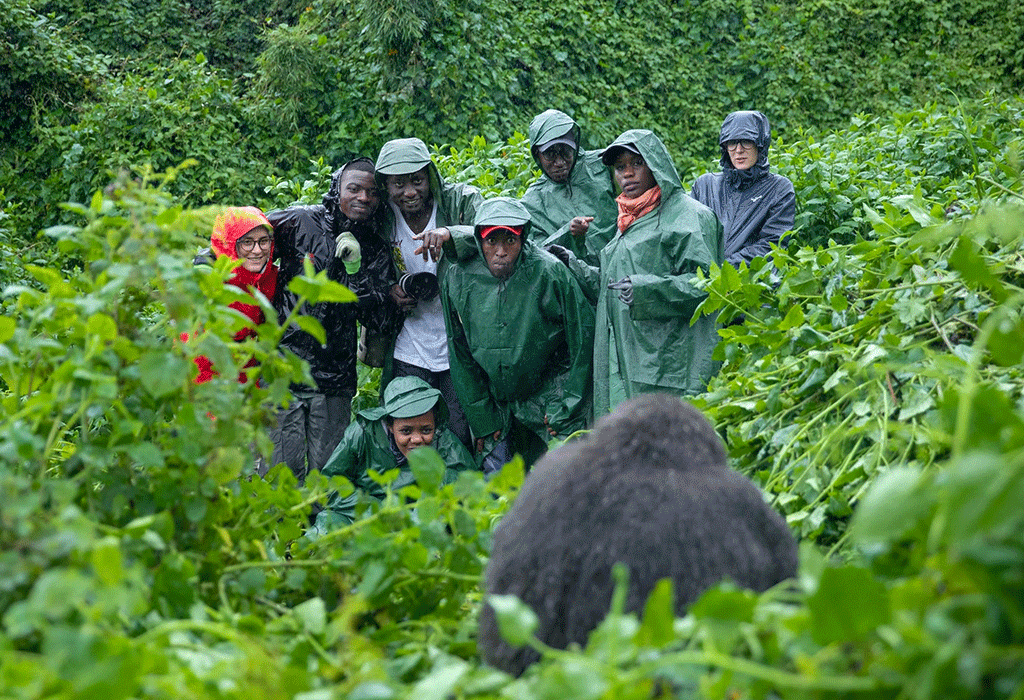
Once your group finds its assigned gorilla family, the opportunity to observe the gorillas is extraordinary, whether the forest is wet or dry.
You may see a silverback resting, mothers caring for their young, juveniles playing, or gorillas feeding among the vegetation.
The standard trekking experience allows visitors to spend up to one hour with the gorillas once they have been located, subject to park regulations and guidance from the rangers.
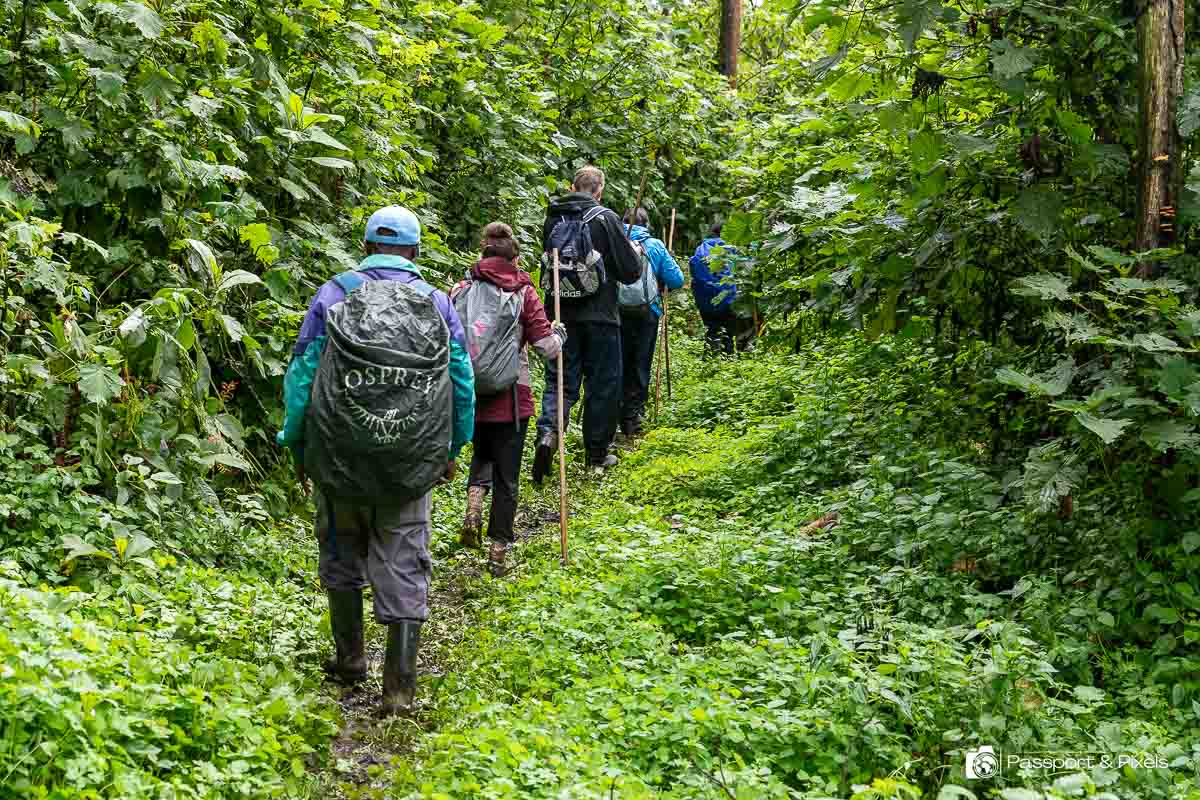
It is important to understand that the trek’s duration varies. Some groups find gorillas relatively quickly, while others walk for several hours over steep, muddy terrain.
Rainy-season trekking is therefore best suited to travellers who are flexible, patient and prepared for changing conditions.
6. Combine Gorilla Trekking With Other Uganda Experiences
One of the best ways to get value from your trip is to combine gorilla trekking with other attractions.
Depending on your available time, budget and route, you could include:
- Queen Elizabeth National Park: Game drives, elephants, buffaloes, lions and a boat cruise along the Kazinga Channel.
- Kibale National Park: Chimpanzee tracking in tropical forest.
- Lake Bunyonyi: Scenic lake views, canoeing and relaxation after trekking.
- Lake Mburo National Park: Wildlife viewing, guided walking safaris and boat trips.
- Murchison Falls National Park: Game drives, Nile boat cruises and the spectacular Murchison Falls.
The rainy season can be a rewarding time to explore Uganda’s landscapes, but road conditions and journey times should be considered when planning a multi-park safari.
7. Support Gorilla Conservation and Local Communities
Gorilla trekking is not simply a wildlife activity. It also contributes to the conservation of one of the world’s most threatened great apes.
Permit revenue helps support protected-area management and conservation activities, while tourism creates employment and business opportunities for guides, trackers, porters, lodge staff, drivers and surrounding communities.
Choosing a responsible local safari operator, following ranger instructions and respecting wildlife rules can help make your visit more beneficial to both conservation and local livelihoods.
Whether you travel in the rainy season or the dry season, responsible gorilla trekking is an important way to experience Uganda’s natural heritage.
The Disadvantages of Gorilla Trekking During the Rainy Season
Although the lower permit price is attractive, rainy-season gorilla trekking is not ideal for every traveller.
Before booking, consider the following challenges.
1. Muddy and Slippery Trails
This is the biggest practical disadvantage.
Rain can make Bwindi’s forest trails muddy, slippery and difficult to navigate. The terrain includes steep slopes, exposed roots and uneven ground.
You may need to climb uphill, descend through wet vegetation or step carefully across slippery sections.
Travellers with limited mobility or little hiking experience should discuss their needs with their tour operator before booking.
Good preparation makes a difference. Wear sturdy hiking boots with reliable grip, use walking sticks where available, and consider hiring a porter to help carry your daypack and provide assistance on difficult sections.
2. Rain Can Make the Trek More Physically Demanding
Gorilla trekking is not a fixed-distance walk.
Depending on where the gorilla family is located, you might spend a relatively short time walking or several hours moving through challenging terrain.
Wet conditions can increase the effort required, especially on steep or muddy sections.
If you are not accustomed to hiking, prepare with regular walks, hill training and general fitness exercises before your trip.
You do not need to be an elite athlete, but a reasonable level of fitness, suitable footwear and a willingness to follow your ranger’s guidance are important.
3. Photography Can Be More Difficult
Rain, mist and thick vegetation can affect visibility and lighting.
Your camera lens may fog up, and water droplets can interfere with photographs. The forest canopy can also create low-light conditions.
To prepare:
- Use a waterproof camera cover or rain sleeve.
- Carry a dry bag for electronics.
- Bring a microfibre lens cloth.
- Keep spare batteries protected from moisture.
- Use a camera strap to reduce the risk of dropping equipment on slippery trails.
Do not allow photography to distract you from following the rangers’ instructions or maintaining the required distance from the gorillas.
4. Road Travel May Take Longer
Bwindi is located in a mountainous region of southwestern Uganda. Depending on your starting point, reaching your lodge can involve a long road journey.
Rain may affect road conditions, particularly on unpaved access roads and steep approaches to some accommodation properties.
Allow sufficient time for travel and avoid scheduling your return journey too tightly around international flights.
For many visitors travelling from Kampala or Entebbe, a three-day gorilla trekking safari is a practical option. Longer itineraries are worthwhile if you want to explore additional parks without rushing.
5. Rain Is Unpredictable
A forecast cannot guarantee exactly what conditions you will experience in the forest.
You may encounter sunshine, mist, light showers or heavy rain during the same trip.
This uncertainty is part of travelling in a tropical rainforest. If you require consistently dry conditions, prefer easy walking or have very limited travel dates, the drier months may be a better fit.
What Should You Pack for Rainy Season Gorilla Trekking?
Packing the right equipment can make a major difference to your comfort and safety.
We recommend bringing:
Waterproof hiking boots: Choose sturdy boots with good grip and ankle support. Break them in before your trip.
Lightweight waterproof jacket: A breathable rain jacket helps protect you from showers while allowing you to move comfortably.
Waterproof trousers: These can be useful during prolonged rain or when moving through wet vegetation.
Long-sleeved shirts and long trousers: These help protect your skin from scratches, insects and stinging vegetation.
Gardening gloves: Lightweight gloves can protect your hands when you need to hold vegetation for balance, although you should follow ranger instructions and avoid grabbing plants unnecessarily.
Daypack and dry bags: Keep your water, snacks, camera, phone and other essentials protected.
Insect repellent and personal medication: Carry the products you normally use and follow medical advice appropriate to your circumstances.
Drinking water and snacks: Follow your operator’s guidance on what to bring and how to manage your energy during the trek.
Walking stick: A walking stick can provide extra stability on uneven ground. These may be available at the trekking briefing point.
Cash for a porter: Hiring a porter can help you manage your daypack and provide assistance on difficult sections. Confirm the current rate locally.
A final tip: pack an extra pair of socks and a change of clothes for after the trek. Being able to change into dry clothing makes the return to your lodge much more comfortable.
Bwindi or Mgahinga: Where Should You Go During the Rainy Season?
Uganda offers mountain gorilla trekking in two national parks: Bwindi Impenetrable National Park and Mgahinga Gorilla National Park.
Both offer opportunities to see mountain gorillas, but the choice depends on permit availability, accommodation, travel arrangements and personal preferences.
Bwindi Impenetrable National Park
Bwindi is the better-known destination and has several trekking sectors:
- Buhoma
- Ruhija
- Rushaga
- Nkuringo
Each sector has its own gorilla families, surrounding accommodation and trekking conditions.
Some trails can be steep and challenging, and the difficulty of your trek depends on where your assigned gorilla family is located.
When booking, consider accommodation that is convenient for your allocated sector. Choosing a lodge in the wrong area can result in unnecessary early-morning driving.
Mgahinga Gorilla National Park
Mgahinga offers gorilla trekking in a scenic volcanic landscape close to Uganda’s borders with Rwanda and the Democratic Republic of the Congo.
The park can be an excellent alternative when you are interested in gorilla trekking alongside volcanic scenery and other primate experiences.
Permit availability must be checked for your specific dates, and the park’s terrain can also be demanding in wet conditions.
Neither park guarantees an easier trek simply because you visit during the rainy season. Discuss your fitness level and preferences with your tour operator before choosing your destination.
Is the $600 Gorilla Permit Really Worth It?
For many travellers, yes.
The lower permit price makes rainy-season gorilla trekking particularly attractive if you have flexible travel dates and do not mind hiking in wet conditions.
However, the decision depends on your priorities.
| Traveller type | Is rainy-season trekking worth considering? | Why |
|---|---|---|
| Budget-conscious travellers | Yes | The permit discount can save US$200 per eligible foreign non-resident. |
| Couples travelling together | Yes | Two eligible travellers can save US$400 on permits. |
| Wildlife photographers | Yes, with preparation | Lush scenery can be beautiful, but rain and low light require extra care. |
| Experienced hikers | Yes | Challenging trail conditions may be manageable with proper preparation. |
| Travellers who dislike rain | Maybe not | The drier months may provide more comfortable hiking conditions. |
| Visitors with limited mobility | Seek advice first | Muddy, steep trails can make trekking more difficult. |
| Travellers with fixed dates | Only if available | Permit availability and the no-rescheduling condition must be considered carefully. |
The key is to compare the savings against the conditions you are comfortable experiencing.
If you are happy to hike through a wet rainforest, prepare properly and accept some uncertainty, the low-season permit can offer excellent value.
If your priority is easier trail conditions, the drier months may be worth the additional permit cost.
How to Book a Rainy-Season Gorilla Trekking Safari in Uganda
Planning ahead is important even during the low season.
Follow these steps to make the process easier.
Step 1: Choose Your Travel Dates
Decide whether April, May or November works for your travel schedule.
Remember that the discounted permit cannot be rescheduled under the announced low-season conditions. Confirm the applicable terms before committing to your dates.
Step 2: Check Gorilla Permit Availability
Permit availability depends on the date, visitor category and trekking destination.
Check availability before making non-refundable arrangements for accommodation or transport.
Step 3: Choose Your Trekking Sector and Accommodation
If trekking in Bwindi, coordinate your accommodation with the sector allocated for your trek.
This helps reduce unnecessary driving before the early-morning briefing.
Step 4: Arrange Transportation
You can travel to Bwindi by road from Kampala or Entebbe, or consider a domestic flight to an airstrip serving the region, subject to schedules and availability.
Road travel offers the opportunity to see more of Uganda, but it requires time. A three-day safari is a useful starting point for travellers who want to combine the journey with a gorilla trekking experience.
Step 5: Prepare for the Forest
Pack appropriate hiking gear, arrange a porter if needed, and follow your guide’s advice.
Listen carefully to the rangers’ briefing, maintain the required distance from gorillas and follow all conservation rules.
Step 6: Confirm the Full Safari Cost
Your gorilla permit is only one component of the trip.
Ask for a quotation that clearly explains the costs of transportation, accommodation, meals, guiding services and any additional activities.
You can explore our three-day Uganda gorilla trekking safari as a starting point for planning your visit.
FAQs About Rainy Season Gorilla Trekking
Is gorilla trekking possible in Uganda during the rainy season?
Yes. Gorilla trekking takes place throughout the year in Bwindi Impenetrable National Park and Mgahinga Gorilla National Park. Rain can make the trails muddy and slippery, so suitable footwear and preparation are important.
Is the Uganda gorilla permit really US$600?
Under UWA‘s announced low-season tariff, the standard gorilla trekking permit for eligible foreign non-residents costs US$600 in April, May and November, compared with the standard US$800 rate. Foreign residents have a separate low-season rate of US$500 compared with US$700 standard. Confirm the applicable price and availability for your travel dates before paying.
How much can two people save on gorilla permits?
Two eligible foreign non-resident visitors can save US$400 combined when each purchases a US$600 low-season permit instead of an US$800 standard permit.
Are gorillas harder to find during the rainy season?
Rain does not automatically make gorillas harder to find. Trackers and rangers use their knowledge of gorilla movements to help locate the assigned family. However, trekking duration varies, and wet conditions can make walking more challenging.
Does it rain all day in Bwindi?
Not necessarily. Rainfall varies, and conditions can change throughout the day. You may experience sunshine, mist, showers or prolonged rain. It is best to prepare for wet conditions even when the forecast looks favourable.
Are rainy-season gorilla permits refundable or transferable?
Do not assume that they are. The announced low-season permit conditions state that these permits cannot be rescheduled. Confirm the current cancellation, refund and payment conditions with your tour operator before booking, and consider appropriate travel insurance.
What is the best month for rainy-season gorilla trekking?
April, May and November are the key months for the announced low-season permit discount. The best month for you depends on your travel dates, weather preferences, permit availability and budget.
Is a gorilla trekking permit the full cost of a safari?
No. The permit covers the regulated gorilla trekking experience, but accommodation, transportation, meals and optional services may cost extra. Always request a full safari quotation before booking.
Final Verdict: Should You Choose Rainy-Season Gorilla Trekking?
If saving money is important to you and you are comfortable hiking in wet conditions, the US$600 gorilla permit can be worth it.
The potential US$200 saving per eligible foreign non-resident is significant, particularly for couples and groups. You can also experience Bwindi’s lush rainforest scenery and combine gorilla trekking with other memorable wildlife and cultural experiences.
However, the rainy season comes with real challenges. Muddy trails, slippery slopes, changing weather and potentially slower road journeys require preparation.
The smartest approach is to choose your dates carefully, confirm permit availability and conditions, select accommodation near your trekking sector, and arrange transport that allows enough time for the journey.
At Uganda Wildlife Tours, we can help you plan a gorilla trekking safari around your preferred dates, budget and accommodation level. Whether you want a budget-friendly trip, a comfortable mid-range Uganda safari or a luxury rainforest experience, we can help you explore suitable options.
Ready to plan your gorilla trekking adventure? Contact us today for a free quote and start planning.

