
Cultural Experiences in Uganda: Best Tours and Traditions
Cultural experiences in Uganda allow visitors to discover the country’s diverse traditions, history, music, food, traditional lifestyles and community heritage. From exploring the royal heritage of the Buganda Kingdom in Kampala to meeting the Batwa community near Bwindi, watching traditional performances at Ndere Cultural Centre and learning about the Tooro Kingdom in Fort Portal, Uganda offers many ways to connect with its people and cultural identity.
Uganda is home to more than 50 ethnic communities, each with distinctive languages, customs, traditional clothing, music, dance, food and social practices. A cultural tour gives you an opportunity to learn about these differences through guided visits, conversations, performances, local food experiences and community activities.
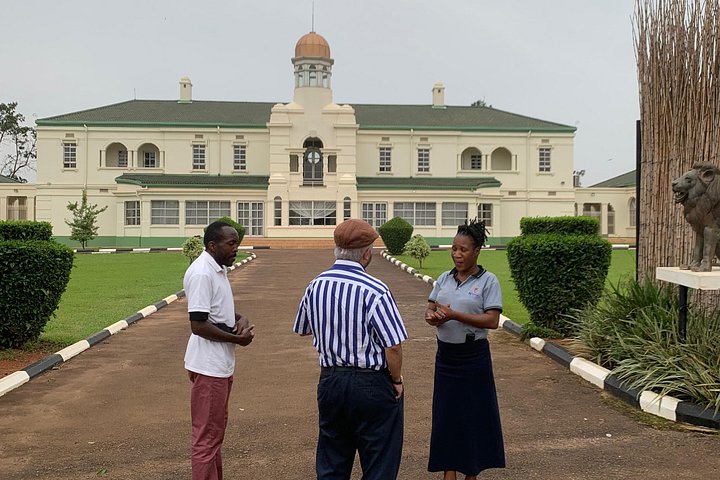
Cultural Experiences in Uganda: Best Places to Visit and Tours to Take
1. Explore the Buganda Kingdom and Its Royal Heritage
The Buganda Kingdom is one of Uganda’s most prominent traditional kingdoms, with a rich history, royal traditions and cultural institutions. Its influence is particularly visible in Kampala and the surrounding Central Region.
A visit to Buganda’s cultural sites introduces you to the kingdom’s monarchy, its historical leaders, traditional architecture and customs.
Important places to explore include:
- Kasubi Tombs: A UNESCO World Heritage Site and the burial grounds of several Buganda kings, known as Kabakas. The site provides insight into royal traditions, spiritual beliefs and traditional Ganda architecture.
- Kabaka’s Palace at Mengo: Also known as Lubiri, this is the official royal palace of the Buganda Kingdom. Visitors can learn about the kingdom’s monarchy and its place in Uganda’s history.
- Kabaka’s Lake: A man-made lake associated with Kabaka Mwanga II, offering an interesting connection to Buganda’s royal history.
- Bulange: The administrative headquarters of the Buganda Kingdom, where visitors can learn about its traditional governance and institutions.
A guided visit helps explain the significance of these places beyond their appearance as historical attractions.
Read our guide to the Kasubi Tombs to learn more about Buganda’s royal heritage.
2. Experience Traditional Music and Dance at Ndere Cultural Centre
Traditional music and dance are among the most engaging cultural experiences in Uganda. They express the history, beliefs, celebrations and everyday life of different communities.
Located in Kampala, Ndere Cultural Centre is one of the country’s best-known venues for experiencing traditional Ugandan performing arts. The Ndere Troupe presents dances, songs, drumming and storytelling inspired by different Ugandan communities.
You may encounter performances such as:
- Bakisimba: A traditional Baganda dance characterised by rhythmic movements and energetic drumming.
- Larakaraka: A lively Acholi dance traditionally associated with courtship and celebrations.
- Ekitaguriro: A traditional dance associated with the Banyankole and characterised by graceful movements.
- Kiganda dances: Performances reflecting the cultural traditions of the Baganda.
- Traditional drumming: Rhythms played using different drums and instruments, often accompanying songs and dances.
The experience provides an entertaining introduction to Uganda’s cultural diversity. Visitors can also enjoy traditional food and learn about the instruments, costumes and stories behind the performances.
Find out more about Ndere Cultural Centre in Kampala.
3. Visit the Batwa Community Near Bwindi and Mgahinga
The Batwa are an Indigenous forest community whose ancestral homeland includes the forests around Bwindi and Mgahinga. Traditionally, they depended on the forest for food, shelter, medicine and other resources.
Today, visitors can participate in organised Batwa cultural experiences near these national parks. Led by community members, these visits introduce travellers to aspects of Batwa history, traditional knowledge and cultural heritage.
Depending on the experience arranged, activities may include:
- Learning about traditional hunting techniques and forest survival skills.
- Discovering how medicinal plants were traditionally used.
- Watching demonstrations of traditional fire-making.
- Listening to stories about the Batwa’s relationship with the forest.
- Enjoying traditional songs, dances and drumming.
- Learning about the challenges of preserving Batwa heritage and livelihoods.
The Batwa cultural experience is particularly meaningful when combined with gorilla trekking. It helps visitors understand the human history of the forests as well as their importance for wildlife conservation.
You can learn more about the community in our article on Batwa history.
For travellers interested in combining culture and wildlife, we offer the 3-Day Gorillas and Batwa Pygmy Tour. It combines a Batwa cultural encounter with mountain gorilla trekking in Bwindi.
4. Discover the Tooro Kingdom and Fort Portal’s Cultural Heritage
Fort Portal, in western Uganda, is an excellent destination for travellers interested in traditional kingdoms, local legends and cultural heritage. It is closely associated with the Tooro Kingdom, whose traditions remain an important part of the region’s identity.
During a cultural visit, you can explore:
- Tooro King’s Palace: Learn about the monarchy, royal history and cultural traditions of the Tooro Kingdom.
- Amabere Ga Nyinamwiru Caves: Discover the limestone formations, waterfalls and local legends associated with Princess Nyinamwiru.
- Traditional Batooro culture: Learn about local customs, greetings, ceremonies, food and community life.
- Fort Portal town: Explore local markets and experience the everyday atmosphere of one of western Uganda’s most attractive towns.
The Amabere caves are especially interesting because their geological formations are connected to traditional stories passed down through generations. A local guide can explain the legends and their cultural significance.
This destination is particularly suitable for visitors combining cultural discovery with nature. Fort Portal also provides access to Kibale Forest, crater lakes and the scenic foothills of the Rwenzori Mountains.
5. Learn About Uganda’s History at the Uganda Museum
The Uganda Museum in Kampala is an excellent starting point for understanding the country’s cultural and historical background.
Its collections include traditional musical instruments, archaeological materials, historical objects, clothing, crafts and exhibits representing different Ugandan communities.
During your visit, you can learn about:
- Traditional tools and household objects used by different communities.
- Musical instruments such as drums, harps and stringed instruments.
- Traditional clothing, pottery, baskets and other handicrafts.
- Uganda’s archaeological and historical development.
- Cultural practices, ceremonies and traditional ways of life.
The museum is especially useful for visitors who want background knowledge before travelling to different parts of the country.
Explore our detailed guide to the Uganda Museum.
6. Experience the Culture of the Karamojong in Northeastern Uganda
The Karamoja region in northeastern Uganda offers a distinctive cultural experience. It is home to the Karamojong, a pastoralist community whose traditions have historically been closely connected to cattle keeping, livestock, family and community life.
A guided cultural visit can introduce you to:
- Traditional homesteads and settlement patterns.
- The importance of cattle in Karamojong society.
- Traditional clothing, beadwork and adornments.
- Local songs, dances and storytelling.
- Food traditions and everyday community activities.
- The region’s history, customs and changing way of life.
The Karamoja region also offers opportunities to explore the landscapes and wildlife of Kidepo Valley National Park. This makes it possible to combine cultural discovery with game drives and nature experiences.
Cultural visits should be organised through appropriate local guides and community arrangements. Visitors should seek permission before photographing people or entering private homesteads.
7. Discover the Ankole Culture and Traditional Cattle-Keeping Heritage
Western Uganda is home to the Banyankole, a community with a strong cultural association with the long-horned Ankole cattle.
The Ankole long-horned cattle are known for their distinctive horns and their historical importance in the region’s pastoral traditions. Cattle have traditionally been associated with wealth, social identity, marriage customs and household livelihoods.
A cultural experience in the Ankole region can introduce you to:
- The history and significance of Ankole long-horned cattle.
- Traditional cattle keeping and pastoral lifestyles.
- Local food and milk-based products.
- Traditional songs, stories and dances.
- Rural community life and the region’s agricultural heritage.
You can combine an Ankole cultural experience with a visit to Lake Mburo National Park, where you can enjoy wildlife viewing and explore the surrounding countryside.
8. Experience Traditional Ugandan Food
Food is an important part of Uganda’s cultural identity. Different communities have their own traditional dishes, cooking methods and ingredients, making local food experiences an enjoyable way to understand the country.
Some Ugandan dishes worth trying include:
- Matoke: Green cooking bananas, commonly steamed and served with groundnut sauce, beans, meat or fish.
- Luwombo: Meat, chicken, fish or groundnut sauce cooked in banana leaves.
- Posho: A maize-flour dish commonly served with beans, vegetables or meat.
- Rolex: A popular street food made by rolling an omelette with vegetables inside a chapati.
- Groundnut sauce: A rich sauce made from groundnuts and served with various staple foods.
- Malewa: A traditional dish made from bamboo shoots, particularly associated with the Bagisu of eastern Uganda.
- Eshabwe: A traditional Ankole dish made from ghee and commonly served with millet bread or other local foods.
You can enjoy traditional food at local restaurants, cultural centres and community visits. Trying local dishes is also a good way to learn about the ingredients and cooking traditions used in different regions.

9. Visit Local Markets and Discover Ugandan Crafts
Local markets and craft centres offer a glimpse into everyday life in Uganda. They are also excellent places to discover handmade products and interact with local traders and artisans.
In Kampala, you can visit markets and craft shops to explore:
- Handwoven baskets and mats.
- Traditional fabrics and clothing.
- Wooden carvings and sculptures.
- Beaded jewellery and accessories.
- Handmade bags and decorative items.
- Locally produced food, spices and other products.
Owino Market and Nakasero Market provide lively introductions to Kampala’s trading culture, while craft markets offer opportunities to purchase souvenirs made by Ugandan artisans.
When buying crafts, consider purchasing directly from local makers where possible. This helps support the people and businesses responsible for preserving traditional skills.
10. Learn About the History of the Uganda Martyrs
The Uganda Martyrs are an important part of the country’s religious and historical heritage. Their story is associated with the events of the late nineteenth century, when a group of Christian converts were executed during the reign of Kabaka Mwanga II.
The Uganda Martyrs Shrine at Namugongo is a major pilgrimage destination, attracting visitors from Uganda and other parts of the world, especially during the annual Martyrs Day celebrations on 3 June.
A visit offers an opportunity to learn about the history of Christianity in Uganda, the lives of the martyrs and the significance of the shrine to religious communities.
This experience can be combined with a Kampala cultural and historical tour.
11. Explore the Culture and Communities Around Lake Bunyonyi
Lake Bunyonyi, in southwestern Uganda, is known for its beautiful scenery, terraced hills and numerous islands. It is also a rewarding destination for learning about the local communities, particularly the Bakiga.
A cultural visit around the lake may include:
- Learning about Bakiga traditions and rural lifestyles.
- Visiting local communities and farms through organised arrangements.
- Discovering traditional farming practices on the surrounding hills.
- Taking a boat ride to selected islands and learning about their history.
- Enjoying local food and interacting with community members.
Lake Bunyonyi is a relaxing destination to include after gorilla trekking in Bwindi. It offers a different side of Uganda, combining cultural encounters with scenic landscapes and time on the water.
Cultural Trips Offered by Uganda Wildlife Tours
At Uganda Wildlife Tours, we can arrange cultural excursions and multi-day safaris that introduce you to Uganda’s history, traditions and local communities. Below are some of the trips you can consider.
1-Day Kampala Walking and Cultural Tour
This is a good choice for travellers who have limited time in Kampala but want to explore the city’s history and cultural attractions.
Our 1-Day Kampala Walking Tour introduces you to important landmarks and cultural sites around the capital.
Depending on the itinerary and opening arrangements, highlights can include:
- The Independence Monument.
- Gaddafi National Mosque and its panoramic city views.
- Kabaka’s Palace and the Buganda Kingdom’s royal heritage.
- Local markets and craft shops.
- Historical and cultural landmarks around Kampala.
You can also request additional time at the Uganda Museum or Kasubi Tombs, subject to the day’s schedule.
3-Day Gorillas and Batwa Cultural Tour
Our 3-Day Gorillas and Batwa Pygmy Tour combines two memorable experiences in southwestern Uganda.
The trip includes:
- Travel from Kampala or Entebbe to Bwindi.
- Gorilla trekking in Bwindi Impenetrable National Park.
- A guided cultural experience with the Batwa community.
- An opportunity to learn about traditional forest knowledge, storytelling, songs and dances.
- A return journey to Kampala or Entebbe.
It is a suitable option for travellers who want to experience both Uganda’s wildlife and the cultural heritage of the Batwa within a short safari.
6-Day Uganda Gorilla and Golden Monkey Trekking Adventure
Our 6-Day Uganda Gorilla and Golden Monkey Trekking Adventure includes a Batwa cultural experience in the Mgahinga area.
The cultural trail introduces visitors to the Batwa’s historical relationship with the forest. Depending on the arrangements, you can learn about traditional hunting, medicinal plants, fire-making, food gathering, storytelling and dance.
The itinerary also includes opportunities to experience Uganda’s primates and the beautiful scenery around the Virunga Mountains.
7-Day Uganda Cultural and Gorilla Safari
For travellers who want a more comprehensive cultural holiday, our 7-Day Uganda Cultural and Gorilla Safari combines historical sites, traditional communities, gorilla trekking and scenic destinations.
The itinerary includes:
- Kampala: Explore the Kasubi Tombs, Uganda Museum and Ndere Cultural Centre.
- Fort Portal: Discover Amabere Ga Nyinamwiru caves and the Tooro King’s Palace.
- Bwindi: Experience Batwa cultural heritage and go mountain gorilla trekking.
- Lake Bunyonyi: Enjoy the scenery, a boat ride and opportunities to learn about local communities.
This trip is ideal for visitors who want to understand Uganda’s cultural diversity while also experiencing one of its most famous wildlife attractions.
Best Time to Enjoy Cultural Experiences in Uganda
Cultural experiences in Uganda are available throughout the year. Museums, historical sites, cultural centres and many community visits can be enjoyed in different seasons.
However, the best time for your trip may depend on the activities you want to combine with cultural visits.
June to September: These months are generally part of Uganda’s drier season and can be convenient for combining cultural visits with gorilla trekking, wildlife safaris and outdoor activities.
December to February: Another generally drier period, suitable for exploring cultural sites, visiting communities and travelling between destinations.
March to May and October to November: These periods generally receive more rainfall in many parts of the country. The countryside can be especially green, although some road journeys and outdoor activities may require additional flexibility.
If your cultural trip includes gorilla trekking or other park activities, we recommend planning around the relevant seasonal conditions and permit availability.
What to Know Before Taking a Cultural Tour in Uganda
Cultural tourism is most rewarding when visitors approach local communities with curiosity, respect and an open mind.
Keep these considerations in mind:
- Respect local customs: Different communities have different traditions, greetings, social expectations and cultural practices. Listen to your guide and follow local advice.
- Ask before taking photographs: Always seek permission before photographing individuals, families, ceremonies or private homes.
- Use local guides: Community guides can explain traditions in their proper context and help ensure that visits are organised respectfully.
- Dress appropriately: Modest, comfortable clothing is a sensible choice for visits to religious sites and traditional communities.
- Support local businesses: Consider buying locally made crafts, enjoying traditional meals and using community-led services.
- Be respectful during performances: Traditional dances and ceremonies may have cultural significance beyond entertainment. Follow the guidance of the organisers.
- Understand that communities are changing: Cultural experiences should not be treated as a staged picture of the past. People have modern lives and traditions that continue to evolve.

FAQs About Cultural Experiences in Uganda
What are the best cultural experiences in Uganda?
Some of the most rewarding cultural experiences include visiting the Kasubi Tombs, attending traditional performances at Ndere Cultural Centre, exploring the Uganda Museum, meeting the Batwa community near Bwindi or Mgahinga, discovering the Tooro Kingdom in Fort Portal and learning about the Karamojong in northeastern Uganda.
Which traditional communities can I visit in Uganda?
Depending on your itinerary and local arrangements, you can learn about communities such as the Baganda, Batwa, Bakiga, Banyankole, Batooro, Acholi, Karamojong and Bagisu. Each has distinctive cultural traditions, histories and ways of life.
Can I combine cultural experiences with a Uganda wildlife safari?
Yes. Cultural experiences can be combined with gorilla trekking, chimpanzee tracking, game drives, boat cruises and birdwatching. For example, you can visit the Batwa near Bwindi, explore the Tooro Kingdom around Fort Portal or experience local communities around Lake Bunyonyi during a longer wildlife safari.
How many days do I need for a cultural tour in Uganda?
A one-day visit is enough to explore selected cultural attractions in Kampala. A three-day trip can combine gorilla trekking with a Batwa cultural experience, while a seven-day itinerary allows you to explore several regions, historical sites and traditional communities.
Is Uganda suitable for cultural tourism?
Yes. Uganda has a rich cultural heritage, with traditional kingdoms, Indigenous communities, historical sites, music, dance, food and craft traditions. Visitors can explore these through museums, cultural centres, guided historical tours and community-based experiences.
Are cultural experiences in Uganda suitable for families?
Many cultural attractions, including museums, traditional performances, local markets and historical sites, can be enjoyed by families. The suitability of community visits and longer journeys depends on the ages and interests of the children, as well as the activities included.
Can I book a private cultural tour in Uganda?
Yes. Uganda Wildlife Tours can organise private cultural excursions and tailor-made itineraries for individuals, couples, families and groups. You can choose the destinations, duration, accommodation category and activities that interest you.
Discover Uganda’s Culture with Uganda Wildlife Tours
Uganda’s culture is best experienced by meeting its people, listening to their stories, exploring their historical landmarks, tasting traditional food and discovering the customs that continue to shape everyday life. From the royal heritage of Buganda and the vibrant performances at Ndere Cultural Centre to the Batwa’s forest traditions and the pastoral heritage of Karamoja, every region offers a different perspective on the country.
At Uganda Wildlife Tours, we want your journey to be about more than visiting attractions. We want you to understand the places you explore and appreciate the communities that make Uganda unique.
We can organise a short Kampala cultural excursion, a Batwa community experience, a historical tour of western Uganda or a longer cultural safari combining local traditions with gorilla trekking, wildlife viewing and birdwatching.
Come and experience Uganda with us. Contact Uganda Wildlife Tours with your preferred travel dates, group size, cultural interests and budget.
Let our local team create a personalised cultural journey that brings you closer to Uganda’s people, heritage and unforgettable landscapes.