cycling safaris in Lake Mburo

Cycling Safaris in Lake Mburo National Park: A Unique Way to Explore Uganda’s Wilderness

If you’re looking for an adventurous and eco-friendly way to experience Uganda’s wildlife, a cycling safari in Lake Mburo National Park offers the perfect blend of excitement, exercise, and up-close wildlife encounters.

As one of the few parks in Uganda that allows cycling safaris, Lake Mburo is an ideal destination for travelers who want a unique safari experience that goes beyond the traditional game drive.

Why Choose Lake Mburo for a Cycling Safari?

Located in southwestern Uganda, Lake Mburo National Park is one of the most accessible parks in the country, only about a 4-hour drive from Kampala.

The park is known for its rolling hills, acacia woodlands, savannah, and beautiful lake views, making it a scenic backdrop for any safari. It’s also home to diverse wildlife, including zebras, impalas, buffaloes, warthogs, and over 350 bird species.

One of the main draws of cycling safaris in Lake Mburo is the lack of large predators like lions. This makes the park safer for walking and cycling safaris, giving visitors the unique opportunity to explore on two wheels without the typical dangers associated with predator-heavy environments.

Additionally, the park’s size and landscape are ideal for cycling, with trails winding through savannahs and woodlands, allowing cyclists to immerse themselves in the park’s peaceful, yet thrilling, environment.

What to Expect on a Cycling Safari

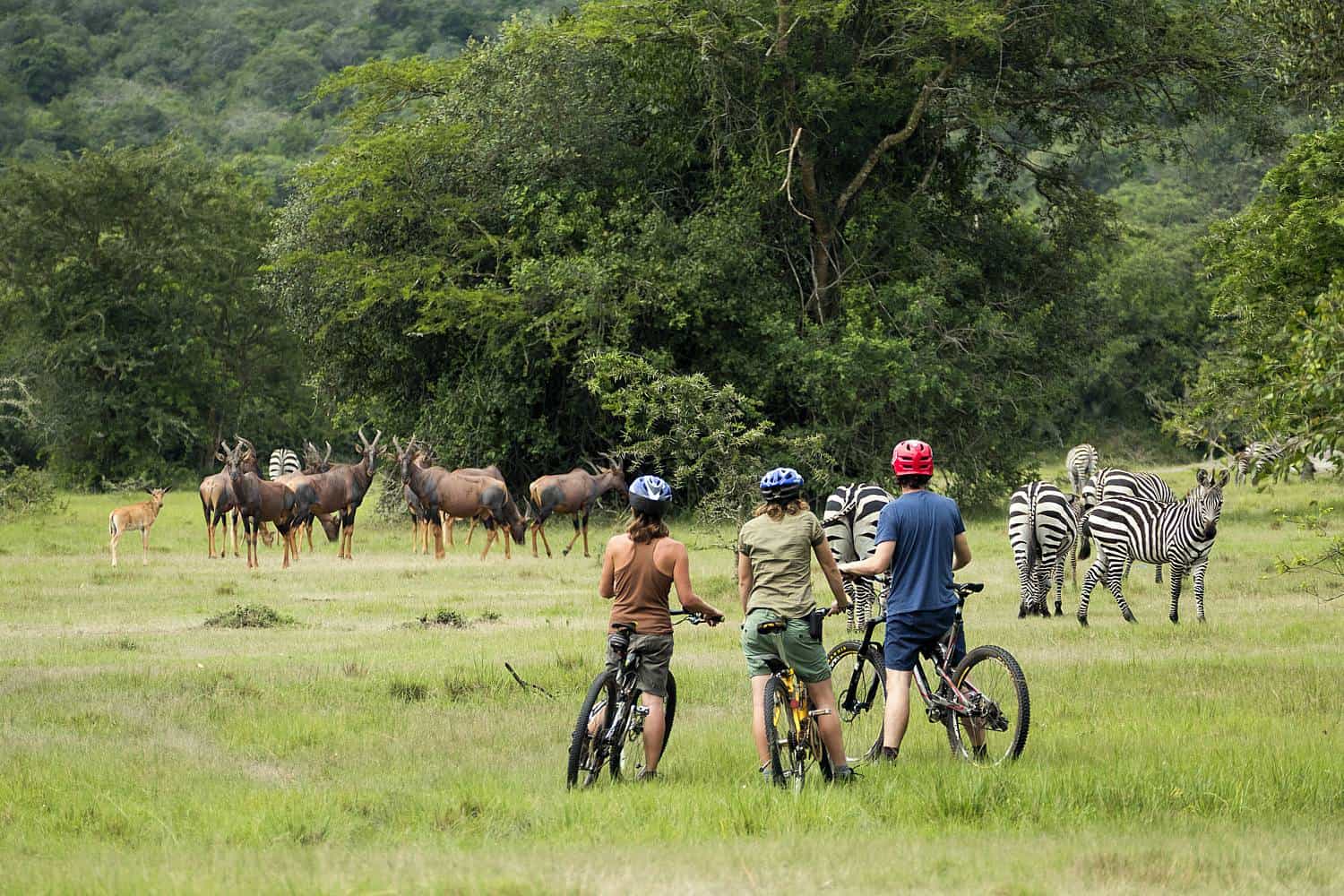
A cycling safari offers a much closer and more intimate experience than traditional safari vehicles. Riding a bike through the wilderness lets you move at your own pace, with the thrill of spotting animals on the open plains, hearing birds chirping nearby, and feeling the warm African sun as you ride. Here’s what you can expect on a Lake Mburo cycling safari:

  1. Guided Safari Experience: Cycling safaris in Lake Mburo are guided by professional rangers who know the park’s terrain, wildlife behaviors, and safety protocols. Your guide will lead you through designated trails, ensuring that you stay on safe routes and have the best chances to encounter wildlife. They’ll also share valuable insights about the animals, plants, and conservation efforts in the park, enriching your safari experience.
  2. Wildlife Encounters: On a cycling safari, you can expect to see many of the park’s notable animals, like zebras, impalas, buffaloes, and elands, grazing in the grasslands. The lack of motor noise allows you to get closer to the animals without disturbing them, creating unique photo opportunities. Since Lake Mburo has no lions, it’s safe to be out on the trails, although you’ll still need to keep a respectful distance from the larger herbivores.
  3. Stunning Scenery: Lake Mburo National Park’s varied landscape includes open savannah, acacia-dotted woodlands, and lush wetlands. As you ride through these environments, you’ll enjoy breathtaking views of rolling hills, shimmering water bodies, and sweeping plains. One of the highlights is riding near Lake Mburo itself, where you may spot hippos or crocodiles lounging by the water’s edge.
  4. Birdwatching Opportunities: Lake Mburo is a birdwatcher’s paradise, with over 350 bird species calling the park home. Some of the notable species include the African fish eagle, pied kingfisher, and rare African finfoot. Bird enthusiasts on a cycling safari can stop at various points along the trail to spot and photograph these incredible birds, adding another layer of interest to the experience.
  5. Physical Challenge: A cycling safari is a physical adventure. Though it’s suitable for most fitness levels, some trails can be challenging due to uneven terrain and occasional hills. The pace is usually moderate, with plenty of stops for wildlife viewing and photography. Make sure to carry water, wear comfortable clothing, and be prepared for a bit of a workout!

Preparing for a Cycling Safari in Lake Mburo

If you’re ready to embark on a cycling safari in Lake Mburo, here are a few tips to make your experience safe and enjoyable:

  • Dress Comfortably: Wear lightweight, moisture-wicking clothes to stay comfortable in the sun, and closed-toe shoes for safe cycling. A hat, sunglasses, and sunscreen are also essential to protect yourself from the strong equatorial sun.
  • Bring Essentials: Pack a small backpack with water, snacks, and binoculars for closer wildlife viewing. Most tours provide bikes and helmets, but it’s good to check with your tour operator for any specific gear recommendations.
  • Respect Wildlife: As with any safari, it’s important to maintain a respectful distance from the animals. Avoid sudden movements or loud noises that could startle wildlife, and always follow your guide’s instructions to ensure a safe experience.
  • Capture the Moments: A camera is a must for a cycling safari! The opportunity to photograph zebras on the open plains or birds in the acacia trees is one of the best parts of the experience. Many guides know the best spots for photos, so don’t hesitate to ask them for tips.

Booking a Cycling Safari with Us

If you’re interested in a cycling safari in Lake Mburo, Happy Trip Uganda Car Rental offers customized safari packages that include this unique adventure.

With experienced guides, quality gear, and reliable transportation from Kampala to Lake Mburo, Happy Trip Uganda ensures a hassle-free safari experience.

Their professional services cater to small groups, families, or solo travelers who want a memorable, personalized adventure in the Ugandan wilderness.

Happy Trip Uganda can arrange for both day-long cycling safaris or multi-day packages with overnight stays at lodges within or near Lake Mburo National Park.

Whether you’re a cycling enthusiast or a casual biker looking for a new way to experience a safari, Happy Trip Uganda has packages to suit your needs.

Why Try a Cycling Safari?

A cycling safari is not just a fun activity; it’s a sustainable way to explore Uganda’s natural wonders. As a low-impact alternative to traditional game drives, cycling safaris help reduce vehicle emissions in the park, support conservation efforts, and provide local employment opportunities as more guides and rangers are trained to lead these tours.

Choosing a cycling safari is an active step toward eco-friendly tourism, allowing you to contribute to wildlife protection while enjoying an extraordinary experience.

Conclusion: An Unforgettable Adventure Awaits

A cycling safari in Lake Mburo National Park is an exhilarating and immersive way to explore Uganda’s wildlife and landscapes.

With close encounters with zebras, buffaloes, and other wildlife, stunning scenery, and the freedom to explore on two wheels, it’s a safari experience unlike any other.

So, if you’re planning a trip to Uganda, add a cycling safari in Lake Mburo to your itinerary and prepare for a truly unforgettable adventure.

Book your cycling safari with us  today, and get ready to discover Lake Mburo National Park like never before.

Vaccinations for Travelers to Uganda

Recommended Vaccinations for Travelers to Uganda

For travelers visiting Uganda, staying up-to-date with recommended vaccinations is essential to ensure a safe and enjoyable trip. Here are the key vaccinations and reasons for each:

  1. Yellow Fever: Proof of a yellow fever vaccination is required for entry into Uganda, especially since it’s a risk area for the disease. The vaccination provides lifelong protection against yellow fever, which is transmitted by mosquitoes and can cause severe illness.
  2. Hepatitis A and B: These vaccines protect against liver infections caused by the hepatitis viruses. Hepatitis A is often contracted through contaminated food or water, while Hepatitis B is transmitted through bodily fluids. Both are advisable to protect against unexpected exposure.
  3. Typhoid: Typhoid fever can be contracted through contaminated food or water. The typhoid vaccine is recommended for travelers to Uganda, as it provides essential protection in areas where sanitation practices may vary.
  4. Polio: Polio, though rare, is still present in some parts of the world. Travelers should ensure they are up-to-date with a polio booster for added protection, especially when visiting remote or rural areas.
  5. Rabies: Uganda has some risk of rabies, particularly in rural or wildlife-rich areas where contact with animals, such as dogs or monkeys, is possible. The rabies vaccine is recommended for travelers spending extended time outdoors or in close contact with animals.
  6. Meningococcal Meningitis: Uganda lies in the “meningitis belt” of Africa, and the disease spreads more easily in crowded conditions. A meningitis vaccine is recommended for added protection.
  7. Measles, Mumps, and Rubella (MMR): Travelers should ensure they are up-to-date with the MMR vaccine, as outbreaks can still occur globally.
  8. Tetanus and Diphtheria: This combination vaccine protects against tetanus (from open wounds or cuts) and diphtheria (an airborne bacterial infection). Staying current with these vaccines is particularly important for outdoor activities.

In addition to these vaccinations, preventive measures such as malaria prophylaxis and insect repellent are crucial for protecting against mosquito-borne illnesses. Consult a healthcare provider 4-6 weeks before travel to arrange the recommended vaccinations and any other health precautions specific to Uganda.

Safety Health Precautions to put in consideration:

When traveling to Uganda, following certain health precautions can help you stay safe and healthy. Here are some key tips:

  1. Malaria Prevention: Malaria is a risk throughout Uganda. Take anti-malarial medication as prescribed by a doctor, use insect repellent, and sleep under a treated mosquito net. Wearing long-sleeved clothing in the evenings also helps minimize exposure.
  2. Food and Water Safety: Stick to bottled or purified water and avoid tap water, including ice made from it. Eat freshly cooked, hot foods and avoid raw or undercooked meats, street food, and unwashed fruits and vegetables.
  3. Avoid Animal Bites: Rabies is present in Uganda, so avoid contact with animals, including stray dogs and monkeys. If you are bitten or scratched, seek immediate medical attention. Consider pre-travel rabies vaccination if you will be in rural areas or around wildlife.
  4. Hygiene Practices: Wash hands frequently with soap and water or use hand sanitizer, especially before eating. In areas with limited facilities, hand sanitizer is particularly helpful.
  5. Preventing Traveler’s Diarrhea: Diarrhea can be common due to different food and water sources. Bring oral rehydration salts and medication for diarrhea. Eating food that is thoroughly cooked and drinking from sealed bottled water can help prevent it.
  6. Stay Up-to-Date on Vaccinations: Ensure you have received recommended vaccines, such as yellow fever, hepatitis A and B, typhoid, and meningitis. Uganda requires proof of yellow fever vaccination for entry.
  7. Sun Protection: Uganda’s climate can be intense, especially in mountainous or open savannah areas. Wear sunscreen, a hat, sunglasses, and stay hydrated to prevent sunburn and dehydration.
  8. Avoid Swimming in Freshwater: Freshwater sources like lakes and rivers may carry parasites such as schistosomiasis. Avoid swimming or wading in these waters unless advised otherwise by local authorities.
  9. Altitude Adjustment: Some areas, like Bwindi Impenetrable Forest and the Rwenzori Mountains, have higher altitudes, which can cause altitude sickness. Acclimatize slowly, stay hydrated, and avoid strenuous activities if you experience symptoms like headaches or dizziness.
  10. Emergency Contacts and Travel Insurance: Have comprehensive travel insurance covering medical care and evacuation. Know the contact information for nearby hospitals and clinics, as well as emergency numbers.

By taking these precautions and staying vigilant, travelers can greatly reduce health risks and enjoy a safe trip to Uganda.

bigodi swamp walk

The Bigodi Swamp Walk: A Hidden Gem for Nature Lovers

The Bigodi Swamp Walk is one of Uganda’s most fascinating eco-tourism experiences, nestled in the heart of Kibale National Park, in southwestern Uganda.

This guided walk takes visitors through a beautiful and biologically rich wetland ecosystem, offering an opportunity to explore the park’s lush flora, diverse wildlife, and stunning landscapes.

Whether you’re a birdwatcher, a wildlife enthusiast, or simply seeking a peaceful nature experience, the Bigodi Swamp Walk is a must-do activity when visiting Kibale National Park.

What to Expect on the Bigodi Swamp Walk

  • A Tranquil, Nature-Filled Experience: The Bigodi Swamp is a 4-hour, guided walk through an enchanting wetland area full of diverse plant and animal species. The peaceful, unhurried pace of the walk allows you to immerse yourself in the natural surroundings and appreciate the beauty of the swamp at your own speed.
  • Rich Birdlife: The swamp is a paradise for bird lovers. Over 200 bird species have been recorded in the area, including the Great Blue Turaco, the Black-and-white Casqued Hornbill, and the Shoebill Stork—a globally threatened species. Whether you’re an experienced birder or a beginner, the Bigodi Swamp offers excellent opportunities for birdwatching in one of Uganda’s richest birding hotspots.
  • Primates and Other Wildlife: In addition to birds, Bigodi Swamp is home to several species of primates, including red-tailed monkeys, blue monkeys, black-and-white colobus monkeys, and occasionally even chimpanzees. You may also spot other wildlife such as baboons, buffaloes, and small mammals. The swamp is an ideal place to experience the diversity of Uganda’s ecosystems and see wildlife in their natural habitat.
  • Guided Experience: The walk is led by knowledgeable local guides from the surrounding communities. These guides are not only experts on the swamp’s flora and fauna but also provide fascinating insights into the local culture and conservation efforts. The guides are excellent at spotting wildlife and sharing information about the plants, animals, and the swamp’s importance to the local ecosystem.
  • Sustainable Eco-Tourism: The Bigodi Swamp Walk is an eco-tourism initiative designed to benefit the local community. Revenue from the walk helps fund conservation programs in Kibale National Park and supports local livelihoods. The tour provides a meaningful opportunity for visitors to support community conservation while enjoying the natural beauty of Uganda.
  • Scenic Surroundings: The swamp is framed by lush green vegetation, with tall grasses, papyrus, and reeds growing along the water’s edge. The rich, vibrant plant life contributes to the swamp’s unique beauty, and the stillness of the environment makes it an ideal place to relax and enjoy the sounds of nature.

Bigodi Swamp Walk

Why You Shouldn’t Miss the Bigodi Swamp Walk

  • Unparalleled Birdwatching: For birding enthusiasts, the Bigodi Swamp offers an exceptional opportunity to spot rare and endangered species in their natural wetland habitat. The chance to see the elusive Shoebill Stork or the colorful Great Blue Turaco is a highlight for many visitors.
  • Close Wildlife Encounters: Unlike traditional safari experiences, the Bigodi Swamp Walk lets you get up close and personal with wildlife in a more intimate setting. Walking through the swamp on foot gives you the opportunity to observe animals and birds in their natural environment without the intrusion of a vehicle.
  • Cultural Insights: The walk isn’t just about wildlife—it’s also an opportunity to learn about the local cultures and how people live alongside the natural environment. Guides will share stories about local traditions, the swamp’s cultural significance, and the efforts to protect it.
  • Perfect for All Ages: The walk is relatively easy and can be enjoyed by people of all ages and fitness levels. Whether you are a seasoned wildlife enthusiast or simply looking for a relaxing stroll through nature, the Bigodi Swamp offers a tranquil experience that is suitable for everyone.
  • A Peaceful Alternative to the Traditional Safari: For those looking for a unique way to explore Uganda’s nature beyond the typical game drive, the Bigodi Swamp Walk offers an off-the-beaten-path adventure. It’s an opportunity to see a different side of Uganda, away from the usual safari crowds, in a serene, tranquil setting.

When to Visit the Bigodi Swamp Walk

The best time to visit the Bigodi Swamp Walk is during the dry season, which lasts from June to September. During this time, the weather is more favorable for walking, and the wildlife is easier to spot. However, the swamp is accessible year-round, and even during the rainy season, the area remains lush and vibrant.

How to Book the Bigodi Swamp Walk

Booking a walk at the Bigodi Swamp is simple. The walk is available as part of guided tours in the Kibale National Park area, and local operators can help you arrange a visit. Many accommodations near Kibale offer tour packages that include the Bigodi Swamp Walk, along with other activities such as chimpanzee tracking or nature walks in the park. It is recommended to book in advance, especially during peak tourist seasons.

Conclusion

The Bigodi Swamp Walk is an unforgettable experience that offers a unique way to explore Uganda’s diverse wildlife and ecosystems.

Whether you’re an avid birdwatcher, a nature lover, or simply looking for a peaceful nature walk, this eco-tourism activity is an opportunity to enjoy the beauty of the Ugandan countryside while supporting local communities and conservation efforts.

With its rich biodiversity, knowledgeable guides, and serene environment, the Bigodi Swamp Walk is truly a hidden gem that should be on every traveler’s list when visiting Kibale National Park.

giraffe sounds

Giraffe Sounds: A Quiet and Subtle Communication

Giraffes are often thought of as silent creatures, but they do, in fact, produce a range of sounds, albeit not as frequently or as loudly as some other animals. Unlike elephants, lions, or zebras, giraffes do not engage in loud vocalizations.

Their communication style is relatively subtle, relying on a variety of body language, movements, and occasional sounds to convey messages to each other, particularly within their herds.

While giraffes are not known for being especially vocal, their sounds are an important aspect of how they interact, communicate, and coordinate with one another, especially in the wild. In this section, we’ll explore the different types of sounds that giraffes make, the reasons behind these vocalizations, and how they contribute to giraffe behavior and communication.

Hear the giraffe sounds in Uganda today with our 4 Days Uganda Wildlife Safari

1. Types of Giraffe Sounds

Though giraffes are primarily non-vocal animals, they do produce a range of noises that serve specific functions. Here are some of the key sounds giraffes are known to make:

1.1. Low-Frequency Hum or Infrasonic Sounds

One of the more interesting aspects of giraffe communication is their ability to produce low-frequency sounds, sometimes referred to as infrasonic sounds. These are sounds that are below the range of human hearing, typically below 20 Hz, and are often used for long-distance communication.

  • Purpose: These low-frequency hums or rumbles are believed to be used by giraffes to communicate over long distances. In the wild, giraffes may use these sounds to signal their presence to other members of the herd, or to communicate with distant giraffes, especially in areas where visibility is limited due to dense vegetation or over large expanses of open savannah.
  • Characteristics: These sounds are typically low-pitched and are produced from deep within the giraffe’s chest. Researchers have observed giraffes making these sounds when they are near one another, which may indicate that the animals are in close contact or communicating across the herd.

1.2. Grunts and Snorts

Giraffes occasionally make grunting or snorting noises, typically when they are feeling threatened, irritated, or agitated. These grunts are low-pitched and are often associated with defensive or annoyed behavior.

  • Purpose: Snorts or grunts are believed to be a form of warning or alert to other giraffes in the vicinity. For example, when a giraffe feels threatened by a predator or another giraffe, it might produce a sharp snort or grunt. This can serve as a way to alert the herd to danger or communicate a sense of discomfort or unease.
  • Characteristics: The snorts or grunts produced by giraffes are relatively short and forceful, and they may be accompanied by other body language, such as head movement or stomping, to indicate distress or discomfort.

1.3. Bleats (Like a Calf’s Call)

While adult giraffes are generally quiet, young calves are more vocal and can produce a sound somewhat similar to a bleat or a high-pitched whine. These sounds are often made by calves in distress or when they are seeking attention from their mothers or other herd members.

  • Purpose: Calves may use bleating sounds to call for their mothers, especially if they become separated or feel threatened. This vocalization helps maintain the bond between mother and calf, and it also serves as a way to alert the mother to potential threats or the calf’s needs.
  • Characteristics: The bleating sound is higher-pitched than the sounds made by adults and may resemble a soft, repetitive cry or whine. It is generally a distress signal, either in response to fear, hunger, or separation.

1.4. Mouth Clicking and Jaw Snapping

Another subtle but important sound that giraffes produce is mouth clicking or jaw snapping. This sound is relatively rare and is often made by giraffes when they are in close proximity to one another or during moments of heightened tension, such as during conflicts or social interactions.

  • Purpose: The clicking or snapping of jaws may serve as a form of non-verbal communication to indicate dominance or assert territoriality. It can also be a way to signal frustration or irritation in situations where giraffes are trying to establish social order, such as during dominance displays or mating rituals.
  • Characteristics: The sound itself is a sharp, audible click or snap made by the giraffe when closing its mouth, which may also be accompanied by other physical gestures such as head movements, ear positions, or even pushing and necking (head-to-head combat) among males.

1.5. Necking (Physical Combat Sounds)

While necking is not a vocalization in the traditional sense, it’s an important form of communication that giraffes use, especially among males. Necking involves giraffes swinging their necks at each other in an effort to establish dominance, particularly during mating season or in the competition for leadership in a herd.

  • Purpose: Necking is used by male giraffes to compete for access to females and to establish social hierarchy within the herd. The sounds made during necking are typically the result of the impact between two giraffes’ necks or bodies as they swing their heads in combat.
  • Characteristics: The sounds made during necking are loud thuds or impacts that can be heard at a considerable distance. These sounds are accompanied by grunts and snorts as the giraffes engage in the physical struggle. The louder the thud, the more intense the competition.

2. How Do Giraffes Communicate Without Much Sound?

While giraffes do make a variety of sounds, much of their communication is non-vocal and depends on body language, posture, and physical gestures. Here are some examples of non-vocal communication that giraffes use:

2.1. Body Posture

Giraffes use their body posture to communicate their emotions or intentions. For example, a giraffe might raise its head high and stand tall to signal alertness, dominance, or to get a better view of the surroundings. Conversely, a giraffe might lower its head or bend its neck during more submissive or relaxed moments.

2.2. Tail Movements

The tail is another important part of giraffe communication. When giraffes are in a relaxed state, their tails will hang loosely. However, if they feel threatened or are agitated, they may flick their tails rapidly, signaling discomfort or irritation.

2.3. Head and Neck Movements

In giraffes, the head and neck are crucial for signaling. For example, a giraffe might wave its head slowly to indicate curiosity or look directly at another animal to assert dominance or attention. Necking, as discussed earlier, is a more aggressive form of communication involving swinging and crashing their necks together.

2.4. Social Bonding and Grooming

Giraffes often engage in mutual grooming, where one giraffe will use its tongue to lick the coat of another. This behavior is a sign of social bonding and helps to maintain relationships within the herd. Grooming is also thought to be a form of affection or a way to reinforce social ties.

3. Why Are Giraffe Sounds So Quiet?

Giraffes are relatively quiet animals compared to other mammals, and this silence is likely an adaptation to their environment and lifestyle. Here are a few possible reasons why giraffes make minimal sound:

  • Predator Avoidance: Giraffes are preyed upon by lions and other large carnivores, so staying quiet helps them avoid attracting attention to themselves. Loud vocalizations could give away their location to predators, and since giraffes are often in open savannah or woodlands, being discreet is an advantage.
  • Large Social Structure: Giraffes tend to live in loose, non-territorial herds. The lack of vocalization may indicate that giraffes rely more on their physical presence, body language, and visual cues to communicate within their groups.
  • Energy Conservation: Giraffes spend a significant amount of time feeding and traveling in large areas, so conserving energy and maintaining a low-profile makes sense for survival. Constant vocalization could require unnecessary energy expenditure and might not provide any additional benefit in their social structure.

4. Conclusion

While giraffes are not known for making frequent or loud noises, their subtle vocalizations, such as low-frequency hums, grunts, bleats, and occasional jaw snaps, play an important role in their communication. These sounds, along with their body language and non-vocal cues, help giraffes navigate social interactions, signal distress, or communicate with other members of their herd.

In the wild, giraffes rely on a combination of vocal and physical signals to coordinate and maintain social bonds, while also avoiding detection from predators.

The quiet nature of giraffes is an adaptation that has allowed them to thrive in their specific ecological niche, offering valuable lessons in subtle communication and the power of non-verbal cues in the animal kingdom.

Uganda safaris

What to Expect on a Uganda Safari: A Guide to the Pearl of Africa

Uganda, fondly known as the “Pearl of Africa,” offers one of the most diverse safari experiences on the continent.

From mountain gorilla encounters in dense rainforests to classic savannah safaris, Uganda is a paradise for wildlife enthusiasts, nature lovers, and adventurers.

Here’s a guide on what to expect on a Uganda safari, covering everything from the types of safaris and wildlife to prepare for, to cultural encounters, and travel tips.


1. Diverse Safari Types and Unique Experiences

Uganda’s landscape is strikingly varied, and this diversity creates multiple types of safari experiences that can’t be found together in most African destinations. On a Uganda safari, travelers can experience the following:

  • Gorilla Trekking Safaris: Uganda is home to over half of the world’s remaining mountain gorillas, with Bwindi Impenetrable National Park and Mgahinga Gorilla National Park as prime locations for tracking these incredible primates. Trekking through dense jungle to encounter a gorilla family up-close is a once-in-a-lifetime experience.
  • Chimpanzee Tracking: Kibale Forest National Park, known as the “primate capital of the world,” offers chimpanzee tracking and habituation experiences. Visitors can watch chimpanzees in their natural habitat, observing their complex social behavior and interactions.
  • Classic Game Drives: Uganda’s savannah parks, like Queen Elizabeth National Park and Murchison Falls National Park, offer classic game drives where travelers can see elephants, lions, buffaloes, and even the elusive leopards.
  • Birdwatching Safaris: Uganda is a birdwatcher’s paradise, with over 1,000 bird species. Travelers can expect to see everything from the rare shoebill at Mabamba Swamp to vibrant kingfishers, African fish eagles, and Albertine Rift endemics.
  • Boat Safaris and Water Activities: Uganda’s lakes and rivers, such as the Nile River in Murchison Falls and Lake Victoria, allow for unique boat safaris where travelers can see hippos, crocodiles, and a variety of birdlife from the water.

2. Wildlife and Nature Highlights

Uganda is a haven for wildlife, from the forests of Bwindi to the plains of Queen Elizabeth National Park. Here are some of the incredible species you might encounter:

  • Mountain Gorillas: Perhaps Uganda’s most famous residents, mountain gorillas are gentle giants and a must-see for any wildlife enthusiast. Observing a family of gorillas up-close in Bwindi or Mgahinga is awe-inspiring and highlights the importance of conservation.
  • Big Game Animals: Uganda is one of the few African countries where you can see the “Big Five” (lion, elephant, buffalo, leopard, and rhino). Ziwa Rhino Sanctuary offers rhino tracking, while Queen Elizabeth and Murchison Falls National Parks provide the perfect spots for viewing other big game.
  • Primates: Beyond gorillas and chimpanzees, Uganda is home to over a dozen primate species, including golden monkeys in Mgahinga, red-tailed monkeys, and black-and-white colobus monkeys in Kibale and Bwindi.
  • Unique Birds: With 1,000+ species, Uganda is a birdwatcher’s dream. The elusive shoebill stork, the great blue turaco, and colorful African grey parrots are among the many sightings you can expect.
  • Other Wildlife: Uganda’s varied ecosystems mean that you might also spot giraffes, warthogs, hippos, crocodiles, and a range of antelope species, including Uganda kobs and bushbucks.

3. Beautiful Scenery and Iconic Landscapes

Uganda’s landscapes are just as impressive as its wildlife. From the snow-capped Rwenzori Mountains to the rolling savannahs and serene lakes, Uganda’s diverse geography offers breathtaking views.

  • Bwindi Impenetrable Forest: This UNESCO World Heritage site is a dense jungle with mist-covered canopies, making it an ideal habitat for mountain gorillas.
  • Murchison Falls: The Nile River crashing through a narrow gorge to form Murchison Falls is one of Uganda’s most iconic natural wonders. Boat trips and hikes allow visitors to get close to this impressive waterfall.
  • Lake Victoria: Africa’s largest lake, Lake Victoria is not only scenic but also offers fishing, boating, and island tours, including to the famous Ssese Islands.
  • Queen Elizabeth’s Kazinga Channel: The Kazinga Channel, a waterway connecting Lake Edward and Lake George, hosts one of the highest concentrations of hippos in Africa, along with crocodiles and numerous bird species.

4. Cultural Encounters and Local Communities

Uganda’s people are known for their warmth and hospitality, and a safari often includes interactions with local communities that offer rich insights into Ugandan traditions and cultures.

  • Batwa Pygmy Experiences: Near Bwindi and Mgahinga, the Batwa people, also known as “forest people,” offer cultural tours where travelers learn about their traditional way of life, survival techniques, and connection to the forest.
  • Karamojong Cultural Tours: In northeastern Uganda, the Karamojong people maintain a pastoral lifestyle. Visitors to Kidepo Valley National Park can explore their homesteads, known as “manyattas,” and learn about their cattle-herding traditions and warrior culture.
  • Baganda Culture and Traditional Performances: Kampala and other central regions highlight the rich culture of the Baganda, Uganda’s largest ethnic group. Traditional performances, drumming, and dances are often included in cultural experiences.

5. Weather and Best Time to Visit

Uganda has two primary seasons, dry and rainy, which impact the safari experience. Here’s a quick guide to understanding Uganda’s weather patterns:

  • Dry Season (June to September, December to February): This is the best time for gorilla and chimpanzee tracking, as trails are easier to navigate, and animals tend to stay in more accessible areas. The dry season is also ideal for game drives, as animals gather around water sources.
  • Rainy Season (March to May, October to November): While rain can make trails slippery, the lush landscapes and fewer crowds make it a beautiful time to visit. Birdwatchers will appreciate the rainy season as it coincides with migratory bird arrivals.

6. Safari Lodges and Accommodation Options

Uganda offers a range of safari accommodations, from luxurious lodges to budget-friendly tented camps. Here are some options travelers can expect:

  • Luxury Lodges: Uganda has numerous high-end lodges with all-inclusive packages, offering incredible views, gourmet meals, and proximity to wildlife. Examples include Bwindi Lodge near Bwindi Impenetrable National Park and Apoka Safari Lodge in Kidepo Valley National Park.
  • Mid-Range Camps: Mid-range camps provide comfort with a touch of adventure. Many offer en-suite tents, dining options, and guided activities at reasonable prices.
  • Budget Campsites: For budget-conscious travelers, many parks have camping areas or budget-friendly accommodations. This is a great way to experience the beauty of Uganda’s wilderness without breaking the bank.

7. Preparing for a Uganda Safari: Travel Tips

To make the most of your safari experience in Uganda, here are some essential travel tips:

  • Permits for Gorilla and Chimpanzee Tracking: Gorilla permits, especially in Bwindi, need to be booked in advance due to high demand. Chimpanzee permits are generally easier to obtain but are also essential to book ahead.
  • Clothing and Gear: Lightweight, long-sleeved clothing, waterproof jackets, sturdy hiking boots, insect repellent, and a good-quality camera are essential items for any safari.
  • Health and Safety: Uganda requires a yellow fever vaccination certificate upon entry. Be sure to consult your doctor about anti-malarial medications as well.
  • Respecting Wildlife: Uganda’s conservation efforts rely on responsible tourism, so be mindful of your actions. Always follow park guidelines, keep a respectful distance from animals, and avoid littering.

Conclusion

A safari in Uganda is more than just a wildlife encounter; it’s a journey through breathtaking landscapes, rare wildlife habitats, and vibrant cultures.

With unique safari options like gorilla trekking, classic game drives, and immersive cultural experiences, Uganda provides travelers with some of the most enriching and diverse experiences Africa has to offer.

Whether you’re a seasoned safari-goer or a first-time visitor, a safari in Uganda promises memories that will last a lifetime

facts about queen elizabeth national park

Intriguing Facts About Queen Elizabeth National Park

Queen Elizabeth National Park is one of Uganda’s most iconic and diverse wildlife destinations. Located in the western part of the country, it spans over 1,978 square kilometers and boasts a rich tapestry of ecosystems, ranging from savannah and wetlands to forested areas. Here are some intriguing facts about this beautiful park that will surely fascinate nature lovers and wildlife enthusiasts:


1. Home to the Famous Tree-Climbing Lions

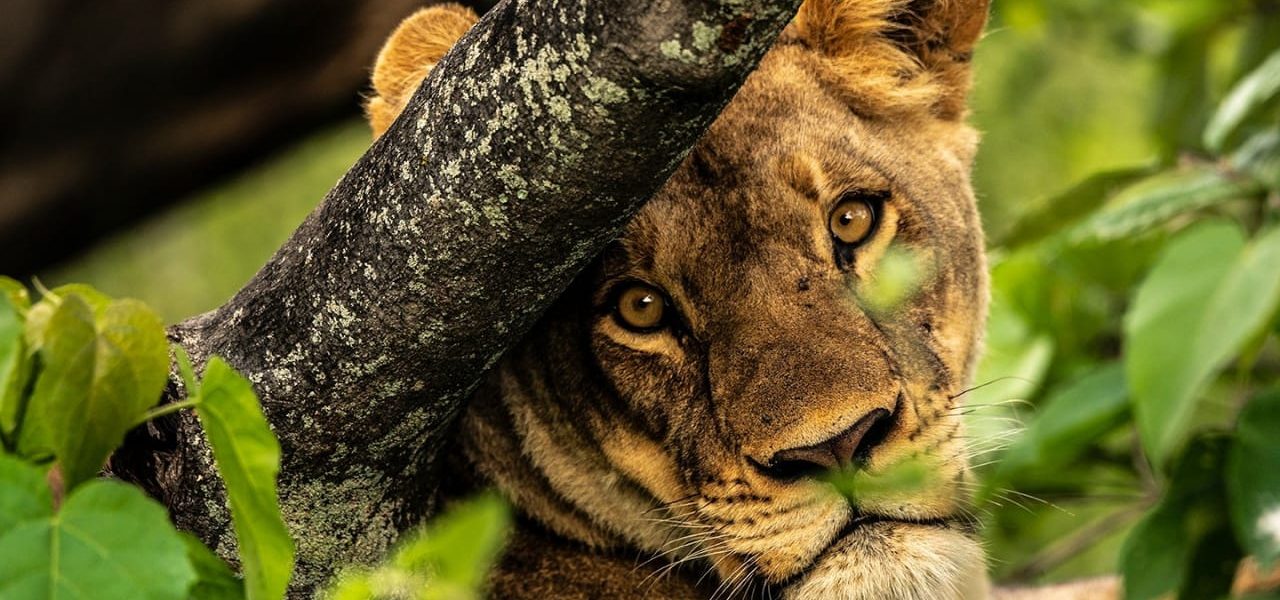
  • Queen Elizabeth National Park is renowned for its tree-climbing lions found in the park’s Ishasha Sector. Unlike most lion populations that live primarily on the ground, these lions have adapted to climbing trees, especially the fig trees, in search of shade and to avoid the heat of the ground. This behavior is still a mystery, but it’s believed to offer protection from insects and gives them a vantage point to spot prey or predators.

You may also like 4 Days Uganda Safari


2. A Rich Diversity of Ecosystems

  • The park is unique because it features four distinct ecosystems: the savannah, wetlands, forest, and lake areas. This variety of habitats supports a diverse range of flora and fauna, including elephants, buffaloes, lions, leopards, hippos, crocodiles, and over 600 bird species, making it a prime destination for wildlife safaris and birdwatching.

3. Unique Kazinga Channel

  • The Kazinga Channel, a natural waterway that connects Lake Edward and Lake George, runs through the park and offers one of the best boat safaris in Uganda. The channel is teeming with wildlife, especially hippos and crocodiles, and provides great opportunities to spot elephants, buffaloes, and a wide variety of bird species. The boat rides allow visitors to get up close to animals, making it a highlight of any safari in the park.

4. The Park’s Name Honors Queen Elizabeth II

  • The park was named Queen Elizabeth National Park in 1952 in honor of Queen Elizabeth II, following her visit to Uganda. It’s one of Uganda’s oldest and most beloved national parks, and its name signifies both the grandeur of the wildlife it protects and the historical ties between Uganda and the British monarchy.

5. Volcanoes and Crater Lakes

  • The park is part of the Western Rift Valley, and visitors can explore volcanic craters that dot the landscape. Some of these craters have formed into beautiful crater lakes, like Lake Katwe, known for its salt mining activities. This volcanic terrain adds a unique scenic element to the park, alongside its wildlife attractions.

6. A Prime Birdwatching Destination

  • Queen Elizabeth National Park is a birdwatcher’s paradise. With over 600 species of birds, the park is one of the top birding destinations in Uganda. Visitors can spot species like the marabou stork, African fish eagle, white-headed lapwing, and papyrus gonolek. The park’s diverse ecosystems, including wetlands, forests, and savannahs, provide ideal habitats for both migratory and resident bird species.

7. The Mysterious Kyambura Gorge

  • The Kyambura Gorge, sometimes referred to as the “Valley of Apes”, is a fascinating part of the park. This lush, forested gorge is home to a population of chimpanzees, offering a unique opportunity for chimp trekking in Uganda. It’s a dramatic contrast to the surrounding savannah, with dense tropical forest providing a rich habitat for a variety of wildlife.

8. Home to the “Big Five” (Well, Almost!)

  • Queen Elizabeth National Park is home to four of the Big Five: lions, elephants, buffalo, and leopards. Unfortunately, rhinos are not present, but the park still offers excellent opportunities for spotting the other four. The park is also home to a number of other large animals, such as hippos, crocodiles, and antelope species like the kobs and waterbuck.

9. Salt Mining in Lake Katwe

  • Lake Katwe, located within the park, is known for its traditional salt mining methods that have been practiced for centuries. The lake is naturally saline, and local communities harvest salt from the lake using age-old techniques. Visitors to the park can witness the fascinating process of salt extraction and learn about its historical and cultural significance to the area.

10. A UNESCO Biosphere Reserve

  • Queen Elizabeth National Park was designated a UNESCO Biosphere Reserve in 1979. This designation recognizes the park’s importance not only for its biodiversity but also for the sustainable management of its natural resources. The park plays a vital role in both the conservation of wildlife and the support of local communities, balancing nature conservation with human livelihoods.

11. Stunning Scenic Views and Photography

  • The park offers some of the most stunning panoramic views, especially from the Mweya Peninsula, where you can see expansive savannahs dotted with wildlife, the shimmering waters of the Kazinga Channel, and the Rwenzori Mountains in the distance. Photographers often flock to the park to capture its scenic beauty and dynamic wildlife.

12. A History of Conservation Efforts

  • Queen Elizabeth National Park has a rich history of conservation efforts, including the Uganda Wildlife Authority’s work to manage the park’s flora and fauna. The park has been involved in numerous conservation programs to protect its endangered species, including the reintroduction of lions to the park and anti-poaching initiatives to safeguard wildlife.

13. A Thriving Human-Wildlife Relationship

  • Queen Elizabeth National Park is home to several human-wildlife co-existence programs. Local communities living near the park participate in conservation efforts, such as sustainable farming and ecotourism initiatives. The park has supported the creation of community conservation areas, where local people are empowered to protect wildlife and benefit from eco-friendly tourism activities.

14. The ‘Hyena Show’

  • Queen Elizabeth is one of the best places in Uganda to observe the spotted hyena, which are often overlooked in favor of more glamorous predators. The park’s hyenas are frequently spotted on game drives, and they often put on an entertaining show—especially at night—when they are seen scavenging or hunting in packs.

15. The Rich Cultural Heritage

  • The area surrounding Queen Elizabeth National Park is also rich in cultural heritage. It is home to various ethnic groups, including the Banyankole and Bakiga people. Visitors can learn about the local cultures, including traditional dances, crafts, and agricultural practices, further enriching the safari experience.

Queen Elizabeth National Park is a treasure trove of wildlife, stunning landscapes, and rich culture. Whether you’re seeking to witness the tree-climbing lions, explore volcanic craters, or simply enjoy the spectacular biodiversity, Queen Elizabeth is a must-see destination that promises both adventure and discovery.

Batwa people

12 Intriguing Facts about the Batwa People of Uganda

The Batwa people, also known as the “Pygmies,” are an indigenous group in Uganda, particularly associated with the Bwindi Impenetrable Forest and the Mgahinga Gorilla National Park. Here are some intriguing facts about the Batwa:

1. Ancient Heritage

The Batwa are believed to be one of the original inhabitants of the forest, living there for thousands of years as hunter-gatherers. Their deep connection to the land and forest is integral to their identity and culture.

2. Forest Dwellers

Traditionally, the Batwa lived in harmony with nature, relying on the forest for food, shelter, and medicine. They practiced sustainable hunting and gathering, showcasing a profound understanding of their environment.

3. Cultural Richness

The Batwa have a rich oral tradition, with stories, songs, and dances that celebrate their history and connection to the forest. Their rituals and cultural practices are unique, often focusing on their relationship with nature and the spirits of the forest.

4. Displacement

With the establishment of national parks in the late 20th century, many Batwa were displaced from their ancestral lands. This transition significantly impacted their traditional way of life, pushing them into poverty and limiting their access to resources.

5. Community Initiatives

Despite the challenges, the Batwa have been actively working to preserve their culture and improve their livelihoods. Various organizations and NGOs support initiatives that promote education, healthcare, and sustainable development within Batwa communities.

6. Traditional Crafts

The Batwa are skilled artisans, known for their traditional crafts such as basket weaving and pottery. These crafts not only reflect their cultural heritage but also provide income-generating opportunities in contemporary markets.

7. Connection to Wildlife

The Batwa have extensive knowledge of the flora and fauna of the Bwindi forest. This knowledge is crucial for conservation efforts, as they can provide valuable insights into the behavior and ecology of wildlife, including endangered species like gorillas.

8. Unique Language

The Batwa speak a language known as Rutwa, which is distinct from the languages spoken by neighboring ethnic groups. This linguistic uniqueness is an essential part of their cultural identity.

9. Health Challenges

The transition from their traditional lifestyle has led to various health issues among the Batwa, including malnutrition and lack of access to healthcare. Many organizations are working to improve health services and education within their communities.

10. Cultural Resilience

Despite facing significant challenges, the Batwa people are resilient. They actively engage in cultural preservation efforts, including promoting their language, customs, and traditions to younger generations.

11. Tourism and Cultural Exchange

Cultural tourism has become an avenue for the Batwa to share their heritage with visitors. Programs that allow tourists to experience Batwa culture contribute to community development while promoting cultural exchange and understanding.

12. Spiritual Beliefs

The Batwa hold a deep spiritual connection to the forest, viewing it as sacred. They believe in spirits that inhabit the land, and their traditional beliefs play a significant role in their daily lives and practices.

These facts highlight the rich cultural heritage, resilience, and ongoing challenges faced by the Batwa people in Uganda, emphasizing the importance of their preservation and recognition in contemporary society.


Traveling on a Low Budget

Top 15 Tips for Traveling on a Low Budget with Family

Exploring the world doesn’t have to drain your savings. With a bit of planning and creativity, you can experience incredible destinations, meet new people, and embrace adventures while keeping expenses low. Here are some valuable tips for traveling and enjoying life on a budget.


1. Choose Affordable Destinations

One of the first steps in budget travel is picking a destination where your money stretches further. Countries in Southeast Asia, Central and South America, and Eastern Europe offer great value for budget-conscious travelers. Places like Thailand, Vietnam, Peru, and Romania have affordable accommodations, food, and transportation. Research regions where costs for accommodation, food, and activities are generally lower, allowing you to enjoy more without overspending.


2. Travel During Off-Peak Seasons

  1. Traveling during the off-peak or shoulder seasons can significantly reduce costs. During these times, flights, accommodations, and popular tourist attractions are less expensive due to lower demand. Off-peak travel also means fewer crowds, so you’ll have a more authentic experience. If you’re flexible with your travel dates, aim to visit just before or after the busiest times, like spring or autumn for many popular destinations, to get the best deals.

3. Use Budget Airlines and Compare Flights

Budget airlines have opened up the world for affordable travel. Use comparison sites like Skyscanner, Kayak, or Google Flights to find the lowest fares. Look out for flash sales, student discounts, and airline promotions that can slash prices significantly. Be mindful of additional fees that low-cost carriers charge for extras like checked luggage, seat selection, and food onboard. Travel light to avoid baggage fees, and keep an eye on airline newsletters for special deals.


4. Pack Smartly to Avoid Extra Costs

Packing light not only saves you from baggage fees but also makes traveling easier and faster. Stick to versatile clothing that you can layer and wear multiple ways. Invest in a durable, compact backpack that fits carry-on requirements for most airlines. Essentials like a reusable water bottle, power bank, and portable laundry detergent can help you avoid unnecessary purchases on the road. By packing efficiently, you’ll reduce expenses and focus more on the experience rather than managing your belongings.


5. Stay in Budget-Friendly Accommodations

When it comes to budget accommodations, think beyond traditional hotels. Hostels, guesthouses, and homestays are often significantly cheaper, and many offer shared facilities like kitchens where you can cook your meals. Hostels provide opportunities to meet fellow travelers, and some even organize free activities. Websites like Couchsurfing allow you to stay with locals for free, offering a chance to learn about the local culture. Airbnb and Booking.com also list budget options, especially if you book early.


6. Eat Like a Local

Eating out can quickly add up, especially in tourist-heavy areas. Avoid expensive restaurants and tourist traps; instead, try street food or small local eateries that offer authentic meals at lower prices. Visit local markets for fresh, affordable ingredients if you have access to a kitchen. Sampling local food not only saves money but also adds to the cultural experience. In many countries, street food is safe, delicious, and a true taste of the region’s culinary heritage.


7. Use Public Transportation

Taxis and ride-sharing services can be costly in many places. Instead, use public transportation like buses, trains, and metros, which are much cheaper. Many cities offer daily or weekly transit passes that reduce costs further if you plan to explore extensively. For longer distances, check out overnight buses or trains; they are cost-effective and save you a night’s accommodation. Walking and cycling are also great ways to explore a city at a leisurely pace while sticking to your budget.


8. Book Activities and Tours in Advance or Locally

Many popular attractions offer early bird discounts for tickets purchased online in advance. Research tours and activities you’d like to do, as booking online can help you find deals and avoid peak pricing. Alternatively, some activities are cheaper when booked directly at your destination rather than through international websites. Tourist offices and hostels often have local deals on tours, and you can sometimes negotiate prices for group tours, especially in regions where bargaining is common.


9. Leverage Free Activities and Attractions

Exploring the outdoors is a fantastic way to save money, as nature doesn’t come with an entry fee! Hiking, beach days, and visiting public parks and scenic landmarks are low-cost or free. Many cities also have free walking tours led by local guides, which provide an in-depth look at the area’s history and culture. Museums, art galleries, and attractions often have free admission days or discounted entry fees at certain times, so plan accordingly.


10. Utilize Technology to Find Deals and Save Money

Technology can be a game-changer for budget travelers. Use travel apps like Hopper and Momondo to track flight prices and find the best time to book. Apps like Rome2rio and Citymapper help you navigate public transportation efficiently. Google Maps allows you to download maps for offline use, reducing data charges. For last-minute accommodation, try apps like HotelTonight for discounts on unsold rooms. With a smartphone full of useful apps, you can make spontaneous plans and stay within budget.


11. Consider Volunteering or Work Exchanges

If you’re open to longer stays, volunteering or participating in work exchanges is a great way to travel affordably. Websites like Workaway, HelpX, and WWOOF connect travelers with hosts who offer free room and board in exchange for a few hours of daily work. Tasks can range from farming to helping in hostels or teaching English. Not only do you save money, but you’ll also gain valuable experiences, build friendships, and connect more deeply with the local community.


12. Travel with a Friend or Join a Group

Traveling with a companion can reduce costs significantly, as you can share expenses like accommodation, transportation, and meals. Many hostels offer discounts for groups, and some activities become cheaper when booked in pairs. If you’re traveling alone, consider joining a tour group or teaming up with other travelers you meet. Group travel can give you access to bulk discounts and special rates, and it’s also a fantastic way to make friends.


13. Plan Your Budget and Track Expenses

It’s easy to overspend when you’re not keeping track of expenses. Set a daily budget before your trip and make a habit of tracking what you spend. Use budget-tracking apps like Trail Wallet or simply keep notes on your phone. Break down your budget into categories such as food, accommodation, and transportation, so you can see where adjustments might be needed. A disciplined approach to budgeting helps you make the most of your money without missing out on essential experiences.


14. Embrace Minimalism and Stick to Priorities

Traveling on a budget often requires prioritizing what matters most. Minimalism not only helps you save money but also allows you to focus on meaningful experiences rather than material possessions. Spend on things that bring you joy and enrich your trip, whether it’s a local meal, a guided cultural experience, or an entry fee to a historic site. Avoid the temptation to shop for souvenirs or splurge on non-essentials; your memories and stories are the best souvenirs you can bring home.


15. Keep an Open Mind and Stay Flexible

Flexibility is one of the greatest assets for budget travelers. Being open to changing your plans and exploring unexpected opportunities can often lead to the best experiences. Embrace local advice and recommendations, as locals often know the best spots to eat, shop, or sightsee on a budget. Traveling off the beaten path can open doors to affordable adventures and give you a unique perspective on your destination. Adapting your plans to seize opportunities as they come is part of the thrill of budget travel.


Conclusion

Traveling and enjoying life on a low budget is all about planning wisely, making smart choices, and focusing on experiences rather than material comforts. By selecting affordable destinations, using public transport, and leveraging technology, you can embark on exciting adventures without breaking the bank. Whether you’re staying in a cozy hostel, enjoying street food, or exploring free attractions, there are countless ways to experience the world on a budget. With an open mind, flexibility, and a sense of adventure, you’ll create incredible memories that money can’t buy, proving that travel isn’t just for those with deep pockets – it’s for everyone.

Nature Walks in Lake Mburo N.P

15 Intriguing Facts about Nature Walks in Lake Mburo National Park

Nature walks in Lake Mburo National Park offer a unique and immersive way to experience Uganda’s wildlife and landscapes up close. Unlike other parks where visitors are mostly confined to vehicles, Lake Mburo allows guided walking safaris, giving guests the chance to step directly into nature. Here are some fascinating facts about nature walks in Lake Mburo National Park:

1. One of Uganda’s Few Parks Allowing Walking Safaris

Lake Mburo National Park is one of the few parks in Uganda where visitors can enjoy guided nature walks. This distinctive experience allows travelers to explore the park’s beauty on foot, providing an intimate encounter with the environment that isn’t possible from a vehicle.

2. Walks are Led by Knowledgeable Rangers

Every nature walk is led by a knowledgeable Uganda Wildlife Authority (UWA) ranger. These rangers are trained to keep participants safe, interpret animal behaviors, and share insights into the flora and fauna, ensuring an enriching experience.

You may also like 2 Days Uganda Safari

3. Closer Interaction with Wildlife

  • Walking on foot allows you to get closer to animals like zebras, impalas, and waterbucks, observing them quietly without the sound of engines disturbing them. This interaction gives a more natural and less intrusive feel, as animals may respond differently to humans on foot than to vehicles.

4. Opportunities to Spot Rare Bird Species

With over 300 bird species, Lake Mburo is a haven for birdwatchers. Nature walks offer birders a prime opportunity to spot species such as the African finfoot, brown-chested lapwing, and the colorful Narina trogon. The park’s quiet nature trails make it easier to hear and spot birds in their natural habitats.

5. Learn About Medicinal and Indigenous Plants

Rangers often point out indigenous plants used by local communities for medicinal purposes. From bark used to treat wounds to roots with antibacterial properties, these insights into traditional plant uses add a fascinating cultural layer to the nature walk.

6. Explore Unique Ecosystems

Lake Mburo’s landscapes vary from open savannahs to dense woodlands, acacia forests, and wetlands. Walking through these diverse ecosystems allows you to experience different habitats and witness the unique species that each supports, from towering acacia trees to lush grasses and seasonal water bodies.

7. Opportunity to See Leopards’ Habitats

Although rare to spot, Lake Mburo’s nature walks pass through areas where leopards reside. Rangers can point out leopard tracks or signs of their activity, such as claw marks on tree bark or remains of prey. This heightens the thrill of being in big cat territory.

8. Dawn and Dusk Walks for Best Wildlife Viewing

Nature walks are often scheduled early in the morning or late in the afternoon when temperatures are cooler and animals are more active. These times are ideal for spotting animals like bushbucks, duikers, and other wildlife emerging to graze or drink from waterholes.

9. Walking Trails Along Lake Mburo’s Shores

Some nature walks take you along the shores of Lake Mburo, where you can observe hippos and crocodiles lounging by the water. The lake’s edge also attracts a variety of birdlife, making this route a favorite among birdwatchers and photographers.

10. Chance to See Small Creatures Often Missed in Vehicle Safaris

On foot, visitors are more likely to spot smaller creatures that might be missed on a game drive. These include insects, butterflies, lizards, and unique plants. The slower pace allows for careful observation of these often-overlooked parts of the ecosystem.

11. A Great Way to Learn Tracking Skills

Rangers often teach visitors basic tracking techniques, showing how to identify different animal tracks, droppings, and feeding signs. This tracking knowledge adds an interactive and educational aspect, making the walk more engaging.

12. Fascinating Insights into Animal Behavior

During nature walks, rangers can help explain animal behaviors observed on the spot, such as the herding behavior of zebras or impalas, territorial displays, and feeding patterns. Observing these behaviors up close gives insight into how animals interact within their environment.

13. Safe Routes Planned for Each Walk

The UWA ensures safety by choosing specific routes where dangerous encounters with predators are less likely. Rangers carry firearms as a precaution, but they’re also skilled in reading animal behavior and know how to keep participants at a safe distance from wildlife.

14. Great Exercise and Fresh Air

Nature walks provide a refreshing break from vehicle-bound safaris, allowing you to stretch, move, and breathe fresh air as you explore. The moderate pace and varying terrain give you gentle exercise while you take in the park’s beauty.

15. Perfect for Photography

The unobstructed views from footpaths and close encounters with nature make these walks ideal for photographers. You can capture images from a lower perspective than a vehicle offers, which is perfect for photographing both wildlife and landscapes in unique, close-up compositions.

Tips for Enjoying Nature Walks in Lake Mburo National Park:

  • Dress Comfortably: Wear lightweight, neutral-colored clothing to blend with the environment, and wear comfortable walking shoes.
  • Carry Essentials: Bring a camera, binoculars, water, and insect repellent.
  • Listen to the Ranger: Follow the ranger’s instructions closely for safety and to enhance your experience.
  • Be Quiet and Move Slowly: This will increase your chances of seeing wildlife up close without startling them.

Nature walks in Lake Mburo National Park offer an immersive, tranquil way to experience Uganda’s wildlife, making them a highlight for those seeking a deeper connection with nature.

Destinations in Uganda

Top 5 Must-Visit Destinations in Uganda

From breathtaking landscapes to unique wildlife experiences, Uganda has something to offer every traveler. Here are the top five must-visit destinations that should be on your itinerary when exploring this remarkable country.

1. Bwindi Impenetrable National Park

Overview

Bwindi Impenetrable National Park is renowned for its stunning biodiversity and is home to nearly half of the world’s remaining mountain gorillas. This UNESCO World Heritage site spans over 321 square kilometers and is characterized by lush rainforests, steep hills, and numerous trails.

Activities

The highlight of visiting Bwindi is, of course, gorilla trekking. Guided treks lead you through the dense forest, where you can observe these magnificent creatures in their natural habitat. The experience is both thrilling and humbling, as you watch the gorillas interact and forage.

Aside from gorilla trekking, visitors can also explore the park’s extensive network of trails for birdwatching and hiking. The park is home to over 350 bird species, including the rare African green broadbill. For those interested in culture, local communities offer cultural experiences that provide insights into their way of life, traditions, and crafts.

Best Time to Visit: June to September and January to February are the best months for trekking due to drier conditions.

Permits: Gorilla trekking permits are required and should be booked well in advance, as they are limited.

2. Queen Elizabeth National Park

Queen Elizabeth National Park is Uganda’s most popular and diverse national park, covering approximately 1,978 square kilometers. It features a variety of ecosystems, including savannahs, forests, and wetlands, which support a wide array of wildlife.

Activities

The park is home to over 95 mammal species, including elephants, buffalo, lions, and hippos. Game drives along the Kasenyi and Mweya Peninsulas provide excellent opportunities for wildlife viewing. One of the unique features of Queen Elizabeth is the opportunity to see tree-climbing lions in the Ishasha sector, where these majestic cats can often be spotted lounging in fig trees.

A boat safari on the Kazinga Channel is another must-do activity. This cruise offers a close-up view of wildlife along the water’s edge, including crocodiles, hippos, and a variety of birds. For the more adventurous, the park also offers hiking trails and nature walks.

Best Time to Visit: Game viewing is best during the dry seasons (June to September and January to February).

Accommodation: There are various lodging options within and around the park, from budget campsites to luxury lodges.

3. Murchison Falls National Park

Murchison Falls National Park is the largest national park in Uganda, covering about 3,893 square kilometers. It is famous for its dramatic waterfalls, where the Nile River squeezes through a narrow gorge, creating a spectacular cascade.

Activities

Murchison Falls is a paradise for wildlife enthusiasts and adventure seekers. Visitors can embark on game drives to see elephants, lions, giraffes, and numerous antelope species. The park also boasts a rich birdlife, with over 450 species recorded, including the rare shoebill stork.

A boat cruise on the Nile to the base of Murchison Falls is a highlight of any visit. The view of the falls is breathtaking, and the boat ride provides opportunities to see wildlife along the riverbanks. For those looking for more adventure, hiking trails lead to the top of the falls, offering panoramic views of the surrounding landscape.

Practical Tips

Best Time to Visit: The dry seasons are ideal for wildlife viewing and boat cruises.

Guided Tours: Consider hiring a knowledgeable guide to enhance your experience and help spot wildlife.

4. Jinja – The Adventure Capital

Jinja, located on the shores of Lake Victoria and at the source of the Nile River, is known as Uganda’s adventure capital. This vibrant town offers a mix of adrenaline-pumping activities and cultural experiences.

Activities

For thrill-seekers, white-water rafting on the Nile is a must-try. The rapids range from Class II to Class V, catering to both beginners and experienced rafters. Other adventure activities include bungee jumping, kayaking, and quad biking.

In addition to adventure sports, Jinja also offers opportunities to explore local culture. Visit the Jinja Market to experience the hustle and bustle of local life, or take a guided tour of the nearby communities to learn about traditional crafts and practices.

Practical Tips

Best Time to Visit: The dry season is ideal for water sports, but the Nile is navigable year-round.

Accommodations: Jinja offers a range of accommodations, from budget hostels to upscale lodges.

5. Kampala – The Heart of Uganda

Kampala, the capital city, is a vibrant hub of culture, history, and commerce. It is a city where modernity meets tradition, making it an essential stop on any Ugandan itinerary.

Activities

Visitors can explore various cultural sites, such as the Uganda Museum, which showcases the country’s heritage and history. The Kasubi Tombs, a UNESCO World Heritage site, are the burial grounds of the Buganda kings and offer insights into the rich traditions of the Buganda Kingdom.

Kampala’s bustling markets, like Owino Market, are perfect for those looking to shop for local crafts, fresh produce, and unique souvenirs. The city also has a vibrant nightlife scene, with numerous bars, restaurants, and live music venues to enjoy.

Practical Tips

Best Time to Visit: Kampala can be visited year-round, but the best weather is during the dry seasons.

Transportation: The city is well-connected with various transport options, including taxis and boda-bodas (motorcycle taxis).

Uganda offers a wealth of unforgettable experiences, from the breathtaking gorillas of Bwindi to the adventure-filled streets of Jinja. Each destination showcases the country’s natural beauty, diverse wildlife, and rich culture. Whether you’re an adventure seeker, wildlife enthusiast, or cultural explorer, Uganda’s top destinations will leave you with lasting memories. As you plan your journey, make sure to include these must-visit spots in your itinerary to fully appreciate the wonders of the Pearl of Africa.