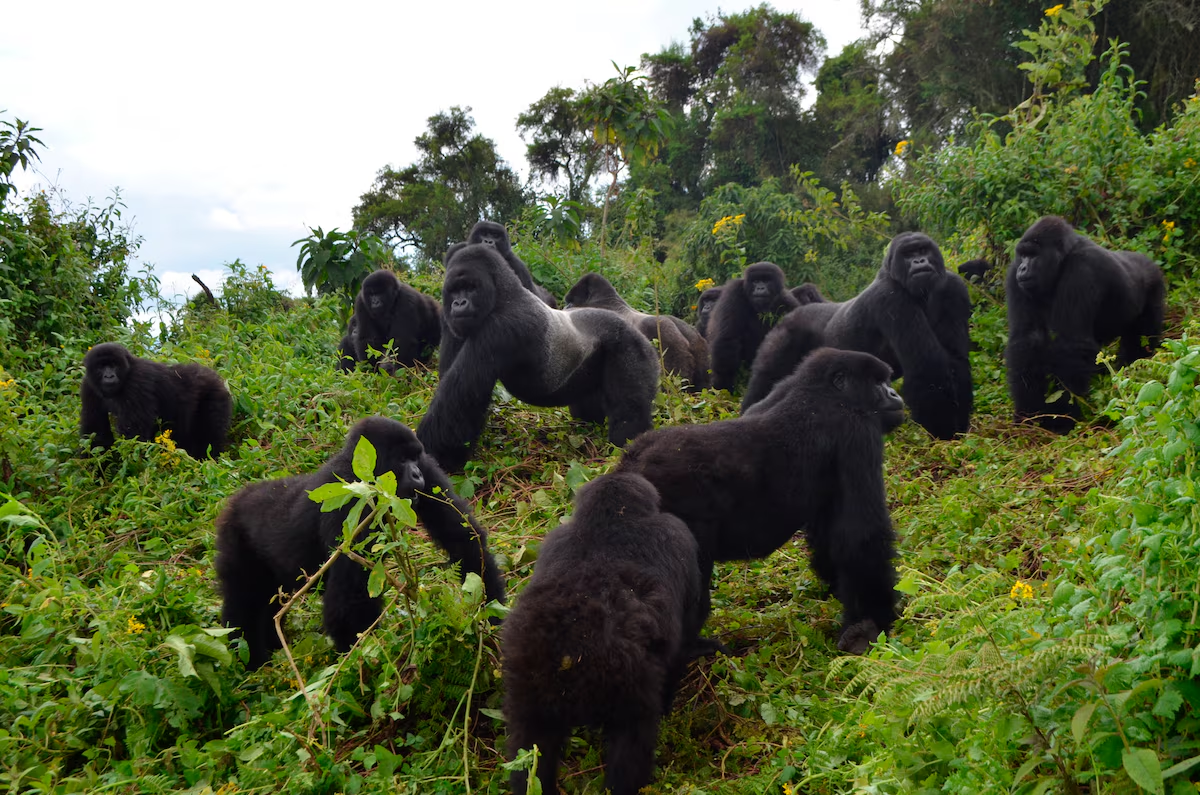
5 days bwindi gorillas and Queen Elizabeth safari

5 Days Bwindi Gorillas and Queen Elizabeth Safari Holiday

Explore the wonders of Uganda with a breathtaking safari that combines gorilla trekking in Bwindi Impenetrable National Park and game drives in Queen Elizabeth National Park. This experience offers a perfect blend of primate encounters, big game viewing, and stunning landscapes.

Activity Overview of 5 Days Bwindi Gorillas and Queen Elizabeth safari 

This safari takes you on an unforgettable journey into two of Uganda’s most iconic parks.

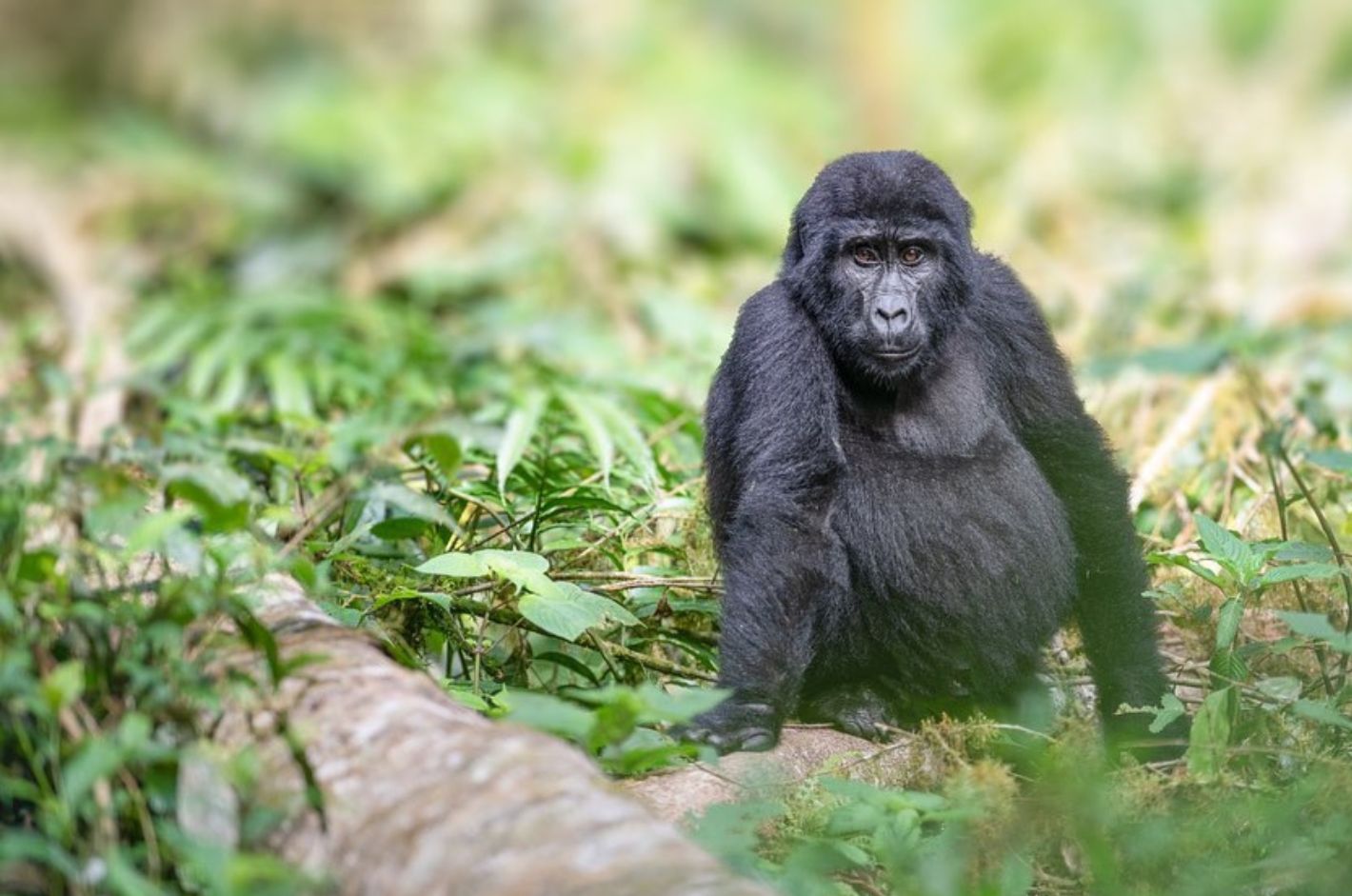
Bwindi Impenetrable National Park: Home to half of the world’s mountain gorillas, Bwindi is a UNESCO World Heritage Site renowned for its dense forest and unique biodiversity.

Queen Elizabeth National Park: Known for its tree-climbing lions, diverse wildlife, and the Kazinga Channel, this park is a gem for game drives and boat cruises.

You may also like 2 Days Uganda Gorilla safari

Tour Highlights

Gorilla trekking in Bwindi’s lush forests.

Game drives in the savannah plains of Queen Elizabeth National Park.

A boat cruise on the Kazinga Channel to see hippos, crocodiles, and birds.

Stunning views of the Rift Valley and crater lakes.

Experiencing local culture through community visits.

Trip Summary

Duration: 5 Days / 4 Nights

Destinations: Bwindi Impenetrable National Park and Queen Elizabeth National Park

Starting/Ending Point: Entebbe or Kampala

Detailed Itinerary of 5 Days Bwindi Gorillas and Queen Elizabeth safari Holiday

Day 1: Transfer from Kampala/Entebbe to Bwindi

On Day 1 of your safari, you will be picked up from Kampala early in the morning and begin your scenic drive to Bwindi Impenetrable National Park, located approximately 8-10 hours away (roughly 500 kilometers).

You’ll travel through beautiful landscapes, passing by the lush countryside, small villages, and rolling hills. The journey offers a chance to witness rural Ugandan life and enjoy the natural beauty of the region. Upon arrival in Bwindi, you’ll check into your accommodation, relax, and prepare for the exciting gorilla trekking experience the following day. Meals and overnight stay are provided.

Accommodation:

Luxury: Sanctuary Gorilla Forest Camp

Mid-range: Buhoma Haven Lodge

Budget: Ride 4 a Woman Guesthouse

Meals: Lunch en route, dinner at the lodge.

Day 2: Gorilla Trekking in Bwindi

On Day 2, the adventure begins with an early morning breakfast before heading to the Bwindi Impenetrable National Park for your highly anticipated gorilla trekking experience. After a briefing by the park rangers about the rules and safety precautions, you’ll embark on a guided trek through the dense jungle to find the mountain gorillas. The trek can last anywhere from 1 to 6 hours depending on where the gorillas are located, and the terrain is often steep and challenging.

Once you encounter the gorillas, you’ll have a magical hour to observe these incredible creatures in their natural habitat. After the trek, you’ll return to the lodge for lunch and a short rest. In the afternoon, you may have the option to visit the Batwa people, an indigenous community that once lived in the forest, to learn about their culture and way of life.

Difficulty Level: Moderate to challenging (depending on the terrain).

Accommodation: Same as Day 1.

Meals: Breakfast, packed lunch during trekking, and dinner at the lodge.

Day 3: Transfer to Queen Elizabeth National Park

On Day 3, after an early breakfast at your lodge, you will begin your scenic transfer from Bwindi Impenetrable National Park to Queen Elizabeth National Park. The journey takes approximately 4 to 5 hours, covering a distance of around 200 kilometers. Along the way, you’ll pass through picturesque landscapes, including vast savannahs, rolling hills, and the beautiful Ishasha sector of the park, which is famous for its tree-climbing lions.

Upon arrival at Queen Elizabeth National Park, you’ll check into your lodge and enjoy a leisurely lunch. In the afternoon, you can relax or choose to embark on an optional evening game drive in the park through the Ishasha Sector, famous for tree-climbing lions to spot various wildlife such as elephants, buffaloes, lions, and numerous bird species.

This day provides a smooth transition from the serene mountain environment of Bwindi to the vast savannah of Queen Elizabeth, ensuring a perfect blend of experiences. Meals are provided, and you’ll stay overnight at your lodge.

Accommodation:

Luxury: Mweya Safari Lodge

Mid-range: Elephant Plains Lodge

Budget: Pumba Safari Cottages

Meals: Breakfast at Bwindi, packed lunch, and dinner at the lodge.

Day 4: Game Drive and Kazinga Channel Boat Cruise

On Day 4, start your day with an early morning game drive in the Ishasha Sector of Queen Elizabeth National Park. This area is renowned for its rare and fascinating tree-climbing lions, often spotted lounging in fig trees. You may also encounter herds of elephants, buffaloes, Uganda kobs, and a variety of other wildlife roaming the savannah. The fresh morning air and the park’s stunning landscape make the experience truly unforgettable.

In the afternoon, enjoy a boat cruise on the Kazinga Channel, a natural waterway connecting Lake Edward and Lake George. This boat safari offers a unique opportunity to see wildlife from a different perspective, including hippos, crocodiles, and water birds such as pelicans and kingfishers. The channel’s shores are often teeming with elephants, buffaloes, and antelopes coming to drink water.

After the boat ride, you’ll return to your lodge for dinner and relaxation, reflecting on an eventful day immersed in Uganda’s wildlife wonders.

Accommodation: Same as Day 3.

Meals: Breakfast, lunch, and dinner at the lodge.

Day 5: Transfer Back to Kampala/Entebbe

On Day 5, enjoy an early breakfast before departing from Queen Elizabeth National Park for the journey back to Kampala. The drive covers approximately 400 kilometers and takes 6-7 hours. Along the way, you’ll have the chance to explore cultural and historical landmarks.

One optional stop is the Igongo Cultural Center near Mbarara, where you can delve into the rich heritage of southwestern Uganda through exhibits, traditional artifacts, and local stories. Another must-visit spot is the Equator Line at Kayabwe, where you can take memorable photos, shop for souvenirs, and learn about the unique geographical significance of this landmark.

Upon arrival in Kampala, you’ll be dropped off at your hotel or preferred location, marking the end of your incredible safari. This day blends travel with cultural exploration, offering a relaxing conclusion to your unforgettable adventure in Uganda. Meals are included during the journey.

Meals: Breakfast at the lodge and lunch en route.

Tour Inclusions and Exclusions

Inclusions:

  • Gorilla trekking permit ($700 per person).
  • Park entry fees for Bwindi and Queen Elizabeth.
  • Accommodation as per itinerary.
  • Meals (full board).
  • Transportation in a 4×4 safari vehicle.
  • Services of an experienced guide.
  • Bottled drinking water.

Exclusions:

  • International flights.
  • Visa fees.
  • Alcoholic beverages and additional drinks.
  • Personal expenses (e.g., tips, souvenirs, and laundry).
  • Travel insurance.

Uganda Packing List to Consider

Clothing:

  • Long-sleeved shirts and trousers for trekking.
  • Waterproof jacket or poncho.
  • Comfortable hiking boots.
  • Lightweight, breathable clothing for game drives.

Gear:

  • Daypack for trekking.
  • Binoculars for wildlife viewing.
  • Camera with extra batteries.

Essentials:

  • Insect repellent (preferably with DEET).
  • Sunscreen and a wide-brimmed hat.
  • Reusable water bottle.
  • First aid kit.

Documents:

  • Passport, visa, and permits.
  • Travel insurance details.

Best Time to Visit

The best time for this safari is during the dry seasons:

June to September: Ideal for gorilla trekking and wildlife viewing.

December to February: Offers excellent conditions for both activities.

The rainy seasons (March to May and October to November) can make trekking more challenging due to slippery trails but offer lush scenery and fewer crowds.

Additional Information

Distance and Travel Time: The long drives between destinations are scenic, with opportunities to view Uganda’s countryside and interact with locals.

Accommodations: Ranging from luxury lodges to budget options, all accommodations offer comfortable stays and meals tailored to dietary preferences.

This safari promises a once-in-a-lifetime adventure combining the thrill of tracking mountain gorillas with the excitement of game viewing in Uganda’s diverse wildlife.

3 Days Murchison Falls Safari

3 Days Murchison Falls Safari: Game drives, Chimps, Boat Cruise & Hiking to top of the Falls

Located in northwestern Uganda, Murchison Falls National Park is the country’s largest and oldest conservation area. With its diverse wildlife, stunning landscapes, and the iconic Murchison Falls, this park is a must-visit destination for nature and adventure enthusiasts.

A 3 Days Murchison Falls safari offers an ideal blend of thrilling game drives, a relaxing boat cruise on the Nile, and an awe-inspiring trek to the top of the falls. Here’s a detailed itinerary, essential tips, and everything you need to know to plan this unforgettable trip.

Activity Overview

A 3 day Murchison Falls National Park safari offers a thrilling blend of wildlife, nature, and adventure. Activities include a visit to the breathtaking top of Murchison Falls, where the Nile squeezes through a narrow gorge, creating a stunning cascade.

Enjoy a morning game drive on the northern bank, spotting lions, elephants, giraffes, buffaloes, and more. An afternoon boat cruise on the Nile brings you close to hippos, crocodiles, and diverse birdlife, ending near the base of the falls.

For an added adventure, track chimpanzees in the Budongo Forest Reserve before concluding your journey. This safari promises unforgettable experiences in Uganda!

Tour Highlights

  • Visit the iconic top of Murchison Falls for breathtaking views.
  • Enjoy thrilling game drives to spot lions, elephants, giraffes, and more.
  • Relax on a scenic boat cruise along the Nile.
  • Experience chimpanzee tracking in Budongo Forest

You may also like 3 Days Queen Elizabeth Safari

Trip Summary:

Day 1: Transfer to Murchison Falls National Park and Visit the Top of the Falls

Day 2: Morning Game Drive and Afternoon Boat Cruise

Day 3: Chimpanzee Tracking in Budongo Forest and Return to Kampala

Detailed Iterinary of the 4 Days Queen Elizabeth and Murchison Falls National Park Safari


Detailed Itinerary of the 3 Days Murchison Falls Safari

Day 1: Transfer to Murchison Falls National Park and Visit the Top of the Falls

  • Morning Departure from Kampala or Entebbe
    Start your journey early in the morning with a scenic drive to Murchison Falls National Park. The drive, approximately 5–6 hours, takes you through the lush countryside, passing small towns, plantations, and local markets. You can stop at Ziwa Rhino Sanctuary for rhino tracking, an exciting opportunity to see these endangered creatures in their natural habitat.
  • Arrival and Check-In
    Arrive at your lodge or camp in the park, where you’ll have lunch and relax. Accommodation options include luxury lodges like Paraa Safari Lodge, mid-range options like Pakuba Safari Lodge, and budget-friendly camps such as Red Chilli Rest Camp.
  • Afternoon Visit to the Top of the Falls
    In the afternoon, take a guided hike to the top of Murchison Falls. Witness the sheer force of the Nile as it thunders through the narrow gorge, creating a misty spray and rainbows. This is an excellent spot for photography and marveling at nature’s raw power.
  • Dinner and Overnight Stay
    Return to your lodge for a relaxing evening, dinner, and rest in preparation for the next day’s adventure.

Day 2: Morning Game Drive and Afternoon Boat Cruise

  • Early Morning Game Drive
    Start your day with an early morning game drive on the northern bank of the Nile. This is the best time to spot wildlife, as animals are most active during the cooler hours.
    Expect to see:

    • Lions stalking their prey in the savannah.
    • Elephants moving in herds across the plains.
    • Giraffes, zebras, and antelopes like Uganda kobs, hartebeests, and waterbucks.
    • Leopards hiding in trees or bushes, though sightings are rare.

    Your experienced guide will help track and identify the animals, making this an exciting and educational experience.

  • Return for Breakfast and Relaxation
    After the game drive, head back to your lodge for breakfast and some downtime before the afternoon activities.
  • Afternoon Boat Cruise on the Nile
    In the afternoon, embark on a 2–3 hour boat cruise on the Nile River, one of the highlights of the safari. This relaxing trip takes you close to wildlife along the riverbanks, including hippos, crocodiles, and various bird species like the African fish eagle and the rare shoebill stork. The cruise ends near the base of Murchison Falls, where you can feel the river’s thunderous power up close.
  • Optional Hike to the Top of the Falls
    For the adventurous, there’s an option to disembark near the falls and hike to the top. This guided hike offers more incredible views and photo opportunities.
  • Dinner and Overnight Stay
    Return to your lodge for dinner and another restful night.

Day 3: Chimpanzee Tracking in Budongo Forest and Return to Kampala

  • Morning Chimpanzee Tracking in Budongo Forest
    On your final day, explore the Budongo Forest Reserve, located within Murchison Falls National Park. Budongo is home to a large population of chimpanzees, and tracking these intelligent primates is a memorable experience. As you trek through the dense forest, you’ll also encounter other wildlife like monkeys, birds, and butterflies.
  • Lunch and Departure
    After the chimpanzee trek, enjoy lunch at a nearby restaurant or lodge before starting your journey back to Kampala or Entebbe.
  • Arrival in Kampala/Entebbe
    Arrive in the evening, concluding your 3-day adventure.

End of 3 Days Murchison Falls National Park Safari


3 Days Murchison Falls Safari

Cost of the Safari

The cost of a 3 Days Murchison Falls safari depends on several factors. These include your choice of accommodation (luxury, mid-range, or budget), the activities included (such as chimpanzee tracking or boat cruises), and the number of travelers in your group. Additional costs may arise from transport options, whether private or shared, and the type of vehicle used. Seasonal variations also impact pricing, with peak seasons being more expensive due to demand. Park entrance fees, meals, and guide services are typically included in package costs but can vary. Customizations and add-ons may also influence the final price.


Why Visit Murchison Falls National Park?

Murchison Falls National Park, established in 1952, spans over 3,840 square kilometers. It is named after the magnificent Murchison Falls, where the Nile River squeezes through a narrow 7-meter gorge before plunging 45 meters into a frothy pool below.

The park is home to over 76 mammal species, including the Big Five, and more than 450 bird species. Its varied ecosystems, including savannahs, forests, and wetlands, support this rich biodiversity, making it one of Uganda’s premier safari destinations.

Best Time to Visit Murchison Falls National Park

The park is accessible year-round, but the best time to visit is during the dry seasons (December–February and June–September). During these months, animals are easier to spot near water sources, and the roads are more navigable.


How to Book Your Safari

Booking a safari to Murchison Falls is simple. You can:

  • Contact a trusted tour operator for a package that includes all logistics.
  • Book directly with lodges for accommodation and hire a guide separately.
  • Pay online via credit cards, bank transfers, or mobile money platforms.

Travel Tips for Murchison Falls Safari

  1. What to Pack:
    • Lightweight clothes, sturdy hiking boots, sun protection, and insect repellent.
    • A good camera and binoculars for wildlife spotting.
  2. Health Precautions:
    • Ensure you have an updated yellow fever vaccination card.
    • Take malaria prevention medication as recommended by your doctor.
  3. Travel Insurance:
    • It’s advisable to have comprehensive travel insurance covering safari activities.

Conclusion

A 3-day Murchison Falls National Park safari is an adventure-packed experience that showcases the best of Uganda’s wildlife, landscapes, and natural wonders. From thrilling game drives and serene boat cruises to hiking and chimpanzee tracking, every moment offers something unique. Whether you’re a nature lover, wildlife enthusiast, or adventure seeker, this safari is sure to leave you with lasting memories of the Pearl of Africa.

Plan your trip today and let Murchison Falls National Park take your breath away!

shoebill stork sound

Shoebill Stork Sound: Nature’s Fascinating Vocalization

Among the many wonders of the animal kingdom, few creatures capture the imagination quite like the shoebill stork. Known for its distinctive appearance with a large, shoe-shaped bill, this prehistoric-looking bird roams the swamps and wetlands of East Africa, particularly in places like Uganda and South Sudan. While its physical appearance is striking, the shoebill stork sound is just as intriguing, offering an auditory glimpse into the life of one of nature’s most mysterious and powerful birds. In this blog, we’ll explore the unique sounds of the shoebill stork, how it communicates, and the role its vocalizations play in its daily life.

What Does a Shoebill Stork Sound Like?

The shoebill stork is not particularly vocal compared to other bird species, which makes its sounds all the more captivating when they are heard. This bird is mostly silent and solitary in its behavior, but it has a variety of vocalizations that it uses for communication, particularly during mating or territorial disputes. African wilderness.

The primary sound associated with the shoebill stork is a deep, bill-clattering noise. This sound, produced when the bird clacks its massive bill together, resembles the sound of two large sticks being struck together.

The sound is loud, echoing through the wetlands where the shoebill resides, and can often be heard from a considerable distance.

This clattering sound, which is the most common form of vocalization for the shoebill, is usually produced during a display of aggression or courtship.

It serves multiple purposes: to communicate with other shoebills, to assert territorial dominance, and to attract mates.

The sound is an important part of the shoebill’s social behavior, even if it’s not as frequent or varied as the calls of other bird species.

Shoebill Stork Vocalization: The Bill Clatter Ritual

The bill clattering sound is made by the shoebill rapidly opening and closing its large bill, creating a loud, clacking noise.

It may seem like a simple act, but it’s a display of power and significance in the shoebill’s world. This sound is particularly important during the mating season, as male shoebills use bill clattering to communicate their presence and impress females.

When a shoebill is engaged in this vocalization, it typically stands tall and slightly raises its head, displaying the full extent of its bill.

The clattering sound is often accompanied by other behaviors, such as bowing, rocking its body, or performing a slow, deliberate movement with its head.

These gestures help amplify the shoebill stork sound and make the vocalization more impressive to potential mates.

While the male produces the clattering sound to attract females, it is also used to warn other males to stay away.

The shoebill is highly territorial, and this deep, clattering noise serves as a natural deterrent to competitors.

It’s one of the few ways the shoebill can communicate aggression or dominance, as its body language alone is often not enough to convey its territorial claims.

Other Vocalizations of the Shoebill Stork

Though the shoebill stork sound is mostly characterized by bill clattering, it can also make other noises on rare occasions. These sounds are not as common but can be just as interesting. Some of the lesser-known vocalizations of the shoebill include:

  • Grunting or Croaking: In moments of distress or discomfort, the shoebill can emit a low, guttural grunt or croak. These noises are usually produced when the bird is startled, feels threatened, or is in danger.
  • Snapping Sounds: In addition to clattering, shoebills may also produce snapping or popping sounds, often when startled or in a defensive posture. These sounds are less frequent but can be heard during tense interactions with other animals or birds.

Despite these occasional sounds, the shoebill stork sound is largely dominated by the famous bill clattering. This unique vocalization has made the shoebill a subject of fascination for birdwatchers, researchers, and nature lovers alike.

Why Is the Shoebill Stork Sound Important?

The sounds of the shoebill stork serve essential roles in its survival and reproduction. The primary purpose of the bill clattering sound is to communicate with other shoebills and to assert its dominance over a territory.

For the male, clattering his bill is an invitation to potential mates, signaling both his health and his ability to defend his territory.

In the dense wetlands where shoebills are found, visibility is often low due to the dense vegetation and marshy environment.

Thus, vocalization plays a crucial role in helping shoebills locate each other. The shoebill stork sound enables the bird to assert its presence even when it’s hidden in thick reeds or behind dense shrubbery.

Additionally, the bill-clattering noise plays a part in shoebill courtship. As part of their elaborate mating rituals, both male and female shoebills engage in coordinated movements and vocalizations to solidify their bond.

The male will perform the clattering sound to demonstrate his fitness and strength, while the female may respond with subtle movements or silence, signifying her interest or selection.

The Impact of the Shoebill Stork Sound on Birdwatching

For birdwatchers and wildlife enthusiasts, the shoebill stork sound is an integral part of the experience of observing this majestic bird in its natural habitat.

The noise is often one of the first clues that the bird is nearby, especially in the dense wetland environments where they live.

When on a shoebill stork safari in places like Mabamba Swamp in Uganda, the shoebill stork sound becomes an important auditory cue.

It signals to birdwatchers that they are in the right place, as the deep clattering sound typically accompanies the bird’s movements.

For photographers, capturing the bird in the midst of bill clattering can be an extraordinary moment, as the noise amplifies the bird’s formidable presence and adds to the drama of the scene.

Birdwatchers often rely on the shoebill stork sound to help track the bird’s location. The sound can travel far in the swampy environment, and hearing it may prompt birders to move toward the source, offering them a chance to see the bird in action. It adds an extra dimension to the shoebill-watching experience, enhancing both the auditory and visual aspects of the safari.

Conclusion: A Fascinating Sound of Nature

The shoebill stork sound is a key feature of this remarkable bird, a symbol of both power and mystery. With its deep, clattering bill and occasional croaks and grunts, the shoebill communicates in a way that resonates deeply in the wild, showcasing the complexity of avian vocalization.

Though the shoebill is often elusive and solitary, its vocalizations provide a glimpse into the life of a creature that has survived for millions of years in the marshy wetlands of East Africa. Whether you’re tracking the bird through the swamps of Uganda or simply marveling at its majestic call, the shoebill stork’s sound is a truly unforgettable part of the African Wilderness.

facts about mountain gorillas

Interesting Facts About Mountain Gorillas

Mountain gorillas, one of the most iconic species in the world, captivate travelers and wildlife enthusiasts alike with their majestic presence, intelligence, and unique behavior. These incredible primates, scientifically known as Gorilla beringei beringei, are native to the dense forests of East Africa, specifically found in Bwindi Impenetrable National Park in Uganda and the Virunga Mountains in Rwanda and the Democratic Republic of Congo. As endangered species, mountain gorillas play a crucial role in the biodiversity of their habitats. Here are some fascinating facts about these remarkable creatures.


1. Mountain Gorillas Are Critically Endangered

Mountain gorillas are classified as endangered on the IUCN Red List due to their small population size and limited habitat. With only about 1,000 individuals left in the wild, conservation efforts have become critical for their survival. Efforts from organizations such as the Gorilla Doctors and Wildlife Conservation Society have been essential in monitoring gorilla health, anti-poaching initiatives, and eco-tourism strategies that help generate funds for conservation programs.


2. They Live in Dense, Mountainous Forests

As the name suggests, mountain gorillas inhabit the mountainous regions of East Africa, primarily found in the Virunga Mountains along the borders of Uganda, Rwanda, and the Democratic Republic of Congo, as well as in Uganda’s Bwindi Impenetrable National Park. These forests are dense, mist-covered, and filled with lush vegetation, providing the perfect environment for gorillas to thrive.

Gorillas build nests from branches and leaves every night, even when they are living in the same area for extended periods. They are primarily herbivores, feeding on a wide range of plant material, including leaves, stems, fruit, and bamboo shoots.


3. Mountain Gorillas Have a Close-Knit Social Structure

Mountain gorillas live in family groups led by a dominant male, known as a silverback due to the silver-colored hair on his back as he matures. These groups typically consist of several females, their offspring, and occasionally subordinate males. The silverback is responsible for the group’s protection and leadership, making important decisions about movement, feeding, and responding to threats.

The family dynamics are quite fascinating, as gorillas are known to form strong emotional bonds within their groups. Mothers care for their young for several years, and young gorillas often play and interact with one another, developing their social skills.


4. Mountain Gorillas Are Highly Intelligent

Mountain gorillas share about 98% of their DNA with humans, which is why they exhibit many human-like behaviors. They are highly intelligent animals, capable of using simple tools, communicating with a wide range of vocalizations and gestures, and solving problems. For example, gorillas have been observed using sticks to test the depth of water or creating platforms for sitting. Their communication includes grunts, chest-beating, and facial expressions, allowing them to express emotions such as happiness, frustration, or curiosity.


5. They Have a Strong Family Bond

The bond between a silverback and his group is incredibly strong. The silverback plays a key role in ensuring the safety of his family. If threatened, he will fight to protect his family, and his presence instills a sense of calm within the group. Mothers, too, form strong relationships with their young, often holding and grooming them for hours. Infant gorillas rely heavily on their mothers for protection, food, and learning social behaviors.


6. They Are Primarily Herbivores

Mountain gorillas are primarily herbivores, with their diet consisting mostly of leaves, stems, bamboo, and fruits. They can consume up to 18-34 kg (40-75 lbs) of food daily, depending on availability. Their diet varies with the seasons and the altitude of their habitat. While gorillas are primarily plant eaters, they may occasionally eat insects or small animals, though this is rare.


7. Gorilla Trekking in Uganda and Rwanda is a Unique Experience

One of the most popular ways to see mountain gorillas in their natural habitat is through gorilla trekking. Bwindi Impenetrable National Park in Uganda and Volcanoes National Park in Rwanda offer some of the best gorilla trekking experiences. Visitors can trek through dense rainforests, often in misty conditions, for several hours to locate a family of mountain gorillas. Once found, trekkers are allowed to observe the gorillas for a limited time, usually one hour, providing an unforgettable wildlife experience.


8. They Are Very Endangered, But Conservation Efforts Are Paying Off

Thanks to conservation efforts and the establishment of protected areas such as Bwindi and the Virunga Volcanoes, the number of mountain gorillas has been steadily increasing in recent years. Community-based tourism has become a powerful tool for ensuring their protection. Gorilla trekking permits, for instance, fund conservation activities such as anti-poaching operations, habitat restoration, and gorilla monitoring.

Additionally, local communities benefit from tourism, which provides jobs and encourages the community to become active participants in protecting these incredible creatures. As a result, the mountain gorilla population has increased from just a few hundred individuals in the early 1980s to over 1,000 today.


9. They Can Live for Up to 40-50 Years

Mountain gorillas have a lifespan similar to humans, living an average of 35-40 years in the wild, and in some cases, they can live up to 50 years in captivity. The silverbacks, being the leaders, tend to live shorter lives due to the physical stress of protecting their families and their dominance challenges. However, females can live longer, especially when they remain in their original group and are not exposed to high-risk situations.


10. Mountain Gorillas Have a High Reproductive Rate

Though mountain gorillas have a low reproductive rate, they do reproduce steadily. Females give birth approximately every 4-5 years and typically raise one offspring at a time. The gestation period for a gorilla is about 8.5 months, and infants are born weighing around 1.8-2.3 kg (4-5 lbs). These infants are highly dependent on their mothers for the first few years of life, and during this period, they learn essential skills that they will need to survive as adults.


Conclusion: The Importance of Protecting Mountain Gorillas

Mountain gorillas are not just a tourism attraction; they are an integral part of the ecosystem in their native forests, contributing to biodiversity and maintaining the health of their habitats. Their presence in Bwindi and the Virunga Mountains brings attention to the importance of conservation efforts and the protection of endangered species. Through careful management and continued support from local communities and international organizations, the mountain gorilla population continues to rise, offering hope for their future survival.

A visit to see these incredible creatures is an opportunity to support their conservation and gain a deeper understanding of the close relationship we share with these intelligent, social beings. Gorilla trekking in Uganda or Rwanda is not just an adventure; it’s a chance to witness one of Earth’s most precious and rare creatures in the wild, contributing directly to their ongoing preservation.

Sleepy Lions of Queen Elizabeth National Park

The Sleepy Lions of Queen Elizabeth National Park

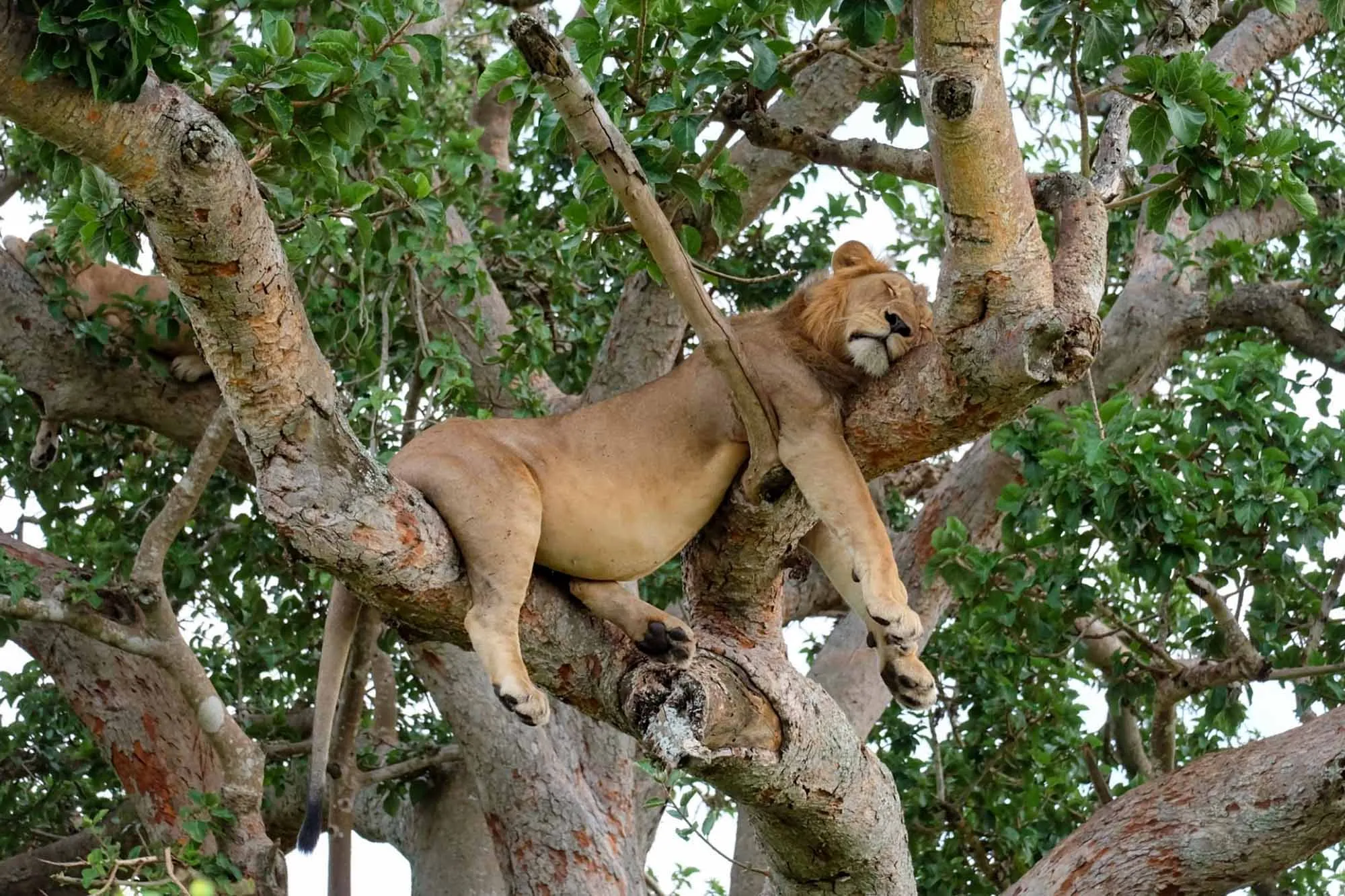
Queen Elizabeth National Park, one of Uganda’s premier safari destinations, is home to an array of fascinating wildlife. Among its most iconic inhabitants are the lions, renowned for their unique and often surprising behavior. Beyond their status as apex predators, lions in the park, particularly in the Ishasha Sector, have earned the nickname “sleepy lions” due to their characteristic habit of lounging and napping for hours on end, often in trees.

This blog post delves into the intriguing lifestyle of these majestic creatures and offers insights into why they’ve become famous as the “sleep lions” of Uganda.


Why Are Lions Known for Sleeping?

Lions are known for their luxurious sleeping habits, spending between 16 and 20 hours a day resting. While this might seem excessive, it’s a critical part of their survival strategy.

  1. Energy Conservation:
    Lions are apex predators, relying on short bursts of intense energy to hunt. To maintain their strength, they rest for long hours, conserving energy for when it’s most needed.
  2. Heat Avoidance:
    In the warm savannahs of Queen Elizabeth National Park, daytime temperatures can soar. Lions, being adapted to a cooler lifestyle, avoid the heat by staying inactive during the hottest parts of the day.
  3. No Natural Predators:
    As top predators, lions face little threat from other animals, allowing them to sleep without fear. Their pride-based structure also ensures that some members are always alert, acting as sentinels while others rest. 


The Unique Habit of Tree-Climbing Lions

In the Ishasha Sector of Queen Elizabeth National Park, lions take their napping routine to another level—literally. They climb trees and lounge on branches, a rare behavior observed in only a few lion populations worldwide.

Why Do Lions Climb Trees in Ishasha?
Several theories attempt to explain this phenomenon:

  • Escape from Insects: The savannah floor can be infested with biting flies and insects, particularly during the rainy season. Climbing trees provides lions with a comfortable and insect-free refuge.
  • Cooler Temperatures: Tree branches offer a breezy, shaded spot away from the heat of the ground, helping lions stay cool.
  • Better Views: From the high vantage point of a tree, lions can keep an eye on their surroundings, watching for prey or potential threats.
  • Learned Behavior: This unique trait may have started with a few lions and was passed down through generations within the pride.

Watching these massive predators casually sprawled across tree branches is a fascinating sight, combining their raw power with a surprising grace and adaptability.


Best Times and Places to Spot the Sleepy Lions

  • The Ishasha Sector:
    The southern part of Queen Elizabeth National Park, Ishasha is the best place to observe tree-climbing lions in Uganda. Fig trees are their favorite lounging spots, and game drives through the sector offer a good chance of spotting them.

  • Morning and Late Afternoon:
    Lions are most active during the cooler hours of the day, which also makes these times the best for sightings. During midday, you’re likely to find them napping, whether in the shade of a tree or sprawled across its branches.


What Makes These Lions Special?

The sleepy lions of Queen Elizabeth National Park are not just unique because of their tree-climbing behavior. Their relaxed demeanor and majestic poses make them an iconic symbol of Uganda’s wilderness. These lions also play a vital role in the ecosystem, balancing prey populations and supporting the park’s biodiversity.

Their behavior also contributes to tourism, drawing visitors from around the globe who are eager to witness these unique predators. This, in turn, generates revenue for conservation efforts and local communities.


Tips for Seeing the Sleepy Lions

  1. Go with an Experienced Guide:
    Local guides know the best spots and times to find the lions, maximizing your chances of a sighting.

  2. Pack Binoculars and Cameras:
    Tree-climbing lions often perch high above the ground, so binoculars can help you observe them up close. Don’t forget a good camera to capture these incredible moments!

  3. Be Patient:
    Spotting lions requires some patience and quiet observation. Once you see them, the experience is well worth the wait.

  4. Respect Their Space:
    While it’s exciting to see lions up close, remember to follow park guidelines and respect their natural behavior.


Why the Sleepy Lions Are a Must-See

The sleepy, tree-climbing lions of Queen Elizabeth National Park embody the magic and mystery of the African wilderness. Their unique habits challenge traditional notions of lion behavior and offer an extraordinary spectacle for visitors.

Whether you’re watching them sprawled across tree branches or dozing under the shade of a fig tree, these lions leave an indelible impression. They remind us of the beauty of adaptation in nature and the importance of preserving these habitats for future generations.

So, if you’re planning a safari in Uganda, make sure to include a visit to the Ishasha Sector in your itinerary. It’s an experience that promises awe, wonder, and unforgettable memories of the sleepy lions of Queen Elizabeth National Park.


Ishasha Sector

 Ishasha Sector of Queen Elizabeth National Park

Nestled in the southern part of Queen Elizabeth National Park, the Ishasha Sector is a hidden gem renowned for its unique wildlife, serene landscapes, and off-the-beaten-path appeal.

Covering a pristine savannah wilderness interspersed with fig trees, Ishasha offers an intimate safari experience and is most famous for its tree-climbing lions—a rare and captivating sight that draws visitors from around the globe.

This article delves into the unique aspects of the Ishasha Sector, highlighting its wildlife, attractions, and what makes it a must-visit destination in Uganda.

You may also like 8 Days Uganda Wildlife Safari

Ishasha Sector


1. Wildlife in the Ishasha Sector

The Ishasha Sector boasts an incredible diversity of wildlife, making it a prime safari destination within Queen Elizabeth National Park.

  • Tree-Climbing Lions:
    The Ishasha Sector is one of the few places in the world where lions are known to climb and rest in trees, with the others being Lake Manyara in Tanzania and certain parts of South Africa. These majestic predators can often be seen sprawled across the branches of fig trees, lazily surveying the savannah below.

    While the exact reason for this behavior is unknown, theories suggest that climbing trees helps lions escape the heat of the ground, avoid biting insects, or simply secure a better vantage point for spotting prey. Watching these large cats perched on branches is an unforgettable experience and a photographer’s dream.

  • Other Predators:
    Beyond the tree-climbing lions, Ishasha is home to leopards and hyenas. These stealthy predators can be seen on early morning game drives or during late afternoon hours when they are most active.
  • Plains Game:
    The open plains of Ishasha are teeming with Uganda kobs, topis, waterbucks, and buffaloes. These herbivores not only add to the beauty of the landscape but also provide prey for the park’s predators, sustaining the delicate balance of this ecosystem.
  • Birdlife:
    Ishasha is a haven for bird enthusiasts, with over 600 species recorded in the park. The savannah and riverine habitats attract species such as the saddle-billed stork, grey-crowned crane, and black bee-eater. Birdwatchers can also look out for raptors like the African fish eagle and vultures circling above the plains.

2. The Unique Landscape of Ishasha

The Ishasha Sector stands out for its picturesque and tranquil environment. Unlike the busier northern areas of Queen Elizabeth National Park, Ishasha offers a more secluded safari experience.

  • Rolling Savannahs:
    The vast open savannahs are dotted with fig and acacia trees, creating a postcard-perfect African landscape. The trees also serve as the ideal perches for the tree-climbing lions that Ishasha is famous for.
  • Ishasha River:
    The Ishasha River, which forms the border between Uganda and the Democratic Republic of Congo, is a vital lifeline for wildlife in the region. Visitors often see elephants, buffaloes, and antelopes congregating along its banks to drink and cool off. Crocodiles and hippos are also commonly spotted in the river, making it a hub of activity.
  • Untouched Beauty:
    Compared to other parts of Queen Elizabeth National Park, Ishasha remains less developed and less frequented, which adds to its charm. The untouched wilderness offers visitors a chance to connect with nature in its purest form.

3. Activities in Ishasha

The Ishasha Sector provides a variety of safari activities that allow visitors to explore and appreciate the area’s natural wonders.

  • Game Drives:
    Game drives are the primary activity in Ishasha, with both morning and evening drives offering excellent opportunities for wildlife sightings. The guides in this area are skilled at tracking the lions and other animals, ensuring a rewarding experience.
  • Birdwatching:
    With its diverse habitats, Ishasha is a fantastic birding destination. Visitors can enjoy spotting rare and colorful bird species, either during game drives or along the riverbanks.
  • Nature Walks:
    Some lodges in Ishasha organize guided nature walks, allowing visitors to explore the bush on foot. These walks are an excellent way to learn about the smaller details of the ecosystem, from plants and insects to tracks left by animals.
  • River Viewing:
    The Ishasha River offers a peaceful setting for observing wildlife and birdlife. Sit quietly by the riverbanks, and you might spot a pod of hippos or catch sight of elephants crossing the water.

Accomodations in the Ishasha Sector


4. Accommodation in Ishasha

Staying in Ishasha enhances the safari experience, as the lodges and camps here are designed to blend seamlessly with the natural surroundings. Accommodation options range from budget to luxury, catering to different preferences and budgets.

  • Ishasha Wilderness Camp:
    This luxury camp offers a rustic yet elegant experience, with tented accommodation overlooking the Ishasha River. Guests enjoy personalized service and eco-friendly amenities, making it a favorite for those seeking comfort in the wild.
  • Enjojo Lodge:
    Situated close to the park gate, Enjojo Lodge provides midrange accommodations with spacious cottages and bandas surrounded by acacia forests and wetlands. It’s a great choice for families or groups.
  • Savannah Resort Hotel:
    For budget travelers, this lodge provides affordable accommodation with basic amenities, ensuring an accessible stay for visitors to Ishasha.

5. Conservation Efforts in Ishasha

The unique ecosystem of the Ishasha Sector requires careful management to maintain its delicate balance. Conservation efforts focus on:

  • Protecting the Tree-Climbing Lions:
    These lions are a key attraction, and measures are in place to ensure their safety. Anti-poaching patrols and community awareness programs help mitigate threats to these iconic animals.
  • Community Engagement:
    Local communities are actively involved in conservation, with initiatives that promote sustainable tourism and create alternative livelihoods. This collaboration ensures that the benefits of tourism reach those living around the park.
  • Habitat Preservation:
    Efforts to prevent encroachment and maintain the natural environment are crucial for preserving the Ishasha Sector’s pristine beauty.

6. Tips for Visiting Ishasha

  • Best Time to Visit:
    The dry seasons (June to September and December to February) are ideal for visiting Ishasha, as wildlife is easier to spot around water sources.
  • What to Pack:
    Essentials include lightweight clothing, comfortable walking shoes, sunscreen, insect repellent, binoculars, and a good camera.
  • Hire a Guide:
    Experienced guides enhance your safari by helping you spot wildlife and providing insights into animal behavior and the ecosystem.

7. Why Visit Ishasha?

The Ishasha Sector offers a unique and tranquil safari experience that complements the more popular northern areas of Queen Elizabeth National Park.

Its distinctive attractions, particularly the tree-climbing lions, make it a must-visit for wildlife enthusiasts and photographers.

The sector’s untouched beauty and serene atmosphere provide a refreshing escape for anyone seeking to immerse themselves in the wonders of the African wilderness.

Whether it’s the thrill of spotting lions lounging in trees, the serene beauty of the Ishasha River, or the chance to explore an unspoiled savannah, Ishasha leaves visitors with memories to treasure forever.

Murchison Falls National Park Boat Cruise

Murchison Falls National Park Boat Cruise; Price, Experience

Murchison Falls National Park, located in northwestern Uganda, is the country’s largest and oldest national park. Known for its breathtaking scenery, diverse wildlife, and the iconic Murchison Falls, the park attracts visitors worldwide.

One of the most thrilling and unforgettable experiences offered at the park is a boat cruise along the majestic Nile River. Let’s delve into the wonders of the Murchison Falls National Park boat cruise, detailing its highlights, wildlife encounters, types of cruises, pricing, and essential tips for visitors.


The Splendor of Murchison Falls National Park

Established in 1952, Murchison Falls National Park spans approximately 3,893 square kilometers. The park’s landscape ranges from savannah plains and woodland to swamps and tropical forests, creating an ideal habitat for a rich variety of wildlife. The highlight of the park is Murchison Falls, where the Nile River squeezes through a narrow 7-meter gorge and plunges 45 meters, creating a thunderous roar and misty spray.

The Nile River, the world’s longest river, bisects the park into the northern and southern sections. Its tranquil waters downstream from the falls are perfect for a boat cruise that combines relaxation with adventure and wildlife spotting.


The Murchison Falls Boat Cruise Experience

A boat cruise at Murchison Falls National Park offers an unparalleled way to explore the park’s aquatic wonders. The cruise takes you along a stretch of the Nile, providing a front-row seat to the area’s abundant wildlife, scenic landscapes, and the thunderous waterfalls.

1. Wildlife Encounters

The banks of the Nile are a haven for wildlife. As you glide along the river, you can spot hippos lazily wallowing in the water, crocodiles basking in the sun, and elephants, buffaloes, and antelopes quenching their thirst along the shore. Bird enthusiasts will be thrilled by the variety of bird species, including the rare shoebill stork, African fish eagles, and colorful kingfishers.

2. Stunning Views of Murchison Falls

The boat cruise provides a spectacular view of Murchison Falls from below. As the boat approaches the falls, you’ll feel the immense power of the cascading water and witness the mesmerizing spray that creates vibrant rainbows. This awe-inspiring sight is a highlight of the cruise and a perfect photo opportunity.

3. Tranquility and Relaxation

The gentle movement of the boat and the serene environment make the cruise a relaxing experience. Whether you’re on a family trip, a romantic getaway, or a solo adventure, the cruise offers a peaceful escape into nature.


Types of Boat Cruises

Visitors to Murchison Falls National Park can choose from different types of boat cruises based on their interests and schedules:

1. Scheduled Boat Cruise to the Bottom of the Falls

This is the most popular option and is available for groups or individuals. The cruise lasts about 2–3 hours and takes you upstream towards the base of Murchison Falls. Along the way, you’ll enjoy stunning landscapes and numerous wildlife sightings.

2. Delta Boat Cruise

The delta cruise takes you downstream to the Nile delta, where the river empties into Lake Albert. This part of the Nile is teeming with birdlife, making it a perfect choice for birdwatching enthusiasts. The delta cruise often lasts 4–5 hours and provides an opportunity to see the rare shoebill stork in its natural habitat.

3. Private and Luxury Cruises

For a more exclusive experience, private or luxury boat cruises are available. These cruises offer personalized services, more privacy, and flexible schedules, making them ideal for honeymooners or those celebrating special occasions.

4. Sunset or Sundowner Cruises

As the sun sets over Murchison Falls National Park, the Nile takes on a golden hue, creating a magical atmosphere. Sunset cruises are a romantic and peaceful way to end the day, complete with drinks and snacks onboard.


Boat Cruise Prices in Murchison Falls National Park

The cost of a boat cruise at Murchison Falls National Park varies depending on the type of cruise, operator, and additional services offered. Below is a general price guide:

Type of Boat Cruise Price Per Person (USD) Duration
Scheduled Cruise (Bottom of Falls) $30–$40 2–3 hours
Delta Cruise $50–$60 4–5 hours
Private Cruise $200–$300 (for the whole boat) 2–3 hours
Sunset Cruise $40–$50 2 hours

Prices may vary depending on the season, group size, and additional services like refreshments or guided commentary. Park entrance fees are usually not included in the cruise cost.


Best Time for a Boat Cruise

The best time to enjoy a boat cruise at Murchison Falls National Park is during the dry season, from December to February and June to September. During this period, the water levels are lower, and animals are more likely to gather along the riverbanks, making wildlife sightings more frequent. The cooler mornings and evenings provide the most comfortable cruising conditions.


What to Pack for Your Boat Cruise

To make the most of your boat cruise experience, here are some essentials to pack:

  • Binoculars: For closer views of wildlife and birds.
  • Camera: To capture the stunning scenery and wildlife.
  • Sunscreen and Hat: To protect against the sun’s rays.
  • Insect Repellent: To ward off mosquitoes and other insects.
  • Comfortable Clothing: Light, breathable attire and a jacket for cooler times.
  • Water Bottle: To stay hydrated during the trip.

Tips for a Memorable Boat Cruise Experience

  1. Book in Advance: Secure your spot early, especially during peak tourist seasons.
  2. Arrive on Time: Be punctual to avoid missing your scheduled departure.
  3. Follow Safety Instructions: Listen to your guide’s safety briefing and follow all instructions.
  4. Stay Alert: Keep an eye out for wildlife on both sides of the river.
  5. Respect Nature: Avoid littering and keep noise levels low to avoid disturbing the wildlife.

Beyond the Boat Cruise: Additional Activities

While the boat cruise is a highlight of any visit to Murchison Falls National Park, there are several other activities to enjoy:

  • Game Drives: Explore the park’s vast savannahs and spot lions, giraffes, and other wildlife.
  • Hiking to the Top of the Falls: Experience the falls from a different perspective by hiking to the top.
  • Bird Watching: Discover over 450 bird species in the park.
  • Chimpanzee Trekking: Visit the Budongo Forest Reserve for an encounter with chimpanzees.

Conclusion

A boat cruise at Murchison Falls National Park is a must-do activity for anyone visiting Uganda. The combination of stunning landscapes, abundant wildlife, and the raw power of the Nile creates an unforgettable experience. Whether you opt for a scheduled cruise, a private luxury trip, or a bird-focused delta cruise, you’re guaranteed a unique adventure that connects you with nature in an extraordinary way.

Plan your visit to Murchison Falls National Park today, and let the magic of the Nile captivate your heart!

facts about kampala city

Interesting Facts About Kampala City: The Heartbeat of Uganda

Kampala, the capital and largest city of Uganda, is a dynamic and vibrant urban center that embodies the country’s rich cultural, political, and historical heritage. As the nation’s economic hub, Kampala offers a fascinating mix of history, culture, modernity, and natural beauty. It sits atop seven hills and has grown from a small trading post into one of the fastest-growing cities in East Africa. Whether you’re a first-time visitor or a long-time resident, Kampala never fails to captivate with its energy, diversity, and unique charm.

In this article, we will explore some of the most interesting facts about Kampala that make this city truly stand out. From its fascinating history to its modern developments, let’s uncover what makes Kampala a fascinating place to visit and live.


1. Kampala Was Built on Seven Hills

Kampala’s landscape is famously marked by seven hills, a geographic feature that has shaped the city’s development and infrastructure. These hills are not just a scenic aspect of Kampala; they hold cultural, historical, and spiritual significance to the people of Uganda.

The seven hills of Kampala are:

  • Kampala Hill (the original settlement area)
  • Old Kampala Hill (home to the Uganda National Mosque)
  • Makerere Hill (home to the famous Makerere University)
  • Nakasero Hill (the commercial center and home to several embassies)
  • Kololo Hill (a residential area with a mix of local and expatriate communities)
  • Namirembe Hill (the site of Namirembe Cathedral)
  • Lubaga Hill (home to the Rubaga Cathedral)

Each hill has its own historical importance and contributes to the city’s unique layout. The division of the city into these seven hills has influenced Kampala’s development, and it gives the city a distinct character.


2. Kampala’s Name Originates from a Local Animal

The name Kampala is derived from the Ganda word “Kasozi k’ampala,” which means “hill of the impala.” The impala is a type of antelope that used to inhabit the area around Kampala in the past. Early inhabitants of the area noticed these animals grazing on the hills, and thus, the city was named after the creatures.

Although the impala is no longer a common sight around the city, the name remains, and the impala’s image is used in various symbols and signage in Kampala.


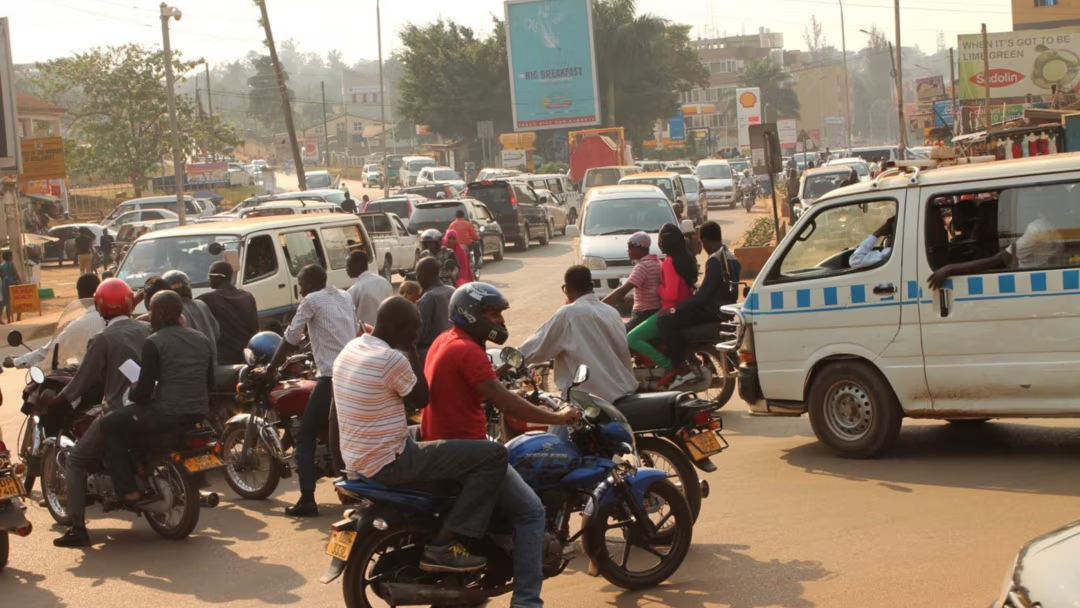
3. Kampala is Known for its Bustling Boda Bodas (Motorcycle Taxis)

In Kampala, the most popular and efficient form of transportation is the boda boda—a motorcycle used as a taxi service. These motorbikes are a ubiquitous part of Kampala’s daily life, providing quick, flexible, and affordable transport across the city. With their ability to navigate through Kampala’s often congested traffic, boda bodas are an essential mode of transportation for both locals and visitors alike.

Boda boda riders are known for their courageous driving skills and sometimes creative navigation techniques, but they also adhere to their own informal road rules. While boda bodas have become the city’s lifeline, safety concerns have led to increased regulations to improve their operation in recent years.


4. Kampala is a City of Diverse Cultures and Languages

Kampala is a melting pot of Uganda’s diverse ethnic groups, with people from all regions of the country living and working in the city. As a result, the city is a cultural hub, where different languages, traditions, and practices intermingle.

While the official language of Uganda is English, many of Kampala’s residents speak Luganda, which is the most widely spoken language in the central region, where Kampala is located. Other languages spoken in the city include Swahili, Runyankore, Lusoga, Rutooro, and Acholi, reflecting the national and ethnic diversity of Uganda.

Kampala is also home to a wide variety of religions, with Christianity (both Catholic and Protestant) and Islam being the most predominant. The city’s religious landscape is marked by churches, mosques, and temples of different faiths, providing a spiritual diversity that adds to the city’s vibrancy.


5. Kampala’s Nightlife is Legendary

Kampala is renowned for its vibrant nightlife, which is often seen as one of the best in East Africa. Whether you’re into local Ugandan music, DJ performances, dance clubs, or karaoke bars, Kampala has something for everyone. The city comes alive at night, especially on weekends, when both locals and visitors take to the streets to enjoy the array of bars, clubs, and restaurants.

The city’s nightlife is an exciting blend of traditional Ugandan music, such as Kadongo Kamu and Afrobeat, alongside international genres like hip hop, reggae, and house music. Popular areas for nightlife include Kololo, Cultural Center, Kabalagala, and Wandegeya, which feature the best clubs and bars.


6. Kampala is Home to Makerere University, One of Africa’s Oldest Universities

Kampala is home to Makerere University, one of Africa’s oldest and most prestigious universities. Established in 1922 as a technical school for the British colonial government, Makerere University has grown into a major center for academic excellence and research in East Africa. It is known for producing a long list of prominent alumni, including former Ugandan President Yoweri Museveni, writers like Ngũgĩ wa Thiong’o, and Nobel laureates like Wangari Maathai from Kenya.

The university’s architecture is a blend of colonial-era buildings and modern structures, and its campus is located on Makerere Hill, one of the seven hills of Kampala. The university is not only an educational institution but also a cultural and intellectual landmark in Uganda.


7. Kampala is the Fastest Growing City in East Africa

Kampala is one of the fastest-growing cities in East Africa, with rapid urbanization and population growth. Over the past few decades, the city’s population has exploded, and it is now home to over 1.7 million people, with estimates suggesting that it could grow to 4 million by 2040. This rapid expansion has brought both opportunities and challenges, including increased demand for housing, transportation, and infrastructure.

As the capital of Uganda, Kampala serves as the political, commercial, and cultural hub of the country, attracting people from all parts of Uganda and neighboring countries. The growth of the city has spurred the development of new residential areas, shopping malls, office buildings, and entertainment centers.


8. Kampala Has a Rich Cultural Scene with Museums and Historical Sites

Kampala is not just a modern urban center; it is also home to a wealth of cultural institutions and historical sites that provide insight into Uganda’s past. Visitors can explore the Uganda Museum, which showcases the nation’s heritage and history, including its archaeology, anthropology, and natural history. The Kasubi Tombs, a UNESCO World Heritage site, is an iconic royal burial site for the kings of the Buganda Kingdom.

Other important cultural sites in Kampala include the Uganda Martyrs Shrine in Namugongo, the Gaddafi Mosque, and the National Theatre, which plays a vital role in promoting Uganda’s arts and theater scene.


9. Kampala is Located Near Lake Victoria

One of Kampala’s most attractive features is its proximity to Lake Victoria, the largest freshwater lake in Africa. Although the city is not directly on the lake’s shores, it is just a short distance away from Entebbe, which is located on the edge of the lake. The lake plays a significant role in the city’s water supply, as well as its recreational and cultural activities.

Visitors to Kampala can easily take a day trip to Entebbe, visit Ngamba Island (a sanctuary for orphaned chimpanzees), or take boat rides on Lake Victoria to explore the many islands scattered throughout the lake.


10. Kampala Has a Growing Food Scene with Global Influence

Kampala’s food scene is as diverse as its people, with influences from Ugandan cuisine, Indian food, Middle Eastern dishes, and even Western fast food. Ugandan dishes like matoke (plantains), posho (maize porridge), and samosa are staples, but the city also boasts a growing number of international restaurants, particularly in areas like Kabalagala and Kololo.

Kampala is also home to a number of food markets, such as Nakasero Market, where you can sample fresh local produce and street food. The city’s vibrant coffee culture also reflects Uganda’s reputation as one of the world’s top coffee producers.


Conclusion

Kampala is a city full of contrasts, where history and modernity coexist in a vibrant urban landscape. From its fascinating past, shaped by its seven hills, its cultural and religious diversity, to its role as the beating heart of Uganda’s economy, Kampala is a city that offers something for everyone. Whether you are drawn to its rich history, its dynamic nightlife, its bustling markets, or its scenic vistas,

driving rules and regulations in uganda

Driving Rules and Regulations in Uganda: A Guide for Travelers

When driving in Uganda, understanding the local rules and regulations is crucial for a safe and enjoyable journey. Whether you’re embarking on a self-drive safari or exploring the vibrant cities and scenic countryside, knowing what to expect on the roads will help you navigate them with confidence. Here’s a comprehensive guide to driving in Uganda, covering the essential rules, safety tips, and road conditions.

1. Driving License Requirements

To drive in Uganda, you must hold a valid driver’s license from your home country. International drivers should also have an International Driving Permit (IDP), which is recognized in Uganda. If you plan to stay longer than three months, you may be required to convert your foreign license to a Ugandan one. Always carry your license, IDP, and passport when driving.

2. Driving on the Left

In Uganda, vehicles drive on the left-hand side of the road, which can be a significant adjustment for travelers from countries where driving is on the right. The steering wheel in cars is typically on the right, so pay extra attention when overtaking or approaching intersections.

3. Speed Limits

Speed limits are strictly enforced in Uganda, and driving within the speed limits is essential for safety. The typical speed limits are as follows:

  • 50 km/h (31 mph) in urban areas
  • 80 km/h (50 mph) on rural roads
  • 100 km/h (62 mph) on highways, though some sections may have lower limits

In addition, always be cautious of speed bumps (common in towns and villages), which are often unmarked but present significant risks to vehicles and passengers if not approached slowly.

4. Road Signs and Markings

Road signs in Uganda are generally well-marked, though some rural areas may lack clear signage. Familiarize yourself with the most common road signs:

  • Red circles indicate prohibited areas or actions (e.g., no parking or no entry).
  • Triangle signs warn of dangers ahead (e.g., sharp turns, pedestrian crossings).
  • Rectangular signs provide information or instructions (e.g., speed limits, parking zones).

Traffic lights are commonly found in urban areas, especially in Kampala. Make sure to stop at red lights and adhere to the rules of right-of-way.

5. Overtaking and Lane Discipline

When overtaking another vehicle, always ensure it’s safe before doing so. On narrow roads, be especially cautious and check for oncoming traffic. It’s common to overtake on the right in Uganda, even though vehicles drive on the left. Be aware of this practice and exercise caution.

In cities, roads can get crowded, so lane discipline may not always be strictly followed. Keep an eye on other drivers who may switch lanes unexpectedly or cut you off.

6. Use of Seatbelts and Child Safety

Wearing a seatbelt is mandatory for both drivers and passengers in Uganda. Failure to wear a seatbelt can result in fines or penalties. If traveling with children, ensure they are seated in an appropriate child restraint system, as required by Ugandan law. This is important for their safety, especially on long journeys.

7. Alcohol and Driving

Uganda has a strict policy regarding driving under the influence of alcohol. The legal blood alcohol content (BAC) limit is 0.08%, similar to many other countries. However, it is highly advisable to avoid alcohol altogether if you plan to drive, as penalties for drunk driving can be severe, including fines, license suspension, or even imprisonment.

8. Road Conditions and Vehicle Requirements

Road conditions in Uganda vary greatly. Main highways linking cities and major towns are generally paved and in decent condition, though potholes can sometimes be a challenge. Rural roads, especially in remote areas or national parks, may be unpaved and require 4×4 vehicles, particularly during the rainy season when roads can become slippery or muddy.

If you’re driving a rental vehicle, ensure it’s well-maintained, with working lights, tires, brakes, and a full tank of fuel. Carrying basic car maintenance supplies like a spare tire, jack, and toolkit is recommended, as breakdowns can happen, particularly in less developed regions.

9. Traffic Police and Fines

Traffic police in Uganda are often stationed along major roads and highways. They may stop vehicles for routine checks or to ensure compliance with road safety regulations. It is important to respect their authority and adhere to their instructions.

If fined, be sure to get a receipt. It’s advisable to carry some cash for fines, though you should avoid paying bribes. Always request a receipt if any fine is issued.

10. Pedestrian and Animal Safety

In Uganda, pedestrians often walk along the roadsides, especially in towns and villages. Be vigilant and reduce speed when passing through populated areas. Watch for animals that may wander onto the road, particularly in rural areas and national parks where livestock and wildlife such as monkeys, goats, or cattle might cross unexpectedly.

11. Parking Regulations

Parking is often limited in busy cities like Kampala, so be mindful of no-parking zones and always park in designated spaces. In rural areas, parking is generally less regulated, but avoid leaving your vehicle in isolated spots for safety reasons.

12. Emergencies and Assistance

In case of an emergency, you can call 999 for police assistance, or 112 for medical emergencies. It’s a good idea to have a local contact or your tour operator’s phone number handy, in case of breakdowns or other issues during your trip.

Conclusion

Driving in Uganda can be an exciting and rewarding experience, allowing you to explore the beauty of the country at your own pace. By understanding the local driving rules, respecting the roads and other travelers, and preparing for varying road conditions, you’ll ensure a safe and smooth journey. Whether you’re heading to a national park for a safari or navigating the bustling streets of Kampala, being informed about Uganda’s driving regulations will enhance your experience and help you make the most of your trip to the Pearl of Africa.

chimpanzee family

The Chimpanzee Family: A Closer Look at Social Structure, Relationships, and Behavior

Chimpanzees are highly intelligent, socially complex, and have intricate family structures. Observing a chimpanzee family provides us with a unique insight into the evolution of social behavior, communication, and familial bonds, offering parallels to our own human societies. This article delves into the structure of chimpanzee families, their social relationships, parenting roles, and the importance of these family dynamics in the wild.

1. Chimpanzee Social Structure: The Family Unit

Chimpanzees are social animals, living in large communities of 20 to 150 individuals, but their fundamental social unit is the family. The family group is often composed of a mother, her offspring, and occasionally a male partner. These family units are part of a broader community, but the core of chimpanzee life revolves around the smaller family bonds.

The mother-child bond is the most crucial relationship in a chimpanzee’s life. From birth to around 3-5 years old, the infant is entirely dependent on its mother for sustenance, protection, and social learning.

The relationship between mother and child is affectionate and nurturing, and it forms the foundation for the young chimp’s understanding of the world, social hierarchies, and survival strategies.

While male chimpanzees may play an important role in protecting or providing for their families, females are the primary caregivers. Female chimpanzees often have a strong, nurturing instinct, providing not only care but also the social education their young need to thrive in their community.

2. The Role of Mothers in Chimpanzee Families

The role of the mother is central to the development and survival of chimpanzee offspring. Chimpanzee mothers have long gestation periods (about 230-240 days), and they give birth to a single infant.

Once born, the infant clings to the mother for warmth and protection. This bond between mother and infant is essential not only for physical survival but also for the emotional and social development of the young chimp.

The mother’s care doesn’t end after birth. She continues to nurse and care for her infant for several years, with some young chimpanzees remaining dependent on their mothers until they are around 5 years old.

During this time, the mother teaches the infant vital skills, such as foraging, the use of tools, social interactions, and how to navigate the complex social structures of the chimpanzee group.

Chimpanzees have a prolonged childhood compared to many other animals. The extended period of dependency allows the young chimpanzees to observe and learn from the adults around them. It also gives them time to build the necessary social skills to integrate into the broader community.

Chimpanzee Family

3. The Male Role: Fatherhood and Protection

In chimpanzee societies, the role of the male in raising offspring is often less direct than that of the female. While male chimpanzees do not provide the same level of care as mothers, they play essential roles in the family unit and community.

Male chimpanzees often have a more distant relationship with their offspring compared to females. However, they do provide some protection, particularly when it comes to defending the family from potential threats, such as predators or rival male chimpanzees. In some cases, high-ranking males may also help secure food for their families, especially in times of abundance.

Dominant males in the community may have multiple female mates, and these relationships are sometimes characterized by temporary bonds with females. In many chimpanzee groups, males will form alliances with other males to increase their social standing and influence within the group.

Although they may not always be involved in direct parenting, dominant males influence family life through their power and ability to enforce social order.

Interestingly, there are cases where father-son bonds can be significant. Sons may stay close to their fathers in their youth and attempt to learn from them, especially in terms of social strategies and group dynamics. The father’s role in guiding and mentoring can help the son navigate the complexities of chimpanzee society.

4. Chimpanzee Siblings: A Lifelong Bond

Siblings are an important aspect of the chimpanzee family structure. They share a mother, and often a similar father, creating a network of relationships that are foundational to a chimpanzee’s life.

Chimpanzee siblings play and interact with each other throughout their childhood, learning essential social skills and hierarchies. Sibling rivalry can occur, but this competition also teaches younger chimpanzees valuable lessons in dominance, negotiation, and cooperation. Older siblings may help care for younger ones, particularly when the mother is busy foraging or engaged in other activities.

As the young chimpanzees grow older, sibling bonds often remain strong. These relationships can persist throughout adulthood, with siblings offering each other support and cooperation. In some cases, siblings will form alliances with one another, which can be crucial when competing for resources or trying to gain social status within the community.

5. Chimpanzee Communication Within Families

Chimpanzees, like humans, have a rich system of communication that they use to express their emotions, intentions, and desires. The family unit is where much of this communication begins. Infants and young chimpanzees are highly dependent on their mother’s signals and cues, and this helps them learn how to navigate the social world around them.

Mother chimpanzees communicate with their young through vocalizations, gestures, and facial expressions. These early forms of communication help the infant understand emotional states, social hierarchies, and even potential threats. For instance, a mother may use specific vocal calls to signal danger or to warn her young to stay close.

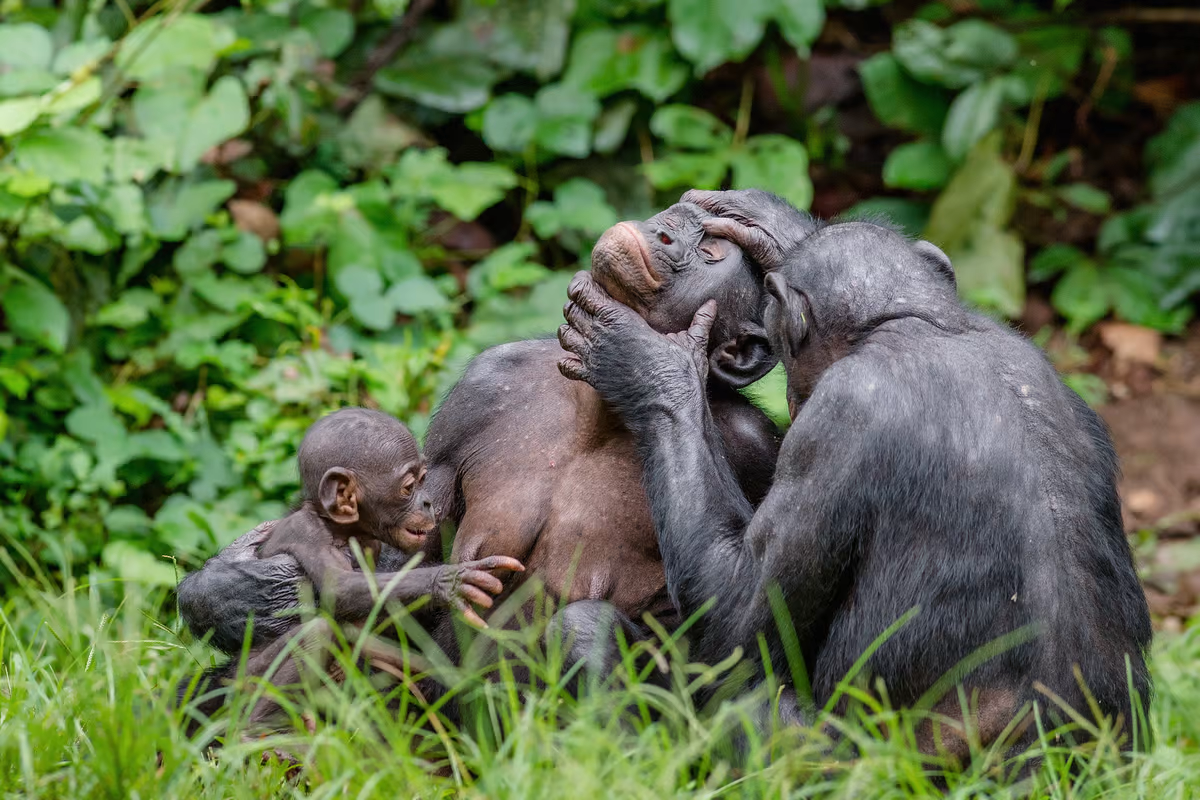
Chimpanzees also use gestures like grooming, touching, and embracing to reinforce familial bonds. The act of grooming is a key social behavior, allowing chimpanzees to express affection and build trust within their family groups. It’s not just about hygiene; it’s a way of deepening emotional connections.

6. The Importance of the Family in Chimpanzee Society

Chimpanzee families play a pivotal role in the broader dynamics of the chimpanzee community. A family provides the foundational unit of social life, from which young chimpanzees learn critical survival skills, emotional regulation, and social hierarchy. Strong family bonds contribute to a chimpanzee’s ability to navigate its environment, compete for resources, and maintain a place within the social structure.

Family units in chimpanzee groups can vary in size and composition. Some families may consist of a single mother and her offspring, while others may involve a mother, her offspring, and a dominant male. These families often come together in loose, overlapping communities where multiple families interact, compete, and form alliances.

Interestingly, chimpanzees have been observed displaying adoptive behaviors, where they care for orphaned infants or younger members of the group. This cooperative behavior highlights the importance of social bonds in chimpanzee society, showing that even non-biological family relationships can play a significant role in the survival and well-being of individuals.

Conclusion

Chimpanzee families are complex, multi-faceted units that mirror many aspects of human social structures. The relationships between mothers, fathers, siblings, and other group members form the foundation of chimpanzee life. These bonds are essential not only for the individual’s survival but also for their ability to thrive in the complex social dynamics of the chimpanzee community.

Through studying chimpanzee families, we gain valuable insights into the evolution of social behavior, parenting, and communication. These insights not only deepen our understanding of chimpanzees but also offer a window into the shared biological heritage we share with our closest living relatives. The chimpanzee family, with its deep emotional connections and social structures, is a testament to the richness of life in the wild.