Gorilla Trekking in Uganda

How Hard is Gorilla Trekking in Uganda – Terrains, Weather, Physically, & Mentally

How Hard is Gorilla Trekking in Uganda:  Gorilla trekking in Uganda is one of the most exhilarating and rewarding wildlife experiences in the world. However, despite the allure of trekking through the dense jungles of Bwindi Impenetrable Forest or Mgahinga Gorilla National Park to catch a glimpse of the majestic mountain gorillas, it’s important to understand that it’s not without its challenges.

Whether you’re a seasoned traveler or a first-time trekker, understanding the physical, mental, and logistical challenges involved will help you prepare for this once-in-a-lifetime adventure.

What is Gorilla Trekking?

Before diving into the difficulties of gorilla trekking, let’s first define what it is. Gorilla trekking involves hiking through the dense forests of Uganda, accompanied by a guide, in search of the elusive mountain gorillas.

Once the gorillas are located, trekkers have the chance to observe these incredible creatures in their natural habitat.

The trekking process can take anywhere from a couple of hours to a full day, depending on the location and the movement of the gorillas.

While the trek itself is exciting and awe-inspiring, it can be quite strenuous, especially considering the environment you’re navigating through. The mountainous terrain, unpredictable weather, and physical demands of hiking through thick forests are just a few of the challenges that come with gorilla trekking.


The Terrain: A Major Challenge

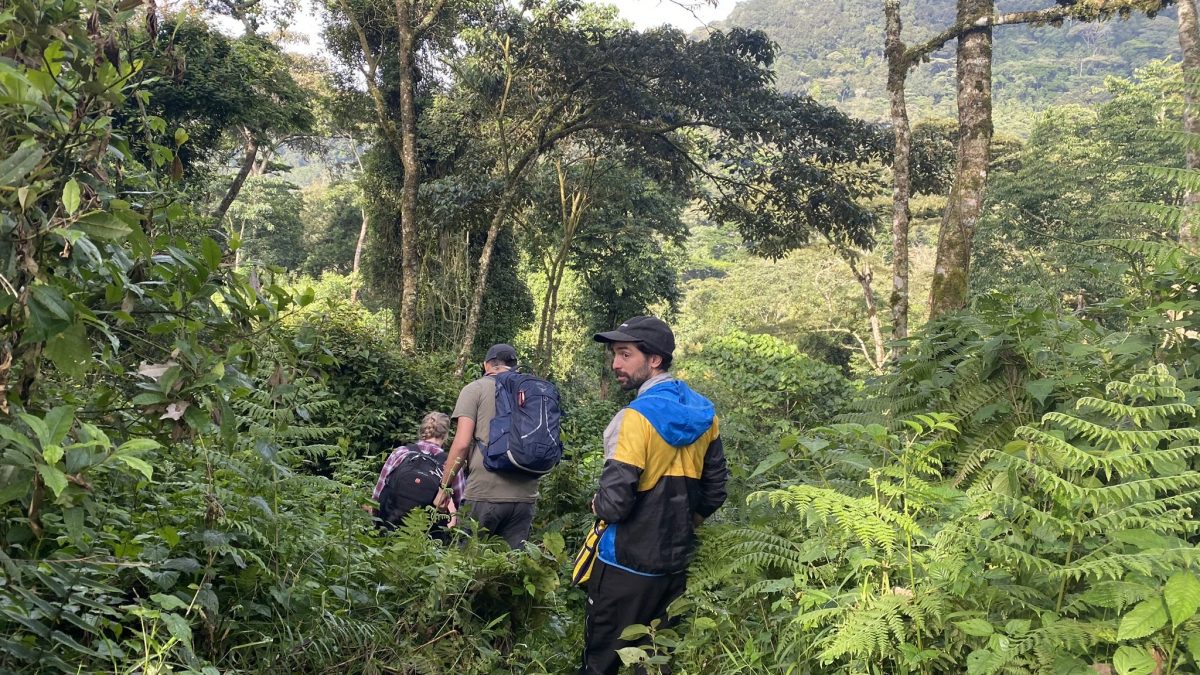
One of the first things trekkers will encounter in Uganda is the rugged terrain. The Bwindi Impenetrable Forest is aptly named for its dense vegetation and steep slopes, while Mgahinga Gorilla National Park is located in the foothills of the Virunga Mountains. This means trekkers must navigate steep inclines, rocky paths, and muddy trails.

The physical difficulty of the terrain cannot be overstated. Many of the trekking paths in Uganda are not paved or marked, meaning trekkers must rely on experienced guides to find their way through the dense forest.

In some cases, the trail may be so steep that it feels like you’re climbing rather than hiking, and muddy paths can make every step a challenge. The forest floor is often slippery, and with the unpredictability of rain, it can become treacherous.

You may also like;

Gorilla trekking is a physically demanding activity that requires stamina and a good level of fitness. It’s essential to be prepared for the long, uphill treks that may last several hours. Although the trek is broken into manageable segments with rest stops, being in good physical condition will significantly increase your chances of a successful trek.
How Hard is Gorilla Trekking in Uganda


The Weather: A Constant Variable

Uganda’s tropical climate means that rain is a frequent companion during gorilla trekking. Whether trekking in Bwindi Impenetrable Forest or Mgahinga, you should always expect the possibility of rain.

The rain makes the already challenging terrain even more difficult to navigate, turning paths into slippery slopes.

When trekking through thick vegetation and encountering rain showers, trekkers often find themselves drenched and cold, which can add to the discomfort.

The humid environment, combined with sudden changes in temperature, can make the trek feel even more strenuous, especially if you’re not properly prepared.

In addition to the rain, the altitude of the trekking areas plays a role in the physical challenges of the experience. For example, the Virunga Volcanoes in Mgahinga can reach heights of up to 4,500 meters (14,763 feet).

Trekking at high altitudes can make it harder to breathe and can be taxing on the body. It’s important to give yourself time to acclimatize if you plan to trek at higher altitudes.


Physical and Mental Challenges

While the terrain and weather are the most obvious obstacles, there are also physical and mental challenges that trekkers must overcome.

The process of trekking through thick forests, climbing steep hills, and maneuvering around obstacles requires a certain level of endurance and mental fortitude.

Physical challenges include not only the exhaustion that comes from hours of trekking but also the strain on your joints, especially your knees, hips, and ankles.

Carrying a backpack filled with essentials like water, food, and a camera can further add to the strain, making the trek feel even harder.

Additionally, the higher the altitude, the more challenging it becomes for your body to get the oxygen it needs.

Beyond the physical demands, there are mental challenges that can be just as difficult to overcome. Gorilla trekking often involves a lot of waiting.

Your guide will look for signs of where the gorillas may have passed, and this process can be unpredictable. You may find yourself walking for hours with no guarantee of spotting the gorillas.

The uncertainty and lack of control over your trek can be frustrating, particularly if you’ve already been trekking for a long time.

Patience and determination are key to overcoming these mental challenges. Some trekkers may give up when the going gets tough, but those who persevere are rewarded with one of the most magical moments of their lives – an up-close encounter with mountain gorillas.


The Physical and Emotional Reward

While gorilla trekking in Uganda is undoubtedly hard, the rewards are immense. There are few experiences more humbling and awe-inspiring than coming face-to-face with a silverback gorilla.

The physical exhaustion and mental challenges melt away as you watch the gorillas move through their natural environment, feeding, playing, and interacting with their families.

The emotional reward of seeing a mountain gorilla in its natural habitat cannot be overstated. These creatures share 98% of their DNA with humans, making the experience feel deeply personal and profound. The connection you feel to these magnificent beings will stay with you long after your trek is over.


How to Prepare for Gorilla Trekking

Understanding the challenges of gorilla trekking is one thing, but being prepared for them is another. If you’re planning to embark on a gorilla trek in Uganda, it’s essential to come prepared. Here are some tips to help make your trek easier:

  1. Get in shape: Physical fitness is crucial for gorilla trekking. While you don’t need to be an elite athlete, being in good physical condition will help you navigate the challenging terrain with ease.

  2. Pack the right gear: Wear sturdy hiking boots with good ankle support, as well as moisture-wicking clothing to handle the humid, rainy environment. Don’t forget to pack rain gear, a waterproof jacket, and a hat to protect yourself from rain and sun.

  3. Mental preparation: Understand that gorilla trekking is not a quick or easy experience. It’s important to manage your expectations and be patient. The trek may be long, and you may face setbacks, but the reward is worth the effort.

  4. Hire a guide: The trekking guides in Uganda are highly trained and know the forest like the back of their hands. Their knowledge is invaluable in navigating the terrain and ensuring your safety. They also understand the behavior of mountain gorillas and can help you have a safe and fulfilling experience.

  5. Be prepared for altitude: If you’re trekking in Mgahinga Gorilla National Park, which is located at high altitudes, it’s important to allow yourself time to acclimatize to the thin air before starting your trek. Take breaks as needed and stay hydrated.


Conclusion: Is Gorilla Trekking in Uganda Worth the Effort?

Gorilla trekking in Uganda is undoubtedly a challenging experience, both physically and mentally. From the rugged terrain and unpredictable weather to the mental fortitude required to handle the uncertainties of the trek, it’s not for the faint of heart. However, for those who are physically prepared and mentally determined, the experience of seeing mountain gorillas in their natural habitat is absolutely worth the effort.

The difficulty of the trek only adds to the reward, making the encounter with these incredible creatures all the more magical.

If you’re looking for an adventure that combines physical challenge, emotional connection, and the chance to witness one of nature’s greatest wonders, then gorilla trekking in Uganda is an experience you won’t want to miss.


By properly preparing for the journey, keeping a positive mindset, and embracing the challenges along the way, you can make the most of your trek and create memories that will last a lifetime.

Gorilla trekking is a rare opportunity to connect with nature in a way that few other experiences allow. Are you ready to take on the challenge.
Do I Need a Visa to Visit Uganda

Do I Need a Visa to Visit Uganda? A comprehensive guide

Do I Need a Visa to Visit Uganda: Uganda, a top travel destination in East Africa, is known for its stunning landscapes, gorilla trekking, and rich cultural heritage.

If you’re planning a visit, one of the first questions you’ll have is: Do I need a visa to visit Uganda? This guide provides all the details about Uganda’s visa requirements, application process, and essential travel tips.

Uganda Visa Requirements

Most foreign visitors need a visa to enter Uganda unless they come from a visa-exempt country. Uganda offers different types of visas depending on the purpose of travel, including tourist visas, business visas, and transit visas.

Visa-Exempt Countries

Citizens from a few selected countries do not require a visa to enter Uganda for short stays. Some of these countries include:

  • Kenya
  • Tanzania
  • Rwanda
  • Burundi
  • South Sudan

Travelers from these nations can enter Uganda with just a valid passport and stay for a specified period. However, for extended stays, a visa may be required.

Types of Visas for Uganda

Uganda Tourist Visa

A tourist visa is required for visitors traveling for leisure, including those interested in wildlife safaris, gorilla trekking, or exploring Uganda’s natural attractions.

  • Validity: Usually 90 days (single-entry)
  • Cost: Approximately $50 USD
  • Processing Time: 2-5 business days
  • Requirements:
    • A passport valid for at least six months
    • A passport-size photo
    • A completed online application form
    • A return ticket or proof of onward travel
    • Yellow fever vaccination certificate

East Africa Tourist Visa

For those planning to visit multiple countries in the region, the East Africa Tourist Visa is an excellent option. This visa allows travel to Uganda, Kenya, and Rwanda with a single visa.

  • Validity: 90 days (multiple-entry)
  • Cost: $100 USD
  • Processing Time: 2-5 business days
  • Requirements: Same as a Uganda tourist visa

Do I Need a Visa to Visit Uganda

This visa is ideal for travelers who want to combine a gorilla trekking experience in Uganda, a Masai Mara safari in Kenya, and a cultural tour in Rwanda.

Uganda Business Visa

A business visa is required for those visiting Uganda for work, conferences, or investment opportunities.

  • Validity: 90 days (single-entry)
  • Cost: $50 USD (single entry) / $100 USD (multiple entry)
  • Requirements:
    • Invitation letter from a Ugandan company
    • Business registration documents
    • Proof of financial means

Uganda Transit Visa

If you are passing through Uganda on your way to another destination and need to leave the airport, you can apply for a transit visa.

  • Validity: Up to 7 days
  • Cost: $50 USD
  • Requirements: Proof of onward travel

How to Apply for a Uganda Visa

Uganda has made visa applications easier by introducing an e-Visa system, which allows travelers to apply online before arriving.

Steps to Apply for a Uganda e-Visa

  1. Visit the Uganda e-Visa portal (https://visas.immigration.go.ug)
  2. Fill out the online application form with personal details
  3. Upload required documents (passport copy, photo, yellow fever certificate, etc.)
  4. Pay the visa fee online using a credit or debit card
  5. Receive an approval email with an attachment
  6. Print the visa approval letter and present it upon arrival in Uganda

Visa on Arrival Option

While Uganda previously offered visa on arrival, it is highly recommended to apply for an e-Visa before traveling to avoid delays at the airport.

Visa Extensions in Uganda

If you wish to extend your stay in Uganda, you can apply for a visa extension at the Uganda Immigration Office in Kampala. Extensions are granted on a case-by-case basis and may require justification for the extended stay.

Entry Requirements for Uganda

Apart from obtaining the right visa, travelers must meet additional entry requirements:

  • Valid passport with at least six months validity
  • Yellow fever vaccination certificate (mandatory for all travelers)
  • Proof of sufficient funds for the duration of the stay
  • Return or onward travel ticket

Common Visa Application Mistakes to Avoid

To ensure a smooth visa application process, avoid these common mistakes:

  • Applying too late: Apply at least 2-3 weeks before your trip.
  • Submitting incomplete documents: Ensure all required documents are uploaded.
  • Not checking validity: Make sure your passport is valid for at least six months.
  • Not carrying a printed approval letter: Even though the visa is electronic, always print the approval email for easy verification at the airport.

Conclusion: Do You Need a Visa to Visit Uganda?

Yes, most travelers need a visa to enter Uganda unless they are from a visa-exempt country. The best way to apply is through the Uganda e-Visa system, which offers a hassle-free process. Travelers can also opt for the East Africa Tourist Visa if they plan to explore Uganda, Kenya, and Rwanda in one trip.

By understanding the visa requirements and planning ahead, you can ensure a smooth entry into Uganda and enjoy an incredible experience filled with wildlife safaris, gorilla trekking, and cultural encounters. Always check the latest visa regulations before your trip to avoid any last-minute issues.


african wild dog

Fascinating Facts about the African Wild Dog, Painted Wolf of Africa

The African wild dog (Lycaon pictus), also known as the painted wolf, is one of Africa’s most fascinating yet endangered predators. With its uniquely patterned coat, incredible hunting strategies, and strong social bonds, this carnivore plays a crucial role in maintaining ecological balance. However, despite its significance, the species faces numerous threats, pushing it closer to extinction. In this article, we explore the world of the African wild dog, covering its habitat, behavior, diet, conservation status, and where to see it in the wild.

Physical Characteristics of the African Wild Dog

The African wild dog is distinct from other canids due to its slim, long-legged build and large rounded ears. It has a mottled coat of black, yellow, white, and brown, which varies among individuals, making each dog’s pattern unique. Unlike domestic dogs and other wild canines, it has only four toes on each foot instead of five, which enhances its speed and efficiency during hunts.

Size and Weight

  • Height: 75 cm (29.5 inches) at the shoulder
  • Length: 75–110 cm (30–43 inches), excluding the tail
  • Weight: 18–36 kg (40–79 lbs)

Their large ears help them detect sounds from far distances, while their long legs contribute to their remarkable stamina, allowing them to chase prey over long distances.

Habitat and Distribution

African wild dogs are highly adaptable and thrive in diverse habitats, including savannas, woodlands, and semi-arid regions. However, they prefer open plains and sparse woodlands, where they can effectively chase down prey.

Where Are African Wild Dogs Found?

Historically, African wild dogs roamed much of sub-Saharan Africa. Today, their population is highly fragmented, with strongholds in select protected areas in countries such as:

  • Botswana – Okavango Delta and Moremi Game Reserve
  • South Africa – Kruger National Park and Hluhluwe-iMfolozi Park
  • Zimbabwe – Mana Pools National Park
  • Tanzania – Selous Game Reserve and Ruaha National Park
  • Zambia – South Luangwa National Park
  • Namibia – Etosha National Park
  • Uganda – Kidepo Valley National Park

In Uganda, Kidepo Valley National Park is one of the few places where travelers have a chance to spot these rare creatures.

African Wild Dog

Social Structure and Behavior

The African wild dog is known for its strong social bonds and operates within highly coordinated packs. These packs typically consist of 6 to 20 individuals but can grow up to 40 members.

Pack Hierarchy and Roles

  1. Alpha Pair – The dominant male and female lead the pack and are the only ones allowed to breed.
  2. Subordinate Adults – Help in hunting, guarding pups, and maintaining order.
  3. Pups – The young members are prioritized in feeding, reflecting the species’ cooperative nature.

Communication Among African Wild Dogs

The painted wolves use a range of vocalizations, body language, and scent marking to communicate:

  • Twittering calls – Used to coordinate movements during hunts.
  • Whining sounds – Express excitement, especially when greeting.
  • Deep growls and barks – Serve as warnings against predators or rival packs.

Hunting and Diet

African wild dogs are among the most efficient predators, with a hunting success rate of up to 80%, which is higher than lions or cheetahs. Their strategy involves teamwork, stamina, and precise coordination.

How Do African Wild Dogs Hunt?

  1. Spotting Prey – The pack identifies a weak or isolated animal.
  2. Chasing – Using their long legs and endurance, they engage in a high-speed pursuit.
  3. Biting and Takedown – They take turns biting at the prey, weakening it until it collapses.
  4. Quick Consumption – The prey is rapidly consumed to avoid scavengers like hyenas and lions.

What Do African Wild Dogs Eat?

Their diet mainly consists of:

  • Medium-sized antelopes (impalas, gazelles, and kudu)
  • Warthogs
  • Rodents and hares
  • Occasionally, birds and small livestock

Threats and Conservation Status

Despite their efficiency as hunters, African wild dogs are classified as Endangered by the IUCN Red List. Their population is estimated to be fewer than 6,000 individuals in the wild.

Main Threats to African Wild Dogs

  1. Habitat Loss – Human expansion reduces their hunting grounds.
  2. Human-Wildlife Conflict – Farmers kill them to protect livestock.
  3. Disease – Rabies and canine distemper, often contracted from domestic dogs, decimate populations.
  4. Predation by Lions – Lions often kill African wild dogs to reduce competition.
  5. Road Kill – High-speed roads near conservation areas increase mortality.

Conservation Efforts

To protect African wild dogs, several conservation initiatives have been put in place:

  • Protected areas and national parks: Conservation sites like Kidepo Valley, Kruger, and Selous Game Reserve provide a safe habitat.
  • Anti-poaching campaigns: To minimize illegal killings.
  • Vaccination programs: To prevent disease transmission from domestic dogs.
  • Ecotourism initiatives: Responsible tourism helps fund conservation projects.

Best Places to See African Wild Dogs in Africa

Wildlife enthusiasts who wish to see the painted wolves in their natural habitat should visit:

  • Kidepo Valley National Park, Uganda
  • Okavango Delta, Botswana
  • Mana Pools National Park, Zimbabwe
  • Selous Game Reserve, Tanzania
  • Kruger National Park, South Africa

For an unforgettable safari experience, book a 7-day Uganda wildlife safari, where you can explore Kidepo Valley and other prime destinations.

Conclusion

The African wild dog is a remarkable species with fascinating behaviors, a unique appearance, and an essential role in the ecosystem. However, its survival is under constant threat. By supporting conservation efforts and promoting responsible tourism, we can help protect these incredible animals. If you’re eager to witness African wild dogs in the wild, plan your next safari to destinations like Kidepo Valley National Park in Uganda and experience the thrill of encountering these elusive predators firsthand!

#AfricanWildDog #PaintedWolf #WildlifeConservation #VisitUganda #UgandaSafari #WildlifeAdventure


Best Places to See Silverback Gorillas

Best Places to See Silverback Gorillas

The silverback gorilla is one of the most fascinating and majestic creatures on the planet. As the dominant males in their groups, these gorillas are powerful and striking, with their silvery-gray hair on their backs that gives them their name. They are also one of the most sought-after species for wildlife enthusiasts and tourists, as seeing them in the wild is a rare and unforgettable experience. In this article, we will explore the best places where you can see silverback gorillas, from the lush forests of Uganda and Rwanda to the volcanic slopes of the Virunga Mountains.

1. Bwindi Impenetrable National Park, Uganda

One of the best places to see silverback gorillas is Bwindi Impenetrable National Park in Uganda. Located in the southwestern part of the country, Bwindi is home to more than half of the world’s population of mountain gorillas. The park’s thick forest offers an immersive experience, as trekkers navigate through dense vegetation to reach the gorillas’ habitat.

Bwindi offers various gorilla trekking tours that allow visitors to see these magnificent creatures up close. The treks can vary in difficulty, with some being relatively easy and others more challenging, depending on the location of the gorillas on the day of the trek. Once you encounter a silverback gorilla, you will have a limited time to observe its behavior, social interactions, and incredible size.

The park is divided into four main sectors for gorilla tracking: Rushaga, Nkuringo, Buhoma, and Ruhija. The Rushaga sector is particularly famous for its large group of gorillas, which includes several silverbacks.

2. Volcanoes National Park, Rwanda

Another incredible destination for seeing silverback gorillas is Volcanoes National Park in Rwanda. Located in the northwest of the country, Volcanoes National Park is part of the larger Virunga Conservation Area, which spans across Uganda, Rwanda, and the Democratic Republic of the Congo. This park is famous for its mountain gorillas, and it has been the focus of conservation efforts, especially since the work of the late Dian Fossey, the renowned gorilla researcher.

Gorilla trekking in Volcanoes National Park is an extraordinary experience, with trekkers hiking through bamboo forests, lush vegetation, and volcanic slopes. The park is home to several habituated gorilla families, including Susa, Amahoro, Kwitonda, and Hirwa. These families are led by silverbacks, and visitors can see them interacting with their group, including their young offspring.

The trekking experience here is similar to Bwindi, where visitors are assigned to specific families based on their fitness level and preferences. The altitude of the park can make treks more challenging, but the reward of seeing a silverback gorilla in its natural habitat is worth the effort.

3. Virunga National Park, Democratic Republic of the Congo

Virunga National Park is one of the oldest national parks in Africa, and it is home to both mountain and lowland gorillas. Located in the eastern Democratic Republic of the Congo (DRC), Virunga has a long history of gorilla conservation and is known for its diverse wildlife and dramatic landscapes. The park’s dense forests, volcanic slopes, and deep valleys provide the perfect environment for the silverback gorillas to thrive.

Virunga is part of the same gorilla population as those found in Rwanda’s Volcanoes National Park and Uganda’s Bwindi Impenetrable National Park. Trekking to see the gorillas here is an unforgettable adventure, as the park is less crowded than some of its neighboring counterparts. Due to the park’s remote location and political instability in the region, Virunga has faced numerous challenges in its conservation efforts. However, dedicated rangers and conservation organizations continue to protect the gorillas in the park, allowing visitors to experience one of the world’s most unique wildlife encounters.

If you’re planning to trek in Virunga, it’s essential to be aware of the security situation and ensure that you are traveling with a reputable tour operator that can navigate the complexities of the region.

Best Places to See Silverback Gorillas

4. Mgahinga Gorilla National Park, Uganda

Located in southwestern Uganda, Mgahinga Gorilla National Park is another top destination for seeing silverback gorillas. It is part of the Virunga Conservation Area and is closely linked to Volcanoes National Park in Rwanda and Virunga National Park in the DRC. This small but scenic park is known for its stunning volcanic landscapes, including the three dormant volcanoes: Mount Muhabura, Mount Gahinga, and Mount Sabinyo.

The park is home to the Nyakagezi gorilla family, which is famous for its silverback gorillas. These gorillas are often seen in the lush bamboo forests and clearings within the park. Since the family was habituated to humans, it’s a great place to encounter these magnificent animals.

In addition to gorilla trekking, Mgahinga offers a chance to explore the park’s breathtaking scenery, including hiking trails that lead to volcanic craters and viewpoints with panoramic views of the surrounding landscape.

5. Kahuzi-Biéga National Park, Democratic Republic of the Congo

Although not home to mountain gorillas, Kahuzi-Biéga National Park is another place where visitors can see silverback gorillas, specifically the lowland gorillas. Located in the eastern DRC, near the border with Rwanda, Kahuzi-Biéga is home to the largest population of eastern lowland gorillas in the world.

Lowland gorillas are typically smaller and have a different appearance than mountain gorillas, but they are equally fascinating to observe. The silverback in these groups plays a similar role in leading and protecting the family. Visiting Kahuzi-Biéga offers a chance to see a different subspecies of gorillas in their natural environment, which is rich in biodiversity and stunning landscapes.

While trekking in Kahuzi-Biéga is less popular than in other gorilla trekking locations, it offers an off-the-beaten-path experience for wildlife enthusiasts looking for something unique.

6. Gorilla Trekking Permits and Regulations

Before embarking on a gorilla trekking adventure to see the silverback gorillas, it’s important to be aware of the necessary permits and regulations in place to protect these endangered species. In both Uganda and Rwanda, visitors must obtain a gorilla trekking permit, which is issued by the respective national parks. The price of a permit varies between countries, with Rwanda being more expensive than Uganda.

Gorilla trekking permits are limited to a certain number of visitors per day to reduce the impact on the gorillas and their environment. These permits also help fund gorilla conservation efforts. It’s important to book your permit in advance, especially during peak tourist seasons.

Visitors are required to follow strict guidelines while trekking and interacting with gorillas to minimize any potential harm to the gorillas and ensure the safety of trekkers. These guidelines include maintaining a certain distance from the gorillas (typically at least 7 meters), refraining from making loud noises, and avoiding touching the animals.

Conclusion

Seeing silverback gorillas in the wild is a truly extraordinary experience. Whether you choose to visit Bwindi Impenetrable National Park, Volcanoes National Park, Virunga National Park, or Mgahinga Gorilla National Park, each of these destinations offers an unforgettable opportunity to witness these incredible creatures in their natural habitat. Not only is gorilla trekking a once-in-a-lifetime experience, but it also plays a crucial role in the ongoing conservation of these magnificent animals.

With careful planning, the right permits, and the proper respect for the environment, you can help ensure the survival of the silverback gorillas for generations to come while enjoying one of the most awe-inspiring wildlife experiences in the world.

Is Queen Elizabeth National Park Worth Visiting

Is Queen Elizabeth National Park Worth Visiting?

Queen Elizabeth National Park, located in southwestern Uganda, is one of the most popular and diverse national parks in East Africa. Spanning approximately 1,978 square kilometers, the park boasts stunning landscapes, diverse wildlife, and rich cultural heritage. Whether you are a wildlife enthusiast, a birdwatcher, or an adventure seeker, this park has something to offer for everyone. But the key question remains: Is Queen Elizabeth National Park worth visiting? Let’s explore the reasons why this iconic park is a must-visit destination.

1. Abundant Wildlife

Queen Elizabeth National Park is home to an impressive array of wildlife species, making it a paradise for safari lovers. The park hosts over 95 mammal species, including the famous tree-climbing lions of the Ishasha sector, African elephants, buffaloes, leopards, and hippos. The diverse habitats, ranging from savannah plains to wetlands and forests, support a variety of herbivores such as Uganda kobs, topis, and warthogs. Game drives through the park provide excellent opportunities to spot these animals in their natural habitat.

2. Exceptional Birdwatching Opportunities

For birding enthusiasts, Queen Elizabeth National Park is a haven. With over 600 recorded bird species, it ranks among the top birdwatching destinations in Africa. Some of the notable species include the Shoebill Stork, African Fish Eagle, Great Flamingos, and various species of kingfishers and herons. Birdwatching can be enjoyed along the Kazinga Channel, in the Maramagambo Forest, and around the crater lakes.

3. The Famous Kazinga Channel

One of the park’s major highlights is the Kazinga Channel, a 32-kilometer waterway that connects Lake George to Lake Edward. The channel is teeming with wildlife, offering a unique boat safari experience. Visitors can witness the largest concentration of hippos in Africa, alongside crocodiles, elephants, and a plethora of bird species. The boat cruise along the Kazinga Channel provides a relaxing yet exciting way to explore the park’s aquatic biodiversity.

Is Queen Elizabeth National Park Worth Visiting

4. Scenic Landscapes and Unique Geography

Queen Elizabeth National Park features a diverse range of landscapes, from open savannahs to lush forests and volcanic crater lakes. The park is part of the Great East African Rift Valley, with the Rwenzori Mountains forming a breathtaking backdrop. The scenic viewpoints, such as the Katwe Explosion Craters, provide panoramic views that are perfect for photography and sightseeing.

5. Cultural Encounters

In addition to its natural wonders, Queen Elizabeth National Park offers visitors the opportunity to engage with local communities and experience Ugandan culture firsthand. The surrounding communities, such as the Bakonzo and Basongora, offer cultural tours that include traditional dance performances, storytelling, and handicraft demonstrations. Visiting the nearby Katwe salt mining village provides insight into the centuries-old salt extraction techniques practiced by the locals.

6. Chimpanzee Tracking in Kyambura Gorge

For primate lovers, the Kyambura Gorge, also known as the “Valley of Apes,” offers an exciting opportunity to track habituated chimpanzees. The gorge is a lush, tropical forest within the park, providing a stark contrast to the surrounding savannah. Tracking chimpanzees here offers a unique experience to observe these intelligent primates in their natural environment.

7. Accessibility and Accommodation Options

Queen Elizabeth National Park is easily accessible from major Ugandan cities such as Kampala and Entebbe, with well-maintained roads leading to the park. There is also the option of domestic flights to Mweya Airstrip for those seeking a quicker journey. The park offers a wide range of accommodation options, from budget-friendly campsites to luxury lodges, ensuring that visitors can enjoy their stay regardless of budget.

8. Affordable Park Fees

Compared to other popular safari destinations in Africa, Queen Elizabeth National Park offers relatively affordable entrance and activity fees. Whether you’re embarking on a game drive, boat safari, or chimpanzee trek, the cost of experiencing the park is reasonable, making it an attractive option for budget-conscious travelers.

9. Night Game Drives

Unlike many other national parks, Queen Elizabeth National Park offers night game drives, providing visitors with the chance to see nocturnal wildlife such as leopards, hyenas, and civets. Exploring the park at night adds a thrilling dimension to the safari experience.

10. Conservation and Sustainability Efforts

Queen Elizabeth National Park is managed by the Uganda Wildlife Authority (UWA), which has implemented various conservation initiatives to protect the park’s flora and fauna. Sustainable tourism practices are encouraged to minimize environmental impact while ensuring local communities benefit from tourism revenue.

Challenges to Consider

While the park offers numerous attractions, there are a few challenges to consider. During the rainy season, some areas may become inaccessible due to muddy roads. Additionally, the popularity of the park can lead to crowded areas during peak seasons. However, planning a visit during off-peak months can help visitors enjoy a more peaceful experience.

Conclusion: Is Queen Elizabeth National Park Worth Visiting?

Absolutely! Queen Elizabeth National Park offers a unique blend of wildlife, landscapes, cultural experiences, and adventure activities that make it one of Uganda’s top tourist destinations. Whether you’re looking to witness iconic wildlife, enjoy a scenic boat cruise, or immerse yourself in the local culture, the park has something for everyone. Its affordability, accessibility, and diverse attractions make it an ideal choice for both first-time visitors and seasoned travelers.

If you’re planning a trip to Uganda, Queen Elizabeth National Park should definitely be on your itinerary. It promises unforgettable memories and a deep connection with nature that you won’t find elsewhere.


Facts About Chimpanzees

30 Interesting Facts About Chimpanzees

Chimpanzees are fascinating primates that share a close genetic link to humans. These intelligent and social animals have unique characteristics and behaviors that make them one of the most studied species in the animal kingdom. Here are 30 interesting facts about chimpanzees to help you understand them better.

1. Closest Living Relatives to Humans
Chimpanzees share approximately 98.7% of their DNA with humans, making them our closest living relatives alongside bonobos.

2. Native to Africa
Chimpanzees are found primarily in the dense forests and savannas of Central and West Africa, including countries such as Uganda, Tanzania, and the Democratic Republic of Congo.

3. Highly Intelligent
Chimpanzees are known for their problem-solving skills, tool use, and ability to learn sign language, demonstrating advanced cognitive abilities.

4. Use of Tools
Chimpanzees use a variety of tools such as sticks to extract termites from mounds and stones to crack open nuts, showcasing their ingenuity.

5. Social Animals
Chimpanzees live in large social groups called troops or communities, which can consist of 20 to over 100 individuals.

6. Omnivorous Diet
Their diet includes fruits, leaves, seeds, insects, and occasionally meat, such as small antelopes or monkeys.

7. Strong Family Bonds
Mothers take care of their young for up to 7 years, teaching them survival skills and social behaviors.

8. Impressive Strength
Chimpanzees are estimated to be 3 to 5 times stronger than humans, especially in their upper body.

9. Communication Skills
Chimpanzees use a variety of vocalizations, gestures, and facial expressions to communicate with each other.

10. Lifespan
In the wild, chimpanzees can live up to 40 to 50 years, while those in captivity can live even longer, sometimes reaching 60 years.

11. Endangered Species
Chimpanzees are classified as endangered by the International Union for Conservation of Nature (IUCN) due to habitat loss, poaching, and disease.

12. Complex Social Hierarchies
Chimpanzees establish dominance hierarchies, with an alpha male leading the group and maintaining order.

13. Unique Fingerprints
Like humans, chimpanzees have unique fingerprints, which help them grip objects and climb trees efficiently.

14. Facial Recognition
They can recognize individuals by their faces, showing strong memory and recognition abilities.

15. Emotional Sensitivity
Chimpanzees show emotions such as joy, sadness, anger, and grief, often comforting distressed group members.

16. Nest Building
Chimpanzees build elaborate nests in trees to sleep in at night, using leaves and branches for comfort.

17. Cooperative Hunting
Chimpanzees sometimes engage in group hunting, working together to catch prey such as colobus monkeys.

18. Territorial Behavior
Chimpanzee troops are highly territorial, defending their home range aggressively from other groups.

19. Disease Susceptibility
Chimpanzees are vulnerable to many human diseases, including respiratory infections and Ebola, due to their genetic similarity to humans.

20. Playful Nature
Young chimpanzees spend a lot of time playing, which helps them develop important social and motor skills.

21. Grooming Rituals
Social grooming is an essential activity among chimpanzees, strengthening social bonds and maintaining group harmony.

22. Bipedal Walking
Although primarily quadrupedal, chimpanzees can walk upright on two legs for short distances.

23. Use of Medicinal Plants
Chimpanzees have been observed eating specific plants to treat ailments such as intestinal parasites.

24. Distinct Personalities
Individual chimpanzees exhibit unique personalities, with some being more aggressive, social, or shy than others.

25. Vocal Mimicry
Chimpanzees are capable of mimicking sounds, including those made by humans and other animals.

26. Cultural Differences
Different groups of chimpanzees exhibit distinct cultural behaviors, such as unique tool use and hunting techniques.

27. Strong Maternal Instincts
Female chimpanzees are highly protective of their young and form close maternal bonds.

28. Water Aversion
Chimpanzees generally avoid swimming, as they are not natural swimmers and prefer to stay in dry areas.

29. Importance in Research
Chimpanzees have played a significant role in scientific research, contributing to our understanding of genetics, behavior, and medicine.

30. Conservation Efforts
Many organizations are working to protect chimpanzees through anti-poaching efforts, habitat preservation, and community education.

Understanding these interesting facts about chimpanzees highlights their importance in the ecosystem and the need for conservation efforts to ensure their survival.


silverback gorilla lifespan

How Long Do Silverback Gorillas Live? 

Silverback gorillas, the dominant males in gorilla troops, are among the most fascinating and powerful primates on Earth. Their lifespan, both in the wild and captivity, is influenced by various factors, including habitat, diet, social structure, and human activity. Understanding the silverback gorilla lifespan offers deeper insights into their biology and conservation needs.

This comprehensive guide explores the average lifespan of silverback gorillas, the factors affecting their longevity, and how humans can contribute to their survival in the wild.


What Is the Average Lifespan of a Silverback Gorilla?

In the wild, silverback gorillas typically live for about 35 to 40 years. However, those in captivity often live longer, with lifespans extending up to 50 years or more due to controlled environments, regular feeding, and access to veterinary care.

The difference in lifespan between wild and captive gorillas highlights the challenges these primates face in their natural habitats. Predation, disease, and habitat loss significantly affect their survival in the wild.


Factors Affecting the Lifespan of Silverback Gorillas

The lifespan of a silverback gorilla is shaped by a variety of natural and human-induced factors.


1. Habitat and Environment

Wild silverback gorillas inhabit dense tropical forests in Central Africa, including regions of Uganda, Rwanda, and the Democratic Republic of Congo. These habitats provide the food and shelter necessary for their survival, but deforestation and human encroachment pose significant threats.

A stable, healthy habitat supports a longer silverback gorilla lifespan, while degraded environments increase the risk of disease, malnutrition, and conflict with humans.


2. Diet and Nutrition

A balanced diet is crucial for the longevity of silverback gorillas. Their primarily herbivorous diet includes leaves, fruits, bamboo shoots, and occasionally small insects. Adequate nutrition ensures proper growth, immunity, and overall health.

However, habitat destruction can lead to food scarcity, negatively impacting their lifespan. Malnourished gorillas are more susceptible to disease and may have shorter lifespans.


3. Social Structure

The social hierarchy within gorilla troops plays a role in the lifespan of a silverback gorilla. As the leader, a silverback faces significant stress defending its group from predators and rival males. These responsibilities can take a toll on their health over time.

Additionally, when a younger male challenges a dominant silverback, the ensuing conflict can lead to injury or even death, directly affecting longevity.


4. Predation and Disease

While adult silverback gorillas face few natural predators, younger or weaker gorillas are vulnerable to leopards and other threats. Moreover, diseases such as Ebola and respiratory infections have been known to decimate gorilla populations.

Increased human interaction, including poaching and tourism, introduces additional risks, such as the transmission of diseases from humans to gorillas.


5. Captivity and Conservation Efforts

Gorillas in captivity often live longer due to access to medical care, consistent food supplies, and protection from predators. Zoos and sanctuaries play a crucial role in extending the silverback gorilla lifespan, providing opportunities for breeding programs and public education about conservation.


Silverback Gorilla Lifespan in Captivity vs. the Wild

The disparity in the silverback gorilla lifespan between captivity and the wild underscores the impact of external factors:

Environment Average Lifespan Key Factors
Wild 35-40 years Predation, disease, habitat loss, food availability
Captivity 50+ years Regular food, veterinary care, absence of predators, and controlled environment

The Role of Conservation in Enhancing Silverback Gorilla Lifespan

Human intervention plays a dual role in the survival of silverback gorillas. While poaching, deforestation, and disease have drastically reduced gorilla populations, conservation initiatives are making strides to protect these primates.

1. Protected Areas

Establishing national parks and reserves, such as Bwindi Impenetrable National Park and Volcanoes National Park, provides safe havens for silverback gorillas. These areas help mitigate the risks of poaching and habitat loss.


2. Anti-Poaching Efforts

Poaching remains a significant threat to gorillas. Anti-poaching patrols and stricter enforcement of wildlife protection laws are critical to ensuring a longer silverback gorilla lifespan in the wild.


3. Community Involvement

Engaging local communities in conservation efforts promotes coexistence between humans and gorillas. Programs that offer alternative livelihoods to poaching encourage locals to protect gorilla habitats.


4. Veterinary Care in the Wild

Organizations like the Gorilla Doctors provide medical care to gorillas in the wild, addressing illnesses and injuries that would otherwise shorten their lifespans.


FAQs About Silverback Gorilla Lifespan

1. How long do silverback gorillas live in the wild?

Wild silverback gorillas typically live for 35 to 40 years, depending on environmental and social factors.

2. Why do silverback gorillas live longer in captivity?

In captivity, silverback gorillas benefit from consistent food, medical care, and protection from predators, extending their lifespan to 50 years or more.

3. What is the oldest recorded silverback gorilla?

The oldest known silverback gorilla in captivity lived to be over 60 years old, highlighting the potential for longevity under optimal conditions.

4. What can humans do to help silverback gorillas live longer?

Supporting conservation initiatives, promoting eco-tourism, and reducing deforestation are effective ways to protect gorillas and enhance their lifespan.


Challenges to Extending Silverback Gorilla Lifespan

Despite conservation efforts, several challenges remain:

  • Human Encroachment: Expanding agricultural and urban areas reduce gorilla habitats.
  • Climate Change: Altered weather patterns affect food availability and forest ecosystems.
  • Disease Transmission: Increased human contact introduces diseases that gorillas may have no immunity against.

Addressing these challenges requires global collaboration between governments, conservationists, and local communities.


Interesting Facts About Silverback Gorillas and Longevity

  • Silverback gorillas reach maturity at around 12-15 years, at which point they may begin leading their own troops.
  • The term “silverback” refers to the silver hair that develops on a mature male’s back as it ages.
  • Gorillas share about 98% of their DNA with humans, making them one of our closest relatives.
  • In captivity, older silverbacks often require specialized diets and medical care to address aging-related health issues.

The Future of Silverback Gorillas

Ensuring the longevity of silverback gorillas requires sustained conservation efforts and increased public awareness. By addressing threats such as habitat destruction and disease, we can help these majestic creatures thrive for generations to come.

Through a combination of scientific research, community engagement, and global support, the prospects for extending the silverback gorilla lifespan are brighter than ever.


Conclusion: Celebrating the Longevity of Silverback Gorillas

The silverback gorilla lifespan is a testament to their resilience and adaptability. While wild gorillas face numerous challenges, conservation efforts are making a tangible difference in their survival. Whether in the wild or captivity, every effort to protect these incredible primates contributes to preserving their legacy.

By understanding the factors that influence the silverback gorilla lifespan, we can take meaningful steps to ensure their continued existence in the forests they call home. Let us celebrate and protect these magnificent creatures, ensuring they remain a symbol of strength and unity in the natural world.

Silverback gorilla speed

Silverback Gorilla Speed: How Fast Can a Silverback Gorilla Run?

Silverback gorillas are magnificent creatures, often admired for their strength and dominance. While much attention is given to their powerful builds and complex social structures, many are curious about how fast these primates can move. Despite their massive size, silverback gorillas are surprisingly agile and fast, a trait that plays a crucial role in their survival. In this article, we’ll explore the speed of a silverback gorilla, the factors influencing it, and how it compares to humans and other animals.


Understanding Silverback Gorilla Speed

A silverback gorilla, the dominant male in a troop, can reach speeds of up to 20-25 miles per hour (32-40 km/h) over short distances. This speed may seem surprising for an animal that can weigh up to 500 pounds, but their powerful legs and arms enable rapid bursts of movement.

It’s important to note that their speed is usually reserved for short sprints, as they lack the endurance for long-distance running. This agility helps them in various situations, including defending their group, intimidating rivals, and navigating the dense forests of Central Africa.


Factors Influencing Silverback Gorilla Speed

Several factors impact the silverback gorilla’s speed:

  1. Body Structure:
    The silverback gorilla’s muscular frame is optimized for strength rather than speed. However, their strong hind legs and long arms provide the power needed for sudden bursts of movement.
  2. Terrain:
    Gorillas inhabit dense forests with uneven terrain, which influences how fast they can move. Their ability to climb trees and move through undergrowth demonstrates their adaptability.
  3. Behavioral Context:
    Gorillas rarely run unless threatened or engaging in dominance displays. During these moments, their speed can be impressive, showcasing their agility and strength.
  4. Age and Health:
    Younger gorillas tend to be more agile, while older silverbacks may slow down slightly. Overall health and injury status also affect their movement capabilities.

Silverback Gorilla Speed Compared to Humans

For perspective, the average human can run at speeds of 8-10 miles per hour (13-16 km/h), while professional athletes can achieve up to 27 mph (43 km/h) in short bursts. This puts the silverback gorilla’s speed in the same range as elite sprinters.

However, gorillas have a unique advantage: their ability to run on all fours, a motion called knuckle-walking. This form of locomotion allows them to move efficiently through forests, with their powerful arms providing additional propulsion.


Comparing Silverback Gorilla Speed to Other Animals

The silverback gorilla’s speed may not match that of predators like lions or cheetahs, but it is comparable to other large mammals:

  • Cheetah: 60-70 mph (96-112 km/h)
  • Lion: 35-50 mph (56-80 km/h)
  • Elephant: 25 mph (40 km/h)
  • Chimpanzee: 20-25 mph (32-40 km/h)

While not the fastest, the silverback gorilla’s agility within its environment makes it formidable in its own right.


How Do Silverback Gorillas Use Their Speed?

Speed is not a primary survival tool for silverback gorillas, but it plays a significant role in specific scenarios:

  1. Territorial Defense:
    A silverback gorilla often uses its speed to intimidate intruders. Charging at a perceived threat with incredible velocity sends a clear message to stay away.
  2. Protection of the Troop:
    As the leader, the silverback must protect its group from predators and rival males. Quick bursts of speed allow them to confront threats effectively.
  3. Navigating Forests:
    In their natural habitat, speed helps gorillas traverse the forest floor, climb trees, and escape dangers.
  4. Displaying Dominance:
    Running and charging are often part of dominance displays to assert authority within the group or against external challengers.

The Science Behind Gorilla Movement

The biomechanics of a silverback gorilla’s movement are fascinating. Their ability to run on all fours enhances their stability and speed. The following features contribute to their agility:

  • Strong Muscles: A gorilla’s muscular build provides immense power for quick movements.
  • Knuckle-Walking: This technique reduces strain on their bodies, allowing for efficient motion.
  • Flexibility: Despite their size, gorillas are surprisingly flexible, enabling them to navigate complex environments swiftly.

Can a Human Outrun a Silverback Gorilla?

In most cases, a human cannot outrun a silverback gorilla over short distances. While elite athletes might have a chance in a straight sprint, the average person would struggle to match the gorilla’s speed. Additionally, gorillas’ agility in dense forests gives them a significant advantage in their natural environment.


Why Speed Isn’t Everything for Silverback Gorillas

Although silverback gorillas are fast, their primary survival tools are strength, intelligence, and social bonds. Their ability to lift up to 10 times their body weight and their strong group dynamics often negate the need for extended high-speed pursuits.

In fact, the silverback’s imposing presence and strategic use of resources often prevent conflicts from escalating to physical confrontations.


FAQs About Silverback Gorilla Speed

1. How fast can a silverback gorilla run?
A silverback gorilla can run at speeds of 20-25 mph (32-40 km/h) over short distances.

2. Can a silverback gorilla outrun a human?
Yes, in most cases, a gorilla’s short-burst speed exceeds that of the average human.

3. Do gorillas rely on speed to survive?
Speed is secondary to a gorilla’s strength, intelligence, and social strategies, but it plays a crucial role in defense and navigation.


Conclusion: The Remarkable Agility of Silverback Gorillas

The silverback gorilla is an awe-inspiring example of strength and speed coexisting in nature. While they are not the fastest animals, their ability to reach speeds of 20-25 mph showcases their impressive agility, especially considering their size.

Whether protecting their troop, navigating dense forests, or asserting dominance, the silverback gorilla’s speed plays a vital role in their lives. These fascinating creatures continue to captivate scientists and nature enthusiasts alike, proving that there is much more to their abilities than meets the eye.

Understanding the dynamics of silverback gorilla speed deepens our appreciation for these majestic animals and their role in the ecosystems they inhabit.

Tips for Your First Time Solo Adventure in Uganda

Tips for Your First Time Solo Adventure in Uganda

Embarking on a solo adventure in Uganda is an exciting and enriching experience. With its breathtaking landscapes, diverse wildlife, and welcoming culture, Uganda offers countless opportunities for exploration. If you’re venturing solo for the first time, here are some essential tips to ensure your trip is enjoyable, safe, and memorable.


1. Plan Your Itinerary Wisely

A well-planned itinerary is crucial for any solo trip, especially in a destination as diverse as Uganda. Decide on the key places you want to visit. Popular options include:

  • Bwindi Impenetrable National Park for gorilla trekking.
  • Kibale Forest National Park for chimpanzee tracking.
  • Murchison Falls National Park for incredible waterfalls and wildlife safaris.
  • Jinja, the adventure capital of East Africa, for activities like white-water rafting and bungee jumping.

Ensure your itinerary aligns with your interests and allows for flexibility. Having a detailed plan reduces uncertainty and maximizes your experience.


2. Understand the Best Time to Visit

Uganda’s climate makes it a year-round destination, but certain times are better for specific activities. The dry seasons, from June to September and December to February, are ideal for activities like gorilla trekking and wildlife safaris. These months offer better trekking conditions, clearer skies, and easier access to remote areas. Planning your solo adventure during these times ensures a smoother experience.


3. Pack the Right Gear

Solo travelers must be self-sufficient, so packing the right gear is essential. Here are some must-haves for a solo trip to Uganda:

  • Lightweight hiking boots for trekking adventures.
  • Rain gear as Uganda’s weather can be unpredictable.
  • A first-aid kit for minor injuries.
  • Reusable water bottles to stay hydrated.
  • A power bank for charging your devices on the go.
  • Insect repellent to protect against mosquitoes.

Ensure you’re also equipped with comfortable clothing for both warm days and cooler nights.


4. Book Accommodations in Advance

As a solo traveler, securing your accommodations ahead of time can ease your travel experience. Uganda offers a range of options, from budget hostels to luxury lodges. Consider staying in places that are centrally located and well-reviewed for safety. In tourist hubs like Entebbe, Kampala, and Jinja, you’ll find hostels that cater to solo adventurers, offering opportunities to meet fellow travelers.


5. Travel with Trusted Operators

When engaging in activities like gorilla trekking or safaris, book through reputable tour operators. Licensed operators ensure safety, provide knowledgeable guides, and handle permits, such as the gorilla trekking permit. Opting for professional services not only enriches your experience but also supports sustainable tourism efforts in Uganda.


6. Stay Connected

Maintaining communication is vital when traveling solo. Purchase a local SIM card upon arrival to access affordable mobile data and stay connected. Providers like MTN and Airtel have good coverage in most parts of the country. Applications like Google Maps and WhatsApp can be invaluable for navigation and staying in touch with loved ones.


7. Respect Local Customs

Uganda is known for its warm and welcoming culture. As a visitor, respecting local customs and traditions is key to positive interactions. Dress modestly, especially in rural areas, and always ask for permission before taking photos of people. Learn a few words in Luganda or Swahili to connect with locals; greetings like “Wasuze otya nno?” (How was your night?) are always appreciated.


8. Prioritize Safety

While Uganda is considered one of the safest countries in Africa, solo travelers should still take precautions:

  • Avoid walking alone at night, especially in urban areas.
  • Keep your valuables secure and avoid displaying expensive items.
  • Share your itinerary with someone you trust.
  • Follow park guidelines during activities like gorilla trekking or safaris.

Being mindful of these safety measures ensures a worry-free experience.


9. Embrace Adventure Activities

Uganda is a paradise for adventure seekers. Solo travelers can enjoy activities such as:

  • White-water rafting on the Nile River.
  • Bungee jumping in Jinja.
  • Mountain hiking on the Rwenzori Mountains.
  • Wildlife safaris in Queen Elizabeth National Park.

These thrilling experiences are perfect for creating lifelong memories and meeting other adventurers.


10. Engage with Local Communities

Solo adventures are an opportunity to connect with Uganda’s rich cultural heritage. Visit local markets, participate in village tours, or engage in cultural experiences like the Batwa trail. These interactions provide deeper insights into the Ugandan way of life and make your journey more meaningful.


11. Budget Wisely

Traveling solo often means shouldering all costs, so budgeting is crucial. Uganda offers affordable options for transportation, accommodations, and meals. To save money:

  • Use public transport or shared taxis for shorter journeys.
  • Opt for mid-range lodges or hostels.
  • Dine at local restaurants to enjoy authentic Ugandan cuisine.

Planning your expenses ensures you enjoy your trip without financial strain.


12. Capture the Moments

Uganda’s landscapes, wildlife, and culture are incredibly photogenic. Bring a good-quality camera or smartphone to document your journey. Whether it’s the iconic mountain gorillas in Bwindi or the stunning sunsets over Lake Victoria, capturing these moments allows you to relive your adventure for years to come.

A solo adventure in Uganda is a transformative experience filled with breathtaking landscapes, wildlife encounters, and cultural immersion. With proper planning, respect for local customs, and a spirit of adventure, your trip is bound to be unforgettable. Whether you’re trekking gorillas, rafting on the Nile, or exploring vibrant markets, Uganda promises a journey of a lifetime. So pack your bags, follow these tips, and get ready to embark on an extraordinary solo adventure!


Ugandan Cuisines

Exploring Ugandan Cuisines: Must-Try Dishes on Your Safari

Ugandan cuisines offers a unique blend of flavors, influenced by the country’s diverse cultures, climate, and fresh local ingredients. As you embark on your Ugandan safari, tasting the local dishes is a cultural adventure you cannot afford to miss. Here, we explore some of the must-try Ugandan cuisines that will enhance your safari experience.


1. Matoke (Steamed Green Bananas)

Matoke is Uganda’s national dish and a staple in many homes. Made from green bananas that are peeled, steamed, and then mashed, matoke is typically served with a savory sauce, such as peanut, meat, or fish stew. The bananas absorb the flavors of the sauce, creating a comforting and delicious meal. In many restaurants, you’ll find matoke paired with tender beef or chicken stew.

During your safari, particularly in areas like Kabale and Kisoro, you may have the chance to see banana plantations and even participate in a local cooking experience to learn how matoke is prepared traditionally.


2. Luwombo (Stew in Banana Leaves)

Luwombo is a traditional Ugandan dish that dates back to the Buganda Kingdom. It consists of meat (chicken, beef, or goat) or groundnuts (peanuts) cooked in banana leaves. The slow cooking method infuses the ingredients with the subtle aroma of the banana leaves, creating a rich and flavorful dish.

Served with staples like rice, matoke, or posho (maize meal), luwombo is a dish you’re likely to encounter during cultural tours or homestay experiences. Don’t miss the chance to savor this royal delicacy when visiting central Uganda or Kampala.


3. Rolex (Ugandan Street Food)

No visit to Uganda is complete without trying a Rolex. This popular street food, whose name humorously derives from the phrase “rolled eggs,” consists of an omelet mixed with chopped vegetables (like tomatoes, onions, and cabbage) and rolled inside a chapati (flatbread).

Rolex is quick, affordable, and delicious, making it a favorite snack for locals and tourists alike. You can find Rolex stalls in almost every town and roadside market, particularly in Kampala, Jinja, or along your safari routes. It’s perfect for breakfast or as a midday snack during game drives.


4. Posho and Beans

A humble yet filling dish, posho (made from maize flour) is a staple across Uganda. It’s often served with a side of beans cooked in a thick, flavorful sauce. Posho’s neutral flavor complements the savory beans, making it a satisfying and nutritious meal.

Posho and beans are especially popular in rural areas and are often served in local schools and community gatherings. During your safari, you may encounter this dish in eco-lodges or local restaurants that aim to provide an authentic Ugandan dining experience.


5. Eshabwe

Eshabwe is a traditional sauce from southwestern Uganda, particularly among the Ankole people. Made from ghee (clarified butter) and salt, it has a creamy texture and unique flavor. Eshabwe is commonly served during special occasions, paired with dishes like millet bread, matoke, or roasted goat meat.

Visitors exploring southwestern Uganda, near Lake Mburo National Park or Queen Elizabeth National Park, will likely encounter this rich delicacy. Many lodges in the region offer eshabwe as part of their menu, giving travelers a chance to experience the culinary traditions of the Ankole community.


6. Groundnut Sauce (Binyeebwa)

Groundnut sauce, or binyeebwa, is a versatile Ugandan dish made from peanuts. It is typically prepared with onions, tomatoes, and a touch of salt, creating a creamy and savory sauce. Binyeebwa is often served with staples like matoke, rice, or sweet potatoes.

This sauce is a common feature in Ugandan homes and is loved for its rich flavor and nutritional value. While on your safari, you’ll likely encounter groundnut sauce in many local restaurants or as part of traditional meals at cultural centers.


7. Malewa (Bamboo Shoots)

Malewa is a traditional dish from the Bagisu people of eastern Uganda, particularly around Mbale and Mount Elgon. It is made from dried bamboo shoots that are boiled and often cooked with groundnut sauce for added flavor.

Malewa is not only a delicious dish but also a symbol of the Bagisu culture. If your safari takes you to Sipi Falls or Mount Elgon, you’ll have the opportunity to sample this unique delicacy in local communities.


8. Ugandan Fish Dishes

Given Uganda’s many lakes and rivers, fish is a prominent part of the cuisine. Freshly caught tilapia and Nile perch are among the most popular options. Tilapia is often grilled or fried and served with chips, rice, or a side of vegetables.

When visiting areas like Lake Victoria, Jinja, or Lake Bunyonyi, you can enjoy fish prepared in various ways, from traditional recipes to modern culinary styles. Don’t miss out on experiencing a fish fry by the lakeshore, a common tradition in Uganda.


9. Sweet Potatoes and Yams

Sweet potatoes and yams are widely consumed in Uganda, particularly in rural areas. They are usually boiled or roasted and served as a side dish with beans, groundnut sauce, or meat stews.

While simple, these root vegetables are highly nutritious and delicious, offering a glimpse into the everyday diet of Ugandans. They are often part of buffet-style meals served in safari lodges.


10. Mandazi (Ugandan Doughnuts)

Mandazi is a sweet treat that resembles doughnuts. Made from flour, sugar, and coconut milk, these deep-fried snacks are fluffy and slightly sweet. Mandazi is often enjoyed with tea or coffee and makes for a delightful snack during long safari drives.

You can find mandazi in bakeries, roadside stalls, and even as part of breakfast menus in hotels and lodges across Uganda.


11. Exotic Ugandan Fruits

Uganda’s tropical climate makes it a paradise for fruit lovers. While on your safari, indulge in the abundance of fresh fruits, including pineapples, mangoes, bananas, passion fruit, papayas, and avocados.

Fruit markets in Entebbe, Kampala, or along safari routes offer a colorful display of these delicious treats, perfect for refreshing your palate after a long day of adventure.


12. Beverages to Try

  • Ugandan Tea and Coffee: Known for its high-quality tea and coffee, Uganda offers delightful beverages to complement your meals. Take a tour of a tea plantation or coffee farm to learn about the production process and sample freshly brewed drinks.
  • Local Brews: Uganda’s traditional alcoholic beverages, such as malwa (fermented millet beer) and waragi (banana gin), offer a unique taste of the local culture.

Cultural Culinary Experiences

Many tour operators and lodges offer opportunities to immerse yourself in Uganda’s culinary traditions through cooking classes or village visits. Learn to prepare matoke, luwombo, or groundnut sauce from locals, using traditional methods and ingredients. These hands-on experiences provide a deeper connection to Uganda’s culture and hospitality.

Ugandan cuisine is as vibrant and diverse as its landscapes. From hearty staples like matoke and posho to flavorful stews and fresh fish dishes, every meal offers a taste of Uganda’s rich culinary heritage. As you explore the Pearl of Africa on your safari, take the time to indulge in these local dishes, savoring not only the flavors but also the stories and traditions behind them.

Make your Ugandan safari a feast for the senses by enjoying the authentic tastes of this remarkable country.