Big Five Safari Experience

Big Five Safari Experience & the Best safari in Africa to see the Big 5

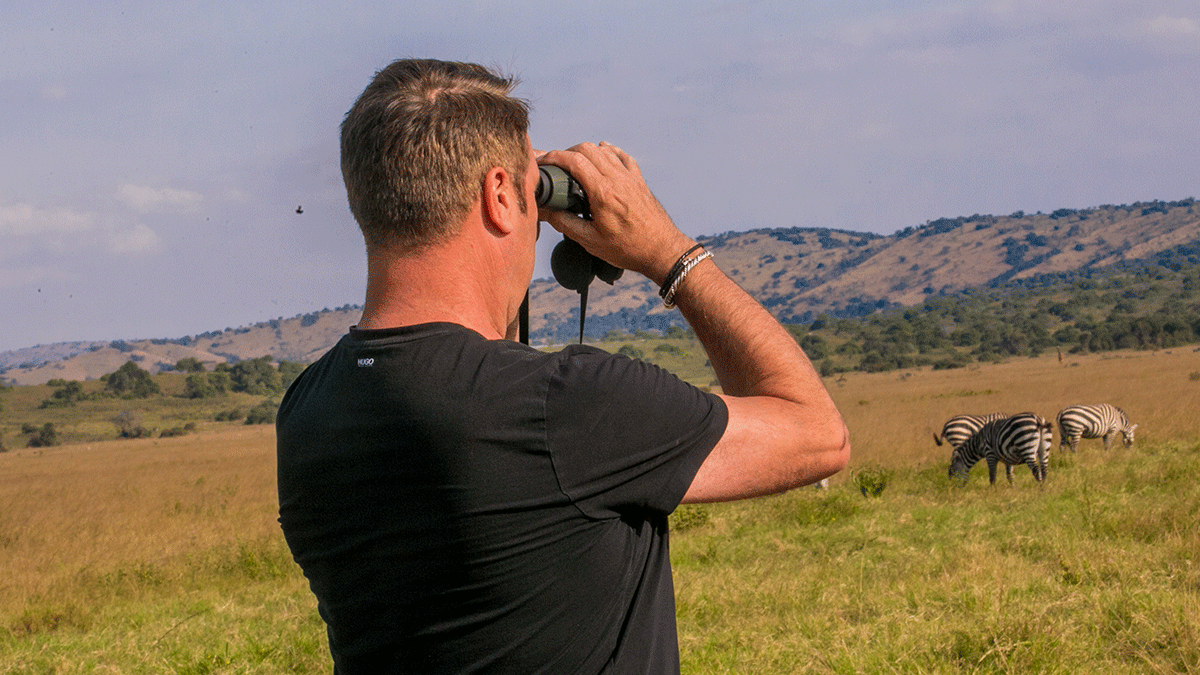
Big Five Safari Experience: The term “Big Five” originates from the world of big-game hunting in Africa, referring to the five most challenging animals to hunt on foot: the lion, elephant, buffalo, leopard, and rhinoceros.

Today, the phrase has been reappropriated by the tourism industry to describe the thrill of spotting these iconic creatures in their natural habitats during a safari.

A Big Five safari is a bucket-list adventure for wildlife enthusiasts, offering a front-row seat to the raw beauty and power of Africa’s most majestic animals.

Lets explore  the essence of the Big Five safari experience, delving into each animal’s characteristics, the environments where they thrive, the emotional and educational impact of witnessing them, and why Uganda, specifically through Uganda Wildlife Tours, is an exceptional destination for this adventure.

The Big Five Animals in Africa: A Closer Look

Lion (Panthera leo)
The lion, often called the “king of the jungle,” embodies raw power and social complexity. Lions live in prides, typically consisting of related females, their cubs, and a few males.

Observing a pride in action—whether they’re lounging under an acacia tree, nurturing their young, or coordinating a hunt—is a mesmerizing experience.

Their roars, audible up to 8 kilometers away, send chills down the spine, a reminder of their dominance in the savanna.

On a safari, spotting a lion’s golden mane glinting in the sunlight or witnessing a hunt at dusk is a highlight, showcasing their strength and strategic prowess.

Elephant (Loxodonta africana)
African elephants are the largest land mammals, with males weighing up to 14,000 pounds. Their intelligence, emotional depth, and intricate social structures make them endlessly fascinating.

Watching a herd move gracefully through the savanna, flapping their massive ears to cool off or spraying water with their trunks, feels like stepping into a documentary.

Elephants are also ecosystem engineers, shaping their environment by clearing paths and dispersing seeds.

Their gentle demeanor contrasts with their immense size, creating a profound connection for observers.

Buffalo (Syncerus caffer)
The African buffalo, often underestimated, is a formidable creature known for its unpredictable temperament and herd mentality.

These robust animals, with their curved horns and massive bodies, often travel in groups of hundreds, creating a spectacle of dust and movement.

Buffaloes are known for their loyalty, fiercely protecting their young or injured members from predators.

Spotting a herd grazing or wallowing in mud is a testament to their resilience and collective strength, though their piercing stares can make even the bravest safari-goer feel small.

Leopard (Panthera pardus)
Leopards are the epitome of stealth and solitude. Their spotted coats blend seamlessly with the foliage, making them the hardest of the Big Five to spot.

A leopard draped over a tree branch, its tail flicking lazily, or silently stalking prey is a sight that demands patience and luck.

Their elusive nature adds an element of suspense to safaris, as guides often rely on tracks or rustling leaves to locate them.

When you finally lock eyes with a leopard, its piercing gaze feels like a rare privilege, a moment of connection with one of nature’s most enigmatic predators.

Rhinoceros (Ceratotherium simum / Diceros bicornis)
Rhinos, both white and black species, are armored giants facing severe threats from poaching. Their prehistoric appearance, with thick skin and prominent horns, makes them a symbol of resilience.

White rhinos are grazers, often seen with their heads lowered to the grass, while black rhinos are browsers, more solitary and harder to spot. Encountering a rhino on a safari is bittersweet, as their dwindling numbers (fewer than 27,000 remain in the wild) underscore the urgency of conservation.

Watching one lumber across the savanna is a humbling reminder of humanity’s responsibility to protect these creatures.

The Big Five Safari Experience

A Big Five safari is more than just ticking off a checklist; it’s an immersive journey into the heart of Africa’s ecosystems. Safaris typically involve game drives in open 4×4 vehicles, guided walks, or even boat trips, depending on the region.

The experience begins at dawn, when the savanna awakens with the calls of birds and the rustle of wildlife.

The air is crisp, the light golden, and every moment holds the promise of discovery. Expert guides, often local to the area, share their knowledge of animal behavior, tracks, and ecosystems, transforming each sighting into a story of survival and adaptation.

The emotional impact of a Big Five safari is profound. There’s a primal thrill in being meters away from a lion’s roar or watching an elephant tenderly nudge its calf.

The unpredictability of wildlife—whether a leopard suddenly appears or a buffalo herd stampedes—keeps adrenaline levels high.

Yet, there’s also a meditative quality to the experience, as hours spent scanning the horizon foster a deep appreciation for nature’s rhythms. Safaris also educate travelers about conservation challenges, such as poaching and habitat loss, inspiring a commitment to protect these species.

Why Uganda?

While countries like Kenya, Tanzania, and South Africa are renowned for Big Five safaris, Uganda offers a unique and less crowded alternative.

Known as the “Pearl of Africa,” Uganda combines stunning biodiversity, dramatic landscapes, and a commitment to conservation, making it an ideal destination for an authentic safari experience. Here’s why Uganda stands out, particularly through the lens of Uganda Wildlife Tours:

  • Diverse National Parks
    Uganda is home to ten national parks, several of which are prime Big Five habitats. Murchison Falls National Park, the country’s largest, is a haven for lions, elephants, buffaloes, and leopards, with the dramatic Murchison Falls adding a scenic backdrop. Queen Elizabeth National Park is renowned for its tree-climbing lions and vast buffalo herds, while Kidepo Valley National Park, a remote gem, offers intimate wildlife encounters with fewer tourists. Ziwa Rhino Sanctuary is a conservation success story, where white rhinos are protected and monitored, offering a rare chance to see these endangered giants up close.
  • Unique Biodiversity
    Beyond the Big Five, Uganda’s ecosystems support over 1,000 bird species, mountain gorillas, chimpanzees, and rare antelopes like the Uganda kob. This diversity enriches the safari experience, as a single trip might include spotting a leopard in the morning and tracking chimps in the afternoon. Uganda’s varied landscapes—savannas, wetlands, forests, and mountains—create a dynamic backdrop for wildlife viewing.
  • Conservation and Community Focus
    Uganda has made significant strides in wildlife conservation, particularly for rhinos and gorillas. The Ziwa Rhino Sanctuary, for example, has successfully reintroduced rhinos to the wild, while community-based tourism initiatives ensure that local people benefit from safari revenue. Uganda Wildlife Tours partners with local communities, providing authentic cultural experiences alongside wildlife adventures, such as visits to traditional villages or craft markets.
  • Less Crowded, More Authentic
    Unlike more commercialized safari destinations, Uganda offers a sense of discovery. Its parks are less crowded, allowing for intimate wildlife encounters and a deeper connection with nature. Uganda Wildlife Tours specializes in small-group or private safaris, ensuring personalized attention and flexibility to tailor the experience to your interests.
  • Additional Adventures
    Uganda’s Big Five safari can be combined with other iconic experiences, such as gorilla trekking in Bwindi Impenetrable National Park or chimpanzee tracking in Kibale Forest. The Nile River offers boat safaris, where you can spot hippos, crocodiles, and waterbirds, adding variety to your journey. Uganda Wildlife Tours seamlessly integrates these activities into their itineraries, creating a comprehensive adventure.

Best safari in Africa to see the Big 5

Among the exceptional offerings from Uganda Wildlife Tours, the 10-Day Ultimate Big Five & Primate Safari stands out as the best safari in Africa for seeing the Big Five, delivering a comprehensive and unforgettable adventure. Learm more about it: https://ugandawildlifetours.com/10-days-uganda-safari/

Why Choose Uganda Wildlife Tours?

Uganda Wildlife Tours is a premier operator dedicated to showcasing Uganda’s natural wonders with professionalism and passion. Here’s why you should book your Big Five safari with them:

  • Expert Guides: Their guides are highly trained, with deep knowledge of Uganda’s wildlife and ecosystems. Many are locals who bring personal stories and cultural insights, enhancing the experience.
  • Customized Itineraries: Whether you’re a photographer seeking the perfect leopard shot or a family wanting a relaxed pace, Uganda Wildlife Tours tailors trips to your needs, from luxury lodges to budget-friendly camps.
  • Conservation Commitment: The company supports sustainable tourism, contributing to park maintenance and anti-poaching efforts. Your trip directly supports the protection of the Big Five.
  • All-Inclusive Packages: From airport transfers to meals and park fees, their packages cover every detail, allowing you to focus on the adventure.
  • Safety and Comfort: With well-maintained vehicles, experienced drivers, and a focus on traveler safety, Uganda Wildlife Tours ensures a seamless experience, even in remote areas.

Conclusion: Embark on Your Big Five Adventure with Uganda Wildlife Tours

A Big Five safari is a transformative experience, blending adrenaline, awe, and a renewed respect for nature. Uganda, with its pristine parks, diverse wildlife, and authentic charm, offers an unparalleled setting for this adventure.

By choosing Uganda Wildlife Tours, you’re not just booking a trip—you’re investing in a journey that supports conservation, celebrates local culture, and delivers memories that last a lifetime.

Imagine locking eyes with a leopard, hearing a lion’s roar echo through the savanna, or watching a rhino graze under a crimson sunset. These moments await you in Uganda, a destination where the wild heart of Africa beats strong.

Visit Uganda Wildlife Tours’ website today to plan your Big Five safari and step into a world where nature reigns supreme. Don’t just dream of Africa—experience it with Uganda Wildlife Tours.


Luxury African safari cost

Comprehensive Guide Luxury African safari cost, Uganda

Luxury African safari cost: Learn the cost of a luxury African safari, including premium lodges, private game drives, and exclusive experiences. Discover price ranges and what’s included in a high-end safari package.

A luxury Uganda safari is defined by exclusivity, comfort, and immersive experiences, featuring private transfers, top-tier lodges, and curated activities like gorilla trekking in Bwindi Impenetrable National Park, chimpanzee tracking in Kibale Forest, and Big Five game drives in Kidepo Valley or Murchison Falls National Park.

Uganda’s compact geography allows travelers to explore rainforests, savannas, wetlands, and mountains within a single trip, all while enjoying gourmet dining, spa treatments, and personalized guiding.

Costs for a luxury safari range from $8,000-$25,000+ per person for 7-14 days, driven by premium accommodations, chartered flights, and multiple permits.

Detailed Cost Breakdown for a Luxury Uganda Safari

Luxury safari costs vary by duration and inclusions. Below is a breakdown for a 10-day luxury safari (ideal for comprehensive coverage) and a 14-day luxury safari, assuming two people sharing accommodations.

Permits and Park Fees: 

  • Gorilla Trekking Permit: $800 per person per trek (Bwindi/Mgahinga). A luxury itinerary often includes 1-2 treks.
  • Gorilla Habituation Experience: $1,500 per person (Bwindi, 4 hours with gorillas, exclusive to 4 people).
  • Chimpanzee Trekking Permit: $250-$300 per person (Kibale/Budongo).
  • Park Entry Fees: $40-$45/day per person (e.g., Murchison Falls: $45; Queen Elizabeth: $40). A 10-14 day safari visiting 3-5 parks costs $400-$600.
  • Ziwa Rhino Sanctuary: $60 per person for rhino tracking.
  • Total (10 Days): $1,350-$2,600 (1 gorilla trek, 1 chimp trek, park fees).
  • Total (14 Days): $2,150-$4,100 (2 gorilla treks, 1 habituation, 1 chimp trek, park fees).

 Accommodation:

Luxury lodges offer all-inclusive packages (meals, drinks, select activities):

  • Examples: Sanctuary Gorilla Forest Camp (Bwindi, $600-$1,200/night), Apoka Safari Lodge (Kidepo, $700-$1,500/night), Paraa Safari Lodge (Murchison, $400-$800/night).
  • Cost: $400-$1,500+/night per person, averaging $700-$1,000.
  • Total (10 Nights): $7,000-$10,000 per person.
  • Total (14 Nights): $9,800-$14,000 per person.

Transportation:

  • Chartered Flights: $600-$2,000 per person per leg (e.g., Entebbe to Bwindi: $600-$1,200). A 10-14 day itinerary typically includes 2-3 flights ($1,200-$6,000 total).
  • Private 4×4 Vehicles: $150-$300/day, including driver-guide, fuel, and amenities. Average $1,500-$4,200 for 10-14 days.
  • Total (10 Days): $2,700-$5,400 per person (2 flights, private vehicle).
  • Total (14 Days): $3,300-$7,200 per person (3 flights, private vehicle).

Meals and Drinks:

  • Cost: Included in luxury lodge rates, featuring gourmet multi-course meals, premium wines, and cocktails. Additional costs for off-site dining or special requests: $50-$150/day.
  • Total (10 Days): $500-$1,500 per person.
  • Total (14 Days): $700-$2,100 per person.

Additional Costs:

  • International Flights: $800-$2,400 round-trip to Entebbe, depending on origin and season.
  • Visa: $50 for Uganda tourist visa; $100 for East Africa Tourist Visa (Uganda, Rwanda, Kenya).
  • Tips: $20-$50/day per staff (guides, drivers, lodge staff), totaling $300-$700 for 10-14 days.
  • Optional Activities: Hot air ballooning ($350-$500), white-water rafting in Jinja ($100-$150), private cultural dinners ($100-$200).
  • Travel Insurance: $150-$400, covering high-altitude trekking and remote travel.
  • Total (10-14 Days): $1,500-$4,350 per person.

Estimated Costs for a Luxury Uganda Safari (Per Person, Sharing)

Category 10-Day Safari 14-Day Safari
Permits and Fees $1,350-$2,600 $2,150-$4,100
Accommodation $7,000-$10,000 $9,800-$14,000
Transportation $2,700-$5,400 $3,300-$7,200
Meals and Drinks $500-$1,500 $700-$2,100
Additional Costs $1,500-$3,350 $1,700-$4,350
Total (Excl. Int’l Flights) $12,050-$22,850 $17,650-$31,750
Total (Incl. Int’l Flights) $12,850-$25,250 $18,450-$34,150

Note: Costs assume two people sharing. International flights vary by origin.

What Makes a Uganda Safari “Luxury”?

A luxury safari in Uganda stands out due to:

  • Exclusive Accommodations: Stay in award-winning lodges like Clouds Mountain Gorilla Lodge (Bwindi), Apoka Safari Lodge (Kidepo), or Paraa Safari Lodge (Murchison), offering private verandas, infinity pools, and gourmet cuisine.
  • Private Transfers: Use chartered flights or private 4×4 vehicles with Wi-Fi and air-conditioning for comfort and efficiency.
  • Personalized Itineraries: Tailored schedules with private guides, flexible timings, and exclusive activities like gorilla habituation experiences.
  • Premium Activities: Combine gorilla trekking ($800 permit), chimpanzee tracking ($250-$300), and hot air ballooning ($350-$500) with cultural visits and spa treatments.
  • Conservation Focus: High-end operators like Afriktrek Holidays Limited emphasize eco-luxury, with permit fees supporting gorilla conservation and community projects.

Factors Influencing the Luxury African safari cost in Uganda

Several variables determine the cost of a luxury Uganda safari:

  • Duration: 7-14 days is typical, with longer trips increasing costs due to additional permits, flights, and lodging.
  • Permits and Fees: Gorilla trekking ($800), chimpanzee trekking ($250-$300), and gorilla habituation ($1,500) permits are mandatory for primate-focused safaris. Park entry fees ($40-$45/day) add up across multiple parks.
  • Accommodation: Luxury lodges cost $400-$1,500+/night per person, often including meals, drinks, and activities.
  • Transportation: Chartered flights ($600-$2,000 per person per leg) to remote parks like Bwindi or Kidepo are common, supplemented by private 4×4 vehicles ($150-$300/day).
  • Season: Dry seasons (June-August, December-February) have peak lodge rates and permit demand; wet seasons (March-May, October-November) offer slight discounts but challenging conditions.
  • Additional Services: Private guides, exclusive experiences (e.g., hot air ballooning, private dinners), and tips ($20-$50/day per staff) elevate costs.

 What to Expect on a Luxury Uganda Safari

A luxury Uganda safari offers unparalleled comfort and exclusivity. Here’s a sample itinerary and key experiences:

Sample 10-Day Luxury Itinerary

  • Day 1: Entebbe: Arrive, stay at Hotel No. 5 ($400-$600/night), enjoy a private dinner.
  • Days 2-3: Murchison Falls National Park: Charter flight to Paraa Safari Lodge ($400-$800/night), private game drives (lions, elephants), Nile boat cruise, hot air ballooning ($400).
  • Days 4-5: Kibale Forest National Park: Fly to Kyaninga Lodge ($500-$1,000/night), private chimpanzee trekking, Bigodi Wetlands tour, spa treatments.
  • Days 6-8: Bwindi Impenetrable National Park: Fly to Sanctuary Gorilla Forest Camp ($600-$1,200/night), gorilla trekking (1-2 treks), optional habituation experience, Batwa cultural dinner.
  • Days 9-10: Queen Elizabeth National Park: Drive to Mweya Safari Lodge ($400-$800/night), private game drives (tree-climbing lions), Kazinga Channel boat cruise, return to Entebbe.

 Sample 14-Day Luxury Itinerary

  • Days 1-2: Entebbe and Jinja (rafting on the Nile, Latitude 0 Degrees Lodge).
  • Days 3-5: Kidepo Valley National Park (Apoka Safari Lodge, private game drives, Karamojong cultural visit).
  • Days 6-8: Murchison Falls and Ziwa Rhino Sanctuary (rhino tracking, Nile cruise).
  • Days 9-11: Kibale and Queen Elizabeth (chimpanzee trekking, Kazinga Channel cruise).
  • Days 12-14: Bwindi and Lake Bunyonyi (gorilla trekking, relaxation at Birdnest Resort).

Key Experiences

  • Gorilla Trekking: Private hikes (1-7 hours) in Bwindi with exclusive groups (4-8 people), 99% sighting rate, guided by elite trackers.
  • Chimpanzee Trekking: Intimate treks in Kibale, often with private guides, observing chimps and other primates.
  • Big Five Safaris: Private game drives in Kidepo or Murchison, targeting lions, leopards, elephants, buffalo, and rhinos (Ziwa).
  • Luxury Amenities: Gourmet meals, private butlers, spa treatments, and sundowners in the bush.
  • Cultural Immersion: Exclusive visits to Batwa or Karamojong communities, with private performances or dinners.

Best Time to Visit

  • Dry Seasons (June-August, December-February): Optimal for trekking and wildlife viewing, but peak rates. Book 9-12 months in advance.
  • Wet Seasons (March-May, October-November): Slight discounts (10-20%), fewer crowds, but muddy trails. Luxury lodges remain comfortable year-round.

Planning a Luxury Uganda Safari

Booking and Logistics

  • Permits: Book gorilla ($800), chimpanzee ($250-$300), or habituation ($1,500) permits 9-12 months in advance via operators like Afriktrek Holidays Limited or the Uganda Wildlife Authority (UWA).
  • Accommodation: Reserve luxury lodges early, especially in dry seasons, to secure prime locations (e.g., Clouds Mountain Gorilla Lodge books out fast).
  • Transportation: Charters (AeroLink, Fly Uganda) save time; private 4x4s ensure comfort on road transfers.
  • Packing List:
    • High-quality hiking boots, lightweight rain gear, neutral-colored clothing.
    • Binoculars, high-end camera (no flash), sunscreen, insect repellent.
    • Evening wear for lodge dinners, personal toiletries for remote areas.
  • Visa: $50 for Uganda tourist visa; $100 for East Africa Tourist Visa. Yellow fever vaccination certificate mandatory.

 Health and Safety

  • Vaccinations: Yellow fever required; malaria prophylaxis, hepatitis recommended.
  • Safety: Uganda is safe for tourists, with private armed escorts in parks like Bwindi or Kidepo.
  • Insurance: Comprehensive travel insurance ($150-$400) covering trekking, flights, and medical evacuation is essential.

Budget Optimization

  • Travel in shoulder months (late May, September, November) for slight discounts.
  • Limit chartered flights to key parks (e.g., Bwindi, Kidepo) to balance cost and convenience.
  • Book through operators like Afriktrek for exclusive lodge deals and bundled permits.

 Why Choose Afriktrek Holidays Limited fr your Uganda Luxury Safaris

Afriktrek Holidays Limited, a leading Uganda-based tour operator, is the perfect partner for your luxury safari. Here’s why:

Unmatched Expertise:

With years of experience in East Africa, Afriktrek’s guides are experts in Uganda’s wildlife, culture, and luxury travel. They craft bespoke itineraries, ensuring private gorilla treks, exclusive game drives, and cultural experiences tailored to your preferences. Their 99% primate sighting rate reflects their elite tracking skills.

Premium Itineraries:

Afriktrek offers curated luxury packages:

  • 10-Day Luxury Primate and Wildlife Safari: $12,000-$20,000, including Bwindi gorilla trekking, Kibale chimpanzees, and Kidepo game drives.
  • 14-Day Ultimate Luxury Uganda Adventure: $18,000-$30,000, covering all major parks, chartered flights, and exclusive cultural dinners.
  • 7-Day Gorilla and Savanna Escape: $8,000-$15,000, focusing on Bwindi and Queen Elizabeth.

 Eco-Luxury Commitment:

Afriktrek prioritizes sustainability, with permit fees funding gorilla conservation and partnerships with lodges like Sanctuary Gorilla Forest Camp supporting eco-initiatives. Their private tours minimize environmental impact while uplifting local communities through cultural visits.

Seamless Service:

Praised on TripAdvisor and SafariBookings, Afriktrek delivers impeccable service, handling permits, charters, and lodge bookings with precision. Private butlers, 24/7 support, and dietary accommodations ensure a flawless experience.

 Exclusive Access:

Afriktrek secures prime lodge rooms, rare habituation permits, and private park access, offering experiences unavailable through larger operators. Their multi-country options (e.g., Rwanda’s Volcanoes, Kenya’s Maasai Mara) enhance your safari.

Best Uganda Safari Tours

Comprehensive Guide to the Best Uganda Safari Tours

Discover the best Uganda safari tours with Uganda Wildlife Tours, a daughter company of Afriktrek Holidays Limited! Experience gorilla trekking, Big Five safaris, and cultural adventures in Uganda’s stunning national parks. Book your eco-friendly safari now!

Uganda, dubbed the “Pearl of Africa,” is a premier destination for safari enthusiasts, offering a diverse range of wildlife, landscapes, and cultural experiences.

From gorilla trekking in Bwindi Impenetrable National Park to Big Five safaris in Kidepo Valley, Uganda’s national parks provide unforgettable adventures.

Introduction to Best Uganda Safari Tours

Uganda’s safari tours offer a unique blend of primate encounters, Big Five game drives, and cultural immersion, set against stunning landscapes of rainforests, savannas, and lakes.

Home to over half the world’s mountain gorillas, 10 national parks, and a rich biodiversity, Uganda is ideal for travelers seeking both adventure and conservation-focused experiences.

Safaris range from budget-friendly to luxurious, with activities like gorilla and chimpanzee trekking, game drives, boat cruises, and birdwatching.

Uganda’s accessibility, affordability (compared to Rwanda), and commitment to sustainable tourism make it a top safari destination.

Types of Uganda Safari Tours

Uganda safari tours cater to various interests, budgets, and durations. Below are the main types offered by operators like Uganda Wildlife Tours:

Gorilla Trekking Safaris

This focuses on tracking mountain gorillas in Bwindi or Mgahinga, with one-hour encounters.

Examples:

  • 3-Day Bwindi Gorilla Trek: Includes one gorilla trek, transfers from Kampala, and a Batwa cultural visit.
  • 4-Day Gorilla and Lake Bunyonyi: Combines gorilla trekking with relaxation at Uganda’s deepest lake.
  • Cost: $1,200-$2,500 (including $800 permit).
  • Best For: Wildlife enthusiasts seeking a bucket-list primate experience.

Chimpanzee Trekking Safaris

Center on Kibale Forest or Budongo Forest for chimpanzee trekking or habituation experiences.

Examples:

  • 3-Day Kibale Chimpanzee Trek: Includes one chimpanzee trek and a Big Five game drive in Queen Elizabeth National Park.
  • 5-Day Chimpanzee and Gorilla Safari: Combines Kibale and Bwindi for dual primate encounters.
  • Cost: $1,000-$3,000 (including $250-$300 permits).
  • Best For: Primate lovers wanting shorter, less strenuous treks.

Big Five and Wildlife Safaris

Focus on classic game drives in parks like Kidepo, Murchison Falls, or Queen Elizabeth, targeting lions, leopards, elephants, buffalo, and rhinos (in Ziwa Rhino Sanctuary).

Examples:

  • 5-Day Murchison Falls Safari: Includes game drives, a boat cruise, and a rhino trek at Ziwa.
  • 7-Day Kidepo and Murchison Adventure: Combines remote Kidepo with Murchison’s falls and wildlife.
  • Cost: $1,500-$4,000.
  • Best For: Travelers seeking traditional African safaris.

Combined Primate and Big Five Safaris

This blends gorilla/chimpanzee trekking with game drives and boat cruises for a comprehensive experience.

Examples:

  • 7-Day Uganda Primate and Wildlife Safari: Includes gorilla trekking in Bwindi, chimpanzee trekking in Kibale, and game drives in Queen Elizabeth.
  • 12-Day Uganda and Rwanda Safari: Combines Uganda’s gorillas and Big Five with Rwanda’s Volcanoes National Park.
  • Cost: $3,000-$7,000.
  • Best For: Those wanting a holistic Uganda experience.

Cultural and Adventure Safaris

This Integrate wildlife with cultural visits (e.g., Buganda Kingdom, Karamojong villages) or adventure activities like white-water rafting on the Nile or Rwenzori hiking.

Examples:

  • 6-Day Gorilla and Cultural Safari: Includes Bwindi gorilla trekking and visits to the Buganda Kingdom’s Kasubi Tombs.
  • 10-Day Uganda Adventure Safari: Combines gorilla trekking, rafting in Jinja, and Rwenzori hiking.
  • Cost: $2,000-$6,000.
  • Best For: Travelers seeking cultural immersion and adrenaline-pumping activities.

 Key Safari Destinations in Uganda

Uganda’s 10 national parks and numerous wildlife reserves offer diverse safari experiences. Below are the top destinations for Uganda safari tours:

Bwindi Impenetrable National Park

  • Overview: A UNESCO World Heritage Site, Bwindi is home to over 400 mountain gorillas, half the global population. Its dense, misty forests host 18 habituated gorilla families across four sectors (Buhoma, Ruhija, Rushaga, Nkuringo).
  • Activities: Gorilla trekking ($800 permit), gorilla habituation experience ($1,500 permit, 4 hours with gorillas), birdwatching (350+ bird species), Batwa Pygmy cultural tours.
  • Why Visit: The ultimate destination for gorilla trekking, with a 99% sighting success rate. Combine with nearby Lake Bunyonyi for relaxation.
  • Challenges: Steep, muddy terrain requires moderate fitness; 8-10 hour drive from Kampala (charter flights available).

Kibale Forest National Park

  • Overview: Known as the “Primate Capital of the World,” Kibale hosts 1,500 chimpanzees and 12 other primate species, including red colobus and L’Hoest’s monkeys.
  • Activities: Chimpanzee trekking ($250 permit), chimpanzee habituation experience ($300 permit), night walks, birdwatching (375 species).
  • Why Visit: Ideal for primate enthusiasts; shorter treks (1-4 hours) compared to gorilla trekking.
  • Challenges: Limited permits (book 6-12 months in advance); wet seasons (March-May, October-November) can make trails slippery.

Queen Elizabeth National Park

  • Overview: Spanning 1,978 km², this park offers savanna landscapes, the Kazinga Channel, and diverse wildlife, including four of the Big Five (lion, leopard, elephant, buffalo).
  • Activities: Game drives, boat cruises on Kazinga Channel (hippos, crocodiles), chimpanzee trekking in Kyambura Gorge, tree-climbing lions in Ishasha sector.
  • Why Visit: Combines classic savanna safaris with primate experiences; accessible from Bwindi (3-4 hour drive).
  • Challenges: No rhinos; occasional security advisories in remote areas.

Murchison Falls National Park

  • Overview: Uganda’s largest park (3,840 km²) features the dramatic Murchison Falls, where the Nile River plunges through a narrow gorge.
  • Activities: Game drives (giraffes, lions, elephants), boat cruises to the falls (hippos, Nile crocodiles), hiking to the top of the falls, chimpanzee trekking in Budongo Forest.
  • Why Visit: Offers a mix of Big Five safaris and scenic adventures; 5-6 hour drive from Kampala.
  • Challenges: Longer travel time; no gorillas.

Kidepo Valley National Park

  • Overview: A remote, pristine wilderness in northeastern Uganda, Kidepo is renowned for its rugged beauty and abundant wildlife, including cheetahs, ostriches, and all Big Five.
  • Activities: Game drives, cultural visits to Karamojong communities, nature walks.
  • Why Visit: Less crowded, offering an exclusive safari experience; voted Africa’s third-best park by CNN Travel.
  • Challenges: Remote location (12-14 hour drive from Kampala; charter flights recommended).

Other Notable Destinations

  • Mgahinga Gorilla National Park: Smaller than Bwindi, offers gorilla trekking ($800 permit) and golden monkey tracking, plus volcano hikes in the Virunga Massif.
  • Lake Mburo National Park: Ideal for short safaris (4-hour drive from Kampala), with zebras, impalas, and boat trips on Lake Mburo.
  • Rwenzori Mountains National Park: Known for mountaineering and hiking, with peaks like Margherita (5,109m) and unique alpine flora.

 What to Expect on a Uganda Safari Tour

Preparation and Requirements:

  • Permits: Gorilla trekking ($800), chimpanzee trekking ($250-$300), gorilla habituation ($1,500). Book 6-12 months in advance via tour operators or the Uganda Wildlife Authority (UWA).
  • Fitness Level: Gorilla treks (1-7 hours) require moderate fitness due to steep, muddy terrain. Chimpanzee treks and game drives are less strenuous.
  • Age Limits: 15+ for gorilla/chimpanzee trekking; no limit for game drives or boat cruises.
  • Health Rules: Maintain 7-meter distance from primates; no trekking if sick. Yellow fever vaccination mandatory; malaria prophylaxis recommended.
  • Group Size: 8 per gorilla/chimpanzee group; game drives typically 4-8 people.

The Safari Experience:

  • Gorilla/Chimpanzee Trekking: Early morning briefings, guided hikes through forests, one-hour primate encounters, photography (no flash).
  • Game Drives: Dawn or dusk drives in 4×4 vehicles with pop-up roofs for optimal wildlife viewing.
  • Boat Cruises: Scenic trips on Kazinga Channel or the Nile, spotting hippos, crocodiles, and birds.
  • Cultural Visits: Engage with local communities like the Batwa or Karamojong, learning crafts, dances, or history.

Best Time to Visit:

  • Dry Seasons (June-September, December-February): Easier trails, better wildlife viewing, but peak season crowds and higher lodge rates.
  • Wet Seasons (March-May, October-November): Fewer tourists, lower costs, but muddy trails. Gorillas/chimpanzees may be closer to trailheads, shortening treks.

Planning Your Uganda Safari Tour

Booking and Logistics

  • Permits: Secure through operators like Uganda Wildlife Tours or UWA. Early booking is critical for gorilla/chimpanzee permits.
  • Accommodations: Range from budget camps (e Fr$30/night) to luxury lodges like Clouds Mountain Gorilla Lodge ($500+/night).
  • Transportation: 4×4 safari vehicles for road trips; charter flights for remote parks like Kidepo or Bwindi.

Packing List:

  • Lightweight, moisture-wicking clothing, sturdy hiking boots, rain gear.
  • Insect repellent, sunscreen, binoculars, camera (no flash).
  • Reusable water bottle, daypack for treks.
  • Visa: $50 for a 30-day tourist visa (online or on arrival). East Africa Tourist Visa ($100) covers Uganda, Rwanda, Kenya.

Health and Safety

  • Vaccinations: Yellow fever mandatory; consult for malaria, hepatitis, etc.
  • Safety: Uganda is generally safe for tourists. Armed rangers accompany treks in remote areas like Bwindi or Kidepo.
  • Insurance: Comprehensive travel insurance covering trekking and remote travel is essential.

Budget Considerations

  • Permits: $800 (gorilla), $250-$300 (chimpanzee), $40-$50 (park entry per day).
  • Tour Costs: $1,000-$7,000+ based on duration, lodging, and inclusions.
  • Extras: Tips ($10-$20 per guide/porter), souvenirs, optional activities.

 Top Uganda Safari Tour Operators

Choosing a reputable operator ensures a seamless safari. Notable operators include:

  • Uganda Wildlife Tours (Afriktrek Holidays Limited): Specializes in customized gorilla, chimpanzee, and Big Five safaris, with a focus on sustainability and cultural immersion.
  • Hail Tours Uganda: Offers budget and luxury safaris across Uganda and Rwanda.
  • All Uganda Safaris: Focuses on eco-friendly tours, combining primates and wildlife.
  • Maranatha Tours & Travel: Known for affordable, tailored safaris with excellent guides.

Why Choose Uganda Wildlife Tours

Uganda Wildlife Tours, a trusted subsidiary of Afriktrek Holidays Limited, is the ideal partner for your Uganda safari adventure. Here’s why:

Local Expertise and Customization

Based in Uganda, Uganda Wildlife Tours leverages deep regional knowledge to craft personalized safaris. Their guides, fluent in local wildlife and culture, ensure authentic experiences, from tracking gorillas in Bwindi to spotting lions in Kidepo. They offer tailored itineraries, such as:

  • 3-Day Bwindi Gorilla Trek: $1,200-$1,800, including permit, transfers, and mid-range lodging.
  • 7-Day Primate and Wildlife Safari: $3,500, covering gorilla and chimpanzee trekking, plus Queen Elizabeth game drives.
  • 12-Day Ultimate Uganda Safari: $6,000, combining Bwindi, Kibale, Kidepo, and cultural visits.

Commitment to Sustainability

Uganda Wildlife Tours prioritizes eco-tourism, supporting conservation through permit fees and partnering with local communities like the Batwa. Their eco-friendly vehicles and lodges minimize environmental impact, ensuring your safari contributes to gorilla and wildlife preservation.

Affordable and Transparent Pricing

Their packages are competitively priced, with clear inclusions (permits, lodging, transfers) and no hidden fees. Early permit bookings guarantee availability, even in peak seasons.

Comprehensive Itineraries

From short gorilla treks to multi-destination adventures, their tours cover Uganda’s highlights. They seamlessly integrate primate trekking, Big Five safaris, boat cruises, and cultural experiences, with options to extend into Rwanda or Kenya.

Exceptional Service

With glowing reviews on TripAdvisor and SafariBookings, Uganda Wildlife Tours is praised for its responsive customer service, expert guides, and hassle-free logistics. They handle everything—permits, transfers, and dietary needs—ensuring a stress-free experience.

High Success Rate

Boasting a 99% gorilla and chimpanzee sighting rate, their experienced trackers maximize your wildlife encounters. Small-group tours (4-8 people) ensure an intimate, crowd-free experience.

Conclussion

Uganda’s safari tours offer an unparalleled mix of gorilla and chimpanzee trekking, Big Five game drives, and cultural immersion, set against diverse landscapes from rainforests to savannas.

Whether exploring Bwindi’s gorillas, Kibale’s chimpanzees, or Kidepo’s pristine wilderness, Uganda delivers transformative wildlife experiences.

By choosing Uganda Wildlife Tours, you ensure a sustainable, personalized, and unforgettable adventure backed by local expertise and a commitment to conservation. Book your Uganda safari today and discover why the Pearl of Africa is a must-visit destination for wildlife lovers.

Best time to visit Rwanda and Uganda

Best time to visit Rwanda and Uganda for safari and trekking

Discover the best time to visit Rwanda and Uganda for wildlife safaris, gorilla trekking, and scenic adventures. Find out when to enjoy the best weather and unforgettable experiences.

Planning a safari and trekking adventure in Rwanda and Uganda is a thrilling opportunity to experience some of Africa’s most iconic wildlife and landscapes, including mountain gorilla trekking, chimpanzee tracking, and classic game drives.

The timing of your visit significantly impacts the experience due to seasonal weather patterns, trail conditions, wildlife visibility, and permit availability.

Overview of Safari and Trekking in Rwanda and Uganda

Rwanda and Uganda, nestled in East Africa, are renowned for their biodiversity and conservation efforts. Rwanda’s Volcanoes National Park and Uganda’s Bwindi Impenetrable Forest and Mgahinga Gorilla National Park are premier destinations for mountain gorilla trekking, while Nyungwe Forest (Rwanda) and Kibale Forest (Uganda) offer chimpanzee tracking.

Both countries also feature savannah parks like Akagera (Rwanda) and Queen Elizabeth and Murchison Falls (Uganda) for classic safaris, where you can spot lions, elephants, buffalo, and more.

The climate in both countries is equatorial, tempered by high altitudes (1,000–2,500 meters), resulting in warm days (70–86°F / 21–30°C) and cool nights (50–69°F / 10–20°C).

Weather patterns include two dry seasons (June–September and December–February) and two rainy seasons (March–May and October–November).

These seasons influence trekking conditions, wildlife visibility, and tourist crowds, making timing a critical factor.

Best Time to Visit: Dry Seasons (June–September and December–February)

The dry seasons are the optimal times for safari and trekking in Rwanda and Uganda due to favorable weather, easier trails, and better wildlife viewing. Here’s a detailed look at each period:

June to September: Long Dry Season

  • Weather: This is the driest period, with minimal rainfall (93–150 mm/month) and clear skies. Temperatures range from 67–78°F (19–25°C) in gorilla trekking areas like Bwindi and Volcanoes National Park. Light cloud cover often moderates heat, making trekking comfortable.
  • Trekking Conditions: Trails in rainforests (Bwindi, Volcanoes, Nyungwe, Kibale) are drier and less muddy, simplifying gorilla and chimpanzee treks. The terrain in Bwindi’s steep, dense forest or Volcanoes’ bamboo zones is more navigable.
  • Safari Conditions: In savannah parks (Akagera, Queen Elizabeth, Murchison Falls), thinner vegetation and animals gathering at water sources enhance wildlife sightings. Expect to see elephants, lions, giraffes, and hippos.
  • Pros:
    • Best hiking conditions with lower malaria risk.
    • Clear skies ideal for photography and scenic views.
    • Rwanda’s Kwita Izina gorilla-naming ceremony in September celebrates conservation.
  • Cons:
    • Peak tourist season, so gorilla permits (USD 1,500 in Rwanda, USD 800 in Uganda) and accommodations book up fast. Book 6–12 months in advance.
    • Higher prices for lodges and tours due to demand.
  • Events: Rwanda’s Film Festival (September) and Uganda’s cultural festivals add vibrancy.

December to February: Short Dry Season

  • Weather: Light showers are possible, but rainfall is low (100–200 mm/month). Daytime temperatures reach 85°F (29°C) in gorilla highlands, with cooler nights (54–69°F / 12–20°C).
  • Trekking Conditions: Trails are generally dry, though occasional rain may create minor mud. Gorilla trekking remains rewarding, with lush greenery enhancing the rainforest experience.
  • Safari Conditions: Wildlife congregates around waterholes, making game drives productive. February is ideal for birdwatching, with migratory birds present.
  • Pros:
    • Less crowded than June–September, offering a more intimate experience.
    • Good conditions for combining gorilla trekking with safaris in Murchison Falls or Akagera.
    • Lower accommodation prices compared to the long dry season.
  • Cons:
    • Christmas and New Year periods (December) see spikes in visitors, increasing costs and permit demand.
    • Light rain may occur, requiring waterproof gear.
  • Events: Uganda’s birdwatching season peaks, and Rwanda’s dry weather supports cultural tours in Kigali.

Recommendation: June–September is the best overall period for both trekking and safaris due to the driest conditions, but December–February is a strong alternative for fewer crowds and vibrant scenery.

Rainy Seasons: Considerations for March–May and October–November

While the dry seasons are preferred, the rainy seasons offer unique advantages, especially for budget travelers or those seeking quieter experiences. Here’s what to expect:

March to May: Long Rainy Season

  • Weather: Heavy rainfall (200–300 mm/month) creates muddy, slippery trails. Temperatures average 73°F (23°C), with high humidity.
  • Trekking Conditions: Gorilla trekking in Bwindi and Volcanoes is challenging due to dense, wet terrain. However, gorillas often stay on lower slopes where food is abundant, potentially shortening treks.
  • Safari Conditions: Savannah parks are lush, but wildlife is harder to spot due to thick vegetation. Roads may be impassable in remote areas.
  • Pros:
    • Fewer tourists, making permits and lodges more available.
    • Discounted rates on accommodations and sometimes gorilla permits in Uganda (e.g., USD 350 vs. USD 800).
    • Ideal for chimpanzee tracking in Nyungwe and Kibale, as chimps descend to lower canopies.
    • Vibrant greenery and bird breeding season (May) attract photographers and birdwatchers.
  • Cons:
    • Muddy trails increase trekking difficulty and require good fitness.
    • Higher malaria risk and need for robust rain gear.

October to November: Short Rainy Season

  • Weather: Brief, intense showers (150–250 mm/month) clear quickly, revealing blue skies. Temperatures range from 67–80°F (19–26°C).
  • Trekking Conditions: Trails are wet but less soggy than March–May. Gorilla trekking remains viable, with shorter treks possible.
  • Safari Conditions: Greenery enhances park aesthetics, but wildlife sightings are less predictable. Akagera and Queen Elizabeth are still accessible.
  • Pros:
    • Lower crowds and costs, with some lodges offering discounts.
    • Excellent for photography due to lush landscapes and dramatic skies.
    • Birdwatching thrives with migratory species.
  • Cons:
    • Unpredictable rain requires flexible itineraries.
    • Some trails may be slippery, demanding caution.

Recommendation: Rainy seasons suit budget-conscious travelers or those prioritizing chimpanzee tracking and birdwatching. Bring waterproof clothing and sturdy boots, and be prepared for flexible schedules.

Best time to visit Rwanda and Uganda

Key Activities and Seasonal Impacts

Gorilla Trekking

  • Locations: Rwanda’s Volcanoes National Park and Uganda’s Bwindi and Mgahinga National Parks.
  • Best Time: June–September and December–February for dry trails and easier hikes. Rwanda’s bamboo forests are clearer than Bwindi’s dense jungle, making trekking slightly easier year-round.
  • Permits: Rwanda: USD 1,500; Uganda: USD 800 (peak season), USD 350–450 (low season in some cases). Book early for peak seasons.
  • Tips: Expect 2–8 hours of hiking. Good fitness is essential, especially in rainy seasons.

Chimpanzee Tracking

  • Locations: Rwanda’s Nyungwe Forest and Uganda’s Kibale Forest.
  • Best Time: March–May and October–November, when chimps are lower in the canopy. Dry seasons are also good for easier trails.
  • Permits: Rwanda: USD 100–200; Uganda: USD 150–200.
  • Tips: Shorter treks (1–4 hours) than gorilla trekking. Waterproof gear is crucial in rainy seasons.

Classic Safaris

  • Locations: Rwanda’s Akagera National Park; Uganda’s Queen Elizabeth, Murchison Falls, and Kidepo Valley National Parks.
  • Best Time: June–September and December–February, when animals gather at water sources and vegetation is sparse.
  • Tips: Combine with boat safaris (e.g., Kazinga Channel, Murchison Falls) for diverse wildlife views.

Birdwatching

  • Best Time: November–April, especially March–May, for migratory birds. Over 500 species in Akagera and 400 in Uganda’s parks.
  • Tips: Bring binoculars and visit during rainy seasons for breeding displays.
  1. Costs and Budgeting
  • Gorilla Trekking: USD 1,500 (Rwanda) or USD 800 (Uganda) per permit, plus transport, guides, and porters (USD 10–20 each).
  • Chimpanzee Tracking: USD 100–200 per permit.
  • Safari Tours: Budget tours start at USD 1,980–2,346 for 5–7 days, including lodging and game drives. Luxury safaris cost USD 5,000–15,000.
  • Accommodation: Budget lodges: USD 50–100/night; mid-range: USD 150–300; luxury: USD 500–1,500. Discounts are common in rainy seasons.
  • Flights: Round-trip flights to Kigali or Entebbe from the US/Europe: USD 800–1,500.
  • Total Estimate: A 10-day trip combining gorilla trekking and safaris costs USD 3,000–7,000 (budget) or USD 10,000–20,000 (luxury), excluding flights.

Preparation Tips

  • Permits: Book gorilla permits 6–12 months in advance for peak seasons through the Rwanda Development Board (www.rdb.rw) (www.rdb.rw) or Uganda Wildlife Authority (www.ugandawildlife.org) (www.ugandawildlife.org).
  • Packing: Waterproof boots, rain jacket, long sleeves, gloves, and insect repellent. Include a hat, sunglasses, and sunscreen for safaris.
  • Fitness: Gorilla trekking requires moderate fitness for steep, uneven terrain. Practice hiking beforehand.
  • Health: Get yellow fever vaccination (mandatory) and malaria prophylaxis. Carry hand sanitizer and a first-aid kit.
  • Visas: Rwanda and Uganda offer e-visas (USD 50–100). The East African Visa (USD 100) covers both countries.
  • Travel Insurance: Cover medical emergencies and trip cancellations, especially for costly gorilla permits.

Practical Considerations

  • Crowds: June–September and December are busiest. Rainy seasons offer solitude but tougher conditions.
  • Cultural Experiences: Visit Kigali’s Genocide Memorial or Uganda’s local markets. September’s Kwita Izina in Rwanda is a highlight.
  • Combining Countries: A 2-week Rwanda–Uganda safari (starting in Kigali, ending in Entebbe) covers gorilla trekking, safaris, and cultural stops.
  • Sustainability: Choose operators supporting conservation (e.g., Nkuringo Safaris, Trek Africa Expeditions). Avoid single-use plastics.

Must Do Activities in Uganda and Rwanda

Top 10 Must Do Activities in Uganda and Rwanda: A Guide for Travelers

Must Do Activities in Uganda and Rwanda: Uganda and Rwanda, often dubbed the “Pearl of Africa” and the “Land of a Thousand Hills,” are two of East Africa’s most captivating destinations, offering a blend of thrilling wildlife encounters, breathtaking landscapes, cultural immersion, and adrenaline-pumping adventures.

For visitors with AfrikTrek Holidays Limited, these neighboring countries provide a perfect combination of accessibility, diversity, and unforgettable experiences.

From tracking mountain gorillas in misty forests to exploring vibrant savannahs and serene lakes, this guide highlights the top 10 must-do activities in Uganda and Rwanda, tailored for those seeking adventure with AfrikTrek Holidays Limited. Each activity showcases the unique charm of these nations, with practical tips to ensure a seamless journey.

  1. Gorilla Trekking in Volcanoes National Park (Rwanda) and Bwindi Impenetrable National Park (Uganda)

Gorilla trekking is the crown jewel of East African adventures, offering a rare chance to encounter endangered mountain gorillas in their natural habitat.

In Rwanda, Volcanoes National Park in Musanze is home to 12 habituated gorilla families, with permits costing $1,500 USD per person.

The trek, starting with a 7 a.m. briefing, involves hiking through lush rainforests and bamboo zones for 1–8 hours, culminating in an hour with a gorilla family.

In Uganda, Bwindi Impenetrable National Park hosts over half of the world’s mountain gorillas, with permits at $800 USD, making it a more budget-friendly option. Mgahinga Gorilla National Park in Uganda is another option, though with fewer gorilla groups.

Why It’s a Must-Do: Observing these gentle giants—silverbacks, mothers, and playful juveniles—is a profound, once-in-a-lifetime experience.

The trek’s physical challenge and the intimate wildlife encounter make it unforgettable. AfrikTrek Holidays Limited.

You may also like our 1 Day Gorilla Trekking in Uganda Adventure

 Must Do Activities in Uganda and Rwanda

Tip: Book permits 6–12 months in advance, especially for Rwanda, due to high demand. Our expert guides ensure a safe and enriching experience, with transfers from Kigali to both parks.

  1. Chimpanzee Trekking in Kibale National Park (Uganda) and Nyungwe National Park (Rwanda)

Chimpanzee trekking offers an exhilarating glimpse into the lives of our closest relatives, sharing 98.7% of human DNA. In Uganda, Kibale National Park, known as the “primate capital,” is home to over 1,500 chimpanzees.

Treks cost $200 USD per permit and involve 2–5 hours of hiking through dense forests, followed by an hour observing chimps swinging, foraging, and socializing.

In Rwanda, Nyungwe National Park’s ancient rainforest hosts about 500 chimps, with permits at $90 USD. The park’s lush trails also feature other primates like colobus monkeys.

Why It’s a Must-Do: The lively antics of chimpanzees and the chance to explore pristine forests make this a thrilling adventure. Nyungwe’s canopy walk adds a unique perspective.

Traveler’s Tip: Combine chimpanzee trekking with other Nyungwe activities for a full-day adventure. We provide guided transfers from Kigali (5 hours to Nyungwe, 4 hours to Kibale).

  1. Game Drives in Akagera National Park (Rwanda)

Akagera National Park, Rwanda’s only savannah reserve, is a must-visit for classic safari experiences. Covering 1,122 square kilometers near the Tanzania border, it’s home to the Big Five—lions, leopards, elephants, buffalo, and rhinos—reintroduced through conservation efforts.

Day game drives ($30 USD per person) explore the southern sector’s Kilala Plains, where you’ll spot zebras, giraffes, and possibly lions. Night drives ($40 USD) offer chances to see nocturnal leopards and hyenas.

Why It’s a Must-Do: Akagera’s diverse ecosystems—savannahs, wetlands, and lakes—offer a vibrant wildlife spectacle, with fewer crowds than other East African parks. AfrikTrek Holidays Limited

Tip: Opt for our guided game drives with expert rangers to maximize sightings. Stay at Ruzizi Tented Lodge for a luxurious base, just 2.5 hours from Kigali.

  1. Boat Safaris on Lake Ihema (Rwanda) and Kazinga Channel (Uganda)

Boat safaris provide a serene yet thrilling way to observe wildlife. In Rwanda, Lake Ihema in Akagera National Park offers 1-hour cruises ($35 USD per person) with views of hippos, crocodiles, and waterbirds like the shoebill stork.

In Uganda, the Kazinga Channel in Queen Elizabeth National Park is a hotspot for boat safaris, where you’ll see elephants, buffalo, and hippos along the water’s edge, with cruises costing around $30 USD.

Why It’s a Must-Do: The tranquil setting and close-up wildlife encounters, especially at sunset, create magical moments. Hail Tours Rwanda

Tip: Book our sunset boat cruise package for Lake Ihema, paired with a game drive for a full Akagera experience. For Uganda, we arrange seamless transfers to Queen Elizabeth National Park.

  1. 5. Hiking the Virunga Volcanoes (Rwanda) and Rwenzori Mountains (Uganda)

Hiking in Rwanda’s Volcanoes National Park offers trails to peaks like Mount Bisoke (3,711 meters, $75 USD permit) with its stunning crater lake, or Mount Karisimbi (4,507 meters, $300 USD, two-day trek) for panoramic Virunga views.

In Uganda, the Rwenzori Mountains, a UNESCO World Heritage Site, feature Africa’s third-highest peak, Mount Stanley (5,109 meters), with multi-day treks or shorter day hikes from Kasese.

Why It’s a Must-Do: These hikes combine physical challenges with breathtaking vistas, from volcanic craters to snow-capped peaks, and opportunities to spot wildlife like golden monkeys.

Tip: Our guided hikes include experienced porters and gear recommendations. The dry seasons (June–September, December–February) are ideal for clear trails.

  1. White-Water Rafting and Kayaking in Jinja (Uganda)

Jinja, Uganda’s “adrenaline capital,” is where the Nile River flows from Lake Victoria, offering world-class white-water rafting and kayaking.

Rafting trips range from half-day ($125 USD) to full-day ($150 USD) adventures, tackling Grade 3–5 rapids. Kayaking on calmer sections, including sunset trips, costs around $50 USD.

Why It’s a Must-Do: The Nile’s roaring rapids and scenic surroundings provide an adrenaline rush, complemented by Jinja’s colonial charm and vibrant local scene.

Tip: We arrange transfers from Kigali (5 hours) and combine rafting with cultural visits in Jinja for a full adventure package.

  1. Bird Watching in Mabamba Swamp (Uganda) and Nyungwe National Park (Rwanda)

With over 1,000 bird species in Uganda and 650 in Rwanda, birding is a top activity. Uganda’s Mabamba Swamp near Entebbe is renowned for spotting the rare shoebill stork, with boat-based birding tours costing $30–50 USD.

In Rwanda, Nyungwe National Park hosts 310 species, including Albertine Rift endemics, with guided birding walks at $30 USD.

Why It’s a Must-Do: From the elusive shoebill to vibrant rollers and kingfishers, these destinations offer world-class birding in diverse habitats. Hail Tours Rwanda

Tip: Our birding experts guide you to prime spots, with binoculars and checklists provided. Combine with Entebbe or Nyungwe itineraries for convenience.

  1. Cultural Immersion at Iby’Iwacu Cultural Village (Rwanda) and Kampala (Uganda)

Rwanda’s Iby’Iwacu Cultural Village near Volcanoes National Park offers hands-on experiences like traditional dance, crafts, and storytelling, reflecting the country’s heritage ($20–50 USD entry).

In Uganda, Kampala’s vibrant markets (Nakasero), historic sites (Kasubi Tombs), and nightlife along Acacia Avenue provide a lively cultural dive, with walking tours starting at $15 USD.

Why It’s a Must-Do: Engaging with Rwanda’s post-genocide resilience and Uganda’s diverse tribal cultures adds depth to your journey.

Tip: Our cultural tours include local guides to share authentic stories. Pair with a visit to the Kigali Genocide Memorial for historical context.

  1. Lake Bunyonyi and Lake Kivu: Relaxation and Water Activities

Uganda’s Lake Bunyonyi, dotted with 29 islands, is perfect for canoeing, swimming, and relaxing amid terraced hills, with activities like dugout canoe rides at $10–20 USD.

Rwanda’s Lake Kivu in Gisenyi offers kayaking, sunset boat trips, and hot spring visits, with costs starting at $15 USD.

Why It’s a Must-Do: These serene lakes provide a peaceful contrast to wildlife adventures, with opportunities for cultural walks and stunning sunsets.

Tip: Stay at our recommended lodges, like Byoona Amagara (Bunyonyi) or Paradise Malahide (Kivu), for a tranquil retreat with guided activities.

  1. Murchison Falls National Park: Top of the Falls Hike and Boat Cruise (Uganda)

Murchison Falls National Park, Uganda’s largest reserve, is famous for its dramatic waterfall, where the Nile squeezes through an 8-meter gap.

The Top of the Falls Hike ($15 USD) offers stunning views, while boat cruises ($30 USD) to the falls’ base reveal hippos, crocodiles, and elephants.

Why It’s a Must-Do: The powerful cascade and abundant wildlife make this a thrilling combination of adventure and nature.

Tip: Our multi-day Murchison itinerary includes boat cruises, game drives, and transfers from Kigali (6 hours), ensuring a comprehensive experience.

Practical Tips for Your Uganda and Rwanda Adventure 

Best Time to Visit: The dry seasons (June–September, December–February) are ideal for trekking and safaris, with clear trails and active wildlife. Wet seasons (March–May, October–November) offer lush scenery and better birding.

  • Permits and Costs: Gorilla permits (Rwanda: $1,500; Uganda: $700) and chimpanzee permits (Uganda: $200; Rwanda: $90) require advance booking. Akagera and Murchison activities range from $15–40 USD. Hail Tours Rwanda handles all permits.
  • Getting There: Fly into Kigali International Airport (Rwanda) for easy access to both countries. Akagera is 2.5 hours from Kigali, Volcanoes 2 hours, and Nyungwe 5 hours. Uganda’s Bwindi is 5 hours from Kigali, Kibale 4 hours, and Murchison 6 hours. We provide 4×4 transfers.
  • Health and Safety: Rwanda and Uganda are among Africa’s safest countries. Bring malaria prophylaxis, insect repellent, and proof of yellow fever vaccination. Avoid tap water; we supply bottled water.
  • What to Pack: Lightweight, neutral-colored clothing, sturdy hiking boots, rain gear, binoculars, and a camera. A valid passport and East African visa ($100 USD for multiple entries) are required.
  • Conservation Impact: Your visit supports conservation, with permit fees funding gorilla and rhino protection. Hail Tours Rwanda prioritizes sustainable tourism, benefiting local communities.

Why Choose AfrikTrek Holidays Limited?

We are your gateway to the best of Uganda and Rwanda. Our expert guides, tailored itineraries, and commitment to sustainable tourism ensure a seamless, impactful adventure.

We handle logistics—permits, transfers, accommodations, and activities—so you can focus on the experience.

Whether it’s tracking gorillas, cruising the Nile, or immersing in local culture, we craft journeys that inspire. Our local knowledge and passion for East Africa guarantee a trip that exceeds expectations.

Rwanda Cultural Heritage Sites

Exploring 10 Unique Rwanda Cultural Heritage Sites

Discover rich Rwanda cultural heritage sites, from the King’s Palace Museum to UNESCO-listed genocide memorials and vibrant cultural villages.

Explore museums, historical landmarks, and traditional practices with Hail Tours Uganda for an immersive 2025 cultural safari.

Rwanda, known as the “Land of a Thousand Hills,” is a nation of breathtaking landscapes and profound cultural heritage. Beyond its renowned gorilla trekking and Big Five safaris, Rwanda boasts a tapestry of cultural and historical sites that reflect its royal past, resilient spirit, and vibrant traditions.

From the reconstructed King’s Palace Museum in Nyanza to the solemn UNESCO World Heritage genocide memorials, these sites offer a window into Rwanda’s history, artistry, and journey of reconciliation.

Afriktrek Holidays, a trusted Kampala-based operator, crafts immersive cultural tours that blend Rwanda’s heritage with its natural wonders, making it easy to explore these treasures.

Overview of Rwanda Cultural Heritage

Rwanda’s cultural heritage is a blend of tangible and intangible elements, encompassing ancient monarchical traditions, traditional crafts like imigongo and basketry, and modern efforts to preserve history through museums and memorials.

The Banyarwanda people share a rich cultural identity shaped by music, dance (notably Intore), storytelling, and communal practices like Umuganda (community work).

The 1994 Genocide Against the Tutsi left an indelible mark, leading to the establishment of memorials that educate and honor victims while promoting reconciliation.

Rwanda’s ratification of the 1972 UNESCO World Heritage Convention and the 2003 Convention for the Safeguarding of Intangible Cultural Heritage underscores its commitment to preserving both natural and cultural landmarks.

In 2023, Rwanda achieved a milestone by inscribing five sites—Nyungwe National Park and four genocide memorials (Gisozi, Murambi, Nyamata, and Bisesero)—on the UNESCO World Heritage List, highlighting its dedication to memory and conservation.

Major Cultural Heritage Sites in Rwanda

King’s Palace Museum, Nyanza

Located in Nyanza, Southern Province, approximately 88 km from Kigali, the King’s Palace Museum is a cornerstone of Rwanda’s royal heritage. This reconstructed royal residence, opened in 2008, showcases traditional Rwandan architecture with its beehive-shaped thatched dwelling.

It was once home to King Mutara III Rudahigwa, who ruled until 1959. The museum includes the modern palace (1932–1959) and exhibits of royal regalia, such as shields, spears, and jewelry, offering insights into Rwanda’s monarchical history from the 15th century.

Visitors can interact with Inyambo cattle, long-horned cows revered in Rwandan culture, whose keepers sing traditional songs to them, preserving a unique tradition.

The adjacent Ethnographic Museum enhances the experience with displays of traditional crafts, tools, and practices like banana beer production.

Activities include guided tours, photography, and mock coronation ceremonies where visitors can sit on a replica throne.

Why Visit? The King’s Palace offers a deep dive into Rwanda’s pre-colonial governance and cultural pride, ideal for history enthusiasts.

Ethnographic Museum, Huye

Situated in Huye, 132 km south of Kigali, the Ethnographic Museum, also known as the National Museum of Rwanda, is one of East Africa’s finest.

Donated by Belgium in 1987 to mark 25 years of Rwanda’s independence, it houses seven galleries covering geology, farming, music, dance, poetry, and crafts like weaving and woodwork.

The museum’s comprehensive collection provides a holistic view of Rwandan culture, showcasing traditional lifestyles and beliefs across diverse ethnic groups.

Visitors can explore exhibits on banana beer, hunting tools, and cosmology, gaining a deeper understanding of Rwanda’s heritage.

The tranquil gardens surrounding the museum add to its appeal, making it a serene stop for cultural exploration.

Why Visit? This museum is a must-visit for its extensive ethnographic collection and engaging storytelling about Rwanda’s cultural diversity.

Kigali Genocide Memorial, Gisozi

Located in Kigali, the Gisozi Memorial, also known as the Kigali Genocide Memorial, is a UNESCO World Heritage Site inscribed in 2023. It honors the 250,000 victims buried there from the 1994 Genocide Against the Tutsi.

The memorial features three main exhibits: one for children killed, one for adults, and one comparing the Rwandan genocide to other 20th-century atrocities.

Guided tours provide sobering insights into the events leading to the genocide, its impact, and Rwanda’s path to reconciliation. The site serves as an educational hub, fostering peace and combating genocide denial.

Visitors often combine this visit with nearby cultural attractions like the Kigali Cultural Village, which hosts artisan markets and festivals.

Why Visit? The memorial is essential for understanding Rwanda’s history and resilience, offering a profound and educational experience.

Nyamata Genocide Memorial

In the Eastern Province, 80 km from Kigali, the Nyamata Genocide Memorial is another UNESCO World Heritage Site. This former church, where over 45,000 people seeking refuge were massacred in a single day in 1994, stands as a stark reminder of the genocide’s brutality.

The site preserves victims’ clothing, bones, and personal items, creating a deeply moving experience. Guided tours explain the historical context and Rwanda’s healing process, emphasizing unity and peace.

The memorial’s UNESCO status, granted in 2023, underscores its global significance in preserving memory and educating future generations.

Why Visit? Nyamata offers a poignant reflection on Rwanda’s past, ideal for those seeking to honor victims and learn about reconciliation.

Murambi Genocide Memorial

Located in Southern Rwanda, the Murambi Memorial, also a UNESCO World Heritage Site, marks the site of a technical school where thousands were killed during the 1994 genocide.

The memorial displays preserved remains and exhibits that detail the atrocities, serving as a powerful educational tool. Visitors can explore the grounds with guides who share stories of survival and resilience.

The site’s inclusion on the UNESCO list in 2023 highlights its role in global genocide education and prevention.

Why Visit? Murambi provides a raw and emotional connection to Rwanda’s history, emphasizing the importance of remembrance.

Bisesero Genocide Memorial

In Western Rwanda, the Bisesero Memorial, another UNESCO site, commemorates the resistance of Tutsi victims on a hilltop during the 1994 genocide.

The site features three buildings displaying fractured skulls and bones, alongside a hilltop memorial with four graves. The challenging climb and stark exhibits make it a deeply moving experience, often compared to Cambodia’s Killing Fields.

A private car from Kibuye (45,000 RWF) is recommended due to rough roads. The memorial’s 2023 UNESCO inscription reinforces its global significance.

Why Visit? Bisesero honors the courage of those who resisted, offering a unique perspective on the genocide’s impact.

Kandt House Museum, Kigali

The Kandt House Museum, formerly the residence of German colonial governor Dr. Richard Kandt, is Kigali’s first modern building. Now the National History Museum, it features three sections: pre-colonial Rwandan life, the colonial era, and post-independence Rwanda.

Exhibits include rare photographs, wildlife displays, and relics from German-British World War I battles in Rwanda.

The museum offers insights into Rwanda’s colonial history and its natural heritage, making it a key cultural stop in the capital.

Why Visit? This museum provides a concise overview of Rwanda’s historical evolution, ideal for history buffs.

National Liberation Museum, Mulindi

Located 80 km northeast of Kigali, the National Liberation Museum in Mulindi documents Rwanda’s liberation struggle led by the Rwanda Patriotic Front (RPF).

Exhibits include the bunker used by then-RPF chairman Paul Kagame, now Rwanda’s president, and artifacts like Radio Muhabira, used for mobilization.

The museum highlights the courage and sacrifices that ended the 1994 genocidal regime, offering a narrative of victory and unity.

Why Visit? Mulindi is perfect for those interested in Rwanda’s modern history and liberation efforts.

Iby’Iwacu Cultural Village, Kinigi

Near Volcanoes National Park, the Iby’Iwacu Cultural Village offers an immersive experience of Rwandan traditions. Visitors can participate in Intore dance performances, learn traditional farming techniques, and explore crafts like basketry.

Local guides share stories of Rwandan customs, and activities include mock weddings and cooking classes. The village, supported by community-based tourism, empowers locals and preserves cultural practices.

Why Visit? This village provides hands-on cultural engagement, ideal for families and cultural enthusiasts.

Nyamirambo Women’s Centre, Kigali

The Nyamirambo Women’s Centre, a women’s social enterprise in Kigali’s multicultural Nyamirambo neighborhood, offers cultural tours featuring traditional cooking classes, market visits, and craft workshops.

The center showcases Rwandan dishes, street art, and the Nyamirambo mosque, reflecting the area’s diverse Muslim, Anglican, and Catholic communities. An eco-lodge provides accommodation for extended stays.

Why Visit? This center offers an authentic, community-driven experience of modern Rwandan culture.

Cultural Festivals and Intangible Heritage

Rwanda’s intangible heritage shines through festivals and traditions. The Kwita Izina gorilla-naming ceremony celebrates conservation and culture, featuring music and dance.

Kigali Fashion Week (July) and Rwanda Cultural Fashion Week (September) showcase a fusion of Rwandan and international designs, with artisans like K’tsobe reimagining traditional motifs in jewelry.

The Umuganura Festival honors Rwanda’s agricultural heritage with food, dance, and rituals. Imigongo, a traditional art form from the Gisaka Kingdom, features geometric patterns and is displayed in museums and galleries.

These festivals, supported by the Rwanda Cultural Heritage Academy, offer vibrant ways to engage with living traditions.

Rwanda Cultural Heritage Sites

Experiencing Rwanda Cultural Heritage sites with Us Today!

We design cultural safaris that seamlessly integrate Rwanda’s heritage sites with gorilla trekking and Big Five adventures. Our expertise ensures a hassle-free experience, with itineraries tailored to luxury, budget, or mid-range travelers.

Sample Cultural Safari Itinerary (7 Days)

  • Day 1: Arrive in Kigali. Visit the Kigali Genocide Memorial and Nyamirambo Women’s Centre. Overnight at Kigali Serena Hotel (luxury, $300–$500/night) or ViaVia Guesthouse (budget, $30–$50/night).
  • Day 2–3: Travel to Nyanza (2 hours). Explore the King’s Palace Museum and Ethnographic Museum. Stay at Nyanza Heritage Hotel ($100–$200/night) or a local guesthouse ($40–$80/night).
  • Day 4: Visit the Murambi and Nyamata Genocide Memorials. Overnight in Huye at a mid-range lodge ($80–$150/night).
  • Day 5: Transfer to Volcanoes National Park (3 hours). Visit Iby’Iwacu Cultural Village for dance and craft workshops. Stay at Bisate Lodge (luxury, $800–$1,500/night) or Kinigi Hotel (budget, $50–$100/night).
  • Day 6: Explore the Kandt House Museum and Kigali Cultural Village. Optional Kigali Fashion Week if timed right. Overnight in Kigali.
  • Day 7: Visit the National Liberation Museum in Mulindi, then return to Kigali for departure.

Costs

  • Entrance Fees: Museums and memorials ($5–$20/person); cultural villages ($20–$50/activity).
  • Transportation: Shared vehicles ($50–$100/day), private 4×4 ($100–$200/day), or chartered flights ($500–$1,000/person).
  • Accommodation: Budget ($30–$150/night), mid-range ($150–$300/night), luxury ($400–$1,500/night).
  • Total (7 Days): Budget ($1,500–$2,500/person), luxury ($5,000–$10,000/person), including fees, meals, and transfers.

Preparation Tips

  • Booking: Reserve museum visits and cultural activities through Hail Tours Uganda 3–6 months in advance, especially for festival seasons.
  • Packing: Comfortable walking shoes, modest clothing, camera, and rain gear (wet seasons: March–May, October–November). Bring a notebook for cultural insights.
  • Health: Yellow fever vaccination is mandatory. Carry insect repellent for rural areas.
  • Cultural Sensitivity: Respect local customs, dress modestly, and ask permission before photographing people.
  • Best Time: Dry seasons (June–September, December–February) are ideal for travel; wet seasons offer lush scenery but require waterproof gear.

Lake Victoria Tours

Exciting Lake Victoria Tours

Embark on an unforgettable adventure with Lake Victoria Tours by Uganda Wildlife Tours, exploring Africa’s largest freshwater lake.
Discover the serene Ssese Islands, vibrant Jinja, and Entebbe’s wildlife havens like Ngamba Island. Enjoy boat safaris, birdwatching, white-water rafting, and cultural experiences with sustainable, expert-guided tours.
Lake Victoria, the largest freshwater lake in Africa and the second-largest in the world, is a cornerstone of Uganda’s natural and cultural heritage.
Spanning Uganda, Kenya, and Tanzania, this vast body of water, covering approximately 68,800 square kilometers, is not only a vital ecological and economic resource but also a captivating destination for tourists.
Known as the source of the Nile River, Lake Victoria offers a blend of scenic beauty, biodiversity, cultural experiences, and adventure activities that make it a must-visit for those exploring Uganda with Uganda Wildlife Tours

The Significance of Lake Victoria

Named after Queen Victoria by British explorer John Hanning Speke in 1858, Lake Victoria is a lifeline for millions in East Africa. It supports fishing communities, provides water for agriculture, and is a hub for transportation and trade.
For tourists, the lake’s serene waters, dotted with over 3,000 islands, offer a gateway to Uganda’s natural wonders and cultural diversity. Its shores are home to vibrant towns like Entebbe, Jinja, and Ssese Islands, each offering unique experiences.
Uganda Wildlife Tours, a leading tour operator specializing in sustainable and immersive travel, curates Lake Victoria tours that combine wildlife, adventure, and cultural exploration, ensuring travelers experience the lake’s multifaceted charm.

Key Attractions and Activities in Lake Victoria

1. Ssese Islands: A Tropical Paradise
The Ssese Islands, an archipelago of 84 islands in the northwestern part of Lake Victoria, are a highlight of any tour.
accessible by ferry from Entebbe or Nakiwogo, these islands are known for their lush forests, sandy beaches, and tranquil atmosphere. Key activities include:
  • Beach Relaxation and Water Sports: Islands like Bugala and Bukasa offer pristine beaches for swimming, sunbathing, and water sports such as kayaking and paddleboarding. Resorts like Brovad Sands Lodge provide luxury accommodations with stunning lake views.
  • Birdwatching: The Ssese Islands are a birdwatcher’s paradise, hosting over 250 species, including African fish eagles, kingfishers, and herons. Uganda Wildlife Tours offers guided birding excursions with expert ornithologists.
  • Forest Walks and Wildlife: The islands’ forests are home to vervet monkeys, sitatunga antelopes, and rare butterflies. Guided nature walks reveal the islands’ biodiversity, with opportunities to spot the elusive shoebill stork in nearby Mabamba Swamp.
  • Cultural Experiences: Interact with the Bantu-speaking Basoga and Baganda communities, known for their fishing traditions and vibrant dances. Village visits organized by Uganda Wildlife Tours include storytelling sessions and local meals featuring fresh tilapia.
2. Entebbe: Gateway to Lake Victoria
Entebbe, Uganda’s former capital and home to the international airport, is a key starting point for Lake Victoria tours.
Located on the lake’s northern shore, it offers a blend of urban amenities and natural attractions:
  • Ngamba Island Chimpanzee Sanctuary: A 30-minute boat ride from Entebbe, Ngamba Island is a haven for orphaned and rescued chimpanzees. Uganda Wildlife Tours arranges day trips to observe chimp feedings and learn about conservation efforts by the Chimpanzee Sanctuary and Wildlife Conservation Trust. Visitors can also volunteer for longer stays.
  • Botanical Gardens: Entebbe’s Botanical Gardens, established in 1898, are ideal for leisurely walks amidst rare plant species and birdlife. Guided tours highlight the gardens’ history and their role in the 1967 film Tarzan.
  • Mabamba Swamp: A short boat ride from Entebbe, this wetland is one of the best places to spot the rare shoebill stork. Uganda Wildlife Tours offers canoe trips through the swamp’s papyrus channels, where visitors may also see malachite kingfishers and jacanas.
3. Jinja: The Adventure Capital
Jinja, located at the source of the Nile, is a hub for adventure and cultural exploration.
Uganda Wildlife Tours designs itineraries that combine adrenaline-pumping activities with serene lake experiences:
  • White-Water Rafting and Kayaking: The Nile’s rapids near Jinja are world-renowned for white-water rafting, with grades ranging from 3 to 5. Kayaking and stand-up paddleboarding are also popular, offering thrilling ways to explore the lake’s edge.
  • Source of the Nile: Visit the spot where the Nile begins its 6,650-kilometer journey to the Mediterranean. Uganda Wildlife Tours organizes boat trips to the source, with guides explaining its historical and geographical significance.
  • Nyege Nyege Festival (Seasonal): Held annually in Jinja, this vibrant music festival celebrates African underground music. If your visit coincides with the event (typically November), Uganda Wildlife Tours can include festival access in your itinerary, blending cultural immersion with lake activities.
4. Lake Victoria’s Fishing Villages
Lake Victoria supports over 30 million livelihoods, with fishing communities forming the backbone of its economy.
Uganda Wildlife Tours offers immersive visits to villages like Ggaba and Kasenyi, where travelers can:
  • Engage with Fishermen: Learn about traditional fishing techniques using wooden boats and nets. Visitors can join fishermen on early morning trips to witness the catch of tilapia, Nile perch, and silverfish.
  • Cultural Performances: Experience local music and dance, including the Kiganda dance of the Baganda people. Village tours include tastings of local dishes like luwombo (stew wrapped in banana leaves).
  • Craft Markets: Purchase handmade baskets, mats, and jewelry from local artisans, supporting community livelihoods.
5. Wildlife and Conservation
Lake Victoria’s ecosystem supports diverse wildlife, from hippos and crocodiles to over 500 fish species, including the iconic Nile perch.
Uganda Wildlife Tours emphasizes sustainable tourism, incorporating conservation-focused activities:
  • Boat Safaris: Explore the lake’s channels and islands by boat, spotting hippos, otters, and water birds. Tours to Mabamba Swamp or the Ssese Islands often include wildlife sightings.
  • Conservation Education: Learn about challenges facing the lake, such as overfishing and invasive species like water hyacinth. Uganda Wildlife Tours partners with local NGOs to promote sustainable practices, including clean-up initiatives.
Cultural Insights
Lake Victoria is a cultural melting pot, with communities like the Baganda, Basoga, and Luo living along its shores. Uganda Wildlife Tours curates experiences that highlight this diversity:
  • Traditional Ceremonies: Attend cultural events like weddings or initiation ceremonies, where music, dance, and storytelling reflect centuries-old traditions.
  • Historical Sites: Visit sites like the Kasubi Tombs in Kampala, a UNESCO World Heritage Site, to understand the Baganda kingdom’s history, which is closely tied to the lake.
  • Local Cuisine: Savor dishes like matoke (steamed bananas) and fresh fish stews, prepared by community hosts during village visits.

Practical Tips for Lake Victoria Tours

Choosing the Right Tour Package
Uganda Wildlife Tours offers customizable Lake Victoria packages, ranging from day trips to multi-day adventures. Consider the following when planning:
  • Duration: Day trips to Entebbe or Jinja are ideal for short visits, while Ssese Islands tours require 2–4 days for a comprehensive experience.
  • Group Size: Small groups (2–6 people) benefit from private tours with personalized attention, while larger groups can opt for shared boats or vans.
  • Budget: Budget-friendly options include day trips to Mabamba Swamp ($50–$100 per person), while luxury packages with Ssese Islands resorts start at $200 per day.

Best Time to Visit

  • Dry Seasons (June–September, December–February): Ideal for outdoor activities like rafting and beach visits, with clear skies and minimal rain.
  • Wet Seasons (March–May, October–November): Lush landscapes and fewer crowds, but some island roads may be muddy. Waterproof gear is recommended.

Transportation

Uganda Wildlife Tours provides a range of vehicles tailored to Lake Victoria tours:
  • 4×4 SUVs (e.g., Toyota Land Cruiser, Prado): Perfect for reaching remote shores or combining lake tours with safaris in nearby parks like Queen Elizabeth.
  • Safari Vans: Ideal for groups visiting Jinja or Entebbe, with ample space for luggage and equipment.
  • Boats and Ferries: Essential for island hopping or accessing Ngamba Island and Mabamba Swamp. Ferries to Ssese Islands run daily from Nakiwogo (2–3 hours).

What to Pack

  • Clothing: Lightweight, breathable clothes for daytime; a jacket for cooler evenings; swimwear for beach activities.
  • Gear: Binoculars for birdwatching, sunscreen, insect repellent, and a waterproof bag for boat trips.
  • Essentials: Valid passport, travel insurance, and a local SIM card for navigation and communication.

Safety and Sustainability

  • Health Precautions: Apply insect repellent to avoid mosquito bites, as malaria is a risk near the lake. Stay hydrated and use sunscreen.
  • Eco-Friendly Practices: Follow Uganda Wildlife Tours’ guidelines to minimize environmental impact, such as avoiding plastic waste and respecting wildlife habitats.
  • Cultural Sensitivity: Dress modestly in villages and seek permission before photographing locals.

Why Choose Uganda Wildlife Tours?

Uganda Wildlife Tours stands out for its commitment to sustainable, community-focused travel. Their Lake Victoria tours are led by experienced guides with deep knowledge of the region’s ecology and culture.
The company supports local conservation initiatives and employs community members, ensuring your trip benefits the region.
Customizable itineraries allow travelers to combine Lake Victoria with gorilla trekking in Bwindi, safaris in Murchison Falls, or cultural tours in Kampala.
Their fleet of well-maintained 4x4s and boats ensures safe, comfortable travel, while their partnerships with lodges like Brovad Sands and Ngamba Island Sanctuary offer premium accommodations.

Sample Itinerary: 3-Day Lake Victoria Adventure

  • Day 1: Entebbe and Ngamba Island
    • Morning: Arrive in Entebbe, visit the Botanical Gardens.
    • Afternoon: Boat to Ngamba Island for chimpanzee viewing.
    • Evening: Dinner at a lakeside restaurant, overnight in Entebbe.
  • Day 2: Ssese Islands
    • Morning: Ferry to Bugala Island, relax on the beach.
    • Afternoon: Guided forest walk and birdwatching.
    • Evening: Cultural performance and dinner at Brovad Sands Lodge.
  • Day 3: Jinja and Source of the Nile
    • Morning: Travel to Jinja, boat tour to the Source of the Nile.
    • Afternoon: White-water rafting or kayaking.
    • Evening: Return to Entebbe or extend to another park.
Conclusion
Lake Victoria tours with Uganda Wildlife Tours offer an unparalleled opportunity to explore one of Africa’s most iconic natural wonders.
From the tranquil beaches of the Ssese Islands to the adrenaline-pumping rapids of Jinja, the lake’s diverse attractions cater to adventurers, nature lovers, and cultural enthusiasts alike.
By combining wildlife encounters, cultural immersion, and sustainable travel, Uganda Wildlife Tours ensures a meaningful and memorable experience. Whether you’re marveling at the source of the Nile, spotting a shoebill stork, or dancing with locals in a fishing village, Lake Victoria reveals the heart of Uganda’s beauty and heritage.
Plan your tour today and discover why this shimmering lake is truly the jewel of East Africa.

Gorilla Trekking in Rwanda vs Uganda

Gorilla Trekking in Rwanda vs Uganda: Which is Better for You?

Gorilla trekking in Rwanda vs Uganda—discover key differences in cost, experience, terrain, and accessibility to help you choose the best destination for your gorilla adventure.

Gorilla trekking in Rwanda and Uganda is a bucket-list adventure that brings travelers face-to-face with endangered mountain gorillas in their natural habitats.

Both countries, nestled in the heart of East Africa, are home to nearly all of the world’s remaining mountain gorilla population, estimated at around 1,063 individuals.

Rwanda’s Volcanoes National Park and Uganda’s Bwindi Impenetrable National Park and Mgahinga Gorilla National Park are the primary destinations for this once-in-a-lifetime experience.

However, choosing between Rwanda and Uganda can be challenging, as each offers unique advantages and considerations.

You may also like 12 Days Rwanda Uganda Safari 

Overview of Gorilla Trekking

Gorilla trekking involves hiking through dense forests to locate and observe habituated mountain gorilla families, guided by experienced rangers. The experience is tightly regulated to protect the gorillas, with only eight visitors allowed per gorilla group daily, and a one-hour observation period once the group is found.

Both Rwanda and Uganda offer this intimate encounter, but differences in infrastructure, terrain, cost, and complementary experiences shape the decision-making process. Below, we’ll explore each aspect in detail to guide your choice.

Gorilla Trekking in Rwanda vs Uganda

Cost and Budget Considerations

Rwanda:

  • Permit Cost: A gorilla trekking permit in Rwanda costs $1,500 per person, a price set by the Rwanda Development Board to reflect the premium experience and fund conservation efforts.

This fee includes park entry, guiding, and tracking but excludes additional costs like transport, accommodation, and tips.

  • Additional Costs: Rwanda’s tourism model is high-end, with luxury lodges like Bisate Lodge or One&Only Gorilla’s Nest costing $1,000–$2,000 per night. Mid-range options, such as Five Volcanoes Boutique Hotel, range from $150–$400 per night.

Transport to Volcanoes National Park, typically from Kigali (a 2–3-hour drive), may cost $100–$200 for a private 4×4 vehicle.

Meals, tips for guides/porters ($10–$20 per person), and optional activities like cultural tours add to the budget.

  • Overall Budget: A 3-day gorilla trekking trip in Rwanda, including permits, mid-range accommodation, transport, and meals, typically costs $2,500–$4,000 per person, excluding international flights. Luxury travelers can expect $5,000 or more.

Uganda:

  • Permit Cost: Uganda’s gorilla trekking permit is significantly cheaper at $800 per person for Bwindi Impenetrable National Park or Mgahinga Gorilla National Park. This fee also covers park entry, guiding, and tracking.
  • Additional Costs: Uganda offers a broader range of accommodation, from budget campsites ($20–$50 per night) to mid-range lodges like Buhoma Lodge ($200–$400 per night) and luxury options like Sanctuary Gorilla Forest Camp ($600–$1,200 per night).

Transport to Bwindi or Mgahinga from Entebbe or Kampala involves a 8–10-hour drive ($150–$300 for a private vehicle) or a domestic flight to Kihihi or Kisoro airstrips ($250–$500 round-trip). Porters and tips cost similar to Rwanda.

  • Overall Budget: A 3-day gorilla trekking trip in Uganda, including permits, mid-range accommodation, transport, and meals, ranges from $1,500–$2,500 per person, excluding international flights. Budget travelers can manage closer to $1,200, while luxury trips may reach $3,500.

Comparison: Uganda is the clear winner for budget-conscious travelers, with permits less than half the price of Rwanda’s and more affordable accommodation and transport options. Rwanda’s higher costs reflect its premium tourism infrastructure and streamlined experience, appealing to those prioritizing comfort and efficiency.

If cost is a primary concern, Uganda offers better value, but Rwanda’s higher price supports robust conservation and community development programs.

Gorilla Trekking in Rwanda vs Uganda

Accessibility and Logistics

Rwanda:

  • Getting There: Rwanda’s gorilla trekking hub is Volcanoes National Park, located in Musanze, a 2–3-hour drive from Kigali International Airport. Kigali is well-connected with direct flights from Europe, the Middle East, and other African countries via carriers like RwandAir, Ethiopian Airlines, and Qatar Airways.

The short drive to the park, on well-maintained roads, makes Rwanda highly accessible.

  • Trekking Logistics: Treks begin at 7 a.m. from the park headquarters in Kinigi, with a briefing and group assignments based on fitness levels and preferences.

Rwanda’s efficient tourism system ensures smooth organization, with porters, guides, and vehicles readily available. The park’s proximity to Kigali allows for day trips, though most visitors stay overnight in Musanze.

  • Challenges: Rwanda’s accessibility comes at the cost of higher demand for permits, requiring bookings 6–12 months in advance, especially during peak seasons (June–September, December–February).

Uganda:

  • Getting There: Uganda’s gorilla trekking takes place in Bwindi Impenetrable National Park (southwest Uganda) or Mgahinga Gorilla National Park, both 8–10 hours by road from Entebbe International Airport. Domestic flights to Kihihi (for Bwindi’s Buhoma sector) or Kisoro (for Mgahinga and Bwindi’s southern sectors) cut travel time to 1–2 hours but add cost. Road trips involve scenic but bumpy routes, requiring a 4×4 vehicle.
  • Trekking Logistics: Bwindi has four sectors (Buhoma, Ruhija, Rushaga, Nkuringo), each with its own trailheads and gorilla groups.

Trekkers are briefed at 7:30 a.m. and assigned groups based on fitness and sector. Mgahinga has one habituated gorilla family, limiting availability.

Uganda’s logistics are less streamlined than Rwanda’s, with longer travel times and variable road conditions.

  • Challenges: The remote location of Bwindi and Mgahinga makes Uganda less accessible for time-constrained travelers. Domestic flights help, but planning requires more coordination.

Comparison: Rwanda wins for accessibility due to its proximity to Kigali and efficient infrastructure, making it ideal for travelers with limited time or those seeking a seamless experience.

Uganda’s remote parks require more travel effort, but the journey offers stunning scenery and a sense of adventure. If ease of access is key, Rwanda is the better choice; if you’re willing to embrace a longer journey for lower costs, Uganda is appealing.

Trekking Experience and Terrain

Rwanda (Volcanoes National Park):

  • Terrain: The park’s volcanic landscape features bamboo forests, open meadows, and steep slopes at 2,400–4,500 meters.

Trails can be muddy and rugged, but Rwanda’s treks are often less strenuous than Uganda’s due to the park’s smaller size and more predictable gorilla locations. Treks range from 1–4 hours, depending on the gorilla group’s location.

  • Experience: With 11 habituated gorilla families, Rwanda offers reliable sightings. The smaller park size means shorter treks for some groups, and the guides are highly trained, providing detailed insights into gorilla behavior. The one-hour observation period feels intimate, with groups limited to eight people.
  • Fitness Level: Rwanda caters to varying fitness levels, with easier treks available for less experienced hikers. Porters assist with carrying bags and navigating tricky terrain.

Uganda (Bwindi and Mgahinga):

  • Terrain: Bwindi’s dense, misty forests and steep hills, at 1,160–2,600 meters, make for a more challenging trek. Trails are often muddy, with thick vegetation and uneven paths. Treks can last 2–7 hours, depending on the sector and gorilla group.

Mgahinga’s volcanic terrain is similar to Rwanda’s but less dense, with treks averaging 2–5 hours.

  • Experience: Bwindi has 18 habituated gorilla families across its sectors, offering more options but variable trek difficulty. Mgahinga’s single family makes availability limited.

Uganda’s treks feel wilder and more adventurous due to the rugged terrain and larger park size.

The habituation experience in Bwindi, allowing 4–6 hours with gorillas, is a unique option for deeper engagement ($1,500 per person).

  • Fitness Level: Bwindi’s treks require moderate to high fitness, especially in the Rushaga or Nkuringo sectors.

Mgahinga is more manageable but depends on the gorilla group’s location. Porters are essential for most trekkers.

Comparison: Rwanda offers a more predictable and often less physically demanding trek, ideal for first-time trekkers or those with moderate fitness.

Uganda’s rugged terrain and longer treks appeal to adventure seekers and those wanting a wilder experience.

The habituation experience in Uganda is a standout for those craving extended time with gorillas. Choose Rwanda for an easier, more structured trek; opt for Uganda for a raw, immersive adventure.

Scenery and Environment

Rwanda (Volcanoes National Park):

  • The park’s volcanic landscape, part of the Virunga Mountains, is breathtaking, with mist-covered peaks, bamboo forests, and rolling meadows. The iconic backdrop of volcanoes like Mt. Karisimbi and Mt. Bisoke adds drama to the trek. The smaller park size means less time navigating dense jungle, allowing more focus on the scenery.
  • Post-trek, the nearby town of Musanze offers views of the volcanoes and access to attractions like Lake Burera and Lake Ruhondo.

Uganda (Bwindi and Mgahinga):

  • Bwindi’s dense, misty forests, a UNESCO World Heritage Site, create a primeval atmosphere. The park’s biodiversity, with 120 mammal species and 350 bird species, enhances the trekking experience. The varying altitudes and sectors offer diverse landscapes, from lush valleys to steep ridges.
  • Mgahinga, also in the Virunga range, mirrors Rwanda’s volcanic scenery but includes unique features like caves and the Gahinga Batwa Trail. The smaller park size makes it feel less overwhelming than Bwindi.
  • The journey to both parks showcases Uganda’s rolling hills, tea plantations, and rural villages, adding to the visual appeal.

Comparison: Both destinations offer stunning scenery, but Rwanda’s compact volcanic landscape is more postcard-perfect and easier to navigate, appealing to those prioritizing aesthetics.

Uganda’s wilder, denser forests and varied terrain suit travelers seeking a raw, untamed environment. If dramatic volcanic vistas are your goal, Rwanda edges out; for a deeper immersion in diverse ecosystems, Uganda excels.

Conservation and Community Impact

Rwanda:

  • Rwanda’s high permit fees fund gorilla conservation, habitat restoration, and community development through the Rwanda Development Board.

A portion of revenue supports anti-poaching patrols, veterinary care, and local projects like schools and clinics.

The Iby’iwacu Cultural Village, near Volcanoes National Park, empowers former poachers through tourism.

  • Rwanda’s conservation success is evident in stable gorilla populations and a strong anti-poaching framework, making it a model for sustainable tourism.

Uganda:

  • Uganda’s permit fees, managed by the Uganda Wildlife Authority, support gorilla conservation, park maintenance, and community initiatives.

Projects like the Bwindi Community Hospital and local porter programs directly benefit from tourism.

Uganda’s habituation process has increased the number of trackable gorilla families, boosting conservation efforts.

  • Challenges like human-wildlife conflict persist, but Uganda’s efforts have helped stabilize gorilla populations, particularly in Bwindi.

Comparison: Both countries prioritize conservation, with permit fees directly supporting gorilla protection. Rwanda’s higher fees translate to more robust infrastructure and community projects, while Uganda’s lower costs make trekking accessible to more visitors, indirectly supporting conservation through higher tourist numbers.

If contributing to a polished conservation model matters most, Rwanda is the choice; if affordability aligns with your support for conservation, Uganda is ideal.

Additional Activities and Attractions

Rwanda:

  • Volcanoes National Park offers golden monkey tracking ($100 permit), hikes to Mt. Bisoke’s crater lake, and visits to Dian Fossey’s grave. Nearby, Kigali’s Genocide Memorial and vibrant markets provide cultural depth. Akagera National Park (2 hours away) offers Big Five safaris, while Lake Kivu is perfect for relaxation.
  • Rwanda’s compact size makes it easy to combine gorilla trekking with other experiences in a short trip.

Uganda:

  • Bwindi and Mgahinga are near Queen Elizabeth National Park, known for tree-climbing lions and Kazinga Channel boat safaris. Kibale National Park, 4–5 hours away, offers chimpanzee trekking. Jinja, the adventure capital, features white-water rafting and Nile cruises. Lake Bunyonyi provides a serene retreat.
  • Uganda’s diverse attractions require more travel time but offer a broader adventure scope.

Comparison: Rwanda’s proximity to diverse attractions suits travelers with limited time, offering a compact yet varied itinerary.

Uganda’s vast array of wildlife, adventure, and cultural experiences appeals to those with more time or a desire for a comprehensive East African adventure. Choose Rwanda for efficiency; pick Uganda for variety.

Overall Vibe and Traveler Type

Rwanda:

  • Vibe: Rwanda’s gorilla trekking experience is polished, efficient, and luxurious, with a focus on high-end tourism. The country’s clean, safe, and organized environment appeals to travelers seeking comfort and structure. Musanze’s proximity to the park and modern amenities enhance the experience.
  • Best For: First-time trekkers, luxury travelers, those with limited time, or anyone prioritizing ease and a premium experience.

Uganda:

  • Vibe: Uganda offers a raw, adventurous experience, with rugged terrain and a more laid-back tourism infrastructure. The journey to Bwindi or Mgahinga feels like an expedition, appealing to those seeking immersion in untamed nature. The country’s vibrant culture and diverse attractions add to its charm.
  • Best For: Budget travelers, adventure enthusiasts, those with more time, or anyone interested in the habituation experience.

Conclusion: Which is Better for You?

Choosing between gorilla trekking in Rwanda and Uganda depends on your priorities, budget, and travel style:

  • Choose Rwanda if: You prioritize accessibility, a streamlined experience, and stunning volcanic scenery. Rwanda suits travelers with higher budgets, limited time, or a preference for luxury and efficiency. The $1,500 permit and premium infrastructure make it a premium choice, ideal for combining with cultural or relaxation activities in Kigali or Lake Kivu.
  • Choose Uganda if: You seek affordability, a wilder adventure, or the unique habituation experience. Uganda’s $700 permit and diverse accommodation options make it budget-friendly, while its rugged terrain and additional attractions like chimpanzee trekking and Nile adventures appeal to explorers with more time.

Both destinations deliver an unforgettable encounter with mountain gorillas, set against breathtaking landscapes and enriched by conservation efforts.

Rwanda offers polish and ease; Uganda delivers raw adventure and value. Reflect on your budget, fitness level, and desired itinerary to make the best choice for your gorilla trekking journey.

How to Show Submission to a Gorilla

CLICK TO BOOK A GORILLA SAFARI

Best Guide on How to Show Submission to a Gorilla

How to Show Submission to a Gorilla: Learn how to show submission to a gorilla during African gorilla trekking to ensure a safe, respectful encounter. Discover key behaviors like avoiding eye contact, crouching, and following ranger instructions to signal deference to the silverback.
Understand why these actions protect endangered mountain gorillas and enhance your gorilla trek in Uganda, Rwanda, or the DRC. Click for practical tips to prepare for an unforgettable, conservation-focused adventure

Gorilla trekking in Africa, particularly in Uganda, Rwanda, and the Democratic Republic of Congo (DRC), offers an unparalleled opportunity to observe endangered mountain gorillas in their natural habitat.

However, interacting with these wild primates, which share 98% of human DNA, requires strict adherence to behavioral protocols to ensure safety and respect.

One critical aspect is showing submission, especially to the dominant silverback, to avoid being perceived as a threat.

Below, we show you to how to demonstrate submission during gorilla trekking, why it’s essential, and practical steps for trekkers to follow in Bwindi Impenetrable National Park, Volcanoes National Park, or Virunga National Park.

Why Showing Submission Matters

Mountain gorillas live in cohesive family groups of 10-20 members, led by a silverback male who protects, leads, and makes decisions for the group.

Despite habituation—where gorillas are gradually accustomed to human presence over years—they remain wild animals with instincts rooted in their social hierarchy.

In gorilla society, direct challenges, such as prolonged eye contact or assertive postures, signal aggression or dominance, often provoking defensive responses like chest-beating, vocalizations, or mock charges.

For trekkers, showing submission mimics the behavior of subordinate gorillas, signaling respect for the silverback’s authority. This reduces the risk of agitation, ensuring a peaceful one-hour observation period.

It also protects the gorillas’ well-being, as stress from perceived threats can weaken their immunity, making them susceptible to human-transmitted diseases like flu or COVID-19.

With only 1,063 mountain gorillas left (2023 estimate), adhering to these protocols supports conservation efforts funded by permit fees ($800 in Uganda, $1,500 in Rwanda).

How to Show Submission to a Gorilla

Risks of Not Showing Submission

Failing to show submission can escalate encounters, endangering trekkers, guides, and gorillas:

  • Aggressive Displays: A silverback may charge or scream to assert dominance, especially if provoked by eye contact or upright postures. While charges are typically bluffs, they can be intimidating and, in rare cases, lead to physical contact.
  • Group Disruption: An agitated silverback may redirect aggression toward group members, causing injuries or social instability.
  • Health Impacts: Stress elevates cortisol levels, weakening gorillas’ immunity and increasing disease risks, a critical concern given their endangered status.
  • Trek Termination: Rangers may end the trek early if gorillas become unsettled, cutting short the experience without refunding costly permits.

By demonstrating submission, trekkers minimize these risks, fostering a calm interaction that benefits all.

How to Show Submission to a Gorilla: Practical Steps

Showing submission involves adopting behaviors that signal non-threatening intent, aligning with gorilla social cues. Below are actionable steps, drawn from guidelines by the Uganda Wildlife Authority (UWA), Rwanda Development Board (RDB), and Congolese Institute for Nature Conservation (ICCN).

  1. Avoid Direct Eye Contact

Direct eye contact is perceived as a challenge, particularly by silverbacks. To show submission:

  • Lower Your Gaze: Look at the gorilla’s body, hands, or surroundings rather than its eyes. For example, watching a gorilla forage or a juvenile play maintains engagement without provocation.
  • Glance Briefly: If accidental eye contact occurs, avert your eyes immediately to avoid escalation.
  • Use Peripheral Vision: Observe gorillas indirectly to stay aware of their movements while signaling deference.
  1. Crouch or Lower Your Body

An upright posture can appear dominant. To counter this:

  • Crouch Slowly: When gorillas are within 7 meters (the minimum distance), crouch to reduce your height, mimicking a subordinate gorilla’s posture. This is especially critical during a charge.
  • Stay Still: Avoid sudden movements, as they can startle gorillas. If a gorilla approaches, remain calm and follow ranger instructions.
  • Sit if Guided: Rangers may direct you to sit in dense vegetation, further lowering your profile.
  1. Keep Movements Minimal and Slow

Rapid or unnecessary movements can alarm gorillas, disrupting their calm state.

  • Move Deliberately: Adjust your position (e.g., for photos) slowly, ensuring no jerky motions.
  • Hold Position: When gorillas are close, freeze unless directed by rangers to back away.
  • Secure Gear: Keep cameras or binoculars steady to avoid waving objects that might seem threatening.
  1. Maintain a Soft Voice or Silence

Loud voices or sudden noises can agitate gorillas, signaling a lack of respect.

  • Whisper Questions: If speaking to guides, use a low, soft voice. Silence is preferred near gorillas.
  • Mimic Submissive Sounds: If instructed, imitate soft grunts or hums, which gorillas use to express contentment. Rangers may demonstrate these during the trek.
  • Avoid Coughing/Sneezing Toward Gorillas: If necessary, turn away and cover your mouth to minimize disease transmission, reinforcing non-threatening behavior.
  1. Respond Correctly to Charges

If a silverback charges—often a bluff to test your intent—showing submission is critical:

  • Crouch Immediately: Lower your body to the ground, avoiding any stance that seems confrontational.
  • Avoid Eye Contact: Look down or away to signal you’re not a threat.
  • Stay Calm and Still: Do not run, as this can trigger pursuit. Trust the ranger to de-escalate using vocal cues or gestures.
  • Follow Ranger Cues: Rangers may use specific sounds or movements to reassure the gorilla, guiding you to mirror these if needed.
  1. Respect the 7-Meter Distance Rule

Maintaining distance reinforces submission by giving gorillas space.

  • Back Away if Approached: If a gorilla, especially a curious juvenile, comes closer, slowly retreat to restore the 7-meter gap, keeping your gaze lowered.
  • Position as a Group: Stay close to fellow trekkers, as a tight group appears less threatening than scattered individuals.
  1. Follow Ranger Instructions

Rangers are trained to interpret gorilla behavior and ensure safe interactions.

  • Obey Promptly: Whether told to crouch, move, or stay silent, follow instructions without hesitation.
  • Ask for Clarification: During the pre-trek briefing, clarify any concerns about submissive behaviors to feel confident in the forest.
  • Trust Their Expertise: Rangers carry rifles for wildlife protection (e.g., against buffalo), but their primary role is to facilitate peaceful encounters through behavioral cues.

Practical Tips for Trekkers

To prepare for showing submission, trekkers should:

  • Attend the Briefing: The mandatory pre-trek briefing covers submissive behaviors, safety protocols, and conservation rules. Listen attentively and ask questions.
  • Practice Mindfulness: Train to control instincts like staring or standing tall, especially in exciting moments when gorillas are close.
  • Bring Appropriate Gear: Wear muted clothing (e.g., greens, browns) to blend into the environment, avoiding bright colors that might attract attention. Sturdy boots and long sleeves ease crouching in muddy terrain.
  • Use Binoculars: Binoculars allow detailed observation without needing to stare directly, supporting submissive behavior.
  • Stay Physically Prepared: Treks can last 2-8 hours in steep, humid forests. Moderate fitness ensures you can crouch or move as needed without fatigue.

Why Submission Enhances the Experience

Showing submission not only ensures safety but also enriches the trekking experience. A calm gorilla group is more likely to display natural behaviors—grooming, playing, or foraging—offering trekkers a deeper glimpse into their lives.

Respecting the silverback’s authority fosters trust, sometimes allowing closer interactions (within rules) as gorillas relax.

Additionally, adhering to these protocols supports conservation, with permit revenue funding anti-poaching patrols and community projects, ensuring future treks.

Showing submission to a gorilla is a vital skill for safe, ethical gorilla trekking. By avoiding eye contact, crouching, minimizing movements, and following ranger guidance, trekkers signal respect for the silverback’s authority, reducing risks and stress for both humans and gorillas.

These actions align with conservation goals, protecting the 1,063 mountain gorillas while enhancing the trekking experience. Prepare your clients to embrace these behaviors, ensuring a memorable, responsible encounter with one of nature’s most majestic creatures in Africa’s wild

Safari Colors to Wear

Safari Colors to Wear: Best Color Guide to an African Holiday

Discover the best safari colors to wear for a safe, stylish African holiday. Learn why khaki, olive, and beige are ideal, and avoid bright or dark hues to blend in and stay comfortable.

Embarking on a safari is an exhilarating opportunity to witness wildlife in its natural habitat, whether in the savannas of Kenya, the wetlands of Botswana, or the forests of Rwanda for gorilla trekking.

While the focus is often on the animals, what you wear—particularly the colors of your clothing—plays a critical role in your safety, comfort, and overall experience.

Choosing the right safari colors ensures you blend into the environment, avoid attracting unwanted attention from wildlife or insects, and respect local customs.

Explore with us the best colors to wear on a safari, why they matter, and how to incorporate them into your wardrobe for a practical yet stylish adventure.

Why Clothing Colors Matter on a Safari

The colors you wear on a safari are not just a matter of aesthetics; they have practical implications for safety, comfort, and environmental harmony. Here’s why color choices are crucial:

  • Wildlife Safety: Animals perceive colors differently than humans. Bright or contrasting colors can startle wildlife or attract attention, potentially disrupting their behavior or, in rare cases, provoking a reaction. Neutral colors help you blend into the environment, reducing your visibility to animals.

  • Insect Avoidance: In many safari regions, insects like tsetse flies and mosquitoes are prevalent. Certain colors, particularly dark and bright ones, attract these pests, increasing your risk of bites and diseases like malaria. Lighter, neutral tones are less appealing to insects.

  • Temperature Regulation: Safaris often involve long hours under the sun or in humid conditions. Light-colored clothing reflects heat, keeping you cooler, while darker colors absorb heat, making you feel warmer.

  • Cultural Sensitivity: In some safari destinations, especially those near local communities, bright or flashy clothing may be seen as disrespectful or out of place. Earthy tones align with local customs and show respect for the environment.

  • Photography and Observation: Neutral colors minimize your impact on the landscape, making it easier to observe wildlife without drawing attention. They also look better in photos, blending seamlessly with the natural backdrop.

Safari Colors to Wear

Best Colors to Wear on a Safari

The ideal safari wardrobe revolves around neutral, earthy tones that mimic the natural environment. Below are the most recommended colors and their benefits:

  • Khaki: Khaki is the quintessential safari color, blending seamlessly with grasslands, savannas, and forests. It’s versatile, hides dirt well, and is less attractive to insects like tsetse flies. Khaki shirts, pants, and jackets are staples for game drives and walking safaris.

  • Olive Green: Olive green complements forested areas and is ideal for gorilla trekking in Rwanda or Uganda, where dense vegetation dominates. It’s subtle, practical, and pairs well with other neutral tones.

  • Beige and Taupe: These light, sandy hues are perfect for open savannas and desert-like environments, such as those in Namibia or northern Kenya. Beige reflects sunlight, keeping you cool, and blends with dusty terrains.

  • Brown and Tan: Earthy browns and tans are excellent for blending into wooded or rocky areas. They’re practical for hiding stains from dust or mud, which is common on safaris.

  • Gray: Light to medium gray is a good alternative to khaki or beige, offering a modern look while remaining unobtrusive. It’s suitable for both game drives and lodge settings.

  • Soft White or Off-White: While pure white can show dirt and may stand out in some environments, off-white or cream is acceptable for lodges or evening wear. It’s cooling and stylish but best avoided on walking safaris where blending in is critical.


Pro Tip: Stick to muted, matte versions of these colors. Shiny or reflective fabrics can catch the light and draw attention, negating the benefits of neutral tones.

Colors to Avoid on a Safari

Certain colors can compromise your safety, comfort, or the safari experience. Here’s what to steer clear of and why:

  • Bright Colors (Red, Yellow, Orange, Pink): Vibrant colors like red or yellow can startle animals, making them flee or, in rare cases, become agitated. They also make you stand out, disrupting the immersive experience for you and others in your group. Bright colors are particularly problematic for gorilla trekking, where calm and subtlety are essential.

  • Dark Colors (Black, Navy, Dark Blue): Dark colors absorb heat, making you uncomfortably warm in sunny conditions. They also attract tsetse flies, which are prevalent in regions like Tanzania’s Serengeti or Uganda’s national parks. Tsetse fly bites are painful and can transmit sleeping sickness.

  • White: Pure white is too conspicuous in most safari environments, especially during game drives or walking safaris. It also shows dirt and stains easily, which is impractical for dusty or muddy conditions.

  • Camouflage Patterns: Military-style camouflage is often prohibited in African countries due to its association with armed forces. Even if allowed, it can be too bold for wildlife observation. Opt for solid neutral colors instead.

  • Metallic or Reflective Colors: Shiny gold, silver, or reflective fabrics can glint in the sunlight, startling animals or drawing attention. Avoid clothing with metallic embellishments or logos.


Pro Tip: If you’re unsure about a color, test it by imagining how it would look against a savanna or forest backdrop. If it stands out, leave it at home.

How to Incorporate Safari Colors into Your Wardrobe

  • Building a safari wardrobe with the right colors involves selecting versatile, functional clothing that prioritizes comfort and practicality. Here’s how to integrate recommended colors into key pieces:

    • Tops: Choose long-sleeved shirts in khaki, olive green, or beige to protect against sun, insects, and thorny vegetation. Moisture-wicking fabrics like polyester blends are ideal for breathability. For evenings at the lodge, a taupe or off-white blouse adds a touch of elegance.

    • Pants and Shorts: Convertible cargo pants in khaki or tan are perfect for safaris, offering flexibility for changing weather. Long pants are better for walking safaris or gorilla trekking to protect against scratches and bites. If wearing shorts, ensure they’re knee-length and in neutral tones.

    • Jackets and Vests: A lightweight, water-resistant jacket in olive green or gray is essential for early morning game drives or rainy seasons. Multi-pocket vests in khaki are practical for carrying essentials like binoculars or a camera.

    • Hats and Accessories: Wide-brimmed hats in beige or khaki provide sun protection and blend into the environment. Scarves or bandanas in earthy tones can serve as dust masks or neck protection.

    • Footwear: While not about color, opt for sturdy hiking boots or closed-toe shoes in brown, tan, or gray to match your outfit and hide dirt. Avoid bright-colored shoes, as they can draw attention during walking safaris.

    Pro Tip: Layer your clothing to adapt to temperature changes. For example, pair a khaki long-sleeve shirt with a beige vest for warmth in the morning, and remove the vest as the day heats up.


    Additional Considerations for Safari Colors

    Beyond clothing, consider these factors to ensure your color choices enhance the safari experience:

    • Type of Safari: Game drives allow slightly more flexibility in color choices (e.g., soft white at lodges), while walking safaris or gorilla trekking demand strict adherence to neutral tones for safety and camouflage.

    • Season and Environment: In dry seasons (June–September), beige and tan blend with dusty landscapes, while olive green suits wet seasons (March–May, October–November) with lush vegetation.

    • Cultural Context: In conservative communities near safari destinations, modest clothing in subdued colors shows respect. Avoid flashy outfits when visiting villages or markets.

    • Photography Gear: If carrying camera equipment, choose bags or covers in khaki or green to maintain a low profile.

Practical Tips for Packing Safari Colors

  • Pack Light: Aim for 3-4 outfits in neutral tones, as laundry services are often available at lodges. Mix and match pieces to maximize versatility.
  • Check Lodge Dress Codes: Some luxury lodges have relaxed evening dress codes, allowing off-white or taupe outfits, but confirm in advance.
  • Test Your Outfit: Before your trip, wear your safari Pro Tip: Practice wearing your safari outfit during a hike to ensure comfort and functionality.

Final Thoughts

Choosing the right colors for a safari is about balancing safety, comfort, and respect for the environment. Neutral, earthy tones like khaki, olive green, beige, and tan are your best allies, helping you blend into the landscape, stay cool, and avoid insects.

Steer clear of bright, dark, or reflective colors to ensure a harmonious experience for yourself, the wildlife, and your fellow travelers.

By building a thoughtful safari wardrobe and packing strategically, you’ll not only look the part but also enhance your connection to the wild.

Embrace the adventure with confidence, knowing your color choices contribute to a seamless and unforgettable African safari.