
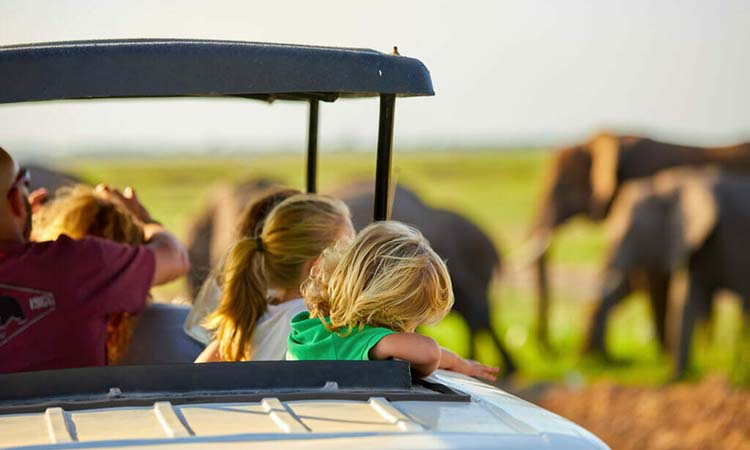
Uganda Safari with Kids: The Complete Family Travel Guide
Planning a family holiday that combines wildlife, adventure, nature, and unforgettable experiences? A Uganda safari with kids can be an incredible way to introduce children to Africa’s wildlife while creating memories the whole family will treasure.
Known as the Pearl of Africa, Uganda offers far more than traditional game drives. Families can watch elephants grazing across the savannah, cruise along rivers filled with hippos and crocodiles, track white rhinos on foot with trained rangers, discover chimpanzees in tropical forests, visit local communities, and enjoy exciting outdoor adventures.
Older teenagers may even have the opportunity to go mountain gorilla trekking, provided they meet the minimum age requirement.
What makes Uganda especially appealing for families is the variety of experiences available. You can combine wildlife encounters with boat trips, cultural activities, beautiful lakes, nature walks, and adventure activities around the River Nile.
However, travelling with children requires thoughtful planning. Long road journeys, changing weather, health precautions, age restrictions, and accommodation choices can all influence how enjoyable your safari will be.
This guide explains everything you need to know about visiting Uganda with children, including the best destinations, exciting activities, suggested itineraries, budgeting tips, and how to organise a family safari that suits your children’s ages and interests.
Planning a family adventure? Explore our Uganda Safaris and let Uganda Wildlife Tours help you design a personalised journey for your family.
Is Uganda a Good Destination for a Family Safari?
Yes. Uganda can be an excellent family safari destination, especially for families who enjoy wildlife, nature, outdoor activities, and cultural experiences.
Unlike a holiday focused entirely on game drives, a Ugandan family safari can include several different experiences within one trip. Children can observe animals in national parks, enjoy boat cruises, learn about conservation, explore forests, and discover how Ugandan communities live.
The best experience depends on your children’s ages, interests, patience, and comfort with travelling.
Why Families Choose Uganda
1. Incredible wildlife encounters
Children can see elephants, giraffes, zebras, buffaloes, antelopes, hippos, crocodiles, and many different bird species. With patience and a knowledgeable guide, they may also encounter lions and leopards.
2. Educational adventures
A safari gives children the opportunity to learn about animal behaviour, conservation, ecosystems, and the importance of protecting wildlife. Seeing animals in their natural habitats can make these lessons far more memorable than reading about them in a classroom.
3. Activities beyond game drives
Families can enjoy boat cruises, guided nature walks, cultural visits, canoeing, wildlife education experiences, and selected adventure activities.
4. Beautiful natural scenery
Uganda’s landscapes range from open savannahs and tropical forests to crater lakes, mountains, and the shores of Lake Victoria.
5. Flexible travel experiences
You can choose a comfortable family safari with shorter game drives and relaxing lodge stays or create a more adventurous trip for teenagers who enjoy hiking, wildlife tracking, and outdoor exploration.
The key is to design your itinerary around the children rather than trying to fit too many destinations into a limited number of days.
What Is the Best Age to Take Children on a Uganda Safari?
There is no single perfect age for a Uganda safari. Families travel with toddlers, primary-school children, teenagers, and young adults, but the activities and itinerary should reflect their ages.
Here is a practical guide.
Uganda Safari with Toddlers and Children Under 5
Travelling with very young children is possible, but it requires a relaxed itinerary.
Prioritise comfortable accommodation, short game drives, private transport, flexible meal times, and destinations where children can rest between activities.
Good options include:
- Short game drives in suitable wildlife-viewing areas.
- Boat cruises with appropriate child-safety arrangements.
- Visits to wildlife education centres.
- Gentle nature walks suitable for the child’s age.
- Cultural experiences that do not require long periods of walking.
- Relaxing stays near Lake Victoria or Lake Bunyonyi.
Check the minimum age, safety arrangements, and suitability of each activity before booking. Some lodges also have minimum age requirements or restrictions on children using swimming pools without supervision.
A private safari vehicle is particularly helpful because it allows your family to stop for snacks, bathroom breaks, and rest whenever necessary.
Uganda Safari with Children Aged 6–11
This age group can enjoy a wide range of family-friendly activities.
Children often find wildlife particularly exciting at this stage, especially when they can identify animals, ask questions, and participate in simple activities.
Consider including:
- Morning and afternoon game drives.
- A boat cruise on the Kazinga Channel.
- A Nile boat trip in Murchison Falls National Park.
- Rhino tracking, subject to the sanctuary’s current age and safety requirements.
- Wildlife education experiences in Entebbe.
- Guided nature walks suitable for children.
- Community visits and traditional craft activities.
- Gentle canoeing or other supervised lake activities.
Avoid making every day too busy. A rest afternoon at the lodge can be just as valuable as another scheduled excursion.
Important: Children younger than 12 cannot ordinarily participate in chimpanzee tracking, and children younger than 15 cannot ordinarily participate in mountain gorilla trekking. These age limits are discussed below.
Uganda Safari with Teenagers Aged 12–17
Teenagers can enjoy many of Uganda’s most exciting wildlife and adventure experiences.
Depending on their ages and the current activity rules, they may participate in chimpanzee tracking, mountain gorilla trekking, guided hikes, and selected water-based adventures.
Great options include:
- Chimpanzee tracking in Kibale Forest National Park for eligible children aged 12 and above.
- Mountain gorilla trekking in Bwindi Impenetrable National Park or Mgahinga Gorilla National Park for eligible teenagers aged 15 and above.
- Game drives in Queen Elizabeth and Murchison Falls national parks.
- Guided rhino tracking at Ziwa Rhino Sanctuary, subject to current rules.
- White-water rafting and other Nile adventures for teenagers who meet the operator’s age, health, and safety requirements.
- Cultural visits and photography activities.
- Selected guided hiking and nature experiences.
Teenagers who enjoy adventure may particularly appreciate a safari that combines wildlife with outdoor activities around Jinja.
Before confirming any activity, check the current age restrictions directly with the relevant operator or authority.
The Best Places to Visit on a Uganda Safari with Kids
Choosing the right destinations is one of the most important parts of planning a successful family safari.
You do not need to visit every national park. A few well-chosen destinations, with enough time to enjoy each one, usually create a better experience than a rushed journey across the country.
1. Murchison Falls National Park: Wildlife and the River Nile
Murchison Falls National Park is one of the most exciting destinations for a family wildlife safari.
The park combines open savannah, woodland, riverine habitats, and the powerful River Nile. It offers opportunities to observe wildlife from a safari vehicle and, on suitable boat excursions, from the water.
Children may see:
- African elephants.
- Giraffes.
- Buffaloes.
- Uganda kob and other antelopes.
- Lions, when sightings are favourable.
- Hippos and crocodiles.
- Numerous bird species.
Exciting activities for children
Game drives: Take the family on a guided game drive to search for wildlife across the savannah. A guide can explain animal behaviour and help children recognise different species.
Nile boat cruise: A boat trip along the Nile offers a different perspective on the park. Children can watch hippos in the water, crocodiles along the banks, and elephants or other animals visiting the river.
Murchison Falls viewpoint: Depending on the family’s interests, fitness, weather, and access arrangements, visit designated viewpoints to appreciate the power of the Nile as it passes through a narrow gorge.
Wildlife photography: Give older children a simple photography challenge, such as capturing different birds, animal tracks, or landscape features without disturbing wildlife.
Nature and birdwatching activities: A guide can help children identify birds and understand the relationships between animals and their habitats.
Boat trips and game drives are often among the most suitable activities for younger children, provided the operator confirms the arrangements are appropriate for their ages.
Discover our Uganda Safari Packages to explore options that include Murchison Falls National Park.
2. Queen Elizabeth National Park: A Classic Family Wildlife Safari
Queen Elizabeth National Park is another excellent choice for families who want a varied wildlife experience.
Its savannah plains, wetlands, forests, and lakes support a wide range of animals. The park is particularly well known for the Kazinga Channel boat cruise and its opportunities for wildlife viewing.
Exciting activities for children
Game drives: Search for elephants, buffaloes, antelopes, warthogs, and other wildlife. Lion and leopard sightings are possible but never guaranteed.
Kazinga Channel boat cruise: This is one of the strongest activities to include in a family itinerary. Children can observe hippos, crocodiles, buffaloes, elephants near the water, and many birds from a boat.
Ishasha wildlife viewing: Families travelling through the southern part of the park may visit the Ishasha sector, known for its tree-climbing lions. Sightings are not guaranteed, and reaching the sector may involve additional driving.
Birdwatching: Encourage children to notice differences in bird colours, sizes, calls, and feeding behaviours.
Conservation learning: A guide can explain how wildlife and people share the landscape and why protected areas matter.
For younger children, consider one main activity per day rather than scheduling several long excursions.
Queen Elizabeth is particularly appealing when combined with another destination, such as Bwindi or Kibale, for families with enough time.
3. Lake Mburo National Park: A Relaxed Safari Option
Lake Mburo National Park is a useful choice for families who prefer a relatively compact wildlife destination.
Its landscapes include open grasslands, woodland, wetlands, and lakes. Depending on the area visited, children may see zebras, impalas, elands, buffaloes, giraffes, and numerous bird species.
Exciting activities for children
Game drives: Explore the park with a guide who can explain how animals feed, move, and respond to their environment.
Boat trips: A guided lake excursion can provide opportunities to observe hippos, birds, and other wildlife around the water.
Guided nature walks: Some areas offer guided walking experiences. These must be arranged with authorised guides, and suitability depends on the child’s age and the specific activity.
Horseback safaris: Selected operators offer guided horseback wildlife experiences, which may appeal to older children and teenagers who meet the operator’s age, riding, and safety requirements.
Wildlife spotting games: Ask children to keep a list of animals, birds, and landscapes they observe throughout the safari.
Lake Mburo can also work well as a stop on the journey between Entebbe or Kampala and southwestern Uganda.
4. Kibale Forest National Park: Discover Chimpanzees
Kibale Forest National Park is one of Uganda’s best-known destinations for chimpanzee tracking.
For families with teenagers, it can provide a memorable opportunity to learn about our closest living relatives in the wild.
However, chimpanzee tracking has an age restriction.
The ordinary minimum age for chimpanzee tracking in Kibale is 12 years. Children younger than this should not be booked for the activity unless the responsible authority has formally approved an applicable exception under the current rules.
Exciting activities for eligible children
Chimpanzee tracking: Children aged 12 and above who meet the current requirements can join an organised tracking experience with trained guides. The duration and difficulty vary according to where the chimpanzees are found and how they move.
Bigodi Wetland activities: A guided walk in the Bigodi area can introduce families to wetland ecology, birds, primates, and local conservation initiatives. Confirm which walks are suitable for your children’s ages.
Forest education: A knowledgeable guide can explain how forest plants, insects, birds, and primates interact.
Photography and nature observation: Older children can document different species and habitats during the visit.
Chimpanzee tracking is not an appropriate activity for every family. For younger children, consider a suitable nature walk or another wildlife experience instead.
5. Bwindi Impenetrable National Park: The Home of Mountain Gorillas
Bwindi is one of Uganda’s most remarkable wildlife destinations and is internationally famous for mountain gorilla trekking.
For families with eligible teenagers, seeing mountain gorillas in their natural habitat can be one of the most memorable parts of the trip.
However, it is essential to understand the age restriction before planning a family gorilla safari.
The standard minimum age for gorilla trekking in Uganda is 15 years. Children younger than 15 cannot ordinarily join the trek. Do not assume that an exception will be granted; any exception must be confirmed in advance by the relevant authority.
What can children do in Bwindi if they are too young to trek?
Families travelling with younger children still have options.
Depending on the lodge, location, and availability, activities may include:
- Guided community walks.
- Local craft demonstrations.
- Visits to community initiatives arranged respectfully through a local guide.
- Suitable nature walks outside the gorilla trek.
- Birdwatching.
- Relaxation at the lodge.
- Learning about mountain gorillas and conservation.
- Selected cultural experiences, including Batwa-led experiences where available.
If only some family members are eligible to trek, plan childcare and supervision carefully. A parent or another responsible adult should remain with younger children, and the arrangements should be agreed with the accommodation and tour operator beforehand.
Gorilla trekking can take several hours and may involve steep, muddy, slippery, or uneven trails. It is not a short walk, so suitable footwear, fitness preparation, and a realistic understanding of the activity are important.
Read more about Gorilla Trekking in Uganda when considering a family itinerary that includes eligible teenage trekkers.
6. Mgahinga Gorilla National Park: Gorillas, Golden Monkeys and Mountains
Mgahinga Gorilla National Park is another destination for mountain gorilla trekking, subject to the standard minimum age requirement.
The park also offers golden monkey tracking, spectacular mountain scenery, and selected guided hiking experiences.
For families with older teenagers, these activities can add variety to a safari.
Possible experiences include:
- Mountain gorilla trekking for eligible visitors.
- Golden monkey tracking, subject to current age and activity rules.
- Guided nature experiences.
- Birdwatching.
- Cultural activities arranged through local providers.
- Selected hikes for visitors who meet the fitness and safety requirements.
Because mountain activities can be physically demanding, they should be planned according to each family member’s ability rather than assuming everyone will want to participate.
7. Entebbe: A Gentle Start or Finish to Your Family Safari
Entebbe is a convenient place to begin or end a Ugandan family holiday, particularly after a long international flight.
Instead of immediately driving for several hours to a national park, consider spending a night or two in the Entebbe area.
Exciting activities for children in Entebbe
Uganda Wildlife Conservation Education Centre: The centre offers an opportunity to learn about Uganda’s wildlife and conservation. It can be a useful introduction before travelling to the national parks. Check current visitor arrangements and activities before your visit.
Entebbe Botanical Gardens: Families can explore the gardens, observe birds, and enjoy a quieter outdoor experience.
Lake Victoria experiences: Depending on conditions and the operator, families can arrange suitable boat trips or lakeside activities. Follow local advice about swimming and water safety.
Nature photography: Encourage children to photograph plants, birds, and landscapes.
Local food experiences: Older children may enjoy trying familiar and new Ugandan dishes in a suitable restaurant.
Relaxation: Allowing children to recover from jet lag can make the rest of the trip much more enjoyable.
Entebbe is also a useful base for arranging a visit to Ngamba Island Chimpanzee Sanctuary, subject to current operating arrangements and the suitability of the boat transfer for your children.
8. Kampala: Culture, History and Family Exploration
A family safari does not have to focus exclusively on wildlife.
Kampala offers opportunities to introduce children to Ugandan history, food, culture, markets, and everyday life.
Possible activities include:
- Visiting the Uganda Museum.
- Exploring selected cultural and historical sites with a guide.
- Visiting craft markets to discover local art and handmade souvenirs.
- Learning about traditional Ugandan foods.
- Enjoying a guided city tour.
- Watching a cultural performance where available.
Choose activities that suit your children’s interests and avoid overloading the day with too many stops.
For practical ideas, read our Kampala City guide.
9. Jinja and the Source of the Nile: Adventure for Older Children
Jinja is an excellent addition for families who want to combine wildlife with adventure.
The area is known for the River Nile, scenic landscapes, and outdoor activities.
Depending on the children’s ages, swimming ability, health, and the operator’s requirements, possible experiences include:
- Boat trips on the Nile.
- Guided cycling.
- Selected nature walks.
- Horseback riding with an appropriate operator.
- Cultural visits.
- Family-friendly adventure activities.
- White-water rafting for eligible participants.
White-water rafting, bungee jumping, and other high-adrenaline activities are not suitable for every child. Each provider sets its own minimum age, health, and safety requirements, so confirm these before booking.
Families with younger children may prefer gentler boat excursions and nature-based activities.
The Most Exciting Activities for Kids on a Uganda Safari
If your children love adventure, Uganda offers plenty of opportunities to make the trip exciting.
Here are some activities worth considering when building your itinerary.
1. Spotting the Big Five
Introduce children to Africa’s famous Big Five: lions, leopards, elephants, buffaloes, and rhinos.
Uganda offers opportunities to see these species, although they are found in different locations and sightings are never guaranteed.
For example, families may search for lions, elephants, buffaloes, and leopards in suitable national parks, while southern white rhinos can be seen at Ziwa Rhino Sanctuary under its guided visitor arrangements.
Turn the game drive into a wildlife challenge. Give children a checklist and encourage them to note which animals they spot, what they are doing, and where they are found.
Explain that wildlife sightings depend on nature and that observing an animal from a respectful distance is more important than getting a close photograph.
2. Tracking Rhinos at Ziwa Rhino Sanctuary
Rhino tracking can be an exciting educational experience for children who meet the sanctuary’s current age and safety requirements.
Accompanied by trained personnel, visitors learn about rhinos, their behaviour, and the conservation work involved in protecting them.
Before booking, confirm the minimum age, walking requirements, and any restrictions that apply to your family.
3. Taking a Boat Safari
Boat excursions are often among the most enjoyable activities for children because they provide a different perspective without requiring long walks.
Good options to consider include:
- The Kazinga Channel in Queen Elizabeth National Park.
- The River Nile in Murchison Falls National Park.
- Suitable lake excursions around Lake Mburo.
- Selected boat trips around Entebbe and Lake Victoria.
Children should follow the captain’s and guide’s instructions, remain seated when required, and wear life jackets whenever instructed or provided as part of the safety arrangements.
4. Learning About Chimpanzees
For children aged 12 and above who meet the current requirements, chimpanzee tracking can be an unforgettable forest adventure.
Younger children can still learn about primates through appropriate educational experiences, nature activities, and visits to suitable conservation facilities.
5. Visiting a Local Community
A respectful community visit can help children understand life beyond the national parks.
Depending on the location, families may learn about local food, farming, crafts, music, dance, or community conservation projects.
Choose visits arranged with community consent and fair local participation. Ask permission before photographing people, and explain to children why respectful behaviour matters.
6. Canoeing and Lakeside Activities
Uganda has beautiful lakes that can provide opportunities for a slower, more relaxed part of the safari.
Lake Bunyonyi, for example, is a scenic place to unwind after travelling through southwestern Uganda.
Depending on local conditions and the provider, families may arrange guided canoeing and other suitable lake activities.
Never assume that a lake is safe for unsupervised swimming. Ask your accommodation or local guide about water conditions, bilharzia risks, currents, and appropriate safety precautions.
7. Birdwatching and Nature Photography
Birdwatching can be especially rewarding for school-age children and teenagers.
Rather than trying to identify every species, encourage children to look for different colours, shapes, sounds, and feeding behaviours.
A small notebook or camera can help turn the experience into an enjoyable learning activity.
8. Nature Walks and Easy Hikes
Selected guided walks allow children to discover plants, insects, birds, animal tracks, and local landscapes.
Choose a route according to the child’s age, fitness, weather, and the guide’s advice. Do not take children on a walking activity that requires entering wildlife areas without authorised guides or appropriate safety arrangements.
9. Cultural Dance and Music
Music and dance can be a lively way for children to experience Uganda’s cultural diversity.
Where available, arrange a performance or cultural visit with a reputable local provider. Children may also enjoy learning about traditional instruments, clothing, storytelling, and local foods.
10. Family Adventure Activities Around Jinja
For families with older children, Jinja can add another dimension to the holiday.
Depending on age and provider restrictions, options may include rafting, cycling, horseback riding, boat trips, and selected adventure experiences.
Always check the provider’s safety standards, insurance, equipment, and age limits before making a reservation.
Can Children Go Gorilla Trekking in Uganda?
This is one of the most important questions for families planning a Ugandan safari.
The standard minimum age for gorilla trekking in Uganda is 15 years.
Children younger than 15 cannot ordinarily join a mountain gorilla trek in Bwindi Impenetrable National Park or Mgahinga Gorilla National Park.
The restriction helps protect visitors and gorillas. The trek can be physically demanding, and gorillas are vulnerable to certain human illnesses.
If your child is younger than 15, do not purchase a permit or make non-refundable arrangements on the assumption that an exception will be approved. Ask the relevant authority or your tour operator to confirm the current rules and any formally approved exception before proceeding.
What if Some Family Members Can Trek and Others Cannot?
You can still organise a family holiday that includes gorilla trekking for eligible members.
For example:
- One parent and a teenager aged 15 or above can go trekking.
- The other parent can stay with younger children.
- The non-trekking family members can enjoy suitable lodge activities or a pre-arranged community or nature experience.
- Everyone can reunite after the trek.
This arrangement requires advance planning, particularly if both parents want to trek. You must ensure that a responsible adult is available to supervise children who cannot participate.
For further information about gorilla experiences and available itineraries, explore our Uganda Gorilla and Wildlife Safari options.
Can Children Go Chimpanzee Tracking in Uganda?
Children aged 12 and above can ordinarily participate in chimpanzee tracking in Kibale Forest National Park, provided they meet the current requirements.
Children younger than 12 cannot ordinarily join the standard tracking activity.
Chimpanzee tracking takes place in a forest environment where conditions may be uneven, muddy, and physically demanding. Chimpanzees also move through the forest, so the length and difficulty of the walk can vary.
For families travelling with younger children, consider a suitable nature walk or another activity that does not involve restricted primate tracking.
Confirm the current rules before booking.
What Is the Best Time to Visit Uganda with Kids?
Uganda can be visited throughout the year, but the best timing depends on your family’s interests, school holidays, preferred activities, and tolerance for rain.
June to August
This is generally one of the more popular periods for wildlife safaris and gorilla trekking.
Advantages may include:
- Conditions that are often more favourable for game drives.
- Opportunities to combine wildlife viewing with forest activities.
- A useful travel window for families whose school holidays fall during this period.
Because demand can be high, book accommodation, transport, and restricted activities well in advance.
December to February
This period is also popular for family safaris.
It can be a good time to combine game drives, boat cruises, and other outdoor activities, although weather conditions vary by region and rain remains possible.
March to May
These months generally include a wetter period in many parts of Uganda.
Rain can make some roads and forest trails muddy, and outdoor plans may need to change. However, the landscapes can be lush and beautiful.
Families travelling during this period should bring waterproof clothing and remain flexible.
September to November
This period also brings rain in many areas, although conditions vary.
A safari can still be rewarding, particularly if you plan for changing weather and allow time for rest or alternative activities.
Our advice: Rather than choosing dates based only on the weather, consider your children’s school calendar, the activities you want, and the availability of accommodation and permits.
How Many Days Do You Need for a Uganda Family Safari?
The ideal duration depends on your budget and the number of destinations you want to visit.
Here are some useful guidelines.
4–5 Days: A Short Family Wildlife Holiday
A short trip works best when you concentrate on one main region or a small number of destinations.
You might choose a safari that combines Entebbe or Kampala with Murchison Falls National Park, including game drives and a Nile boat cruise.
Avoid trying to visit distant parks in a very short period. Too much driving can leave children tired before they have time to enjoy the activities.
6–8 Days: A Balanced Family Safari
A week gives you more flexibility.
A possible itinerary could include:
- Arrival and relaxation in Entebbe.
- Murchison Falls National Park for game drives and a boat cruise.
- A return journey with appropriate rest stops.
- A cultural or nature experience before departure.
Alternatively, you could focus on southwestern Uganda and combine Queen Elizabeth National Park with suitable activities around Lake Bunyonyi or Bwindi.
The best choice depends on whether your family prefers savannah wildlife, forest experiences, or a mixture of both.
9–12 Days: A More Comprehensive Family Adventure
With nine to twelve days, you can explore several different landscapes without rushing quite as much.
A family itinerary might combine:
- Entebbe and Kampala.
- Murchison Falls National Park.
- Kibale Forest National Park.
- Queen Elizabeth National Park.
- Bwindi or Lake Bunyonyi, depending on the family’s interests and ages.
Not every family needs all these destinations. Choose the experiences that suit your children, and allow enough time for travel and relaxation.
Explore our 10 Days Uganda Self-Drive Safari for ideas on combining several destinations into a longer journey. A family version can be adapted to include a private driver-guide and activities suited to your children’s ages.
Sample Uganda Safari Itinerary for Families
The following is an example of how a family safari could be organised. It is a planning template rather than a fixed package, and actual driving times and activity availability should be confirmed for your travel dates.
Day 1: Arrive in Entebbe
Arrive at Entebbe International Airport and transfer to your accommodation.
Keep the day relaxed, particularly if the children have travelled a long distance.
Depending on your arrival time, you might enjoy a meal, a short walk, or a suitable activity around Entebbe.
Overnight: Entebbe.
Day 2: Entebbe Wildlife and Nature Experiences
Visit the Uganda Wildlife Conservation Education Centre or Entebbe Botanical Gardens, depending on your family’s interests and current opening arrangements.
This gives children a gentle introduction to Uganda before travelling to the national parks.
Overnight: Entebbe or the next destination, depending on the chosen route.
Day 3: Travel to Murchison Falls National Park
Travel towards Murchison Falls National Park, allowing time for breaks and meals.
Depending on your route and the family’s energy levels, you may include a suitable stop along the way.
Avoid packing too many activities into the transfer day.
Overnight: Near Murchison Falls National Park.
Day 4: Family Game Drive
Enjoy a guided game drive to search for elephants, giraffes, buffaloes, antelopes, and other wildlife.
Keep the experience interactive by encouraging children to observe animal behaviour and ask questions.
Take breaks as needed.
Overnight: Near Murchison Falls National Park.
Day 5: Nile Boat Cruise and Murchison Falls
Enjoy a suitable boat excursion on the Nile to observe wildlife along the riverbanks.
Depending on the family’s interests and current operating arrangements, visit an appropriate viewpoint to appreciate Murchison Falls.
Overnight: Near Murchison Falls National Park.
Day 6: Travel and Relaxation
Travel towards your next destination or return towards the central region, depending on the overall itinerary.
Include a relaxed afternoon if possible.
Overnight: At a suitable lodge or hotel along the route.
Day 7: Return to Entebbe
Return to Entebbe with enough time for your onward flight.
For international departures, the route and departure time should be planned carefully to allow for road conditions and unexpected delays.
This seven-day example concentrates on a relatively straightforward family wildlife experience. Families with more time can add Queen Elizabeth National Park, Lake Mburo, Kibale, or southwestern Uganda.
How Much Does a Uganda Safari with Kids Cost?
The cost depends on the length of the safari, the number of adults and children, accommodation standards, transport, park fees, and the activities you choose.
A family travelling with a private vehicle may pay more overall than a family sharing transport with other travellers, but private arrangements offer greater flexibility.
Main Costs to Budget For
1. Accommodation
Options range from budget guesthouses and safari camps to comfortable family lodges and luxury properties.
Check whether the accommodation offers family rooms, extra beds, connecting rooms, child-friendly meals, and suitable facilities.
2. Transport
A private 4×4 safari vehicle with a driver-guide can be useful for families because it provides flexibility for breaks, meals, and changes to the schedule.
For a self-drive safari, consider the driver’s experience, road conditions, child restraints, and the extra planning required.
3. Park entrance fees
National parks and other protected areas charge applicable entry or activity fees. Check the current tariffs for your travel dates and visitor category.
4. Special activities
Gorilla trekking, chimpanzee tracking, boat cruises, and selected guided experiences may have separate charges. Restricted activities also have age requirements.
5. Meals and drinks
Find out which meals are included in the accommodation rate and whether the lodge can accommodate your children’s dietary needs.
6. International flights and visas
These are usually budgeted separately unless explicitly included in your package.
7. Travel insurance and medical expenses
Budget for comprehensive travel insurance, suitable medical preparation, and any required vaccinations or medicines.
Is a Private Family Safari Worth It?
For many families, yes.
A private safari can make it easier to:
- Travel at a pace that suits the children.
- Stop for bathroom breaks and snacks.
- Change activities when a child becomes tired.
- Spend more time observing an animal.
- Choose family-friendly accommodation.
- Arrange different activities for children and adults.
- Avoid the pressure of keeping to a shared group’s schedule.
The best option depends on your budget and priorities. A well-planned private safari is not necessarily luxurious; it can simply be designed around your family’s practical needs.
For a tailored estimate, explore our Uganda Safari Packages and tell us how many adults and children will be travelling.
Where Should Families Stay During a Uganda Safari?
Accommodation can make a significant difference to the comfort of your family safari.
The best property is not always the most expensive. It is the one that matches your family’s needs, location, budget, and preferred activities.
Look for:
- Family rooms or suitable adjoining rooms.
- Reliable access to meals and drinking water.
- Child-friendly meal options.
- Secure grounds and appropriate supervision.
- Comfortable beds and adequate mosquito protection.
- A location that minimises unnecessary driving.
- Staff who can explain safety arrangements clearly.
- Suitable facilities for children who need downtime.
Some safari lodges have swimming pools, play areas, or other facilities, but these should be checked individually rather than assumed.
Should You Choose Budget, Mid-Range or Luxury Accommodation?
Budget accommodation can work well for families who prioritise wildlife experiences and are comfortable with simpler facilities.
Mid-range accommodation often offers a useful balance between comfort, location, and cost.
Luxury accommodation may provide spacious family accommodation, additional services, and more facilities, although child policies vary.
Whichever level you choose, prioritise safety, cleanliness, practical facilities, and proximity to the activities you want.
Health and Safety Tips for a Uganda Safari with Kids
A well-planned safari should account for health and safety before departure.
1. Consult a Travel Health Professional
Arrange a medical consultation well before travelling. Ask about recommended vaccinations, malaria prevention, and any medicines appropriate for each child’s age and weight.
Yellow fever vaccination documentation may be required for entry depending on the applicable entry rules and your travel history. Confirm the current requirements before departure.
2. Prevent Mosquito Bites
Malaria is present in Uganda.
Use age-appropriate insect repellent, suitable clothing, and mosquito nets where available. Follow medical advice about preventive medication.
Seek medical attention promptly if a child develops a fever during or after travel.
3. Practise Food and Water Safety
Use safe drinking water and follow local guidance on food hygiene.
Wash hands before meals, carry hand sanitiser when useful, and be cautious with food that has not been stored or cooked properly.
4. Use Appropriate Child Restraints
When travelling by road, use age- and size-appropriate child car seats or restraints wherever available and suitable for the vehicle.
Discuss your requirements with the tour operator before confirming the vehicle.
5. Follow Wildlife Safety Rules
Children should remain inside the vehicle during game drives unless the guide has confirmed that leaving the vehicle is permitted and safe.
Never approach, feed, chase, or attempt to touch wild animals.
During guided walks, children must follow the ranger’s instructions at all times.
6. Prepare for Rain and Changing Weather
Pack lightweight waterproof jackets, comfortable clothing, suitable footwear, hats, sunscreen, and insect repellent.
Forest trails and some roads may become muddy after rain.
7. Carry a Small Family First-Aid Kit
Consider packing basic supplies recommended by your healthcare professional, including any prescribed medicines, plasters, oral rehydration products, and remedies appropriate for your children.
Keep medicines in their original packaging and follow medical advice on their use.
8. Plan for Tiredness
Children may struggle with long drives, early departures, heat, or too many activities.
Build in rest time and avoid making every day a full-day excursion.
9. Choose Appropriate Travel Insurance
Confirm that your policy covers every family member and includes relevant medical treatment and emergency evacuation. If your family plans to participate in adventure activities, check whether these are covered.
10. Check Current Travel Advice
Travel conditions, health alerts, entry requirements, and local security advice can change.
Check the latest official guidance before departure and follow the advice of your guide and relevant authorities during your trip.
What Should You Pack for a Uganda Family Safari?
Packing depends on the season, destinations, and activities, but the following checklist provides a useful starting point.
Clothing
- Lightweight, breathable shirts and trousers.
- Comfortable walking shoes.
- Sandals or other suitable casual footwear.
- Lightweight waterproof jackets.
- Hats or caps.
- Swimwear if your accommodation has a suitable swimming facility.
- Warm layers for cool mornings and evenings.
- Extra clothing for younger children.
Health and Hygiene
- Personal medicines and prescriptions.
- Age-appropriate insect repellent.
- Sunscreen.
- Hand sanitiser.
- Personal hygiene supplies.
- A small first-aid kit.
- Any travel-health documents recommended by your medical professional.
Safari Essentials
- Binoculars suitable for your family.
- Cameras or smartphones.
- Reusable water bottles, filled with safe drinking water.
- Small backpacks.
- Snacks suitable for your children.
- Notebooks for wildlife spotting.
- Books, games, or offline entertainment for long drives.
- Copies of important travel documents.
For Gorilla or Chimpanzee Trekking
For eligible family members participating in primate trekking, consider:
- Sturdy hiking boots.
- Long trousers and long-sleeved shirts.
- Waterproof jackets.
- Gloves suitable for gripping vegetation.
- A small daypack.
- Drinking water and any food permitted under the activity rules.
Follow the guidance provided by the park authorities and your trekking guide.
Practical Tips for Making the Safari Enjoyable for Children
A successful family safari is not about seeing the maximum number of animals or visiting every national park. It is about creating an experience that everyone can enjoy.
Keep Travel Days Realistic
Distances on a map can be misleading. Road conditions, traffic, weather, and stops can make journeys longer than expected.
Avoid scheduling a major activity immediately after a very long drive.
Choose a Few Highlights
Ask your children what they most want to see. Some may be fascinated by elephants, while others may prefer chimpanzees, birds, waterfalls, or cultural activities.
Build the itinerary around those interests.
Turn Wildlife Viewing into a Game
Give children a simple wildlife checklist or ask them to record their favourite sightings each day.
You can also encourage them to notice animal tracks, different habitats, and bird calls.
Carry Snacks and Entertainment
Snacks, books, games, and offline entertainment can help during long transfers.
Ask your accommodation about meal arrangements if your children need to eat at particular times.
Allow Time to Relax
A lodge afternoon, a gentle walk, or time spent enjoying the scenery can help children recover after an exciting day.
Do not feel that every hour needs to be filled with an activity.
Explain Wildlife Etiquette
Teach children to remain quiet when appropriate, follow the guide’s instructions, avoid littering, and respect animals and local communities.
These lessons are part of what makes a safari educational.
Involve Children in Planning
Let them choose one activity, help prepare the wildlife checklist, or decide which photographs they want to take.
Giving children a role in the journey can make the experience more engaging.
Common Mistakes to Avoid When Planning a Family Safari
Trying to Visit Too Many Places
Uganda has many beautiful destinations, but travelling between them takes time.
Choose a manageable route rather than trying to see every national park in one week.
Ignoring Age Restrictions
Do not book gorilla trekking or chimpanzee tracking without confirming that every participant meets the current requirements.
Remember the standard minimum ages: 15 for gorilla trekking and 12 for chimpanzee tracking.
Booking Accommodation Without Checking Child Policies
Ask about family rooms, extra beds, minimum ages, meal arrangements, swimming pool rules, and supervision requirements.
Underestimating Road Journeys
A long drive can be exhausting for children. Plan breaks and, where appropriate, overnight stops.
Expecting Every Wildlife Sighting
Animals move freely, and sightings cannot be guaranteed.
Explain to children that the search is part of the adventure and that every animal encounter is a privilege.
Leaving Health Preparation Until the Last Minute
Consult a travel-health professional early enough to discuss vaccinations, malaria prevention, and any individual medical needs.
Choosing Activities Without Checking Safety Requirements
Adventure activities vary in their age limits, difficulty, and safety arrangements.
Confirm the requirements directly with the provider before booking.
Frequently Asked Questions About Uganda Safaris with Kids
Is Uganda safe for children on safari?
Many families visit Uganda for wildlife and nature experiences, but no destination is entirely risk-free. Safety depends on the locations visited, current travel conditions, transport, accommodation, health preparation, and the activities chosen.
Check current official travel advice and use a reputable tour operator that can explain the arrangements for your family.
What is the best national park in Uganda for children?
Murchison Falls and Queen Elizabeth national parks are strong choices for families interested in game drives and boat cruises. Lake Mburo can also work well for a more relaxed wildlife experience.
The best choice depends on your children’s ages, available time, and preferred activities.
Can a 10-year-old go on a Uganda safari?
Yes. A 10-year-old can enjoy many family safari activities, including suitable game drives, boat cruises, nature walks, cultural experiences, and wildlife education activities.
However, children younger than 12 cannot ordinarily participate in standard chimpanzee tracking, and children younger than 15 cannot ordinarily participate in gorilla trekking.
Can a 13-year-old go chimpanzee tracking?
Children aged 12 and above can ordinarily participate in chimpanzee tracking in Kibale, provided they meet the current requirements.
Confirm the rules and physical requirements before booking.
Can a 14-year-old go gorilla trekking?
The standard minimum age is 15. A 14-year-old cannot ordinarily participate unless a relevant authority has formally approved an applicable exception. Do not assume approval is available or guaranteed.
How many days are enough for a family safari in Uganda?
Five to seven days can provide a rewarding experience focused on one or two main destinations. Nine to twelve days gives you more flexibility to combine different landscapes and activities without rushing.
Is a private safari better for families?
A private safari can offer more flexibility with meal stops, rest breaks, activity choices, and the pace of travel. It can be particularly helpful for families with younger children.
A shared safari may suit families travelling on a tighter budget, provided the schedule and activity requirements work for everyone.
What is the best time of year for a family safari?
June to August and December to February are popular periods for wildlife safaris, but Uganda can be visited throughout the year. Conditions vary by region and season, so plan according to your preferred activities and travel dates.
Can we combine wildlife with adventure activities?
Yes. Depending on the children’s ages and the providers’ rules, a family can combine national park visits with selected activities around Jinja, cultural experiences, and relaxing stays near Uganda’s lakes.
How much does a Uganda safari with kids cost?
The cost depends on the number of travellers, duration, accommodation, transport, park fees, and activities. Gorilla and chimpanzee permits, where applicable, can significantly affect the total.
A personalised quotation is the best way to understand the cost for your family.
Plan Your Uganda Safari with Kids with Uganda Wildlife Tours
A family safari in Uganda can become much more than a holiday. It can be an opportunity for children to discover wildlife, understand conservation, experience different cultures, and develop a lasting appreciation for nature.
Imagine watching elephants move across the savannah, seeing hippos from a boat on the Nile, listening to birds in a tropical forest, and sharing stories about the day’s adventures over dinner at a safari lodge.
For older teenagers, the journey may also include the unforgettable experience of seeing mountain gorillas in their natural habitat, provided they meet the required age and activity conditions.
At Uganda Wildlife Tours, we understand that every family is different. A safari for a family with young children needs a different approach from a trip for parents travelling with teenagers. We can help you select suitable destinations, choose practical accommodation, organise transport, and plan activities around your family’s ages, interests, travel dates, and budget.
Rather than rushing between destinations, we aim to help you create a balanced experience that combines exciting wildlife encounters with enough time to relax and enjoy Uganda.
Whether you want a short wildlife holiday, a longer national park adventure, or a family itinerary that combines gorilla trekking for eligible teenagers with activities for younger children, we can help you explore the options.
Let Uganda Wildlife Tours plan your family adventure in the Pearl of Africa.
Visit our Uganda Safari Packages page or explore our Uganda Wildlife Tours and Gorilla Trekking Packages to start planning.
Contact us with your travel dates, the number and ages of your children, your preferred accommodation level, and the experiences your family would love to enjoy. We will help you put together a safari designed around your family.
Your family’s Ugandan adventure begins with a plan—and we would be delighted to help you make it unforgettable.

