What Can I Expect From a Safari in Uganda?
What Can I Expect From a Safari in Uganda: A Uganda safari is more physically active and varied than the classic vehicle-only savanna safari: expect forest treks on foot for gorillas and chimps, vehicle game drives for savanna wildlife, early mornings, simple but comfortable lodges, and a genuinely wide cost range depending on how you travel. It’s not a five-star, air-conditioned experience by default, though luxury options exist.
Most days involve real walking, sometimes on steep or muddy terrain, alongside classic game drives and boat cruises. Here’s exactly what to expect, from your first morning to your last.
A Typical Day on a Uganda Safari
| Time | What’s happening |
|---|---|
| 5:30–6:30 am | Early wake-up, light breakfast or packed snacks |
| 6:30–8:00 am | Departure for gorilla/chimp trekking briefing, or start of a game drive |
| 8:00 am–12:00 pm | Trekking (1 to 8 hours, unpredictable) or a 2 to 3 hour game drive |
| 12:00–2:00 pm | Lunch, often at the lodge or a packed picnic in the park |
| 2:00–5:00 pm | Afternoon activity: boat cruise, second game drive, birding walk, or rest |
| 5:00–7:00 pm | Return to lodge, sundowner, free time |
| 7:00 pm onward | Dinner, early night, since mornings start early again |
Days built around gorilla or chimp trekking are the most physically demanding and least predictable in timing, since you’re following where the primates actually are. Game-drive and boat-cruise days run on a much more fixed schedule.
How Physically Demanding Is It, Really?
This is where expectations most often go wrong. Gorilla and chimp trekking is a real hike, not a stroll: you’re on foot through rainforest, sometimes steep, often muddy, for anywhere from 1 to 8 hours depending on where the group is ranging that day. Porters are available to carry your daypack and help on difficult sections, and guides set a pace suited to your group, but this is not an activity for someone who can’t manage sustained walking on uneven ground.
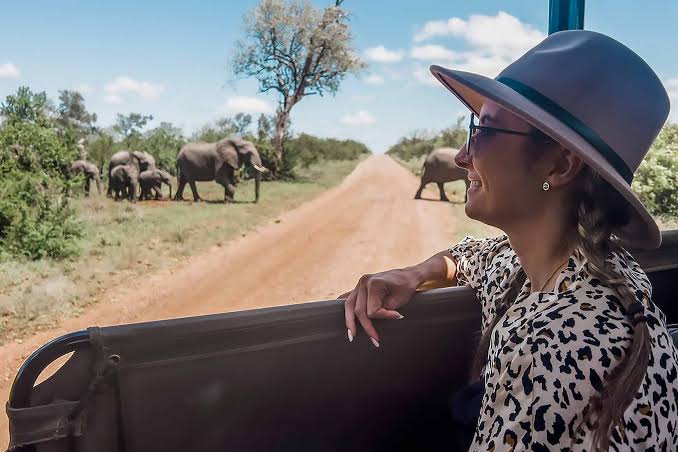
Savanna game drives, by contrast, are largely sedentary: you’re in a 4×4 vehicle for a few hours at a time, with occasional short walks. Boat cruises, like the Kazinga Channel or the Nile at Murchison Falls, are the least physically demanding wildlife activity on a typical itinerary, and a good option to balance a strenuous trekking day.
If mobility is a concern, tell your operator in advance. Some parks and sectors are more forgiving than others, and a well-planned itinerary can weight your trip toward vehicle- and boat-based viewing.
Accommodation: What’s Actually Available
Uganda safari lodging spans a genuine range, and knowing where your trip sits on it sets realistic expectations:
- Budget: simple guesthouses or basic tented camps, shared or basic private bathrooms, reliable but no-frills meals. Fine for travelers prioritizing wildlife over comfort.
- Mid-range: comfortable ensuite rooms or safari tents, hot water, varied menus, often with a pool or lounge area. This is where most first-time travelers land.
- Luxury: high-end lodges with private verandas, excellent food, and sometimes views directly over a park or channel.
Budget safaris typically run USD 150 to 300 per person per day, mid-range USD 300 to 600, and luxury USD 600-plus, before permits and special activities, which are priced separately. See how this plays out across real itineraries in our budget, long-format, and 21-day safari packages.
Food: What You’ll Actually Eat
Expect a mix of continental and East African dishes: fresh fruit, eggs, and toast at breakfast; grilled meats, rice, matoke (steamed plantain), and fresh vegetables at lunch and dinner; and reliably good coffee, since Uganda grows some of its own. Vegetarian and dietary requirements are usually accommodated if you flag them when booking. Bottled or filtered water is standard at lodges; avoid tap water.
Weather and What to Pack
Uganda sits on the equator but its safari regions are at elevation, so days are warm and evenings can be genuinely cool, especially in forested areas like Bwindi. Rain is possible year-round, since Bwindi is literally named for its density of rainforest, but it’s heaviest in the “green season” months.
Essentials: waterproof hiking boots with good grip, a rain jacket, long trousers and long sleeves (for both sun and vegetation/insects during forest treks), gardening-style gloves for gripping plants on steep trails, a warm layer for early mornings and evenings, and a daypack. Sunscreen, insect repellent, and a basic first-aid kit round out the list.
Wildlife Encounters: What’s Realistic
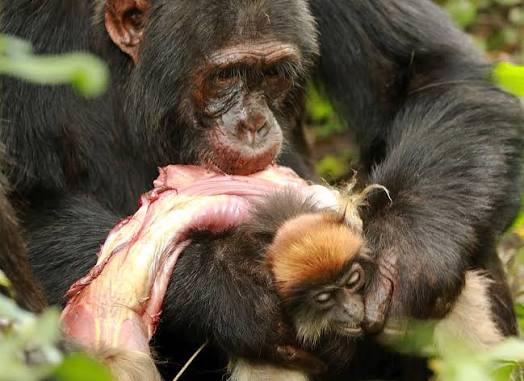
Gorilla and chimp trekking: high success rates with experienced trackers, but never a 100% guarantee, and the exact duration of the walk to reach them varies daily. Once found, you get roughly one hour with a habituated gorilla family.
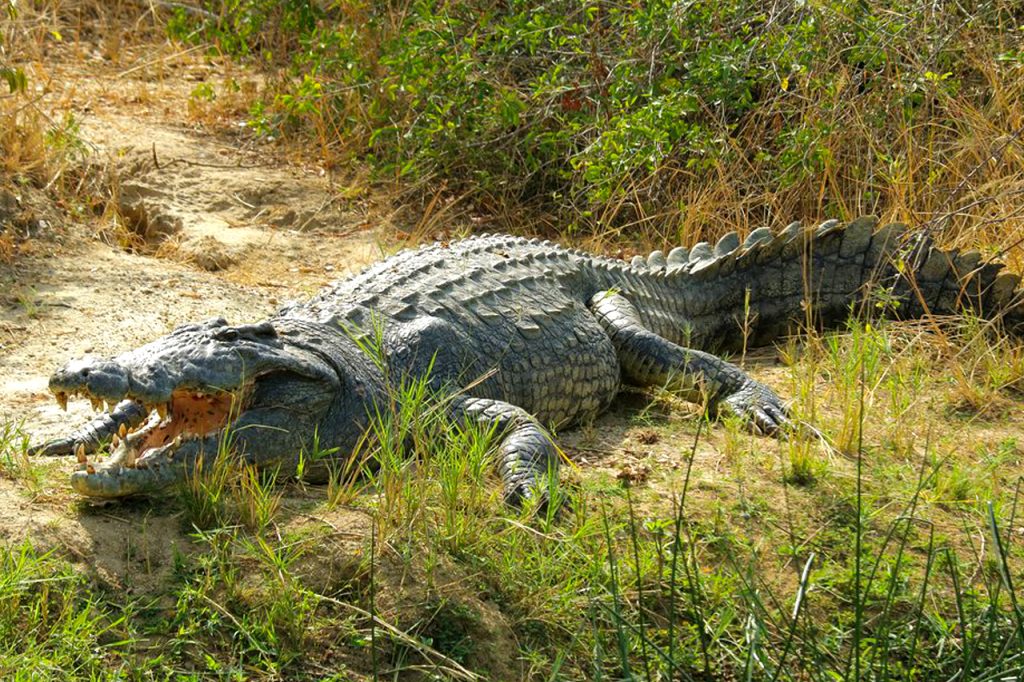
Savanna game drives: expect strong odds of elephants, buffalo, and varied antelope in parks like Queen Elizabeth and Murchison Falls, good odds of lions (particularly the tree-climbing lions of Ishasha), and leopards as a genuine but less frequent sighting, since they’re naturally elusive and largely nocturnal. See our Queen Elizabeth National Park and Murchison Falls National Park guides for what each park specifically offers.
Rhinos are not part of standard game drives at all, since Uganda’s wild rhino population was wiped out; they’re viewable only at the dedicated Ziwa Rhino Sanctuary via guided walking tracking.
Costs: The Full Picture
Beyond the daily per-person rate, budget for:
- Gorilla permit: USD 800 in Uganda (compared with USD 1,500 in Rwanda)
- Chimpanzee permit: a separate, lower cost if your itinerary includes Kibale
- Park entrance fees: usually bundled into package pricing, but confirm
- Tips: for guides, drivers, and porters, an expected and significant part of the real cost
- Visa fees and any pre-trip vaccinations or travel insurance
A reliable operator itemizes all of this upfront rather than folding it into a vague “all-inclusive” number. See our gorilla safaris page for how permit costs are typically presented.
Guides and Group Dynamics
Expect a personal driver-guide for most of your trip, who handles both driving between parks and interpreting wildlife and culture along the way, plus specialized park rangers for gorilla and chimp treks specifically.
Group sizes on a well-run safari tend to be small, a handful of travelers per vehicle at most, which makes for a more personal experience than a large coach tour. If you’re traveling solo, ask whether you’ll be paired with other travelers or have a private vehicle, since this affects both cost and pace.
Connectivity and Comfort
Don’t expect reliable internet in remote park areas; most lodges have wifi in common areas, but it can be slow or intermittent, and forest regions like Bwindi are especially remote. Mobile signal is decent in towns and weaker deep in the parks. Treat a Uganda safari as a genuine break from constant connectivity, not an assumption you’ll be online throughout.
What Surprises First-Time Visitors
- How much walking is actually involved, even on “wildlife” days that aren’t primate treks
- How cold early mornings and forest evenings can get, despite Uganda’s equatorial location
- How good the birdlife is, even for travelers who didn’t come specifically for birding, given Uganda’s 1,000-plus species
- How personal gorilla trekking feels, an hour at close range with a family group, rather than a distant sighting through binoculars
- How much of the trip is genuinely about the journey between parks, scenic drives through farmland, small towns, and changing landscapes, not just the parks themselves
Beyond Wildlife: What Else Is on a Typical Itinerary
Most well-built Uganda circuits include at least one non-wildlife day: white-water rafting or bungee jumping at Jinja, a walking tour of Kampala, or a cultural visit to the Batwa communities around Bwindi. These add real variety without cutting into your primary wildlife days.
What Can I Expect From a Safari in Uganda FAQs
Is a Uganda safari physically demanding? Gorilla and chimp trekking involves real hiking, sometimes steep and muddy, for 1 to 8 hours. Game drives and boat cruises are much less physically demanding, so overall difficulty depends heavily on your specific itinerary.
What should I expect to pay for a Uganda safari? Budget safaris run USD 150 to 300 per person per day, mid-range USD 300 to 600, and luxury USD 600-plus, plus permits (USD 800 for gorillas) and tips, priced separately.
Will I definitely see gorillas? Trek success rates are high with experienced trackers, but sightings are never 100% guaranteed. Once found, you get roughly one hour with the family.
What’s the food like on a Uganda safari? A mix of continental and East African dishes: grilled meats, rice, matoke, fresh vegetables, good local coffee, and accommodated dietary requirements if flagged in advance.
Do I need to be very fit for a Uganda safari? Not necessarily, but reasonable fitness helps for gorilla and chimp trekking specifically. Porters can help carry gear, and guides pace treks to the group, but sustained walking on uneven terrain is unavoidable for primate encounters.
Is Uganda safe for first-time safari travelers? Uganda’s tourism circuit is well established, with licensed guides, rangers, and set procedures for every major activity. Booking with a licensed, reviewed operator and following your guide’s instructions is the standard approach.
How much walking is involved if I’m not doing gorilla trekking? Considerably less. Game drives, boat cruises, and most other activities are largely vehicle- or boat-based, with only short walks.
Plan a Uganda Safari That Matches Your Expectations
Now that you know what to expect, browse our safari packages across budget, mid-range, and long-format itineraries, read our verified facts and credentials, or send us an enquiry to build a trip around your fitness level, budget, and interests.